Industry Definition & Scope
The excavators industry encompasses the design, manufacturing, distribution, sales, and service of tracked or wheeled hydraulic machines primarily used for digging, trenching, material handling, demolition, and earthmoving operations. As a core segment within the broader construction and mining equipment sector, excavators are essential capital goods for infrastructure development, resource extraction, and urban construction worldwide.
Key Product Categories
By Size & Application:
-
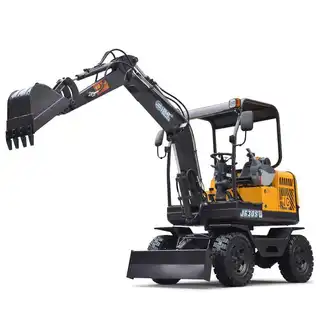
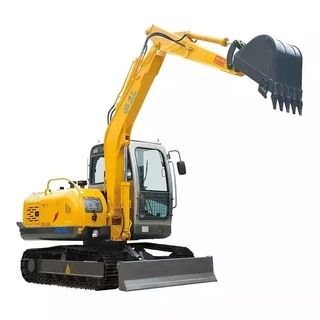
Mini/Micro Excavators (Under 6 metric tons): Compact machines for residential construction, landscaping, utility work, and confined spaces.
-
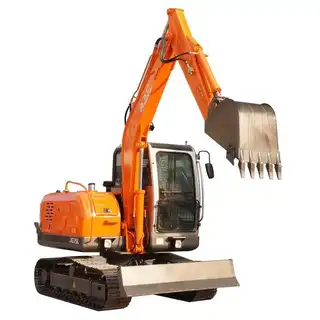
Compact/Midi Excavators (6-15 metric tons): Versatile machines for general construction, urban development, and rental markets.
-
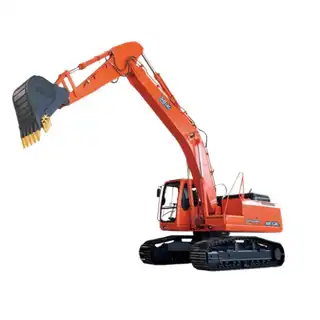
Standard Crawler Excavators (15-45 metric tons): The most common size range for general construction, road building, and quarry operations.
-
Large Excavators (45-90 metric tons): Heavy-duty machines for major earthworks, mining, and large-scale infrastructure projects.
-
Ultra-Large/Mining Excavators (90+ metric tons): Giant machines primarily for surface mining, with bucket capacities exceeding 10 cubic meters.
By Under-carriage Type:
-
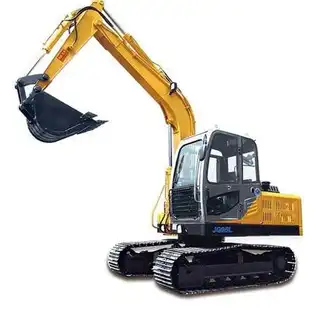
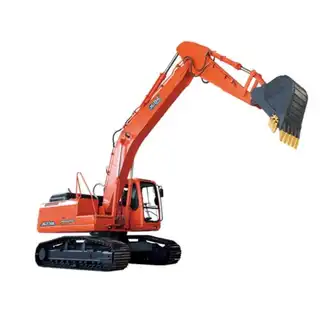
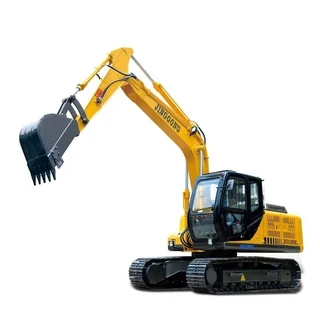
Crawler/Tracked Excavators: Equipped with continuous tracks for superior stability, traction, and weight distribution on soft or uneven terrain.
-
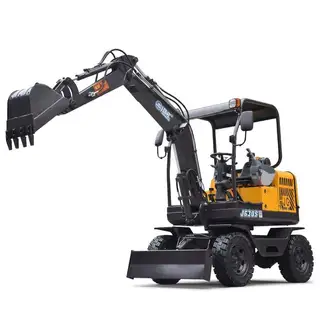
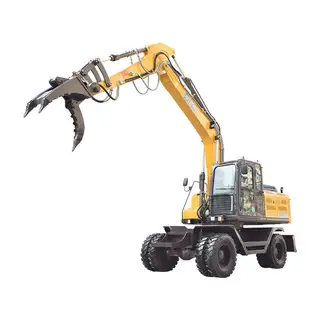
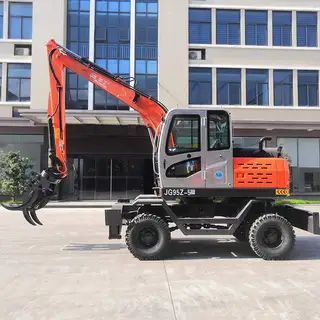
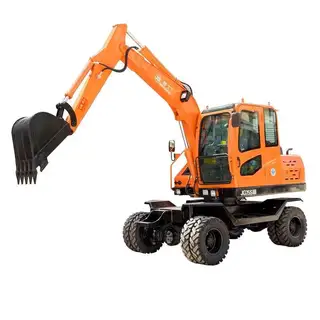
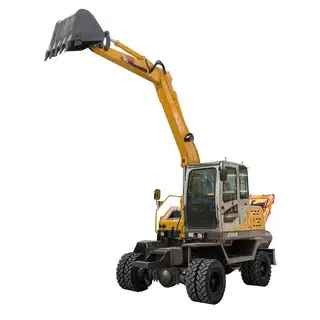
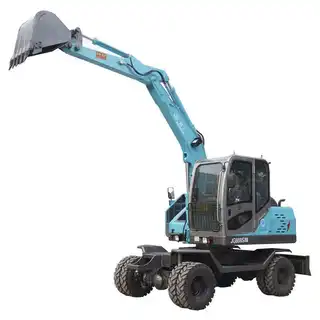
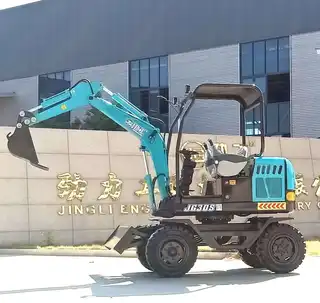
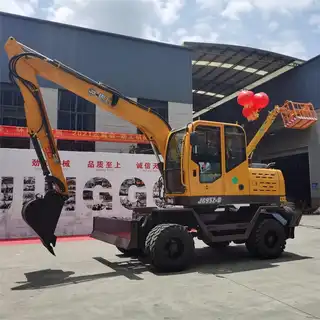
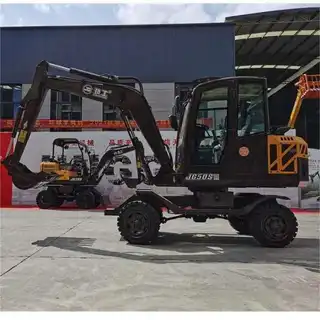
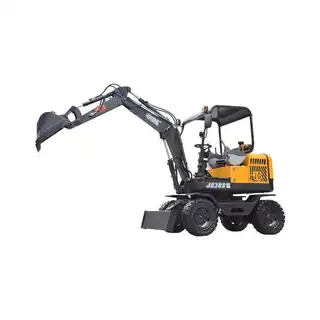
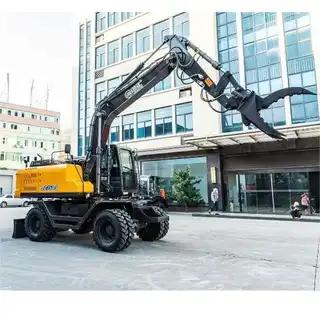
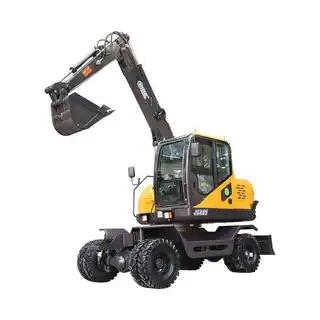
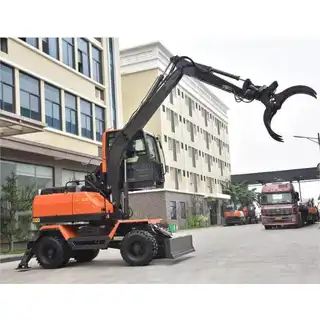
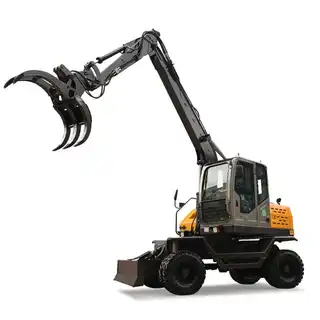
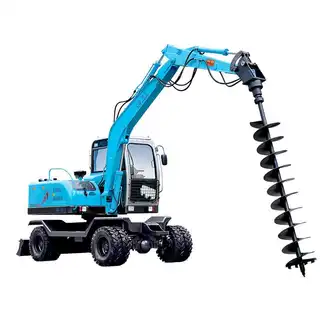
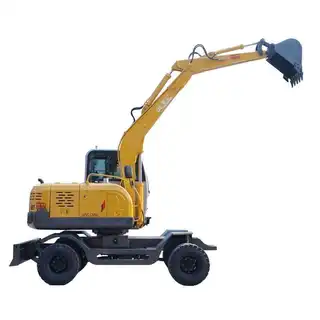
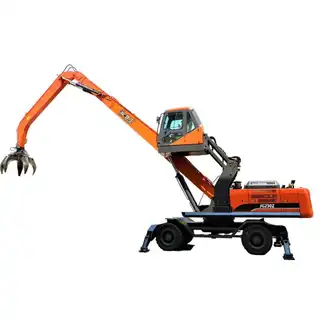
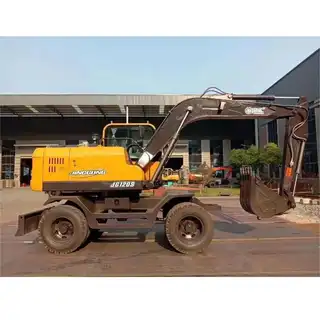
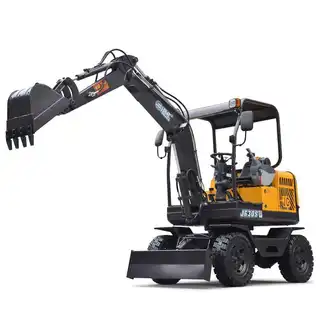
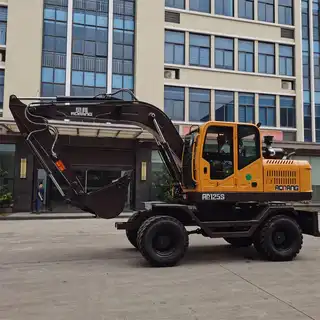
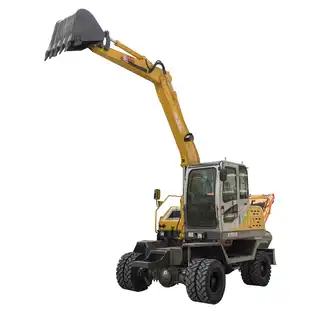
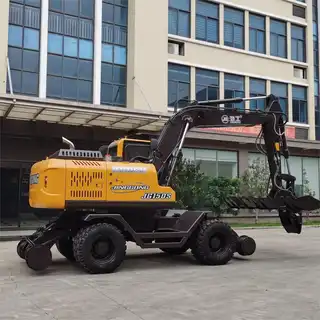
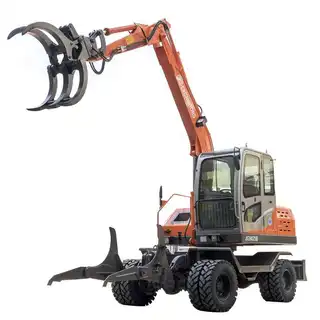
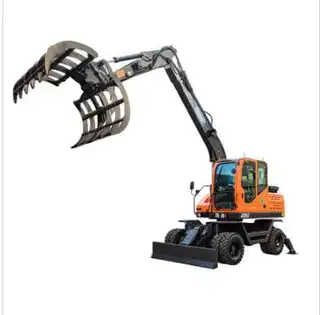
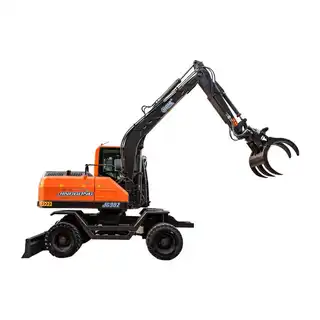
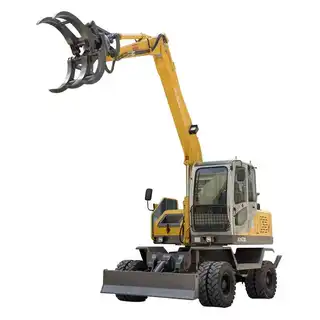
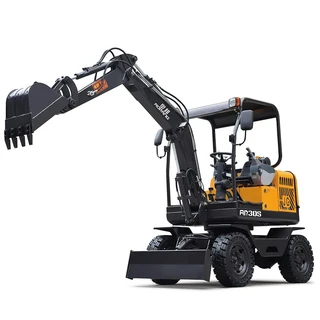
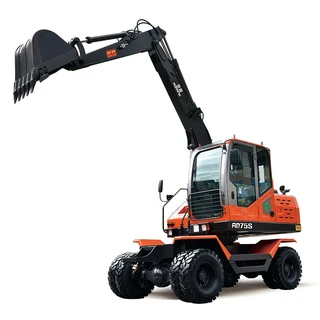
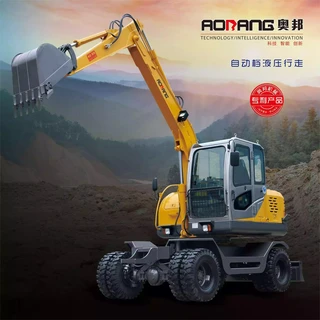
Wheeled Excavators: Mounted on rubber tires for greater mobility between job sites on paved surfaces, with faster travel speeds.
By Specialized Configurations:
-
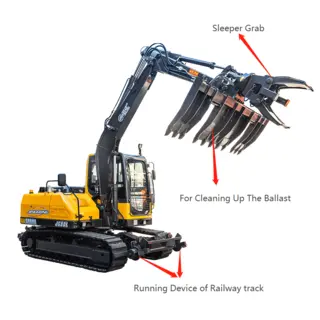
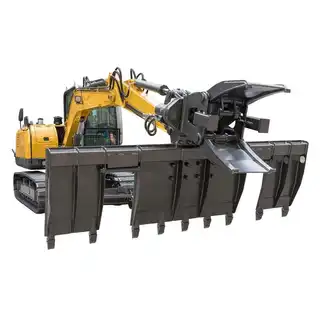
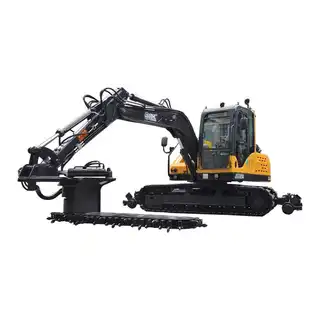
Long-Reach/Extended Arm Excavators: Feature extended booms and arms for demolition, dredging, and deep trenching applications.
-
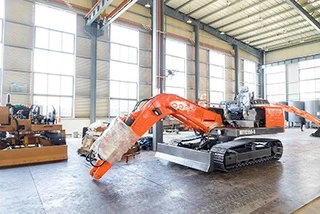
Demolition Excavators: Reinforced structures with specialized attachments (shears, crushers) for building demolition and material processing.
-
Amphibious Excavators: Modified for work in wetlands, marshes, and shallow water environments.
-
Electric Excavators: Battery-powered or cable-electric models for zero-emission operation in urban areas or underground mining.
Technology & Innovation Trends
-
Electrification & Alternative Power: Development of battery-electric, hybrid, and hydrogen fuel cell excavators to reduce emissions and operating costs.
-
Advanced Hydraulic Systems: More efficient variable displacement pumps, load-sensing hydraulics, and electro-hydraulic controls for improved fuel efficiency and precise control.
-
Digitalization & Connectivity: Integrated telematics for remote monitoring, fleet management, predictive maintenance, and machine health diagnostics.
-
Automation & Semi-Autonomous Operation: Features like automated digging cycles, obstacle detection, and assisted controls to enhance productivity and safety.
-
Enhanced Operator Environment: Ergonomic cabs with improved visibility, climate control, and reduced noise/vibration levels.
-
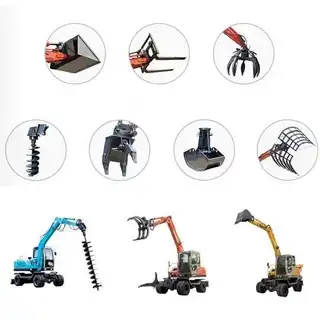
Attachment Integration & Quick Couplers: Advanced hydraulic and electronic interfaces for faster, safer attachment changes and expanded machine functionality.
-
Advanced Materials: Use of high-strength steel and composite materials to reduce weight while maintaining durability.
Global Market Drivers
-
Global Infrastructure Development: Government investments in transportation, energy, and urban infrastructure projects.
-
Mining & Resource Extraction Activities: Demand for large excavators in metal, coal, and aggregate mining operations.
-
Urbanization & Real Estate Construction: Growth in residential and commercial building projects, particularly in emerging economies.
-
Equipment Rental Market Growth: Increasing preference for equipment rental over ownership among contractors.
-
Replacement of Aging Fleets: Need to upgrade older, less efficient machines with newer, more productive models.
-
Stringent Emission Regulations: Environmental policies driving adoption of cleaner Tier 4 Final/Stage V compliant and electric machines.
-
Disaster Response & Rehabilitation: Use in post-disaster cleanup and reconstruction efforts.
Industry Value Chain
-
Raw Material Suppliers: Steel, aluminum, rubber, and electronic component manufacturers.
-
Component Manufacturers: Engine, hydraulic system, undercarriage, and cab suppliers.
-
Original Equipment Manufacturers: Companies that design, engineer, and assemble complete excavators.
-
Dealer/Distribution Networks: Regional and local dealers providing sales, parts, and service support.
-
Rental Companies: Large equipment rental fleets serving the contractor market.
-
Financing & Insurance Providers: Financial institutions offering equipment loans, leases, and insurance products.
-
End Users: Construction contractors, mining companies, utilities, government agencies, and rental customers.
Key Industry Challenges
-
Cyclical Market Demand: Vulnerability to economic downturns and construction industry cycles.
-
High Development Costs: Significant R&D investment required for new technologies and emissions compliance.
-
Intense Global Competition: Pressure from established multinationals and emerging market manufacturers.
-
Supply Chain Disruptions: Dependence on global component suppliers and vulnerability to material shortages.
-
Skilled Operator & Technician Shortage: Difficulty finding trained personnel to operate and maintain increasingly complex machines.
-
Price Sensitivity in Emerging Markets: Need to offer competitively priced products while maintaining quality standards.
-
Regulatory Compliance Complexity: Navigating diverse emissions, safety, and import regulations across different countries.
Future Outlook
The excavators industry is undergoing significant transformation driven by sustainability, technology integration, and changing customer needs.
-
Accelerated Electrification Transition: Rapid adoption of electric excavators in urban applications and regulated markets.
-
Increased Automation Levels: Gradual progression toward fully autonomous excavators for specific applications like mining and trenching.
-
Service & Solution-Based Models: Growth of machine-as-a-service offerings combining equipment, maintenance, and technology services.
-
Enhanced Data Utilization: Greater use of machine data for optimizing job site efficiency, project planning, and equipment utilization.
-
Modular & Customizable Designs: More flexible machine configurations tailored to specific applications and customer requirements.
-
Circular Economy Initiatives: Focus on remanufacturing, component reuse, and end-of-life recycling.
-
Regional Manufacturing Strategies: More localized production to address trade barriers and supply chain risks.