1. Industry Definition & Scope
The Slippers Industry encompasses the design, manufacturing, distribution, and retail of footwear specifically intended for indoor or casual use, characterized by an open-back construction for easy slip-on/off. It serves a dual purpose of providing foot protection, hygiene, and comfort within domestic, hospitality, and institutional environments, while also evolving as a fashion accessory within the loungewear and athleisure categories.
2. Major Product Categories
1. By Primary Material
-
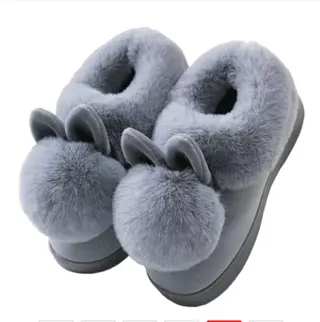
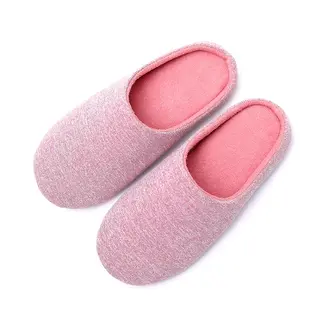
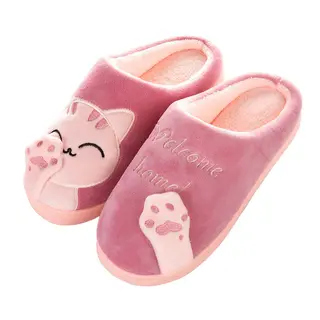
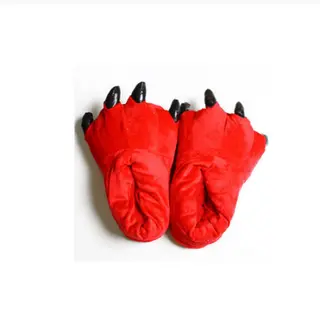
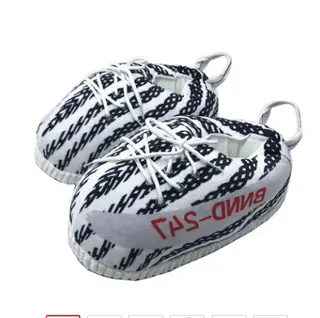
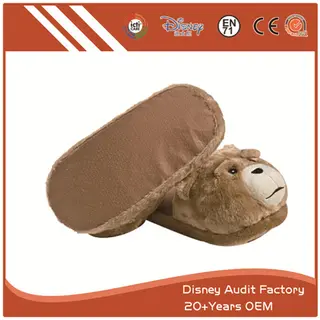
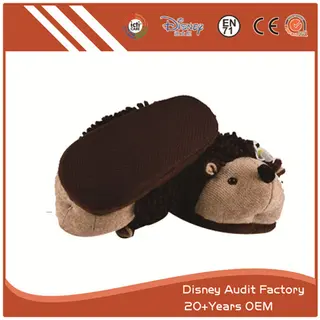
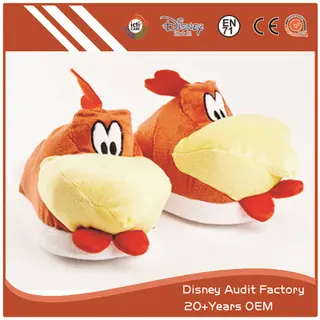
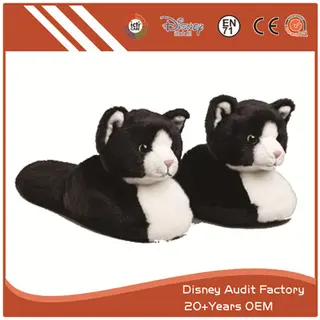
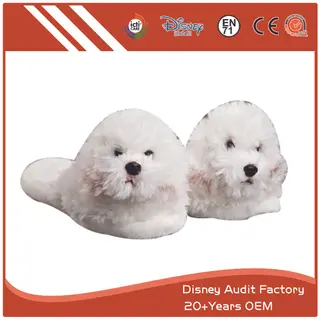
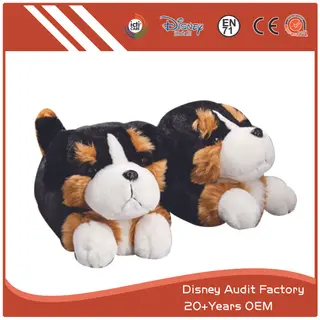
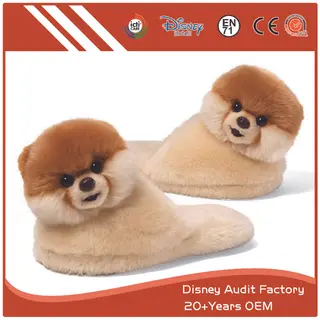
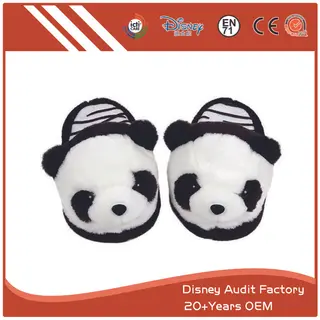
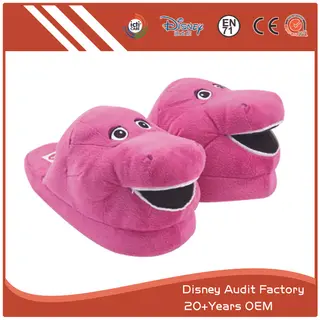
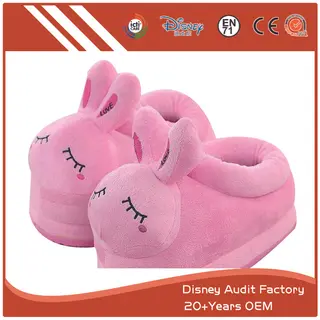
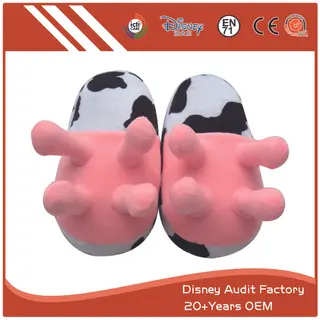
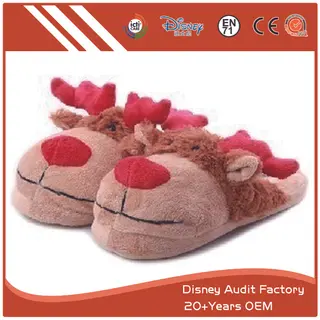
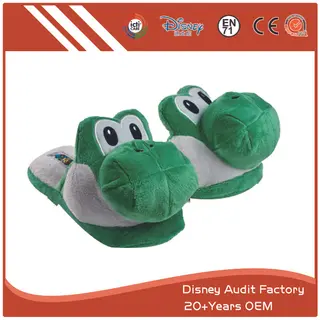
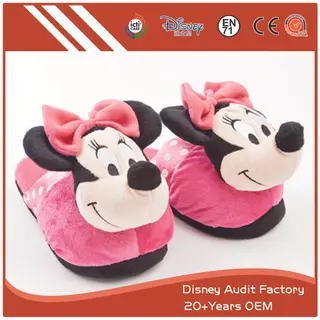
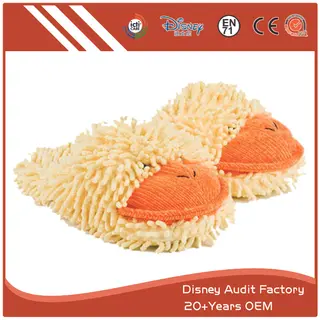
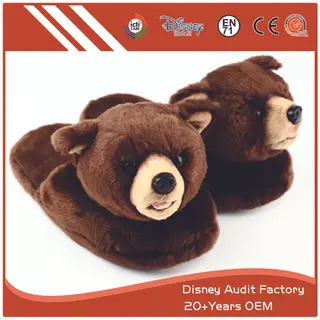
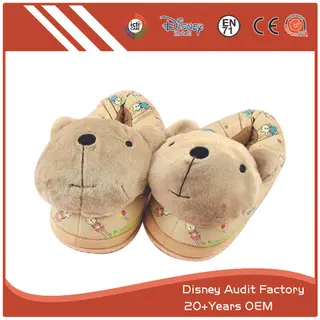
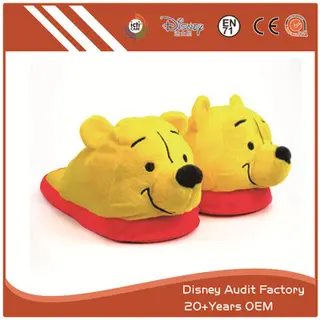
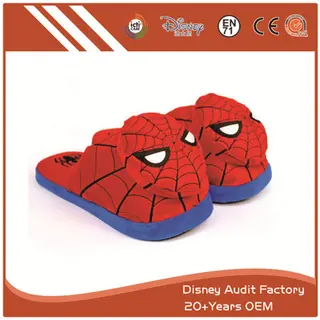
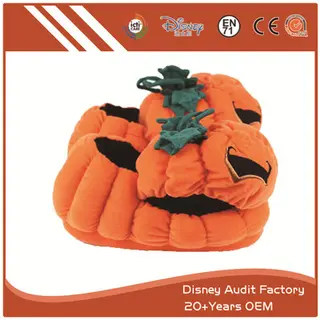
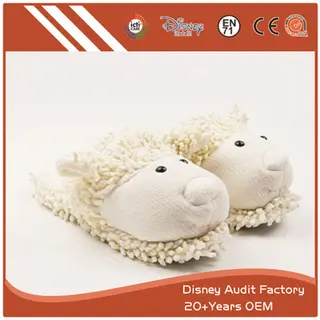
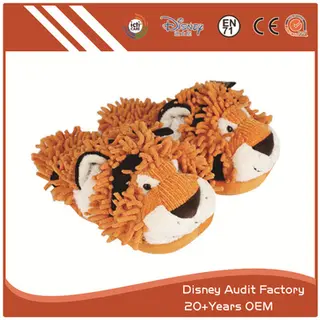
Fabric & Pile Slippers: Made from materials like cotton, terry cloth, velour, microfiber, and faux fur. Often lined and padded for warmth (e.g., winter booties).
-
Foam & Polymer Slippers: Utilizing EVA (Ethylene-Vinyl Acetate), memory foam, PVC, or rubber. Includes lightweight scuffs, clogs (e.g., "Crocs"-style), and molded sandals. Dominant in bathroom and spa settings.
-
Leather & Synthetic Leather Slippers: Offering a more structured, durable, and dress-casual appearance, often mimicking mules or loafers.
-
Natural Material Slippers: Incorporating wool (felted or knitted), cork, wood, or bamboo for specific aesthetics, breathability, or eco-appeal.
2. By Function & Use Case
-
Comfort/Everyday Slippers: Designed for general home wear, prioritizing softness, warmth, and cushioning.
-
Bath & Spa Slippers: Water-resistant, quick-drying, and feature non-slip soles. Often disposable or made from rubber/EVA.
-
Hospitality Slippers: Supplied by hotels, airlines, and spas. Typically lightweight, disposable (non-woven fabric/terry cloth), or basic reusable models.
-
Recovery & Medical Slippers: Designed with features like adjustable closures, extra-wide fits, heel protection, and rigid soles for post-surgery or mobility assistance.
-
Fashion & Outdoor-Crossover Slippers: Blurring lines with sandals or mules, suitable for brief outdoor use (e.g., retrieving mail, patio). Emphasize design trends, colors, and materials.
3. By Consumer Segment
-
Adults (Men/Women/Unisex): The core market, with segmentation by style, color, and size.
-
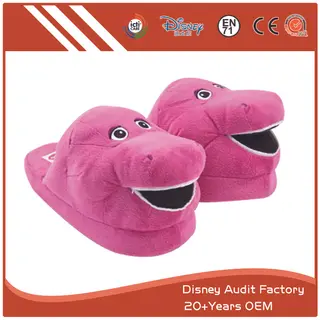
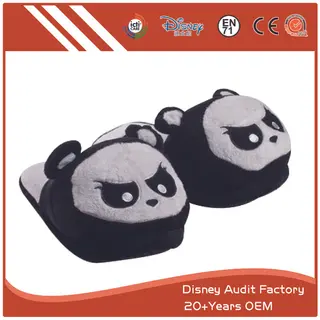
Children & Infants: Focus on safety (non-slip soles, secure fit), playful designs, and often machine-washable materials.
-
Specialty Markets: Including maternity slippers (with support), diabetic slippers (seamless interiors, protective design), and heated slippers for extreme cold.
3. Industry Chain Structure
Upstream:
-
Raw Material Suppliers: Producers of textiles, synthetic fibers, leather, rubber, EVA/polymer compounds, memory foam, and adhesives.
-
Component Manufacturers: Makers of soles, insoles, non-slip coatings, trims (bows, beads), and packaging.
Midstream:
-
Design & Product Development: In-house teams or independent designers creating seasonal collections.
-
Manufacturers & OEMs/ODMs:
-
Large-scale factories (often in Asia) producing for global brands.
-
Specialized workshops for handcrafted or premium segments.
-
-
Quality Control & Compliance Testing: Ensuring adherence to safety (slip resistance, flammability), performance, and chemical standards (e.g., REACH, CPSIA).
Downstream:
-
Brand Owners: Ranging from global conglomerates and fashion houses to niche DTC (Direct-to-Consumer) brands.
-
Distributors & Wholesalers: Serving B2B markets like hotels, hospitals, and corporate gifts.
-
Retail Channels:
-
Mass Merchandisers & Department Stores: For volume sales of basic to mid-range products.
-
Specialty Stores & Boutiques: For premium, design-focused, or therapeutic products.
-
E-commerce Platforms: A dominant channel offering vast selection and convenience (Amazon, brand websites, etc.).
-
-
End Consumers & Institutional Buyers: Households, hotels, healthcare facilities, corporations.
4. Key Market Dynamics & Characteristics
-
Seasonality: Strong demand peaks in Q4 (holiday gifting, winter) and Q3 (back-to-school, seasonal refresh).
-
Disposable vs. Durable Segment: Split between low-cost, frequently replaced items (hospitality, basic home use) and premium, longer-lasting purchases.
-
Fashion Influence: Increasingly influenced by broader footwear and apparel trends (colors, textures, minimalist vs. ornate styles).
-
Commodity vs. Differentiated Competition: Intense price competition at the low end vs. brand, design, technology, and marketing-driven competition at the mid-high end.
5. Development Trends
-
Premiumization & Wellness Focus:
-
Growth in products featuring ergonomic support (arch, heel), therapeutic materials (memory foam, gel, infrared), and health-oriented features (antibacterial linings, odor control).
-
-
Sustainability:
-
Use of recycled materials (PET bottles, rubber), bio-based polymers, and natural, biodegradable fibers.
-
Initiatives for product longevity, repairability, and take-back/recycling programs.
-
-
Smart Features & Personalization:
-
Integration of heated elements (battery/USB), step-tracking sensors, and temperature regulation.
-
Growth of customization options (monogramming, color choices).
-
-
Blurring of Categories:
-
Slippers designed for "indoors-outdoors" use with more durable soles.
-
Fashion-forward designs that can be worn as casual outerwear (e.g., designer mules, luxury slides).
-
-
Direct-to-Consumer (DTC) & Digital Marketing:
-
Rise of digitally-native brands using social media marketing, influencer partnerships, and data-driven design to reach consumers.
-
6. Major Challenges & Opportunities
Challenges:
-
Low Barriers to Entry & Price Sensitivity: Leads to market saturation and thin margins for undifferentiated products.
-
Supply Chain Volatility: Dependence on petrochemicals (for synthetics) and global logistics exposes the industry to cost and disruption risks.
-
Fast Fashion & Overconsumption: Contributes to environmental waste; pressure to reduce ecological footprint.
-
Counterfeit Products: Particularly for branded or designer styles.
Opportunities:
-
Aging Populations: Rising demand for comfortable, supportive, and easy-to-wear footwear in developed economies.
-
Growth of Home-Centric Lifestyles ("Homebody Economy"): Increased time spent at home post-pandemic boosts demand for quality loungewear and home comfort products.
-
E-commerce Expansion: Enables global reach for niche brands and facilitates direct customer relationships.
-
Innovation in Materials & Technology: Opportunity to create high-value products through functional and sustainable advancements.
-
Emerging Markets: Rising disposable incomes in developing regions drive market expansion for basic and aspirational products.