1. Industry Definition & Scope
The Toilets Industry is a specialized segment of the global sanitaryware and bathroom fixtures market, focused on the design, manufacturing, distribution, and sale of toilet bowls, tanks, and complete toilet systems for residential, commercial, and institutional use. It is a critical component of public health infrastructure, interior design, and water conservation efforts, blending functionality, aesthetics, and technology.
2. Major Product Categories
-
By Installation Type & Design:
-
Two-Piece Toilets: Separate tank and bowl, most common and cost-effective.
-
One-Piece Toilets: Tank and bowl molded into a single unit, easier to clean, more modern aesthetic.
-
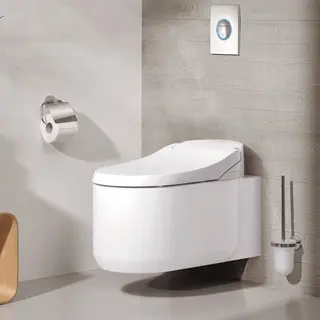
Wall-Hung Toilets: Mounted to the wall with a concealed tank or carrier system. Saves floor space, facilitates cleaning.
-
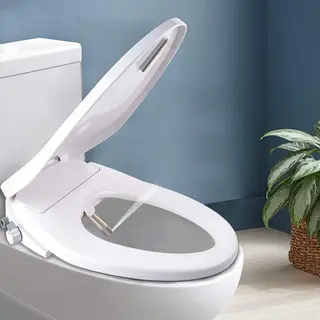
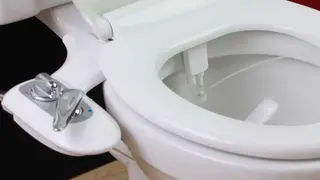
Smart Toilets/Integrated Toilet Systems: Incorporate bidet functions, heated seats, automatic flushing, air drying, deodorizers, and connectivity.
-
Composting & Waterless Toilets: For off-grid locations or extreme water conservation.
-
-
By Flushing Technology & Water Efficiency:
-
Gravity-Flush: Traditional, relies on water weight.
-
Pressure-Assist/Pressure-Assisted: Uses compressed air for a more powerful flush.
-
Dual-Flush: Offers two flush volumes (full and partial) for liquid/solid waste.
-
Washdown vs. Siphon Jet: Different trapway designs affecting performance and cleanability.
-
Ultra-Low Flush/High-Efficiency Toilets: Meeting stringent water consumption standards (e.g., 1.28 GPF or 4.8 LPF in the US).
-
-
By Application & Market:
-
Residential: For single-family homes and apartments.
-
Commercial: For offices, hotels, restaurants (higher durability, often sensor-operated).
-
Institutional/Public Restroom: For airports, schools, hospitals (heavy-duty, vandal-resistant, often made of stainless steel or specialized ceramics).
-
Luxury/Designer: High-end materials (special glazes, unique shapes), integrated technology.
-
-
By Material:
-
Vitreous China/Porcelain: The dominant material, durable and easy to clean.
-
Stainless Steel: For high-traffic public or industrial restrooms.
-
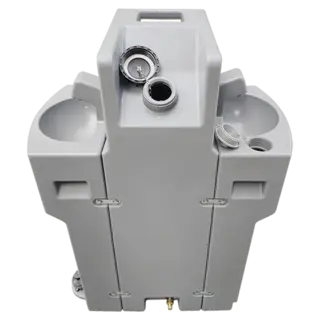
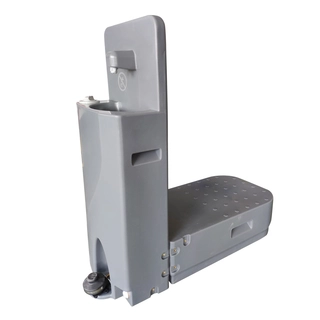
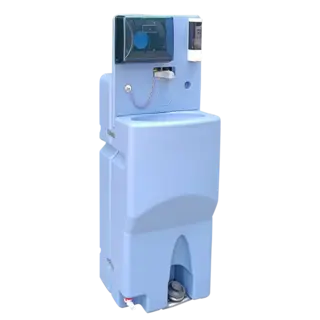
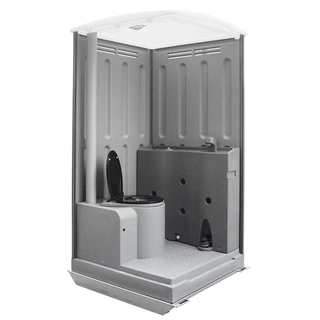
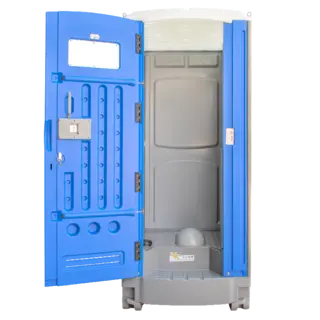
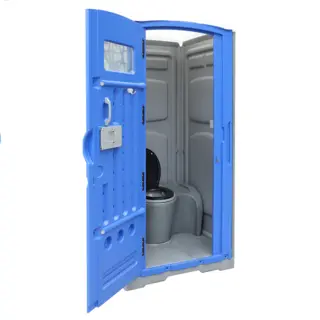
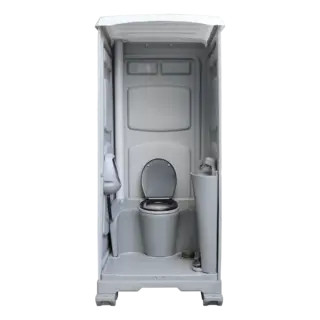
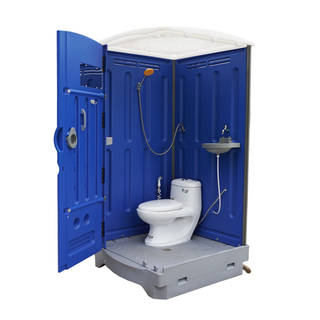
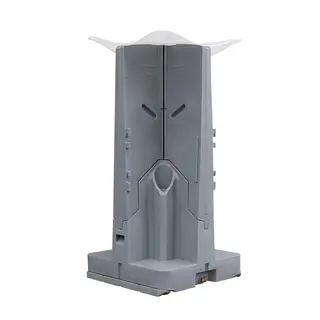
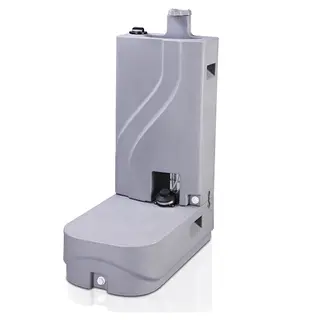
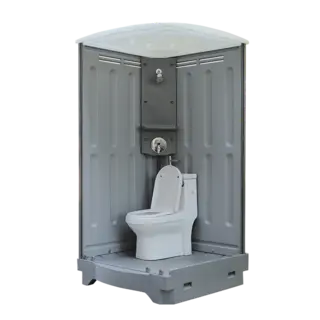
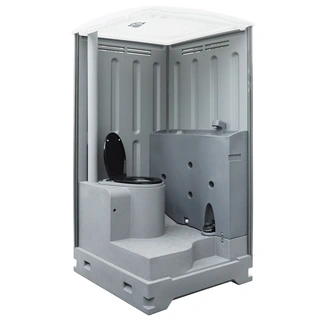
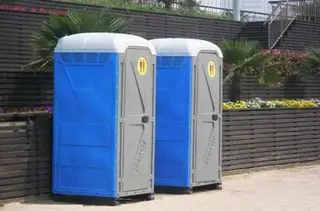
Plastic/Resin: For portable or temporary toilets.
-
Enameled Cast Iron: Less common today, but found in some historic or heavy-duty applications.
-
3. Industry Chain Structure
Upstream:
-
Raw Material Suppliers: Providers of clay (kaolin, ball clay), feldspar, silica (for ceramics), steel, plastics, electronic components (for smart toilets), glazes, and pigments.
-
Component & Fitting Suppliers: Manufacturers of flush valves, fill valves, seats (plastic, wood, soft-close), wax rings, and sensors.
Midstream:
-
Sanitaryware Manufacturers:
-
Global Giants: TOTO (Japan), LIXIL (including American Standard, GROHE, INAX), Kohler (USA), Geberit (Switzerland, known for concealed systems), Roca (Spain).
-
Regional & Local Producers: Numerous manufacturers worldwide, especially in China, India, and Turkey.
-
-
Production Process: Involves slip casting, drying, glazing, high-temperature firing (kilns), quality inspection, and assembly.
-
Private Label & Contract Manufacturing: For retailers and large plumbing wholesalers.
Downstream:
-
Distribution Channels:
-
Plumbing & Building Material Wholesalers: The primary B2B channel.
-
Home Improvement Retailers: Home Depot, Lowe's, B&Q.
-
Specialty Bath & Kitchen Showrooms: For high-end and designer products.
-
Online Retailers: Amazon, Wayfair, brand websites.
-
Direct to Builders/Developers: Large project sales.
-
-
Installation & Service: Licensed plumbers, contractors, and maintenance personnel.
-
End Users: Homeowners, businesses, property managers, government entities.
4. Key Market Dynamics & Characteristics
-
Replacement vs. New Construction Market: A significant portion of demand comes from remodeling and replacement in existing homes, alongside new residential and commercial construction.
-
Strong Regulation & Standards: Heavily influenced by water efficiency standards (WaterSense in the US, EU Ecodesign), building codes, and accessibility guidelines (ADA in the US).
-
Durability & Long Product Lifecycles: Toilets are durable goods, purchased infrequently, making brand reputation and perceived quality critical.
-
Aesthetic Trends: Influenced by interior design trends (minimalism, color, matte finishes) and bathroom layout preferences.
-
Health, Hygiene & Wellness Focus: A major driver for smart toilet adoption and improved sanitary design.
5. Development Trends
-
Smart Technology & Hygiene Integration:
-
Proliferation of smart toilets with personalized settings, health monitoring sensors (e.g., analyzing urine), and integration with smart home systems.
-
Touchless/automatic operation (flush, lid, seat) becoming standard in commercial and moving into residential.
-
-
Water Conservation & Sustainability:
-
Ongoing R&D for even more efficient flushing technologies that use less water without sacrificing performance.
-
Use of recycled materials in ceramics and components.
-
Design for durability and reparability to extend product life.
-
-
Design Innovation & Customization:
-
Slimmer profiles, hidden trapways, integrated lighting.
-
Custom colors, textures, and finishes to match bathroom decor.
-
Growth of wall-hung toilets for a cleaner, minimalist look.
-
-
Improved Sanitation & Accessibility:
-
Antimicrobial glazes and self-cleaning surfaces.
-
Better designs for easy cleaning (rimless bowls).
-
Ergonomic designs for aging populations (comfort height, support bars integration).
-
-
Direct-to-Consumer & Omnichannel Sales:
-
Brands improving online presence with 3D visualization tools, detailed specs, and installation guides to facilitate consumer research and purchase.
-
6. Major Challenges & Opportunities
Challenges:
-
Commoditization at Low End: Intense price competition on basic models, especially from high-volume manufacturers.
-
High Logistics Costs: Ceramics are bulky, heavy, and fragile, making transportation expensive.
-
Skilled Labor Shortage: Shortage of installers (plumbers) can constrain market growth.
-
Consumer Resistance to New Technology: Overcoming hesitancy regarding smart toilet cost, complexity, and perceived need.
-
Raw Material & Energy Cost Volatility: Especially for natural gas used in firing kilns.
Opportunities:
-
Global Urbanization & Infrastructure Development: Massive demand in emerging markets for basic sanitation and in developed markets for upgrades.
-
Aging-in-Place Renovations: Growing market for accessible and easy-to-use bathroom fixtures.
-
Wellness & Premiumization: Consumers investing more in bathroom as a personal wellness space, driving smart and luxury toilet sales.
-
Water Scarcity Regulations: Creating a continuous market for high-efficiency replacements and innovations.
-
Aftermarket & Service Revenue: For smart toilets, recurring revenue from maintenance, filter replacements, and software services.