Industry Definition & Scope
The solar energy products industry encompasses the research, development, manufacturing, distribution, and integration of technologies that convert sunlight into usable forms of energy, primarily electricity and heat. This dynamic industry includes both hardware components and integrated systems designed for residential, commercial, industrial, and utility-scale applications. It is a cornerstone of the global transition toward renewable energy, driven by technological innovation, cost reduction, and climate policy.
Key Product Categories
By Energy Conversion Type:
-
Solar Photovoltaic (PV) Products: Devices that convert sunlight directly into electricity using the photovoltaic effect.
-
Solar PV Modules/Panels: The primary electricity-generating components, including monocrystalline, polycrystalline, thin-film (CdTe, CIGS), and advanced technologies (TOPCon, HJT, IBC).
-
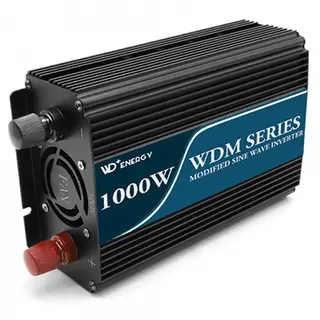
Balance of System Components: Inverters (string, micro, hybrid), mounting systems (rooftop, ground-mount, tracking), wiring, connectors, and combiners.
-
Solar PV Systems: Fully integrated packages for specific applications, such as rooftop kits, off-grid systems, and solar carports.
-
-
Solar Thermal Products: Systems that capture sunlight to generate heat for water or space heating.
-
Solar Water Heating Systems: Collectors (flat-plate, evacuated tube), storage tanks, and circulation pumps for domestic or commercial hot water.
-
Solar Space Heating Systems: Larger-scale thermal systems for building heating.
-
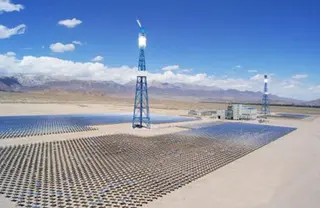
Concentrated Solar Power (CSP): Utility-scale systems that use mirrors or lenses to concentrate sunlight to drive steam turbines for electricity generation (e.g., parabolic troughs, solar power towers).
-
By Application & Scale:
-
Residential Rooftop Systems: Products and kits designed for installation on single-family homes.
-
Commercial & Industrial Systems: Larger rooftop or ground-mounted systems for businesses, factories, and warehouses.
-
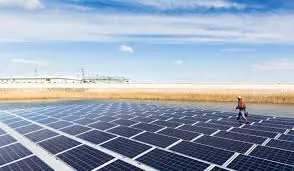
Utility-Scale Power Plants: Massive ground-mounted solar farms that feed electricity directly into the grid.
-
Off-Grid & Portable Power Products: Solar chargers, portable panels, solar-powered lights, and small systems for remote locations, camping, or emergency power.
-
Building-Integrated Photovoltaics (BIPV): Products where solar elements are part of the building structure (solar roof tiles, façade elements, skylights).
-
Solar-Powered Consumer Electronics: Garden lights, phone chargers, backpacks with integrated panels, and other niche products.
Technology & Innovation Trends
-
High-Efficiency Cell & Module Technology: Continuous R&D pushing the boundaries of conversion efficiency with advanced cell architectures (TOPCon, HJT, perovskite-silicon tandems).
-
Smart Solar & Digitalization: Integration of IoT sensors, AI-driven monitoring, and advanced grid-management capabilities into inverters and systems for optimized performance, predictive maintenance, and grid services.
-
Energy Storage Integration: Seamless coupling of solar PV with battery storage systems (like lithium-ion) to enable self-consumption, backup power, and time-of-use arbitrage, creating "solar-plus-storage" solutions.
-
Bifacial Modules: Panels that generate power from both sides, increasing energy yield, particularly in ground-mounted installations with reflective surfaces.
-
Agrivoltaics & Floating PV: Dual-use applications combining solar energy generation with agriculture (crop cultivation underneath elevated arrays) or with water bodies (floating solar farms on reservoirs/lakes).
-
Advanced Manufacturing & Sustainability: Larger wafer formats (M10, G12), reduction of silver consumption, recycling initiatives for end-of-life panels, and efforts to lower the carbon footprint of manufacturing.
Global Market Drivers
-
Falling Levelized Cost of Electricity: Solar PV has become one of the most cost-competitive sources of new electricity generation in most parts of the world.
-
Government Policies & Incentives: Support mechanisms such as tax credits (e.g., U.S. Investment Tax Credit), feed-in tariffs, net metering, and renewable portfolio standards.
-
Corporate Sustainability Goals: RE100 commitments and ESG (Environmental, Social, and Governance) investing driving massive corporate procurement of solar power through Power Purchase Agreements (PPAs) and on-site installations.
-
Energy Security & Independence: Rising demand from homeowners and businesses to reduce grid dependence, hedge against volatile electricity prices, and ensure backup power.
-
Electrification of Transportation & Heating: Growth of electric vehicles and heat pumps increases overall electricity demand, amplifying the need for clean generation sources like solar.
-
Global Climate Commitments: National net-zero targets under international agreements (e.g., Paris Agreement) mandating rapid decarbonization of the power sector.
Industry Value Chain
-
Raw Material & Polysilicon Production: Mining and processing of quartz into high-purity polysilicon, the base material for most solar cells.
-
Manufacturing of Components: Production of ingots/wafers, solar cells, PV modules, inverters, trackers, and mounting systems.
-
System Integration & Engineering, Procurement, and Construction: Companies that design, procure components for, and build complete solar power plants or rooftop systems.
-
Distribution & Sales: Wholesalers, distributors, and sales channels serving installers, EPC firms, and direct consumers.
-
Installation & Service: Network of licensed installers, electricians, and maintenance providers.
-
Project Development, Financing & Asset Management: Developers who secure permits and land, financiers (banks, funds), and operators who manage solar assets long-term.
-
End Users: Homeowners, businesses, utilities, and governments.
Key Industry Challenges
-
Supply Chain Volatility & Geopolitics: Price fluctuations and supply constraints for critical materials (polysilicon, silver) and components, influenced by trade policies and geopolitical tensions.
-
Grid Integration & Interconnection Queues: As penetration increases, challenges arise in managing solar's variability and connecting new projects to often-congested grids.
-
Land Use & Permitting Conflicts: Securing suitable land for utility-scale projects and navigating complex, lengthy local permitting processes for all system sizes.
-
Recycling & End-of-Life Management: Establishing cost-effective, scalable recycling infrastructure for the anticipated wave of decommissioned solar panels in the coming decades.
-
Intermittency & The Need for Flexibility: The non-dispatchable nature of solar requires complementary investments in storage, transmission, and demand-side management to ensure grid reliability.
Future Outlook
The solar energy products industry is poised for sustained exponential growth, transitioning from a niche alternative to a mainstream energy source.
-
Dominance in New Power Capacity: Solar is expected to account for the majority of annual global new electricity generation capacity additions.
-
Ubiquitous Integration: Solar will become deeply integrated into the built environment (BIPV), infrastructure (highways, sound barriers), and agriculture (agrivoltaics).
-
Hydrogen Production: Large-scale solar PV will play a key role in producing low-cost green hydrogen via electrolysis.
-
Hyper-Local & Community Solar: Growth of shared solar models and microgrids that allow broader participation and enhance local resilience.
-
Fully Digitalized Asset Lifecycle: From AI-optimized system design to blockchain-enabled peer-to-peer energy trading and automated O&M.