1. Industry Definition & Scope
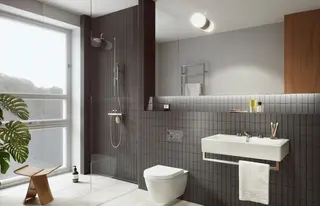
The Bathroom Industry is a comprehensive sector encompassing the design, manufacturing, distribution, installation, and retail of all products, fixtures, finishes, and accessories used in the construction, renovation, and furnishing of residential and commercial bathrooms and washrooms. It sits at the intersection of construction, interior design, home improvement, and wellness, blending functionality, aesthetics, technology, and personal care.
2. Major Product Categories
-
Ceramic Sanitaryware (The Core):
-
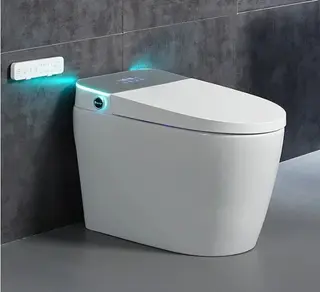
Toilets: One-piece, two-piece, wall-hung, smart toilets.
-
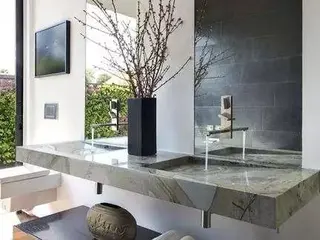
Washbasins: Countertop, undercounter, pedestal, wall-hung, vanity basins.
-
Bidets.
-
Urinals.
-
Bathtubs: Acrylic, cast iron, stone resin, freestanding, drop-in.
-
-
Faucets, Taps & Fittings (The Plumbing Brassware):
-
Basin mixers, bath fillers, shower mixers, kitchen mixers.
-
Exposed and concealed valves.
-
Widespread, center-set, single-hole configurations.
-
-
Showering Solutions:
-
Shower Enclosures & Doors: Framed, frameless, pivot, sliding.
-
Shower Trays/Bases: Stone resin, acrylic.
-
Shower Heads & Systems: Fixed, hand-held, rain showers, digital/thermostatic mixers, complete shower panels.
-
-
Bathroom Furniture & Storage:
-
Vanity Units: With integrated basins.
-
Bathroom Cabinets: Wall-mounted, mirrored.
-
Shelving, Towel Rails/Rings, Toilet Brush Holders.
-
-
Accessories & Finishes:
-
Mirrors (simple, illuminated, smart), soap dispensers, towel warmers/radiators, toilet paper holders, robe hooks.
-
Tiles (ceramic, porcelain, natural stone), wall panels, flooring.
-
-
Lighting & Ventilation:
-
Bathroom-specific light fixtures (IP-rated).
-
Exhaust fans and ventilation systems.
-
3. Industry Chain Structure
Upstream:
-
Raw Material Suppliers: Providers of clays and minerals (for ceramics), metals (brass, stainless steel, aluminum), plastics (acrylic, PVC), glass, wood, quartz/stone.
-
Component & Fitting Suppliers: Manufacturers of valves, cartridges, shower hoses, glass panels, motors (for towel warmers), LED lights, electronic controls.
Midstream:
-
Manufacturers & Brand Owners:
-
Global Integrated Giants: LIXIL (American Standard, GROHE, INAX), Kohler, TOTO, Masco (Delta, Hansgrohe), Geberit, Roca.
-
Specialty & Luxury Brands: Duravit, Villeroy & Boch, Dornbracht, Gessi.
-
Private Label & OEM Factories: Often based in manufacturing hubs like China, supplying to retailers and other brands.
-
-
Design & R&D: Focus on water efficiency, material innovation, and user-centric design.
Downstream:
-
Distribution Channels:
-
Wholesalers & Distributors: Supply to retailers and trade professionals.
-
Specialty Bathroom & Tile Showrooms: High-touch, design-focused retail.
-
Home Improvement Mega-Stores: Home Depot, Lowe's, B&Q for DIY and pro-sumers.
-
Kitchen & Bathroom Dealers/Contractors: Often involved in design and installation.
-
E-commerce & Online Retailers: Pure players (Wayfair) and brand-direct sites.
-
Direct to Builders/Developers: For large housing projects.
-
-
Installation & Service: Licensed plumbers, electricians, tilers, bathroom fitters.
-
End Users: Homeowners, landlords, hotel/resort operators, commercial property developers, architects, interior designers.
4. Key Market Dynamics & Characteristics
-
Strong Link to Housing & Construction: Highly cyclical, dependent on new home construction and home renovation/remodeling activity (R&R).
-
Renovation-Driven Demand: A significant portion of sales comes from bathroom remodeling projects, which are less cyclical than new construction.
-
Premiumization & Experience Focus: The bathroom is increasingly viewed as a personal spa and wellness retreat, driving demand for premium, luxurious, and technologically advanced products.
-
Stringent Regulations: Governed by water efficiency standards (WaterSense, WELL), building codes, safety standards (electrical, slip resistance), and accessibility guidelines (ADA).
-
Style & Fashion Sensitivity: Subject to strong interior design trends (colors, finishes like matte black or brushed gold, minimalist vs. classic styles).
-
Long Purchase Cycles & High-Involvement: Consumers invest heavily and infrequently, making brand reputation, quality perception, and design advice critical.
5. Development Trends
-
Wellness & Spa-Like Experiences:
-
Growth of steam showers, chromotherapy lighting, and multi-sensory shower systems.
-
Incorporation of natural materials (wood, stone) and biophilic design principles.
-
-
Smart & Connected Bathrooms:
-
Smart mirrors with displays, anti-fog, and lighting control.
-
Digital showers with precise temperature/pressure memory and voice/app control.
-
Smart toilets with health monitoring sensors.
-
Leak detection systems and automated water shut-off.
-
-
Water & Energy Efficiency (Sustainable Bathrooms):
-
Ultra-low flow toilets and faucets that maintain performance.
-
Greywater recycling systems and water-saving showerheads.
-
Energy-efficient LED lighting and low-energy towel warmers.
-
-
Accessibility & Universal Design (Aging-in-Place):
-
Barrier-free showers, comfort-height toilets, grab bars integrated into design.
-
Products designed for users of all ages and abilities.
-
-
Customization & Personalization:
-
Customizable vanity configurations and modular storage.
-
Wide selection of finishes, colors, and textures for faucets and hardware.
-
Growth of digital design tools for virtual bathroom planning.
-
6. Major Challenges & Opportunities
Challenges:
-
Economic Sensitivity: Vulnerable to downturns in the housing market and consumer discretionary spending.
-
High Logistics & Inventory Costs: Products are heavy, bulky, and fragile.
-
Skilled Labor Shortage: Lack of qualified installers (plumbers, tilers) can delay projects and constrain market growth.
-
Intense Competition & Price Pressure: Especially in the mid-to-low market segments and from online channels.
-
Rapidly Evolving Consumer Tastes: Difficulty in forecasting and managing inventory for trend-driven products.
Opportunities:
-
Aging Housing Stock & Renovation Wave: In many developed countries, a large number of homes have outdated bathrooms needing upgrade.
-
Home as a Sanctuary Trend: Post-pandemic focus on improving home environments, with bathrooms as a key area of investment.
-
Growth in Emerging Markets: Rising middle-class and urbanization in Asia, Africa, and Latin America driving first-time bathroom modernization.
-
Technology Integration: High-margin opportunities in selling integrated smart bathroom ecosystems.
-
Sustainability as a Differentiator: Leading with water-saving, energy-efficient, and durable products that appeal to eco-conscious consumers and comply with future regulations.