1. Industry Definition & Scope
The Portable Toilets Industry involves the manufacturing, rental, servicing, and waste management of self-contained, temporary sanitation facilities designed for use at locations lacking permanent plumbing infrastructure. It is a critical service sector supporting construction, outdoor events, disaster relief, and public health initiatives by providing accessible, hygienic, and environmentally compliant sanitation solutions.
2. Major Product Categories
-
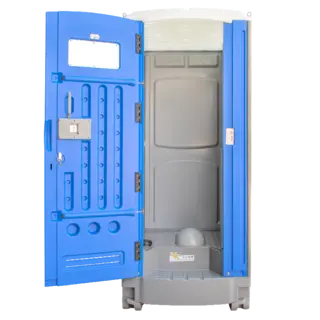
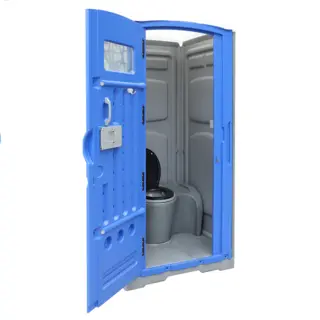
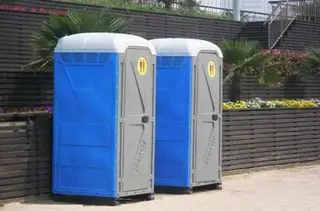
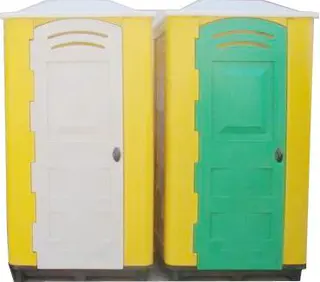
Standard Portable Toilets (Port-a-Potties):
-
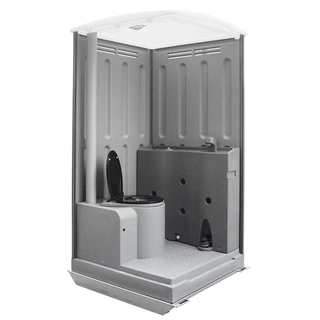
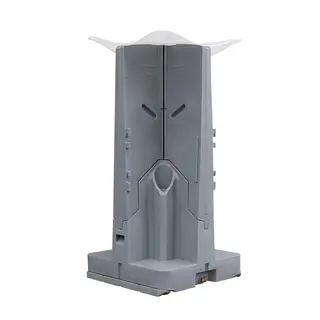
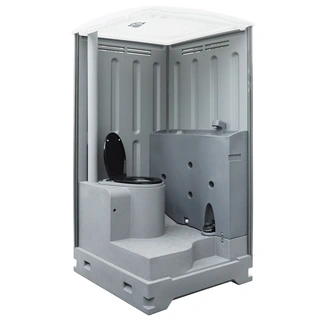
Basic single-unit plastic cabins with a holding tank, toilet seat, urinal, and chemical deodorizer.
-
-
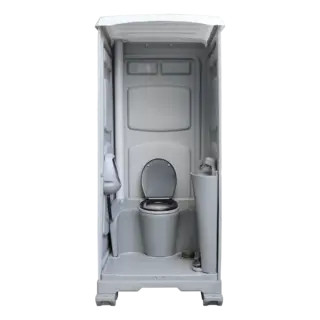
Deluxe/Executive Units:
-
Enhanced models with hand sanitizer dispensers, mirrors, improved ventilation, and sometimes solar-powered lighting.
-
-
ADA-Compliant Accessible Units:
-
Larger units with wheelchair ramps, grab bars, and increased interior space to meet Americans with Disabilities Act (or local equivalent) standards.
-
-
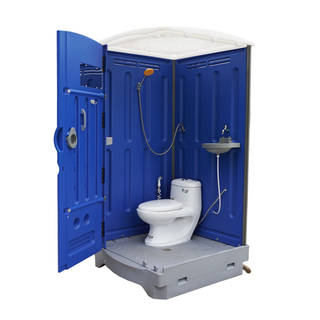
Flushable Portable Toilets:
-
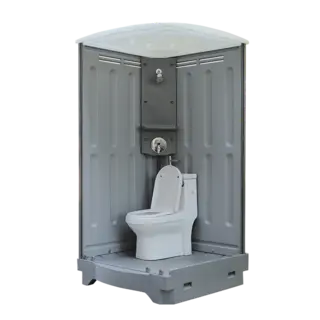
Equipped with a freshwater tank for flushing and a separate waste tank, offering a more familiar restroom experience.
-
-
High-Rise/Construction Trailers:
-
Multi-stall restroom and shower trailers with internal plumbing, sinks, and separate male/female facilities, commonly used on large, long-term construction sites or film sets.
-
-
Specialty Units:
-
Shower Trailers: For remote worksites or extended outdoor events.
-
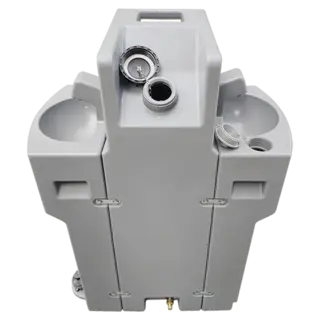
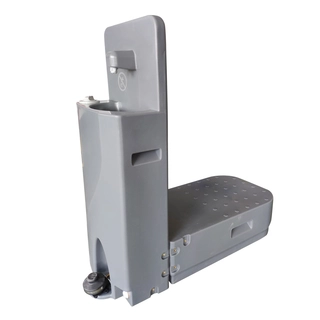
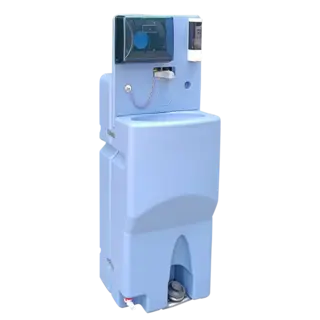
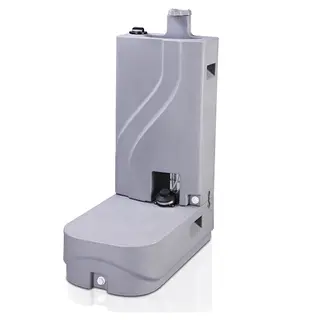
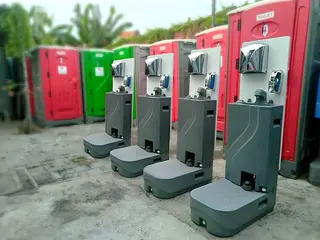
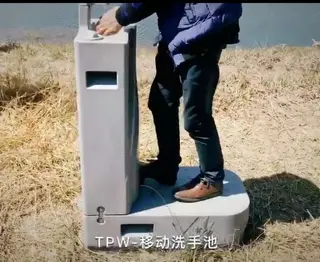
Handwashing Stations: Standalone or attached units with water tanks and soap dispensers.
-
VIP/Event Suites: Luxuriously appointed trailers with air conditioning, porcelain fixtures, and vanity areas for high-end events.
-
Incinerating & Waterless Toilets: For extreme environments or areas with stringent waste disposal regulations.
-
3. Industry Chain Structure
Upstream:
-
Manufacturers: Companies that mold the plastic cabins (typically from polyethylene), fabricate trailers, and produce related components (tanks, vents, doors, locks).
-
Raw Material & Chemical Suppliers: Providers of plastics/resins, steel, cleaning agents, deodorizing chemicals, and biodegradable blue fluid.
-
Chassis & Trailer Manufacturers: For towable restroom and shower trailers.
Midstream:
-
Rental & Service Companies: The core of the industry. They purchase units, maintain a fleet, handle logistics (delivery, placement, pickup), and perform regular servicing (pumping waste, cleaning, restocking supplies).
-
Major Players: United Site Services (USS), Sunbelt Rentals (part of Ashtead Group), Satellite Industries (also a manufacturer).
-
-
Distributors/Dealers: Entities that sell portable toilets to smaller rental operators or end-users who wish to own units.
Downstream:
-
End-User Markets:
-
Construction: The largest market segment.
-
Special Events: Music festivals, fairs, sporting events, weddings.
-
Municipal & Government: For public parks, emergency response, and public works projects.
-
Film & Television Production.
-
Residential: For home renovations or as a temporary solution.
-
-
Waste Disposal & Treatment: Service companies transport collected waste to approved wastewater treatment plants or dump stations. Compliance with environmental regulations is paramount.
-
Support Services: Logistics coordination, site planning, and 24/7 emergency service providers.
4. Key Market Dynamics & Characteristics
-
Highly Service-Oriented: Success depends as much on reliable, timely delivery, servicing, and customer service as on the physical product.
-
Event-Driven & Cyclical Demand: Heavily influenced by the construction season (weather-dependent) and the calendar of outdoor events (summer festivals, county fairs).
-
Regulation-Intensive: Governed by health department codes, environmental protection laws regarding waste disposal, and accessibility mandates (e.g., ADA ratios for events).
-
Asset-Intensive & Logistics-Heavy: Requires significant capital investment in fleet units and service trucks (vacuum trucks/ "honey wagons"). Route optimization for servicing is a key operational challenge.
-
Consolidation Trend: The market has seen consolidation as major national rental companies acquire regional operators.
5. Development Trends
-
Technology Integration for Operations:
-
Use of GPS and IoT sensors in units to monitor fill levels in real-time, enabling predictive and efficient servicing ("just-in-time" pumping) rather than scheduled routes.
-
Software platforms for fleet management, route optimization, and customer billing.
-
-
Enhanced Hygiene & User Experience:
-
Increased demand for touchless features (automatic flushes, no-touch soap dispensers) post-pandemic.
-
Improved ventilation systems and anti-microbial surfaces.
-
Growth in popularity of flushable trailers for events seeking to elevate guest comfort.
-
-
Sustainability & Environmental Focus:
-
Development of more eco-friendly, biodegradable deodorizing and waste-treatment chemicals.
-
Use of solar panels to power interior lights and ventilation fans.
-
Waste-to-Energy exploration and improved water recycling systems in advanced trailers.
-
-
Modular & Rapid Deployment Solutions:
-
Design of units that can be more easily transported and interconnected for large-scale temporary installations (e.g., disaster relief camps).
-
-
Market Expansion into New Sectors:
-
Growing use for homelessness intervention programs and in urban areas to address public sanitation challenges.
-
6. Major Challenges & Opportunities
Challenges:
-
Labor Intensity & Driver Shortages: Finding and retaining CDL-licensed drivers for service trucks is a persistent challenge.
-
Fluctuating Demand & Seasonality: Managing cash flow and fleet utilization during off-peak seasons (winter in many regions).
-
Environmental Liability & Compliance: Risk and cost associated with proper waste handling and accidental spills.
-
High Fuel & Maintenance Costs: Impacting the profitability of logistics and servicing operations.
-
Negative Public Perception: Overcoming the stigma associated with "porta-potties" through improved product design and cleanliness.
Opportunities:
-
Infrastructure Investment Cycles: Government spending on construction and public works directly drives demand.
-
Growth of the Experience Economy: Expansion of outdoor music festivals, food festivals, and large-scale public gatherings.
-
Disaster Preparedness & Response: An essential service for FEMA and other relief agencies, representing a stable, if unpredictable, contract segment.
-
Technological Efficiency Gains: IoT and data analytics offer significant opportunities to reduce operational costs and improve service quality.
-
Urban Sanitation Initiatives: Partnerships with cities to install and maintain portable public restrooms in high-need areas.