1. Industry Definition & Scope
The Hooks Industry refers to the design, manufacturing, distribution, and sale of hardware and fastening devices primarily intended for hanging, suspending, securing, or organizing objects. It is a crucial component within the broader hardware, home improvement, industrial supply, and outdoor/leisure sectors. The industry serves a diverse range of applications, from microscopic hooks in biomedical devices to massive lifting hooks in heavy industry, making it ubiquitous yet often overlooked.
2. Major Product Categories
-
By Material & Manufacturing Process:
-
Metal Hooks: The largest category.
-
Steel Hooks: Common, strong, often zinc-plated or coated for corrosion resistance. (e.g., S-hooks, cup hooks, utility hooks).
-
Stainless Steel Hooks: For high corrosion resistance (marine, food processing, medical).
-
Aluminum Hooks: Lightweight, corrosion-resistant (e.g., for lightweight outdoor gear).
-
Brass/Bronze Hooks: Decorative and corrosion-resistant for marine use.
-
-
Plastic/Polymer Hooks:
-
Injection Molded Hooks: Low-cost, for lightweight household organization (e.g., adhesive hooks, over-door hooks).
-
Engineered Plastic Hooks: High-strength polymers like nylon or PEEK for specific industrial or chemical-resistant uses.
-
-
Composite & Coated Hooks: Metal hooks with specialized coatings (e.g., PVC-dipped for tool hanging, rubberized for non-slip).
-
-
By Primary Function & Application:
-
Home & Office Organization:
-
Adhesive Hooks: Removable, temporary mounting.
-
Over-the-Door Hooks: For towels, robes, bags.
-
Wall Hooks (Screw-in/Anchor): For coats, keys, pictures, plants.
-
Utility & Tool Hooks: For garages, sheds, pegboards.
-
-
Industrial & Commercial:
-
Lifting & Rigging Hooks: For cranes, hoists, slings. Includes safety latches.
-
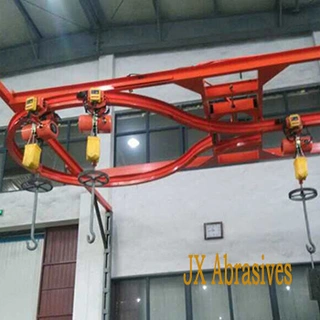
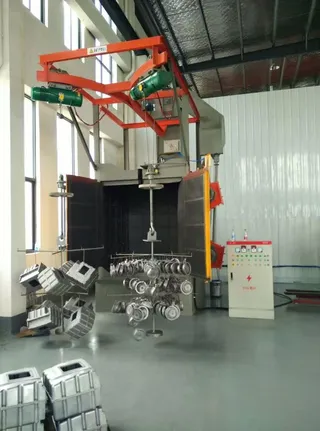
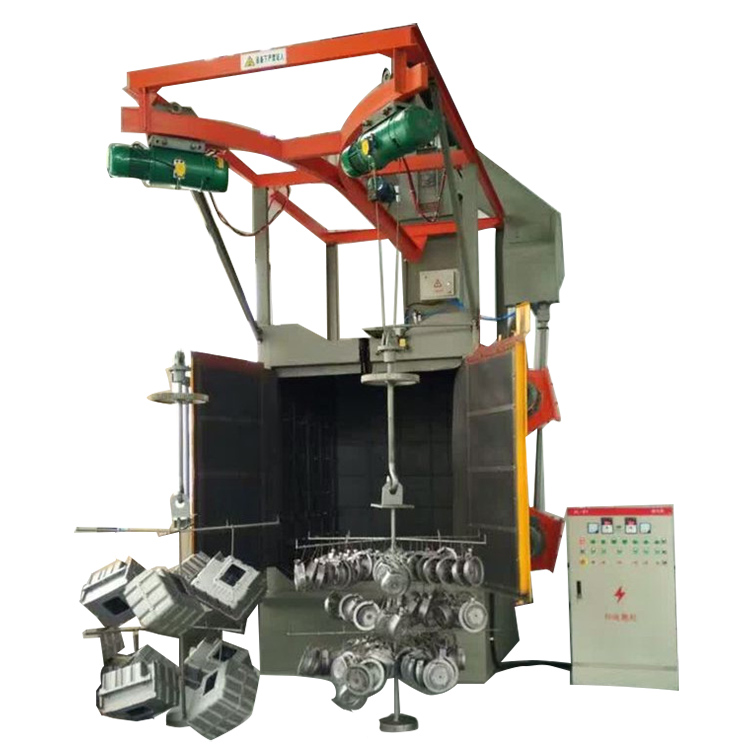
Conveyor Hooks: For material handling in processing lines.
-
Retail Display Hooks: Peg hooks, J-hooks, basket hooks for merchandising.
-
-
Outdoor & Recreational:
-
Fishing Hooks: A vast sub-industry with countless types (J-hooks, circle hooks, treble hooks).
-
Climbing & Safety Hooks: Carabiners (a specialized hook with a gate).
-
Towing & Recovery Hooks: For vehicles and trailers.
-
Camping/Gear Hooks: For backpacks, tents, hammocks.
-
-
Specialized & Niche:
-
Medical/Surgical Hooks: Retractors, specialized holding devices.
-
Agricultural Hooks: Meat hooks, bale hooks.
-
Textile & Apparel Hooks: Bra hooks, dress hooks, coat hooks.
-
-
3. Industry Chain Structure
Upstream:
-
Raw Material Suppliers: Steel mills, aluminum producers, plastic resin manufacturers, specialty wire and rod producers.
-
Process Material Suppliers: Providers of plating chemicals (zinc, chrome), paints, powder coatings, and adhesives (for adhesive-backed hooks).
Midstream:
-
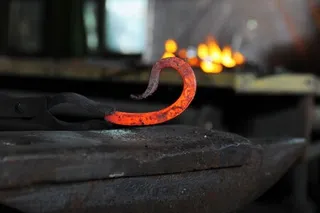
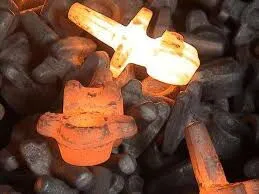
Component & Hook Manufacturers: Facilities that wire-form, stamp, forge, cast, mold, machine, and finish hooks. These range from highly automated factories for standard hooks to specialized workshops for custom or precision hooks.
-
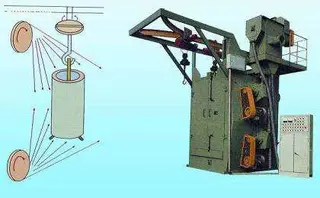
Finishing & Coating Specialists: Companies providing plating, galvanizing, powder coating, or PVC dipping services to enhance durability and appearance.
-
Quality Control & Testing Labs: Critical for load rating, fatigue testing, corrosion resistance verification, and safety certification (e.g., for lifting hooks per ASME B30.10).
Downstream:
-
Distributors & Wholesalers: Industrial supply companies (e.g., Fastenal, Grainger), hardware wholesalers, and fishing tackle distributors.
-
Brand Owners & Integrators: Companies that may design hooks, brand them, and package them for retail or incorporate them into their own products (e.g., a shelving system company).
-
Retail Channels:
-
Home Improvement Stores: Home Depot, Lowe's.
-
Mass Merchandisers: Walmart, Target.
-
Specialty Retailers: Fishing tackle shops, climbing/outdoor stores, organization stores (The Container Store).
-
Online Marketplaces: Amazon, Alibaba.
-
-
End Users: DIY Consumers, Professional Contractors, Industrial Facilities, Fishermen, Climbers, Logistics Companies, Retailers.
4. Key Market Dynamics & Characteristics
-
High Volume, Low (Per-Unit) Cost: For many standard items, competition is fierce on price and manufacturing efficiency.
-
Critical Safety Component: In lifting, climbing, and towing applications, failure is catastrophic. This creates a high-barrier, quality-focused segment.
-
Fragmentation: The market is highly fragmented with many small to mid-sized specialized manufacturers alongside large industrial suppliers.
-
Driven by End-Use Sectors: Growth is tied to construction, home improvement trends, retail activity, fishing participation, and industrial output.
-
Innovation in Materials & Design: Especially in areas requiring weight reduction, corrosion resistance, or specific mechanical properties.
5. Development Trends
-
Smart & Integrated Organization Solutions:
-
Hooks becoming part of modular wall systems (e.g., slatwall, grid panels) with standardized connectors.
-
Development of "smart hooks" with embedded sensors for inventory tracking in warehouses or load monitoring.
-
-
Sustainability & Material Science:
-
Increased use of recycled metals and bio-based/recyclable plastics.
-
Development of more durable, environmentally friendly coatings to replace traditional chrome plating.
-
-
E-commerce & Customization:
-
Growth of online sales for specialty and bulk hooks, bypassing traditional distributors.
-
On-demand manufacturing and custom finishing for small batch orders facilitated by digital platforms.
-
-
Advanced Manufacturing:
-
Use of robotic wire-forming and AI-driven quality inspection to improve consistency and reduce costs in high-volume production.
-
-
Focus on User Experience & Design:
-
In the consumer space, hooks with better aesthetics, easier installation (e.g., improved adhesives), and multi-functional designs.
-
6. Major Challenges & Opportunities
Challenges:
-
Global Raw Material Price Volatility: Fluctuations in steel, aluminum, and polymer prices directly impact profitability.
-
Intense Low-Cost Competition: Pressure from manufacturers in regions with lower labor and regulatory costs.
-
Complex Logistics & SKU Proliferation: Managing inventory for thousands of hook types, sizes, and finishes.
-
Product Liability & Safety Regulations: Particularly stringent for hooks used in lifting, climbing, and marine applications.
Opportunities:
-
The DIY and Home Organization Boom: Sustained consumer interest in home improvement and organizing creates steady demand.
-
Industrial Automation & Smart Warehousing: Drives need for specialized, reliable hooks for robotic picking and automated storage systems.
-
Premiumization in Consumer Segment: Consumers willing to pay more for designer, ultra-strong, or "invisible" (minimalist) hooks.
-
Replacement & Aftermarket: Constant need for replacement hooks in industrial, commercial, and fishing contexts.
-
Innovation in Niche Applications: Opportunities in medical devices, aerospace, and advanced sporting equipment where performance specs are extreme.