Industry Definition & Scope
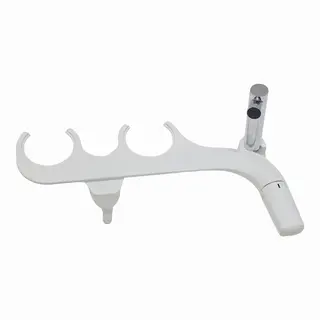
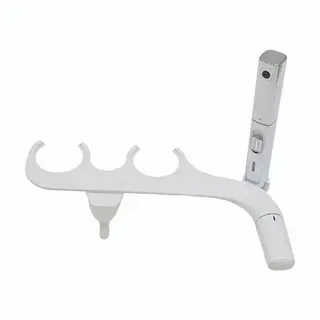
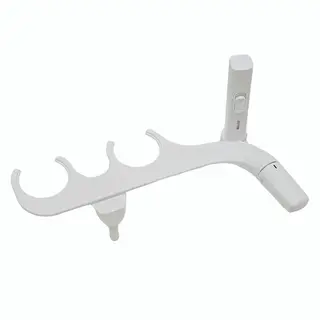
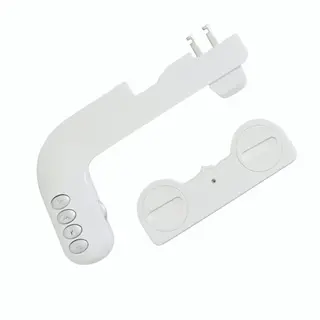
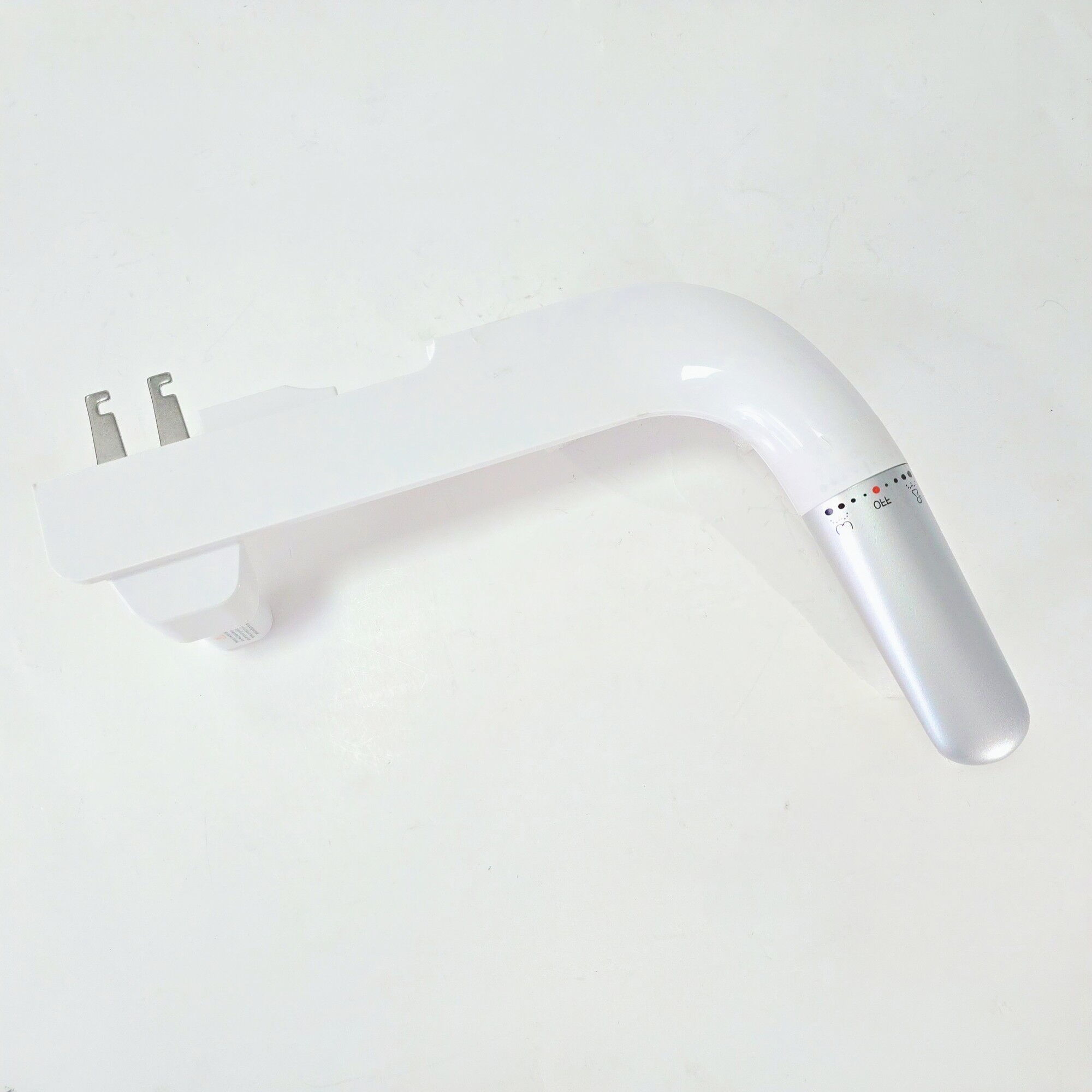
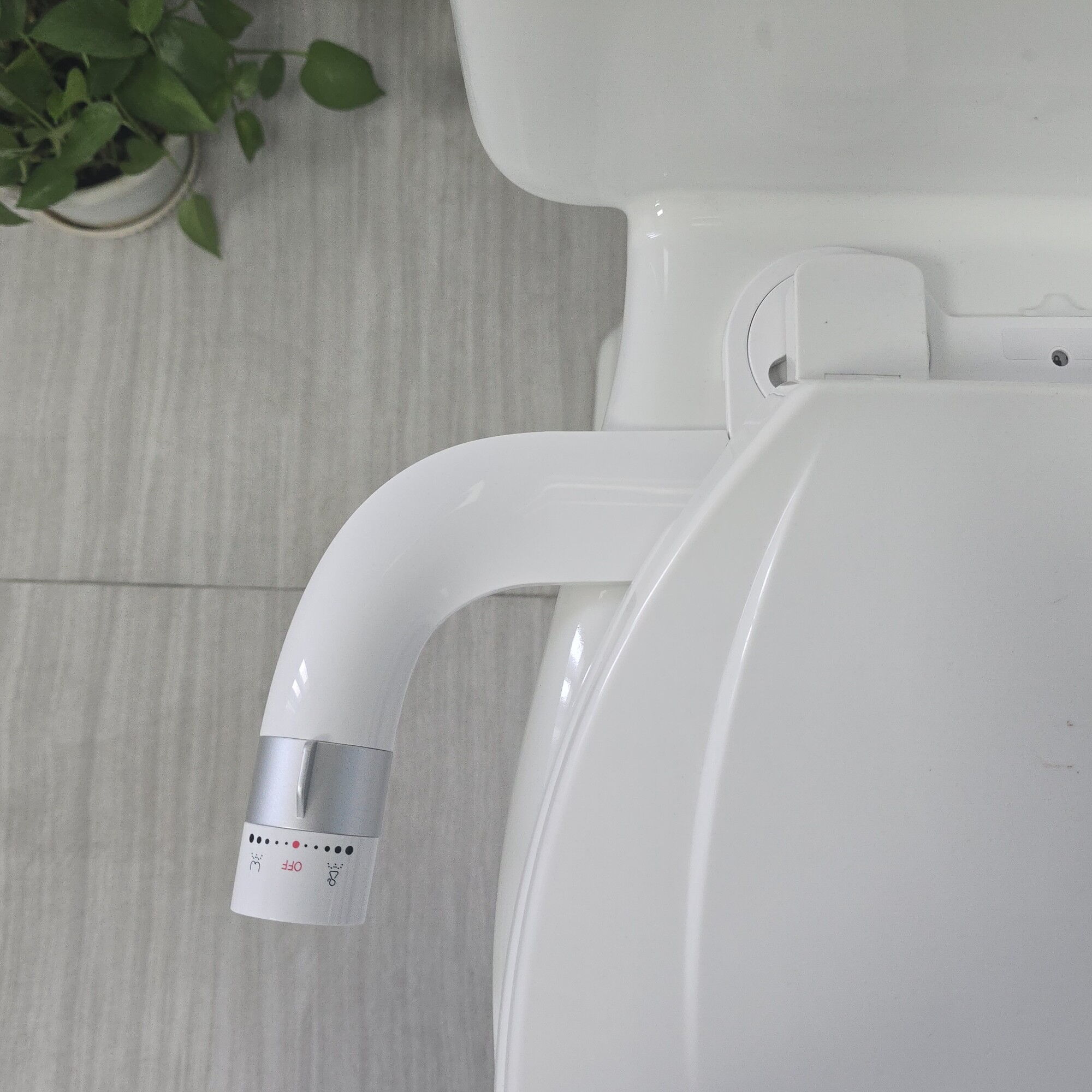
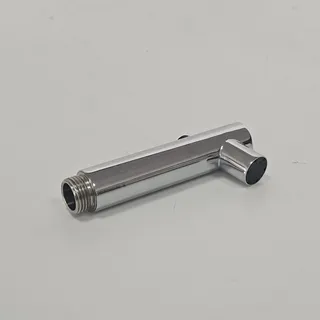
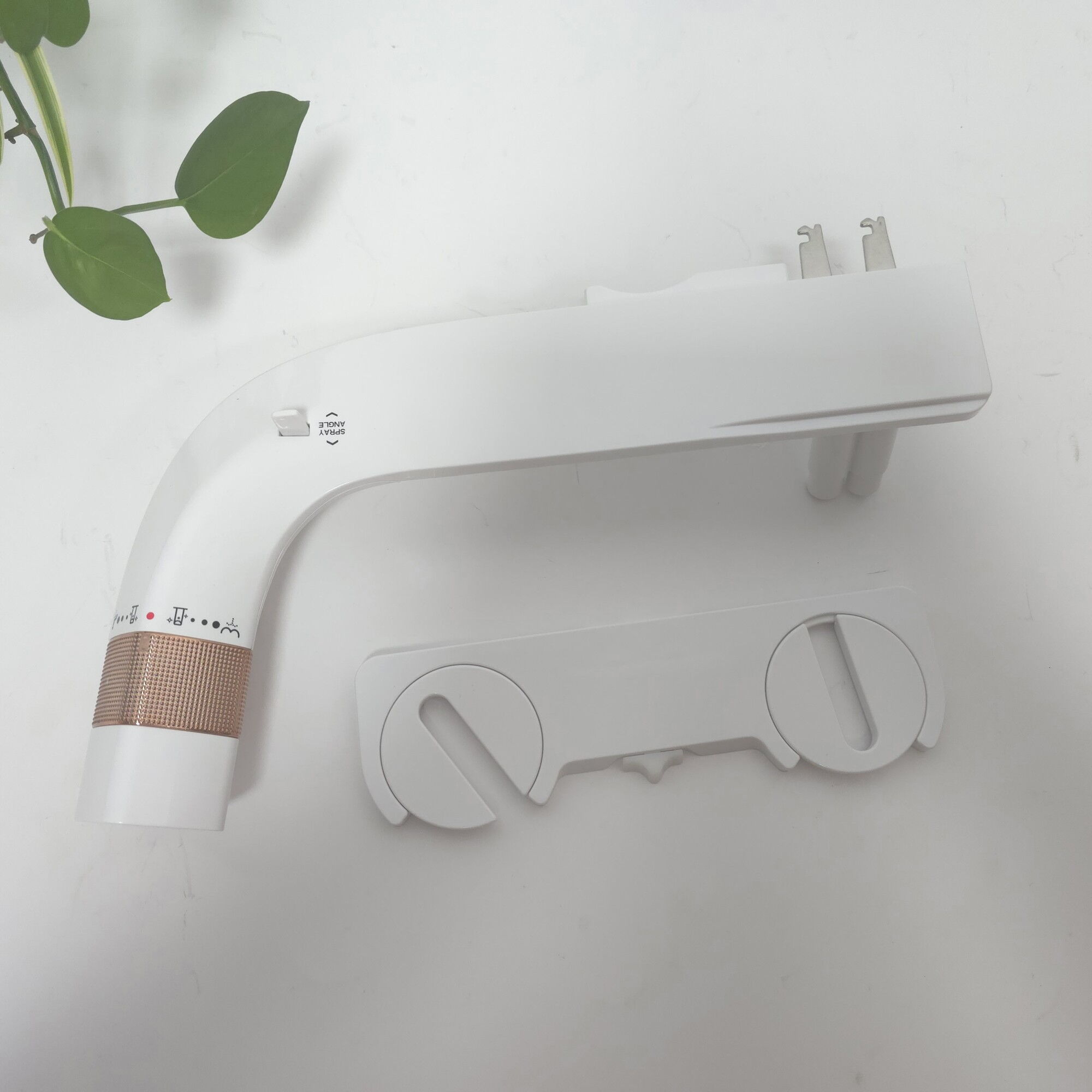
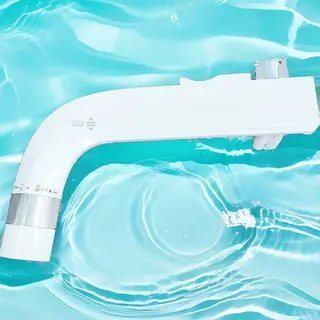
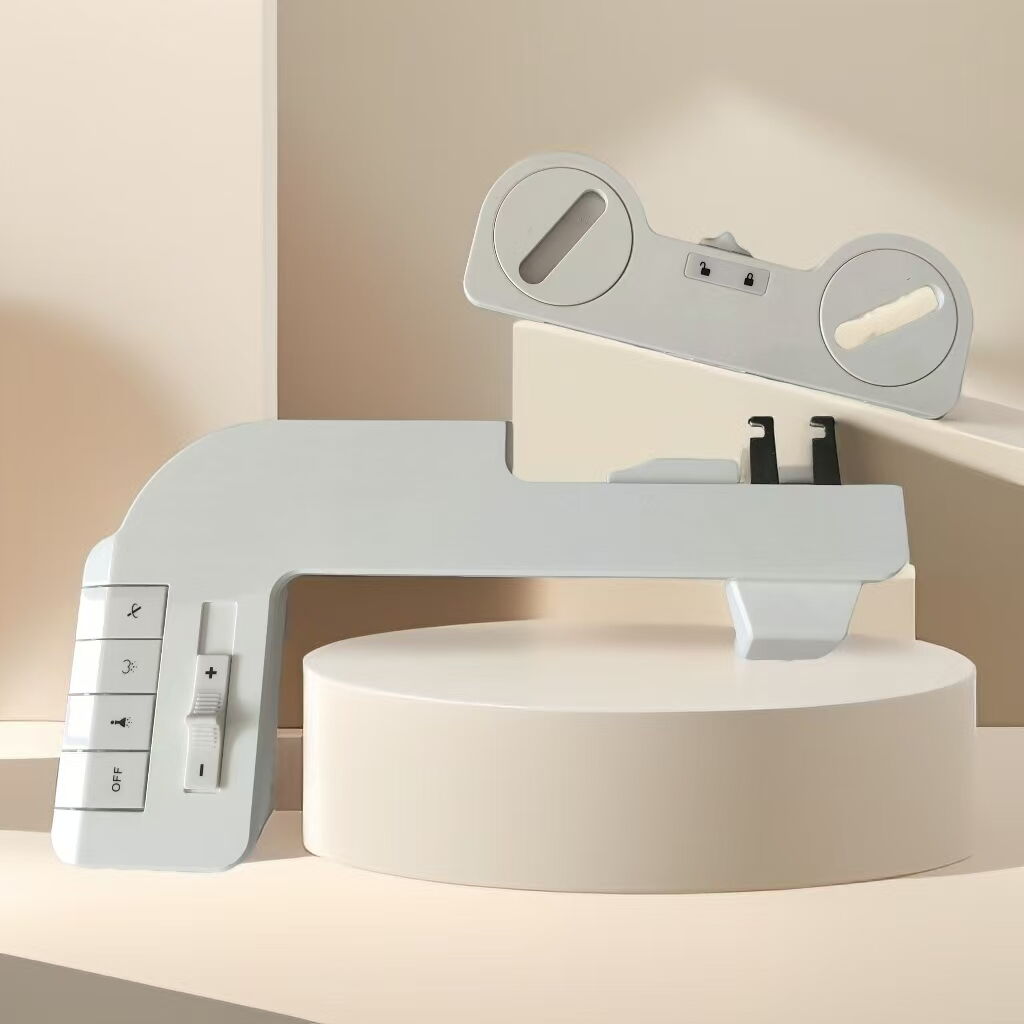
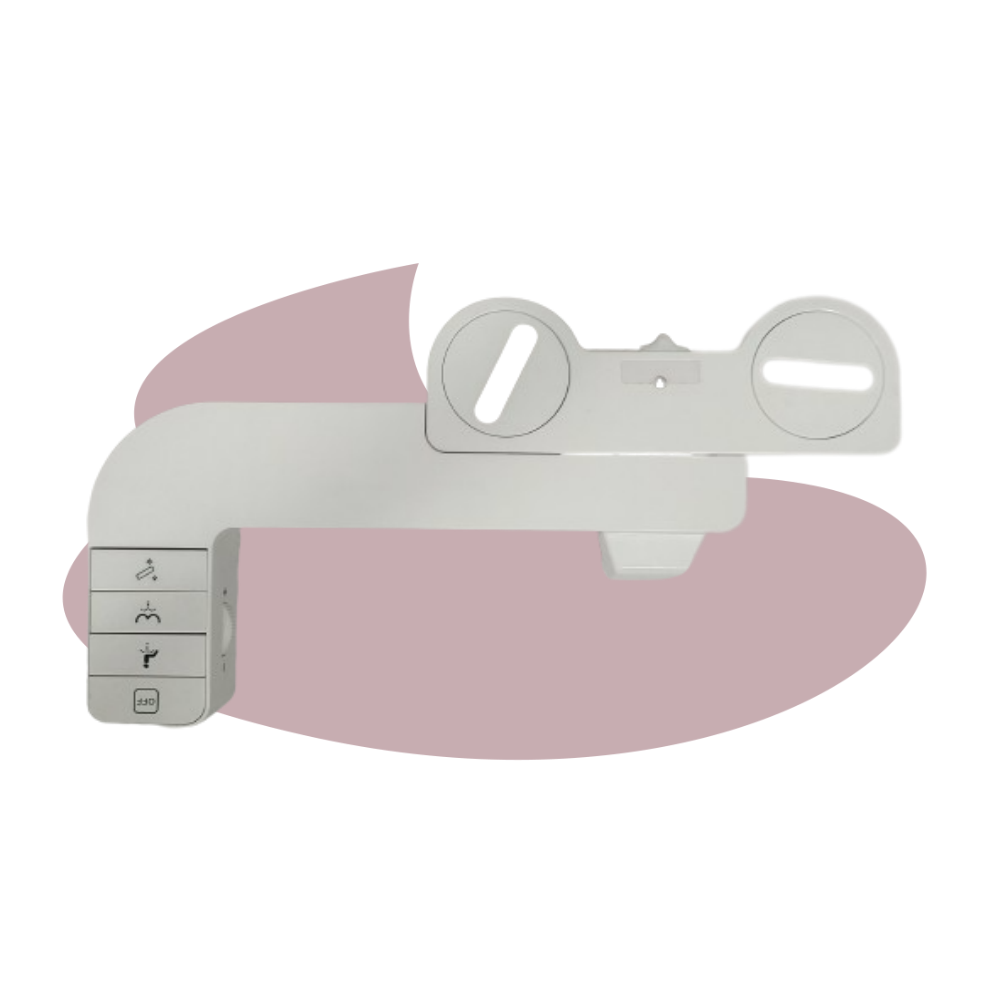
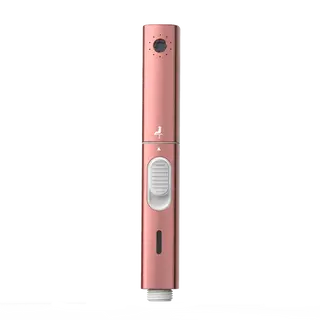
The bidet parts industry encompasses the manufacturing, distribution, and supply of components, replacement parts, and accessories for bidet systems and smart toilet seats. This specialized sector supports the maintenance, repair, and customization of bidet products, serving consumers, professional installers, plumbing contractors, and manufacturers. The industry operates across both OEM (Original Equipment Manufacturer) and aftermarket segments, ensuring the longevity and functionality of bidet installations.
Market Segmentation & Product Categories
By Component Type
-
Water Control Components: Pressure-regulating valves, solenoid valves, water inlet valves, flow control devices, and T-adapters/connectors
-
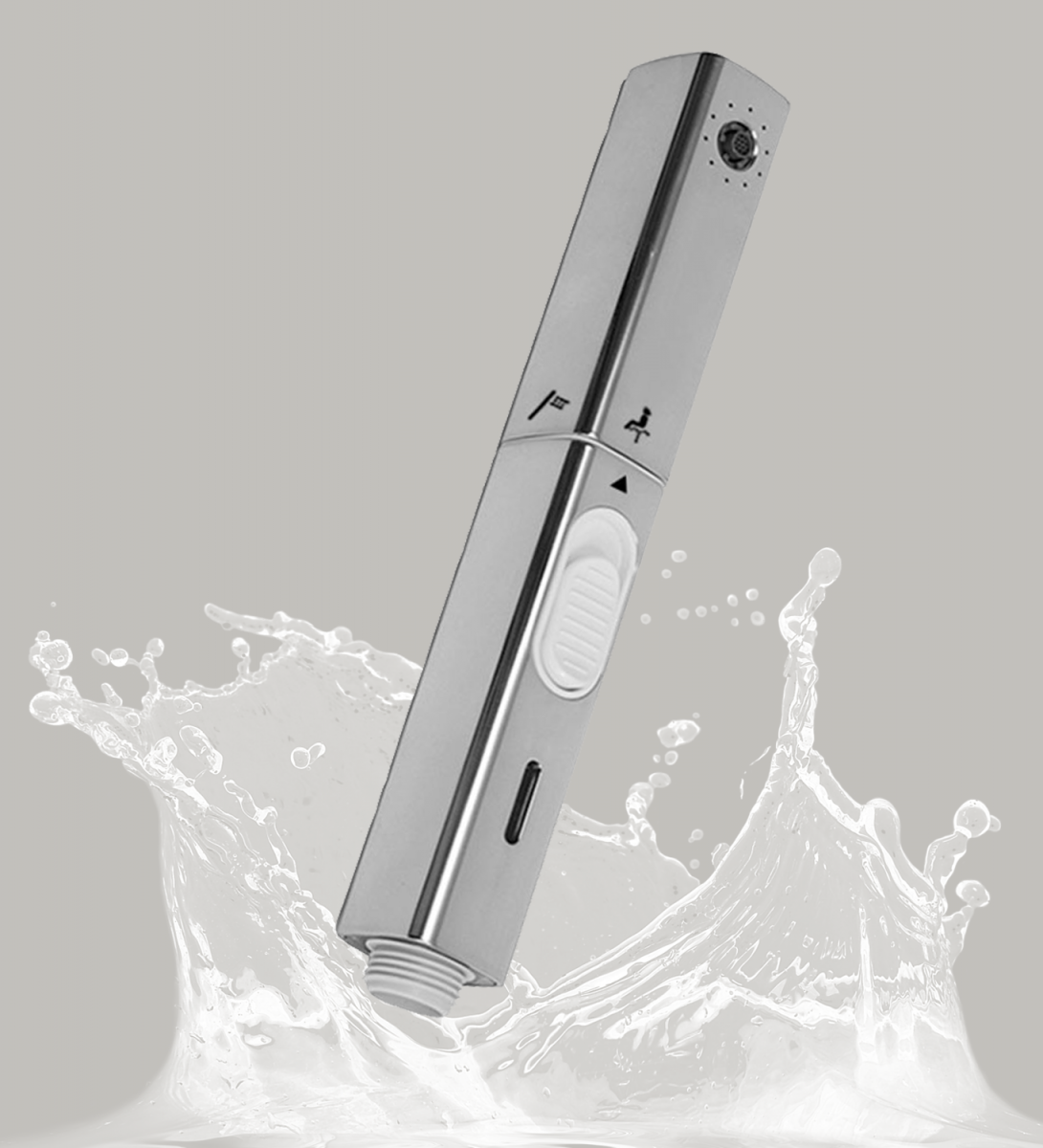
Cleaning & Spray Components: Retractable nozzles, spray wands, nozzle covers, nozzle cleaning mechanisms, and spray adjustment mechanisms
-
Heating & Temperature Control: Water heating elements/tanks, seat heating elements, temperature sensors, and thermostats
-
Electrical & Electronic Components: Control boards/PCBs, wiring harnesses, power supplies/transformers, remote controls, touch panels, and display modules
-
Mechanical & Structural Parts: Seat hinges, mounting plates/brackets, housing/covers, and bowl gaskets/seals
-
Hygiene & Sanitization: UV sterilization units, ozone generators, antimicrobial filters, and deodorizing filters
-
Accessories & Consumables: Replacement filters (water/air), remote control batteries, hose extensions, and installation kits
By Compatibility
-
OEM-Specific Parts: Manufacturer-branded components designed for specific models (e.g., TOTO, Kohler, Bio Bidet proprietary parts)
-
Universal/Aftermarket Parts: Cross-compatible components designed to work with multiple brands and models
-
Upgrade/Retrofit Kits: Components enabling feature enhancements or compatibility updates
Technology & Innovation Trends
-
Modular Design: Increasing standardization of connections and interfaces to simplify repairs and upgrades
-
Smart Diagnostics: Parts with embedded sensors and connectivity for remote troubleshooting and predictive maintenance alerts
-
Water Efficiency: Advanced pressure regulators and flow controllers minimizing water waste
-
Self-Cleaning Advancements: Nozzle materials and coatings resistant to mineral buildup, with automated cleaning cycles
-
Quick-Connect Systems: Simplified installation and replacement mechanisms for field service
-
Material Innovation: Use of medical-grade plastics, antimicrobial materials, and corrosion-resistant alloys
Supply Chain & Distribution Channels
-
OEM Direct Supply: Manufacturer parts distribution through authorized service networks
-
Specialized Distributors: Plumbing and bidet parts wholesalers serving professional installers
-
E-commerce Platforms: Online marketplaces (Amazon, specialized websites) for DIY consumers and small contractors
-
Retail Partnerships: Parts availability through home improvement stores and plumbing supply outlets
-
International Sourcing: Global manufacturing hubs in Asia (China, Taiwan, South Korea) supplying universal components
Industry Drivers
-
Growing Installed Base: Expanding bidet ownership creating sustained aftermarket demand
-
Product Longevity Expectations: Consumer desire to repair rather than replace expensive bidet units
-
Professional Installation Market: Contractor demand for reliable parts inventory
-
Regulatory Compliance: Need for certified replacement parts meeting plumbing and electrical standards
-
Technology Upgrades: Demand for retrofit components to add features to existing installations
-
Water Conservation Regulations: Driving adoption of efficient replacement components
Key Industry Challenges
-
Compatibility Fragmentation: Lack of standardization across hundreds of bidet models
-
Counterfeit Parts: Proliferation of low-quality imitation components affecting performance and safety
-
Technical Complexity: Increasing electronic sophistication requiring specialized repair knowledge
-
Inventory Management: High SKU count necessitating careful stock planning for distributors
-
Warranty Considerations: OEM restrictions on aftermarket parts affecting consumer choices
-
Import Dependencies: Supply chain vulnerabilities for internationally sourced components
Major Market Players
-
OEM Parts Divisions: TOTO Parts, Kohler Genuine Parts, LIXIL/INAX Service Parts
-
Specialized Manufacturers: Cofan (valves and controls), Mac Faucets (connectors and fittings)
-
Aftermarket Suppliers: Bidet King, BidetMate Parts, MyToiletParts
-
Distribution Networks: Ferguson Enterprises, HD Supply, online specialized retailers
Service & Support Ecosystem
-
Technical Documentation: Availability of installation manuals, wiring diagrams, and troubleshooting guides
-
Parts Identification Systems: Online databases and cross-reference tools for component matching
-
Professional Certification: Training programs for installers on bidet repair and maintenance
-
Warranty Administration: Processing of claims and authorized repair procedures
Future Outlook
The bidet parts industry is positioned for significant growth, driven by:
-
Market Maturation: As bidets reach mainstream adoption, the aftermarket parts sector will expand correspondingly
-
Right-to-Repair Movement: Increasing consumer and regulatory pressure for accessible repair options
-
Subscription Services: Emergence of parts subscription models and maintenance programs
-
Advanced Diagnostics: Integration of IoT capabilities enabling proactive parts replacement
-
Sustainability Focus: Growth in remanufactured and recycled components market
-
Global Standards Development: Potential industry movement toward greater parts interchangeability