Industry Definition & Scope
The swimwear industry encompasses the design, manufacturing, and distribution of specialized garments designed for swimming, water sports, beach activities, and related leisure pursuits. This dynamic fashion and functional apparel sector combines textile engineering, body-conscious design, performance technology, and seasonal fashion trends to serve diverse consumer needs across recreational, competitive, and lifestyle markets worldwide.
Key Product Categories
-
By Product Type:
-
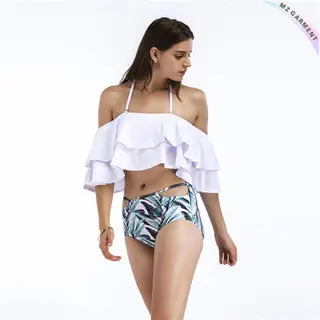
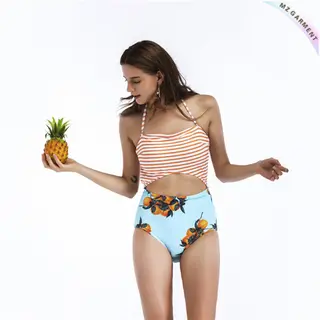
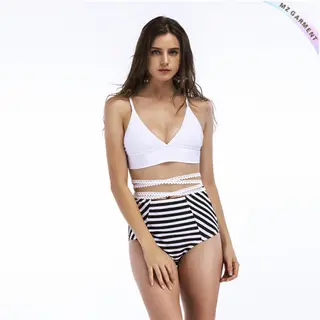
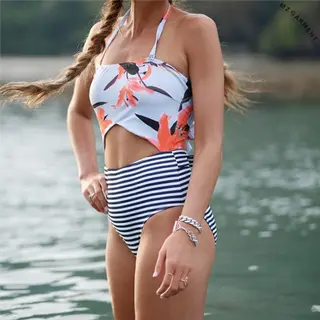
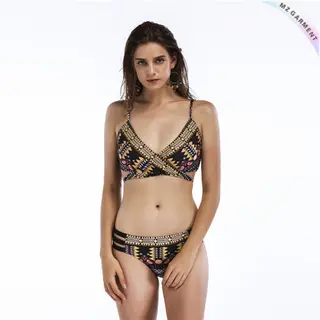
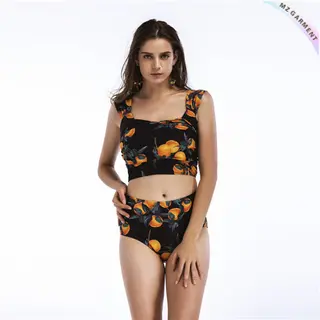
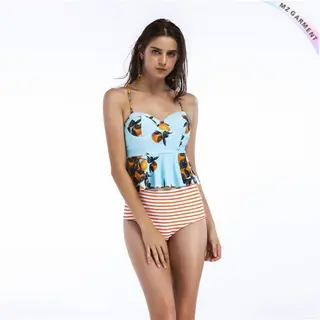
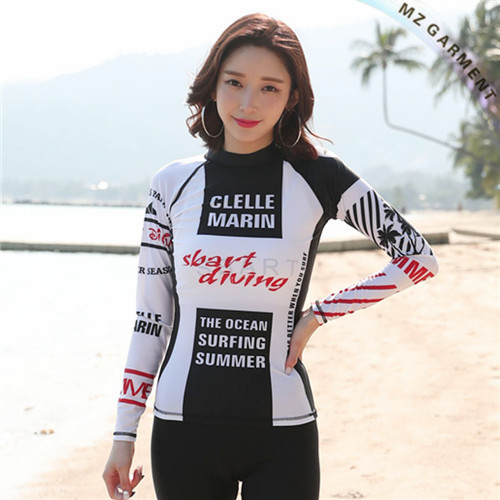
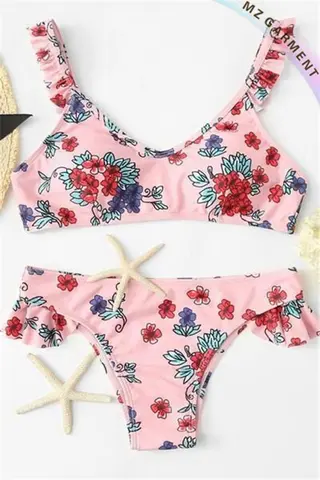
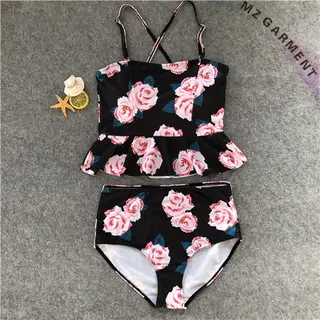
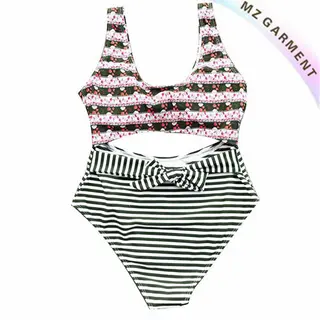
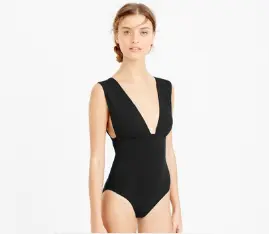
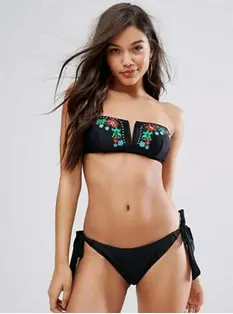
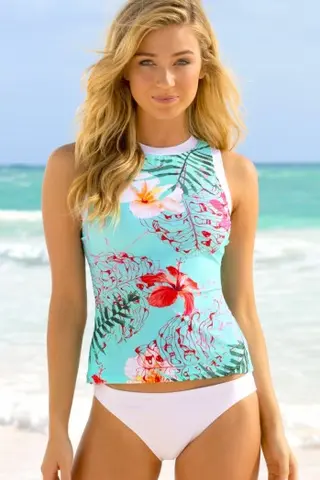
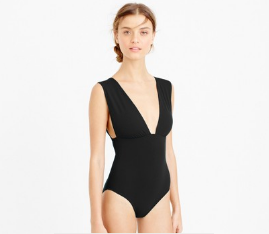
Women's Swimwear: Bikinis, one-pieces, tankinis, monokinis, high-waisted styles
-
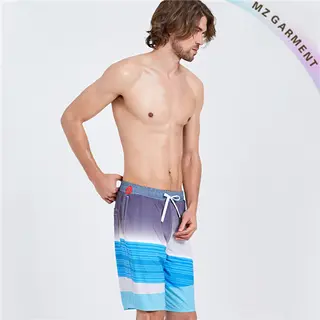
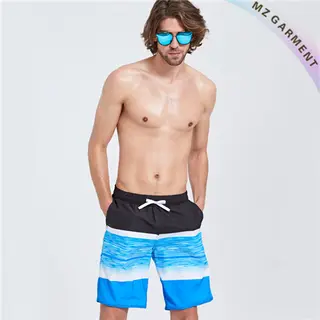
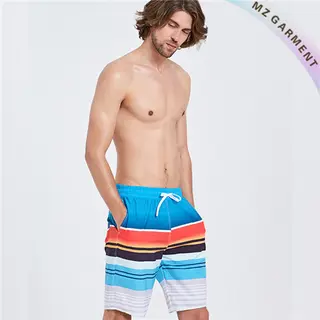
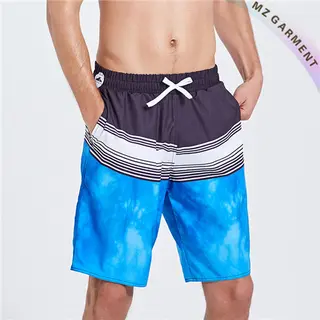
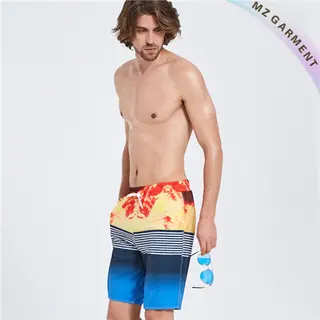
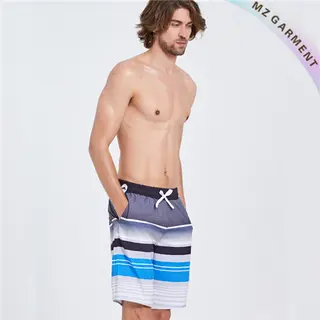
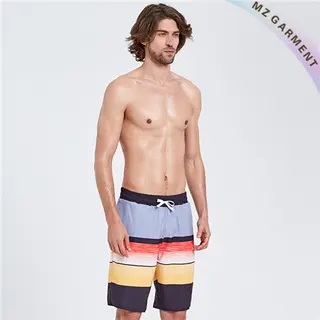
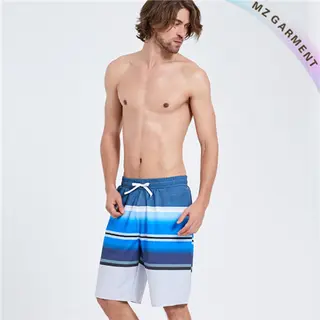
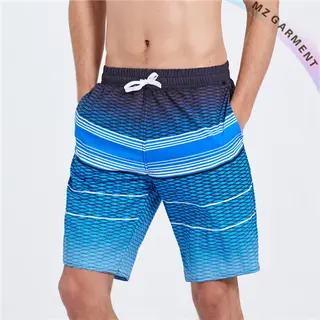
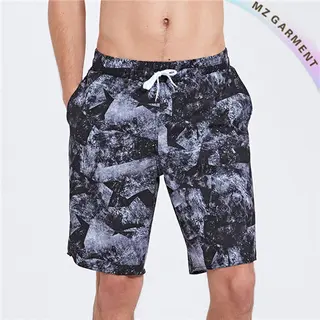
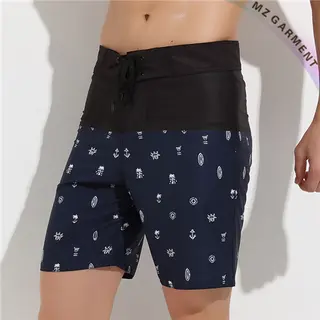
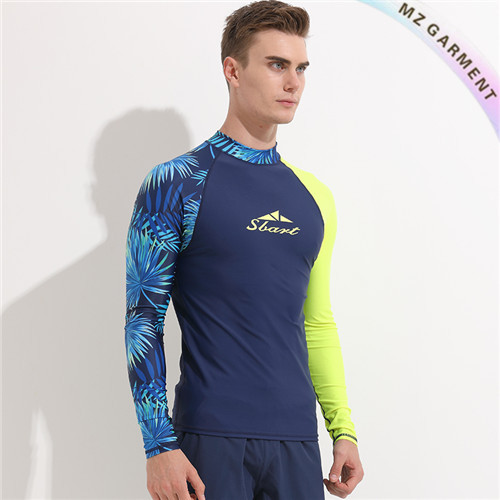
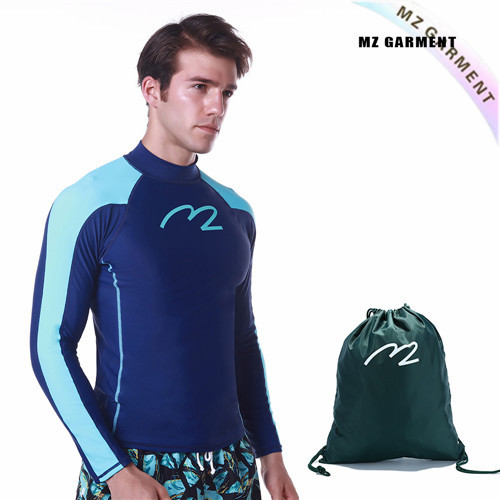
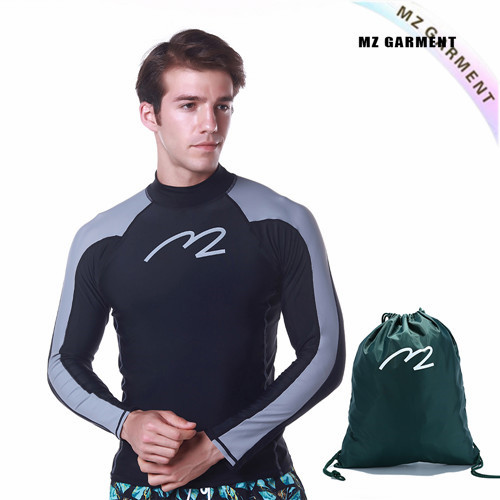
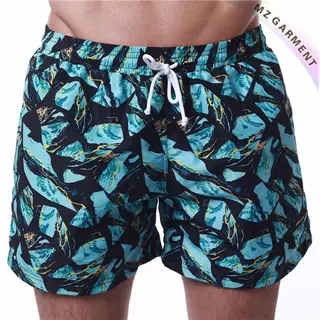
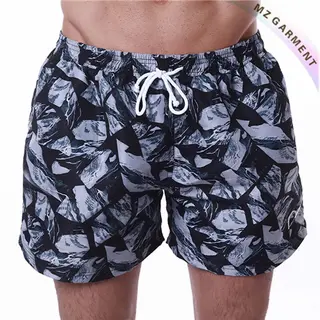
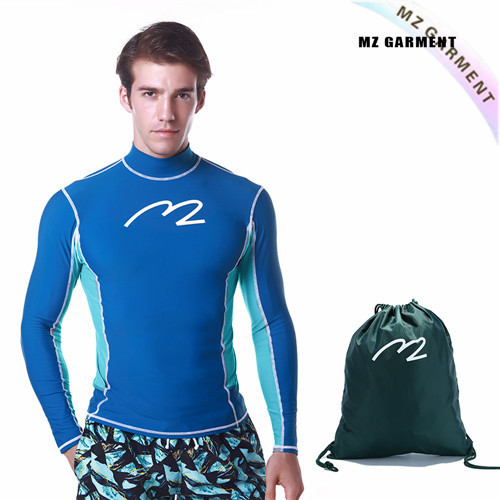
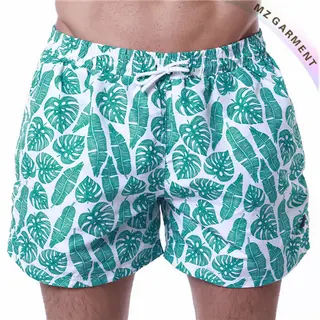
Men's Swimwear: Swim trunks, boardshorts, briefs, jammers, square leg styles
-
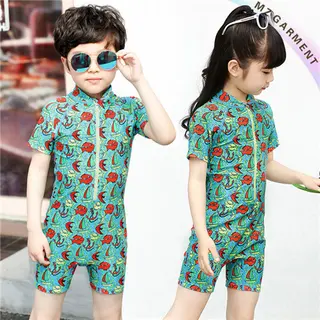
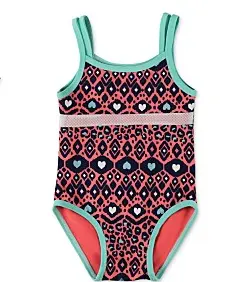
Children's Swimwear: Rash guards, swim diapers, UV protective suits
-
Competitive Swimwear: Racing suits, training suits, technical performance wear
-
Specialized Swimwear: Modest swimwear, maternity, plus-size, adaptive designs
-
Beachwear & Cover-ups: Sarongs, kaftans, pareos, beach dresses
-
-
By Material Technology:
-
Traditional Fabrics: Nylon, polyester, spandex blends
-
Performance Materials: Chlorine-resistant fabrics, quick-dry technologies
-
Sustainable Fibers: Recycled nylon (ECONYL), organic cotton, regenerated polyester
-
Technical Textiles: Compression fabrics, UV protective materials, antibacterial treatments
-
Innovative Blends: Blended with seaweed, coffee, or other natural fibers
-
-
By Function & Performance:
-
Recreational Swimwear: Fashion-focused designs for casual swimming and beach wear
-
Sports & Training: Durable, supportive designs for swimming laps and water sports
-
Competition: Hydrodynamic, compression-based suits for racing
-
Outdoor & Adventure: UV protective, abrasion-resistant for surfing and outdoor water activities
-
Therapeutic & Rehabilitation: Designed for hydrotherapy and rehabilitation exercises
-
-
By Market Segment:
-
Luxury & Designer: High-end fashion brands and couture swimwear
-
Premium Contemporary: Quality brands with fashion-forward designs
-
Mass Market: Affordable, widely available brands
-
Sports & Performance: Brands focused on athletic and competitive swimming
-
Sustainable & Ethical: Brands emphasizing eco-friendly production and materials
-
Technology & Innovation Trends
-
Advanced Fabric Technologies:
-
4-way stretch fabrics with enhanced recovery
-
Solar-activated UV protection that strengthens with sun exposure
-
Self-cleaning fabrics using photocatalytic nanotechnology
-
Temperature-regulating materials for varying water conditions
-
-
Digital Integration & Customization:
-
3D body scanning for personalized fit
-
Augmented Reality virtual try-on applications
-
Direct-to-consumer customization platforms
-
Smart textiles with embedded sensors for performance tracking
-
-
Sustainable Innovations:
-
Circular design enabling easier recycling at end of life
-
Waterless dyeing and digital printing technologies
-
Biodegradable and compostable material development
-
Supply chain transparency through blockchain tracking
-
-
Design & Manufacturing Advances:
-
Seamless knitting and welding techniques reducing chafing
-
Laser cutting for precision and reduced fabric waste
-
Bonded construction eliminating traditional stitching
-
Adaptive designs for diverse body types and mobility needs
-
Global Market Drivers
-
Growing participation in swimming as fitness and recreational activity
-
Increasing travel and tourism to beach and resort destinations
-
Rising health and wellness awareness promoting active lifestyles
-
Social media influence on beach and poolside fashion trends
-
Expansion of competitive swimming and water sports globally
-
Body positivity movement driving inclusive sizing and diverse representation
-
Sustainability concerns pushing eco-friendly swimwear demand
-
E-commerce growth expanding access to global swimwear brands
Major Players & Value Chain
-
Global Brands: Speedo, Arena, TYR, Nike, Adidas
-
Fashion Brands: Victoria's Secret, Calvin Klein, Tommy Hilfiger
-
Sustainable Leaders: Patagonia, Vitamin A, Summersalt
-
Luxury Designers: Zimmermann, Lisa Marie Fernandez, Eres
-
Direct-to-Consumer: Andie, Cupshe, Left on Friday
-
Value Chain: Fiber production → fabric manufacturing → design → cutting/sewing → quality control → branding → distribution (retail/e-commerce) → consumers
Challenges & Opportunities
-
Challenges:
-
Highly seasonal demand in many markets
-
Intense competition and fast fashion pressure
-
Sizing and fit consistency across global markets
-
Environmental impact of synthetic fiber production
-
Counterfeit products and design infringement
-
-
Opportunities:
-
Growth of modest and inclusive swimwear segments
-
Technological integration in performance swimwear
-
Expansion into emerging markets with growing middle class
-
Sustainable material and production innovation
-
Customization and personalization services
-
Rental and subscription models for vacation swimwear
-
Cross-category expansion into activewear and lifestyle apparel
-