Industry Definition & Scope
The handbags and messenger bags industry comprises the design, manufacturing, and retail of portable carrying solutions primarily used for personal items organization and fashion expression. This diverse sector spans luxury fashion, functional daily carry, professional use, and lifestyle accessories, driven by evolving consumer aesthetics, functionality demands, and cultural trends globally.
Key Product Categories
-
By Primary Function:
-
Fashion Handbags: Designer purses, clutches, evening bags for aesthetic expression
-
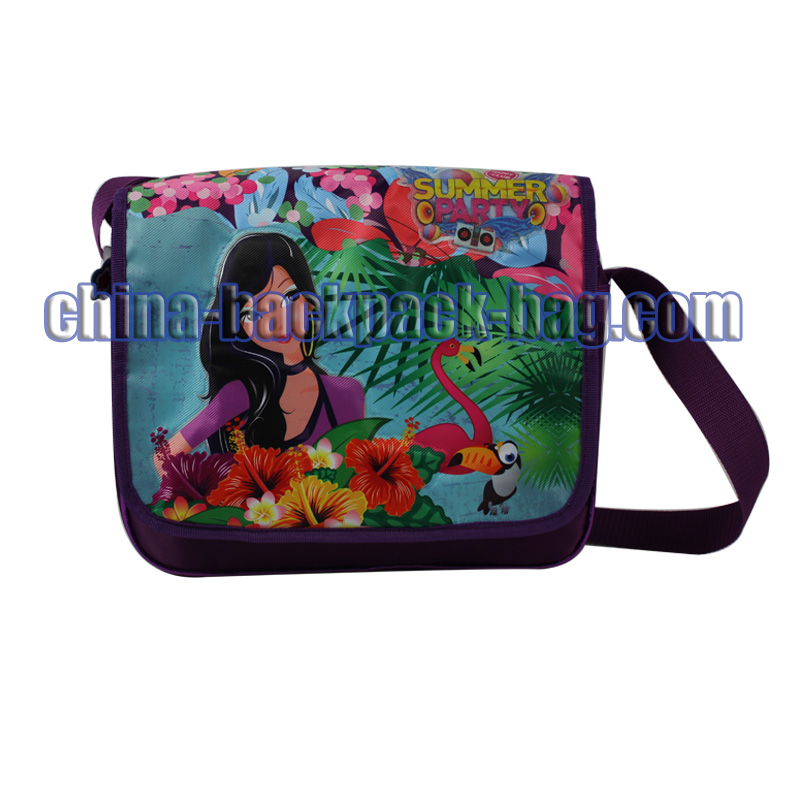
Professional Bags: Briefcases, laptop messengers, portfolio cases for work
-
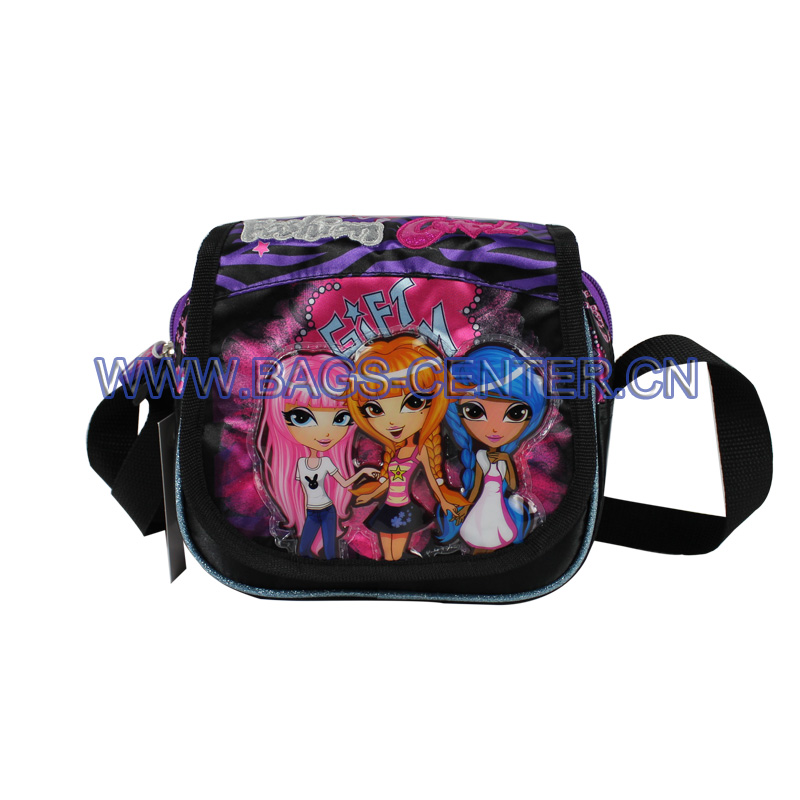
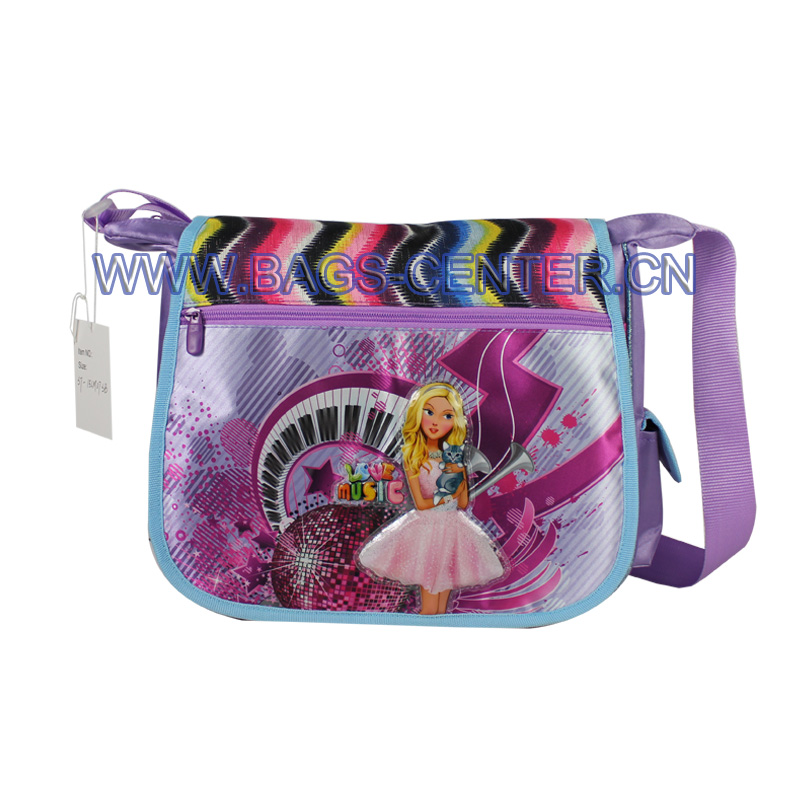
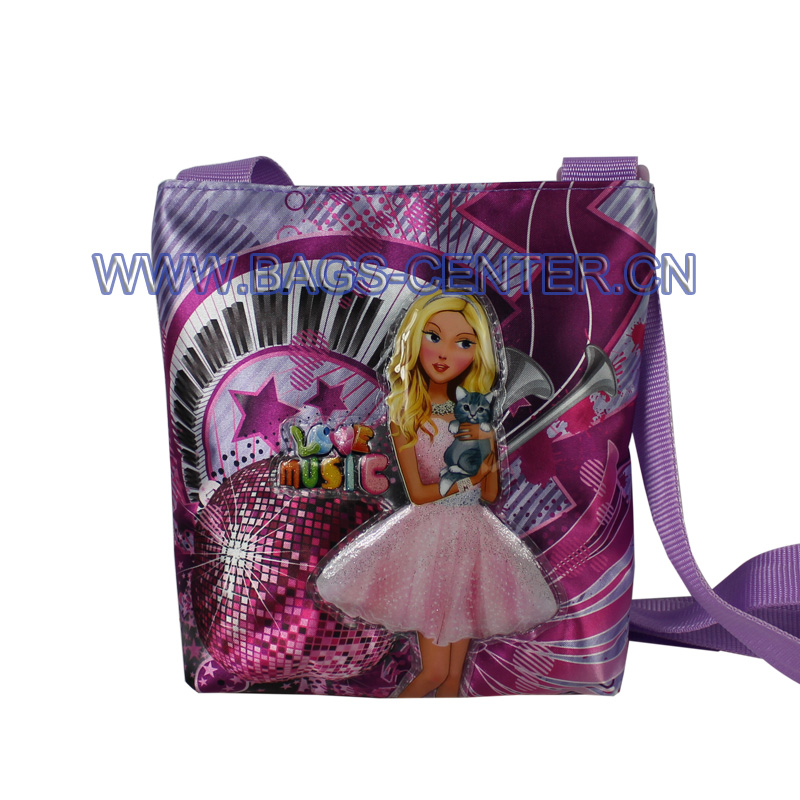
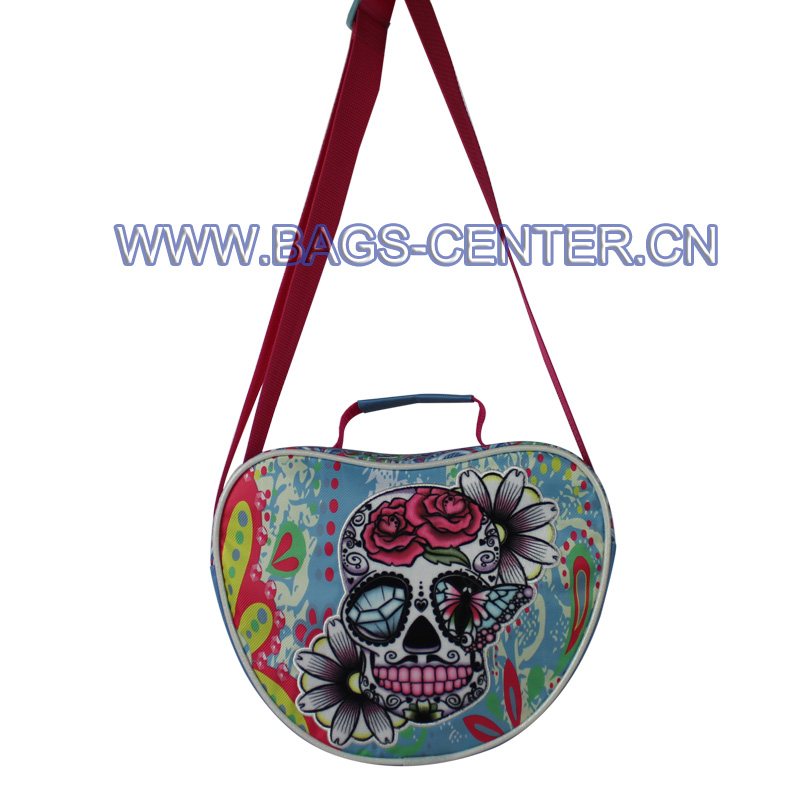
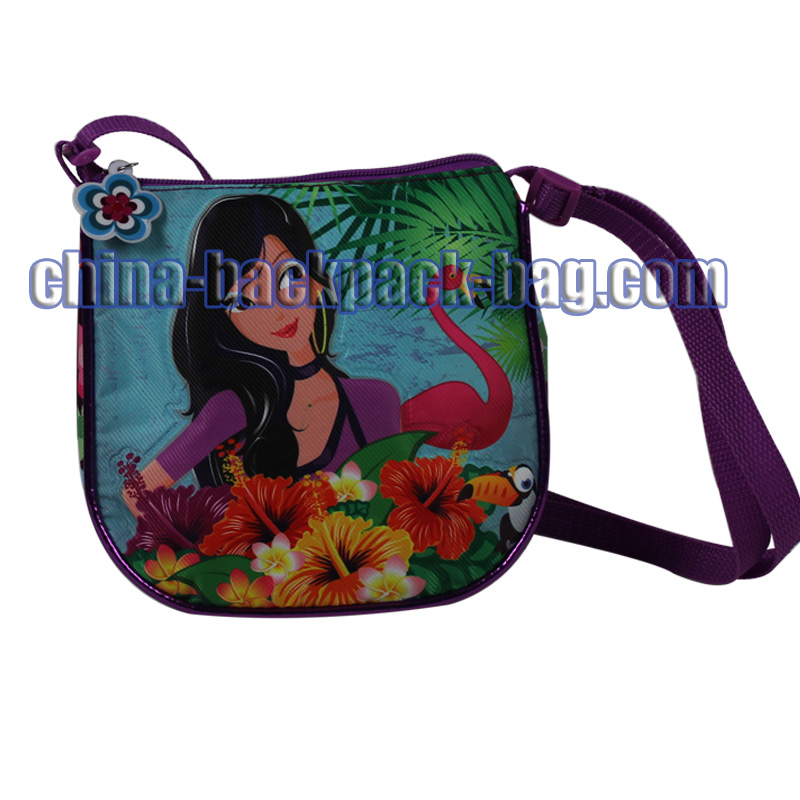
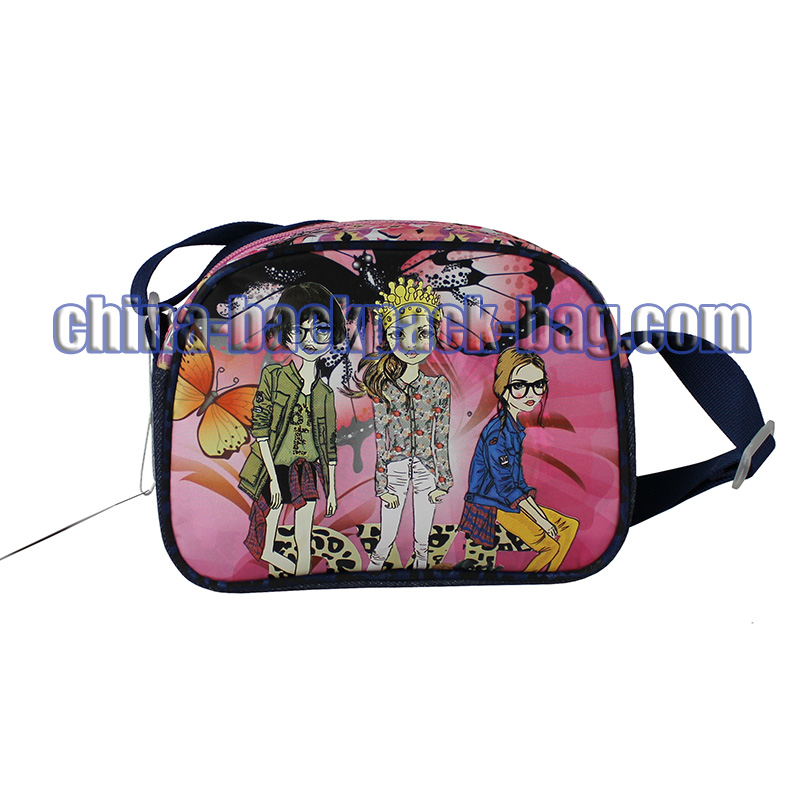
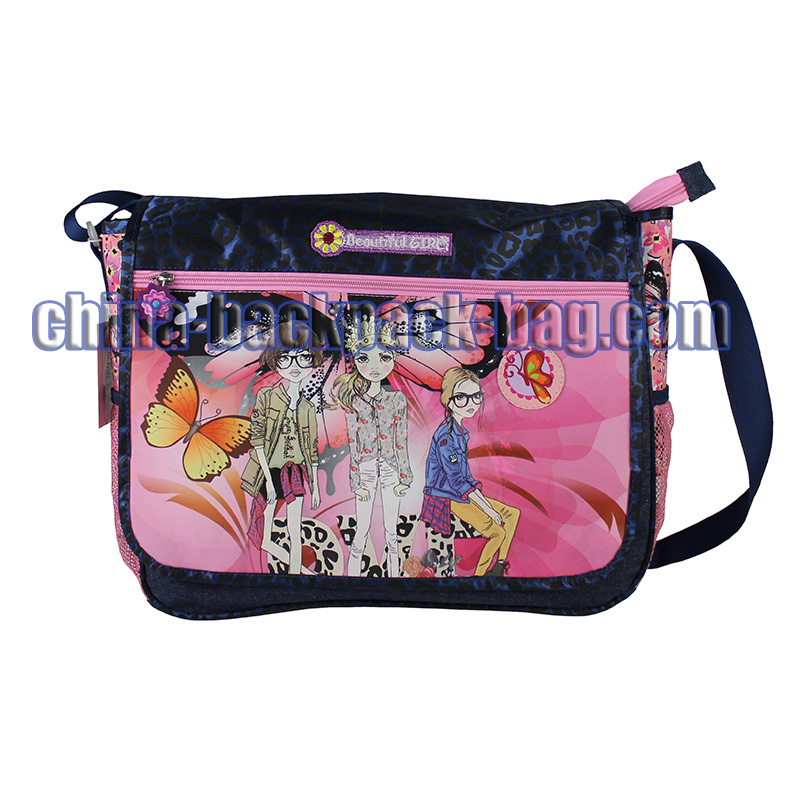
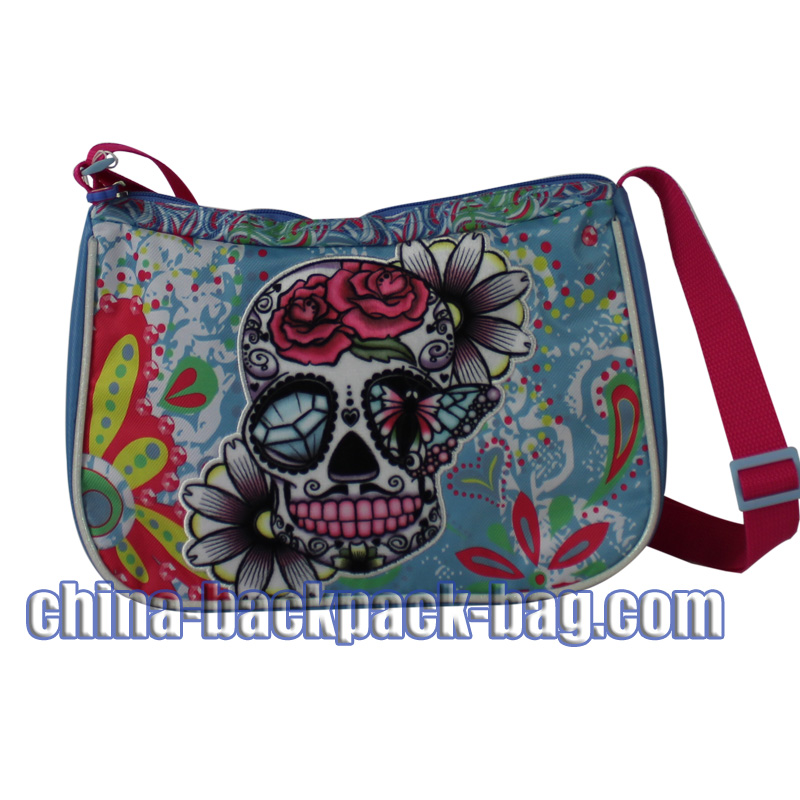
Everyday Carry: Tote bags, crossbody bags, shoulder bags for daily use
-
Specialized Carriers: Diaper bags, camera bags, medical kits, tech organizers
-
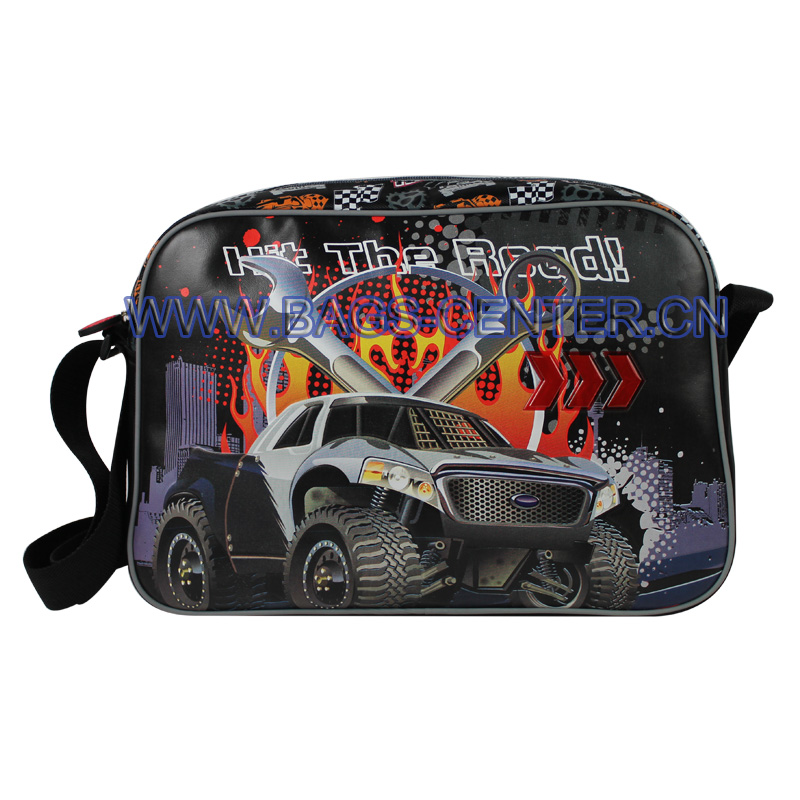
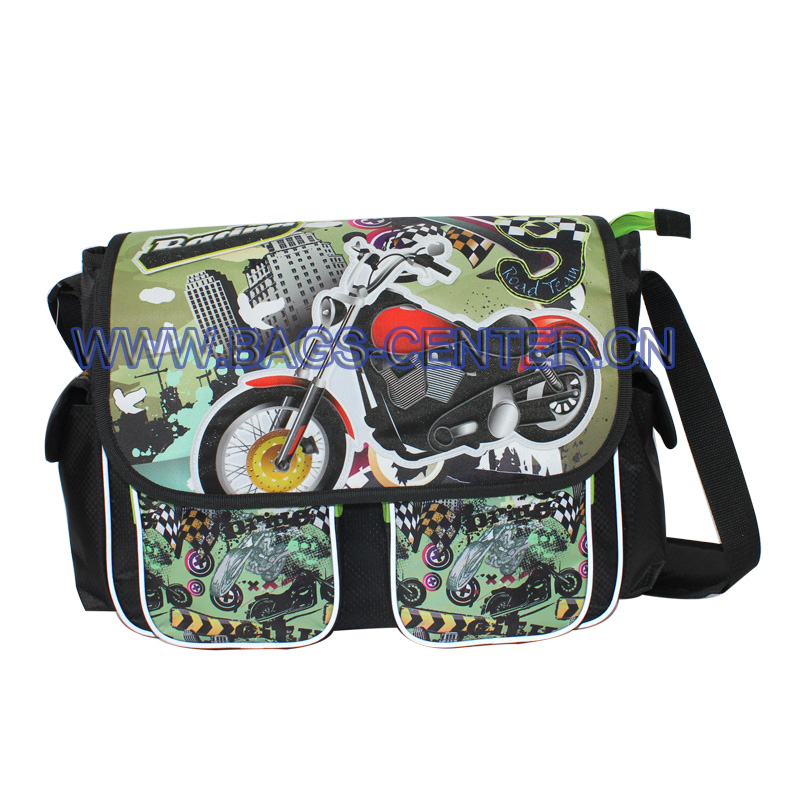
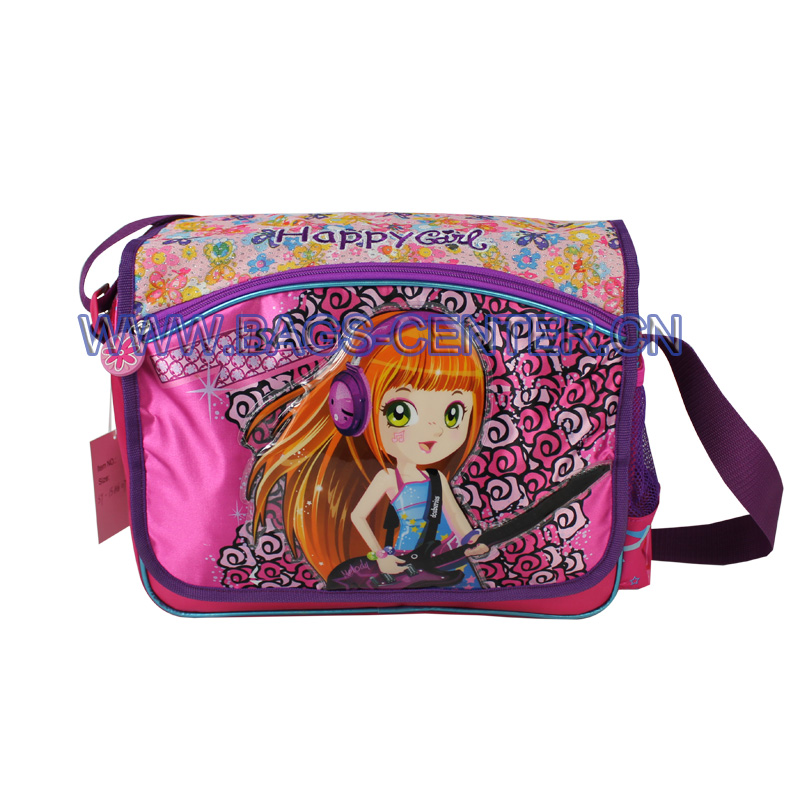
Gender-Specific Designs: Men's messenger bags, women's handbags, unisex styles
-
-
By Material Composition:
-
Leather: Full-grain, top-grain, genuine, vegan leather alternatives
-
Textiles: Canvas, nylon, polyester, technical fabrics (Cordura, Ballistic)
-
Sustainable Materials: Organic cotton, recycled PET, Piñatex, mushroom leather
-
Synthetic & Hybrid: PU, PVC, blended materials with water-resistant treatments
-
Luxury Materials: Exotic skins, silk, brocade, metallic finishes
-
-
By Design Features:
-
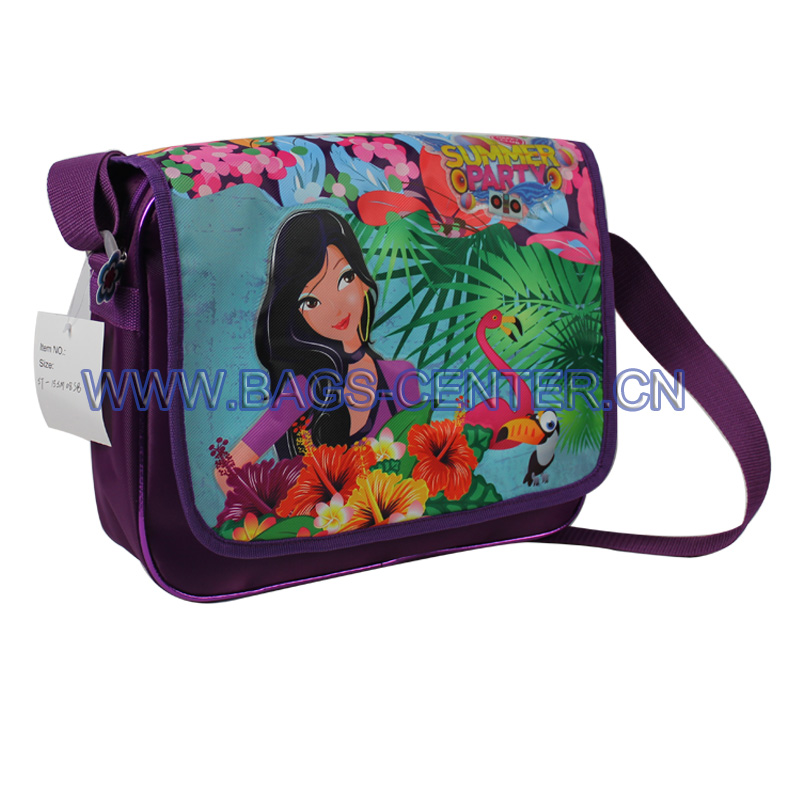
Closure Systems: Zipper, magnetic snap, flap, drawstring, buckle
-
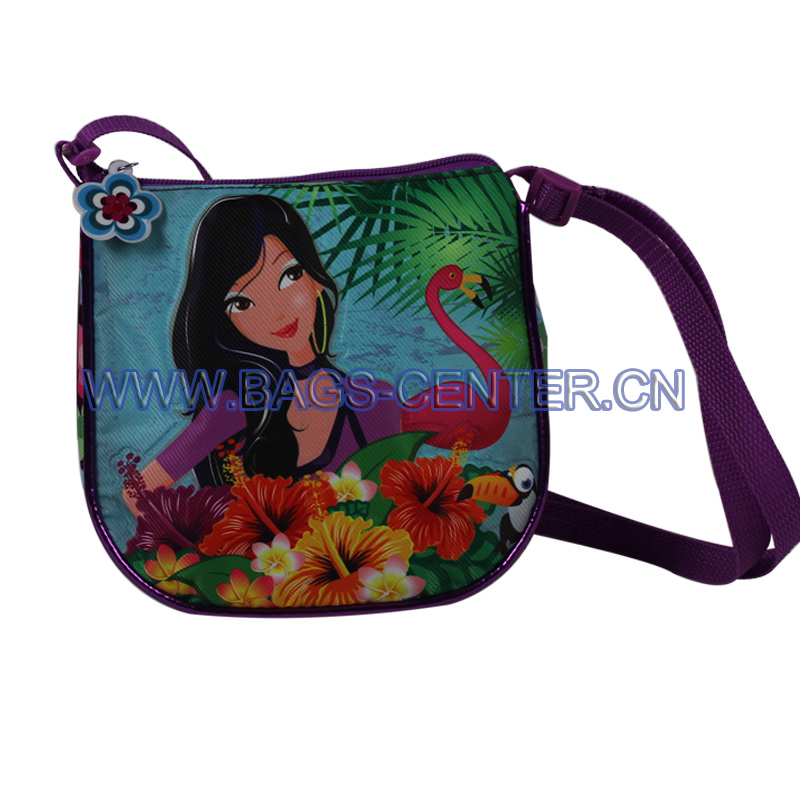
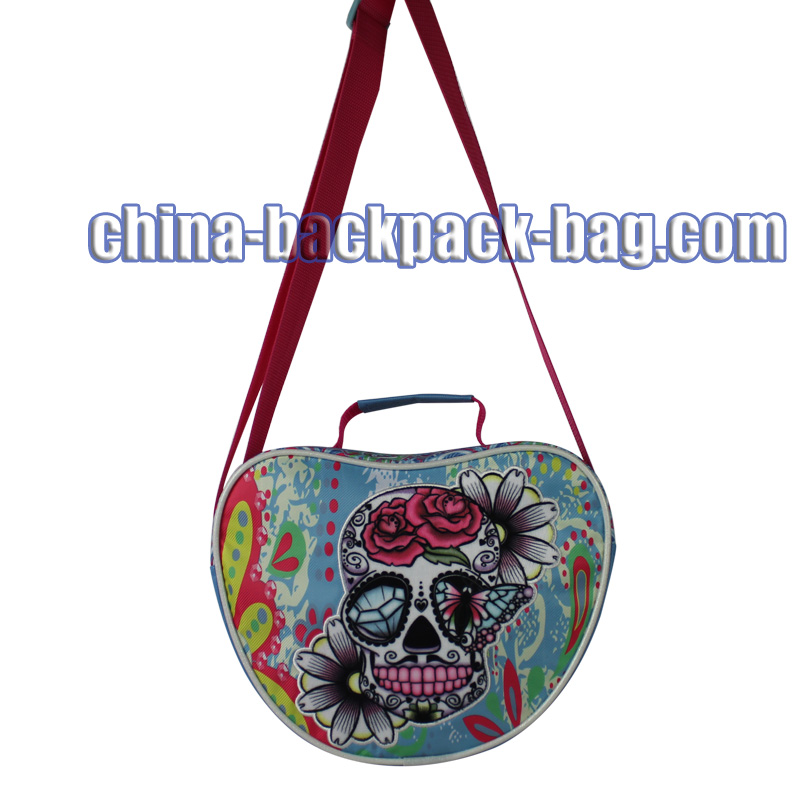
Carrying Options: Handles, shoulder straps, crossbody, backpack conversion
-
Organization: Multiple compartments, dedicated pockets, modular inserts
-
Protective Features: Padding, RFID blocking, waterproof linings, lockable zippers
-
-
By Market Segmentation:
-
Luxury Segment: High-end designer brands (Chanel, Hermès, Louis Vuitton)
-
Premium Contemporary: Bridge brands (Coach, Michael Kors, Tory Burch)
-
Mass Market: Affordable fashion and functional bags
-
Outdoor/Tactical: Durable bags for active lifestyles (Patagonia, Timbuk2)
-
Niche Artisan: Handcrafted and small-batch producers
-
Technology & Innovation Trends
-
Smart Integration:
-
Built-in charging ports and cable management
-
GPS tracking and anti-theft technology
-
Digital locks with biometric authentication
-
IoT connectivity for inventory management
-
-
Material Advancements:
-
Self-cleaning and stain-resistant nanocoatings
-
Phase-change materials for temperature regulation
-
Lightweight high-strength composites
-
Biodegradable and compostable material development
-
-
Sustainable Production:
-
Circular design principles for disassembly and recycling
-
Waterless dyeing and low-impact manufacturing
-
Blockchain traceability for ethical sourcing
-
Carbon-neutral production initiatives
-
-
Customization & Personalization:
-
Modular bag systems with interchangeable components
-
On-demand manufacturing and made-to-order models
-
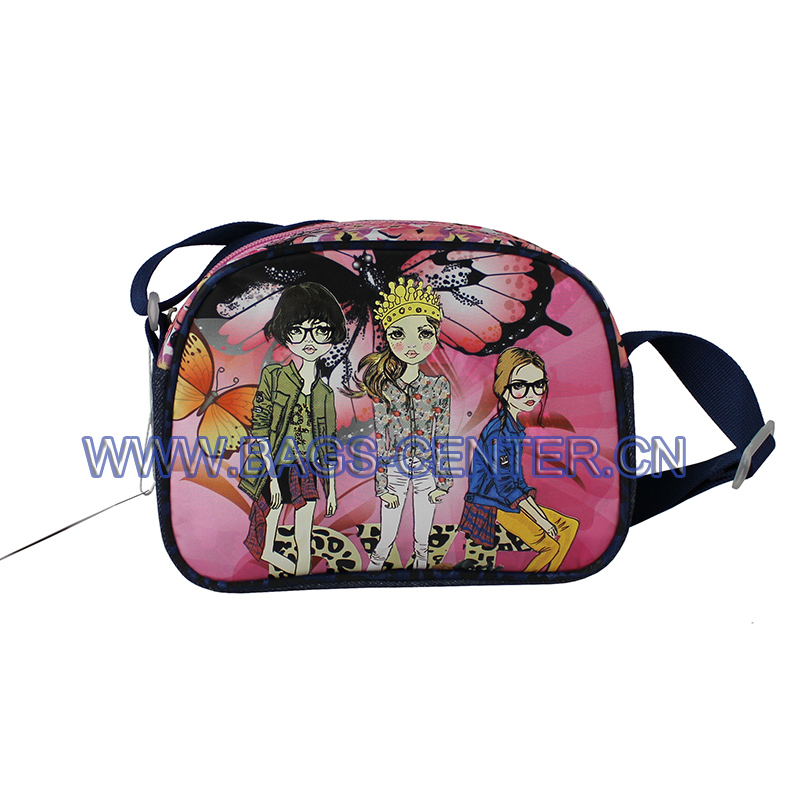
Digital printing for unique patterns and monograms
-
Augmented reality virtual try-on experiences
-
Global Market Drivers
-
Rising disposable income and fashion consciousness in emerging markets
-
Growth of remote work and mobile professional lifestyles
-
Increased focus on functionality and organization in daily carry
-
Sustainability and ethical consumption movements
-
Social media influence and celebrity endorsements
-
E-commerce expansion and direct-to-consumer models
-
Gender-neutral and unisex fashion trends
-
Technological device proliferation driving specialized storage needs
Major Players & Value Chain
-
Luxury Conglomerates: LVMH, Kering, Richemont, Chanel
-
Premium Brands: Coach, Kate Spade, Michael Kors, Tory Burch
-
Functional Specialists: Timbuk2, Topo Designs, WaterField, Bellroy
-
Mass Retailers: Fossil, Guess, H&M, Zara (accessory lines)
-
Online Natives: Dagne Dover, Cuyana, Lo & Sons
-
Value Chain: Material sourcing → design → manufacturing → branding/marketing → distribution (flagship stores, department stores, e-commerce) → after-sales → consumers
Challenges & Opportunities
-
Challenges:
-
Counterfeiting and intellectual property infringement
-
Raw material price volatility (especially leather)
-
Fast fashion competition and pricing pressure
-
Environmental concerns over material sourcing
-
Changing consumer preferences and trend cycles
-
-
Opportunities:
-
Smart bag technology integration
-
Sustainable and circular business models
-
Personalization and customization services
-
Expansion in men's and gender-neutral segments
-
Emerging market premiumization
-
Rental and subscription services
-
Health and wellness integrated designs
-