Industry Definition & Scope
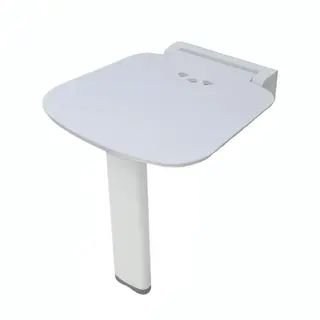
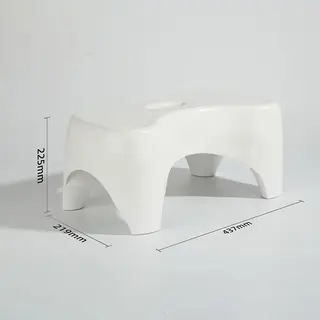
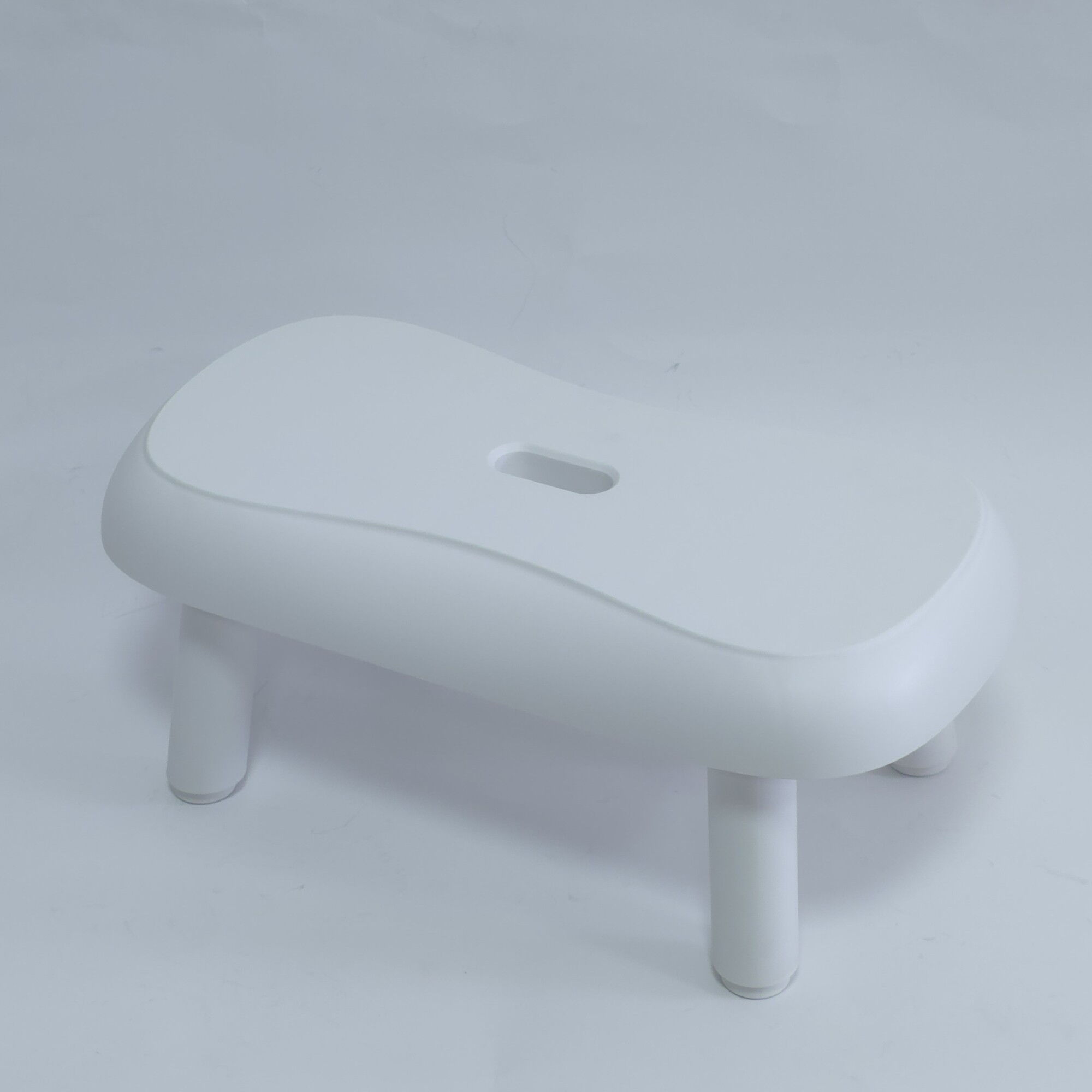
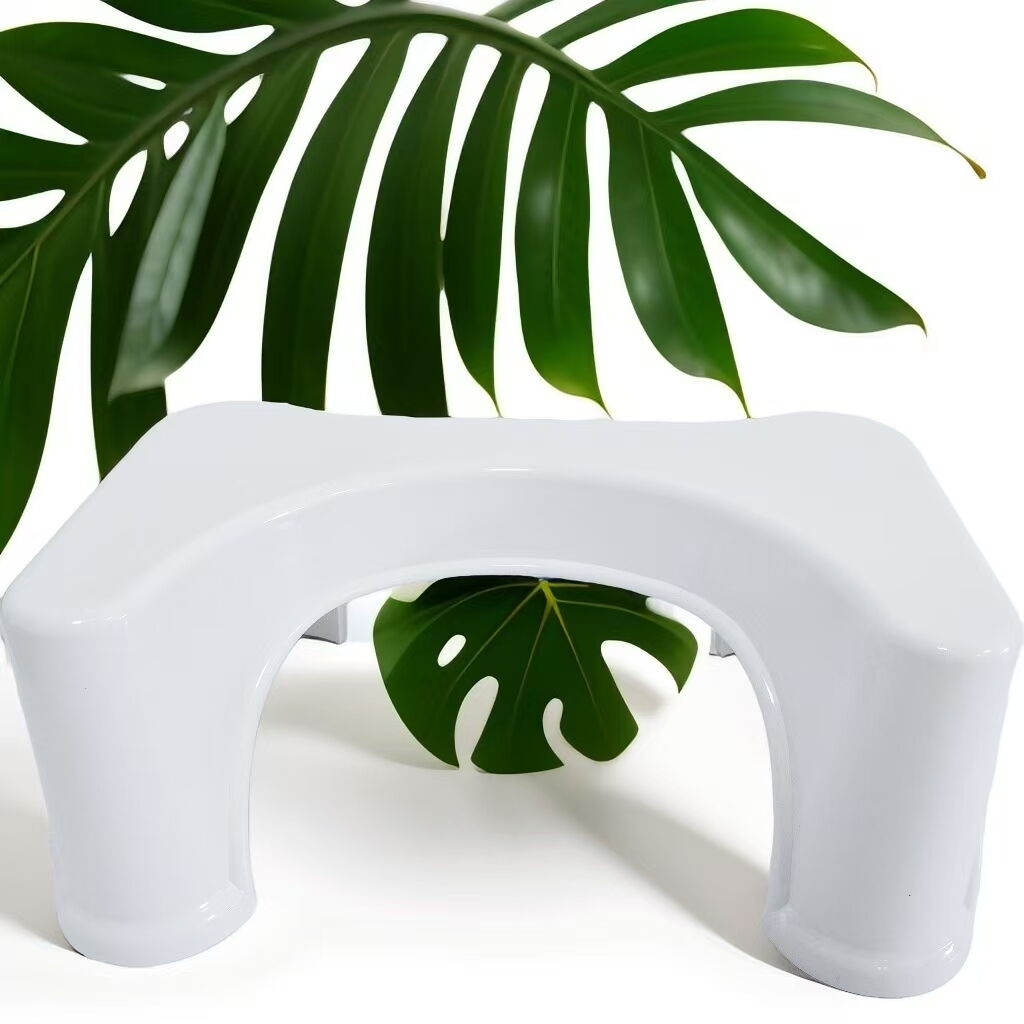
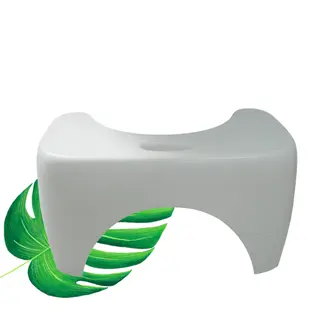
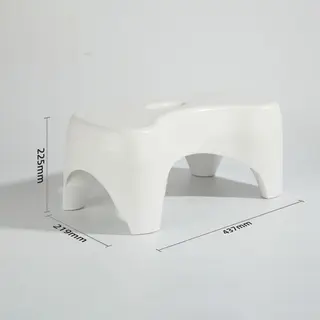
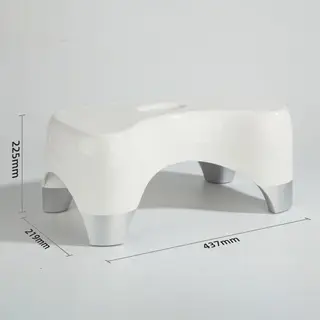
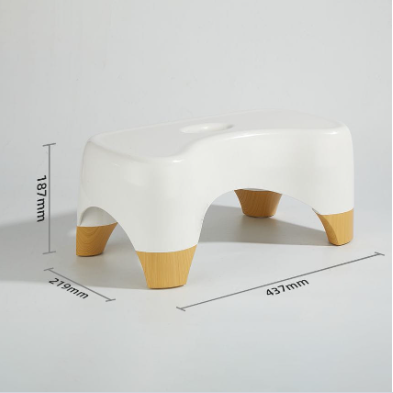
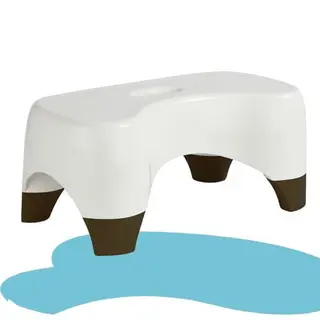
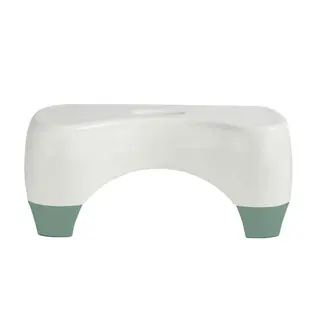
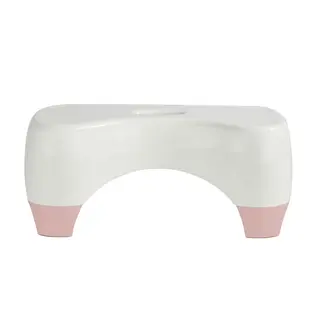
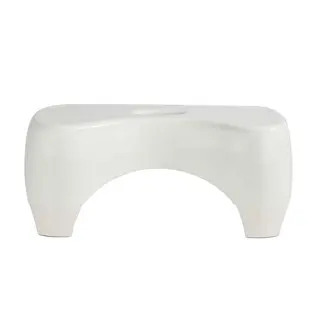
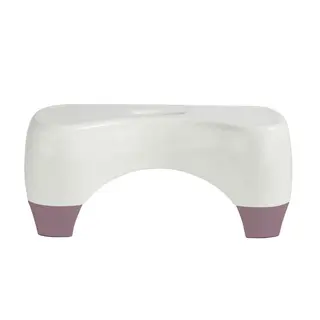
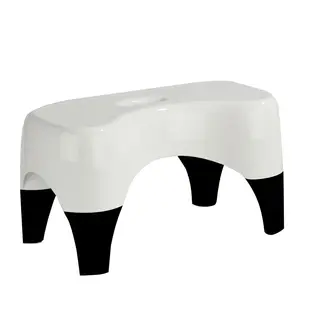
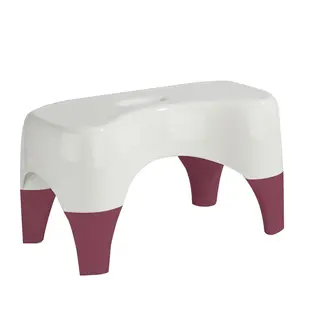
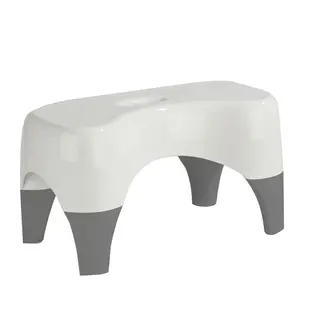
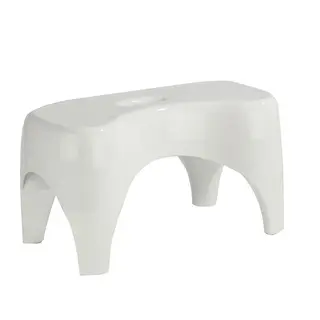
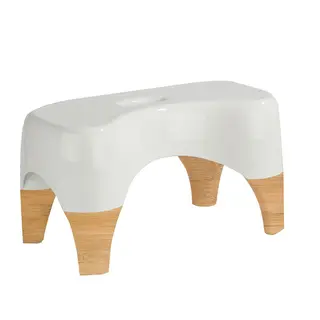
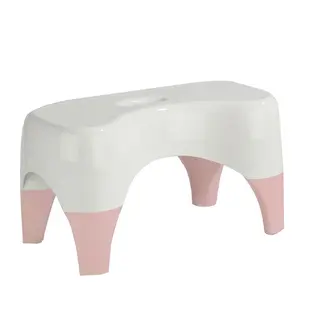
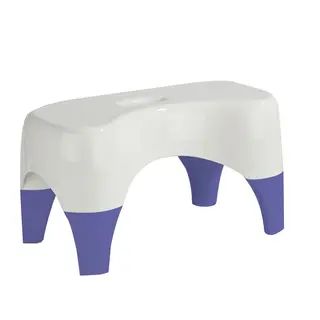
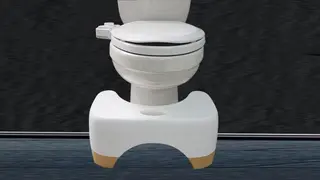
The toilet stools industry (also known as defecation posture correction stools or squatting stools) encompasses the design, manufacturing, and distribution of specialized footstools designed to elevate the feet during toilet use. These products aim to optimize the body's positioning by simulating a natural squatting posture, thereby facilitating easier and more complete bowel movements. This niche wellness industry intersects with bathroom accessories, healthcare, and ergonomic furniture markets.
Key Product Categories
By Design & Functionality:
-
Basic Incline/Ramp Stools: Simple, single-plane inclined stools that elevate feet at a fixed angle. Typically the most affordable and compact option.
-
Ergonomic/Angle-Adjustable Stools: Stools with multiple height settings or adjustable platforms to customize the squatting angle for individual preference and comfort.
-
Folding/Collapsible Stools: Space-saving designs that fold flat for storage or travel, popular for small bathrooms.
-
Children's Toilet Stools: Smaller-scale models designed specifically for kids to safely reach the toilet and adopt proper posture, often featuring non-slip surfaces and stable bases.
-
Multifunctional/Storage Stools: Designs that incorporate storage compartments within or underneath the stool for bathroom essentials like toilet paper or cleaning supplies.
-
High-End/Luxury Stools: Products made from premium materials (solid wood, bamboo, high-grade plastics) with designer aesthetics, advanced non-slip features, and enhanced stability.
By Primary Material:
-
Plastic/Polymer Stools: Lightweight, easy-to-clean, and often the most cost-effective. Common for basic and children's models.
-
Bamboo & Solid Wood Stools: Focus on natural aesthetics, sustainability, and durability. Often in the mid-to-high price range.
-
MDF/Wood Composite Stools: Offer a balance between cost, weight, and the appearance of wood.
-
Metal-Framed Stools: Typically feature a metal frame with a plastic or wooden platform, emphasizing strength and stability.
By Height & Ergonomics:
-
Standard Height (approx. 7-9 inches / 18-23 cm): Designed to raise feet to achieve the widely recommended ~35-degree hip flexion for posture correction.
-
Low Profile (below 7 inches): For users seeking a more subtle elevation or with space constraints.
-
Extra-Tall/Adjustable Height (above 9 inches): For taller individuals or those requiring a more pronounced squat angle.
Technology & Innovation Trends
-
Ergonomic Research Integration: Product designs increasingly informed by clinical studies and kinesiology research on the anorectal angle and pelvic floor mechanics.
-
Anti-Slip & Safety Enhancements: Advanced rubberized footings, textured top surfaces, and widened bases to prevent slipping or tipping during use.
-
Space-Optimized & Discreet Designs: Development of ultra-slim, wall-mountable, or toilet-hugging profiles that minimize bathroom footprint and visual presence.
-
Sustainable Material Sourcing: Use of recycled plastics, responsibly sourced bamboo, and FSC-certified woods in response to consumer demand for eco-friendly products.
-
Easy-Clean & Hygienic Surfaces: Incorporation of antimicrobial coatings or non-porous materials that resist moisture and are simple to wipe clean.
-
Direct-to-Consumer Marketing & Education: Brands leveraging online platforms to educate consumers on bowel health benefits, driving category awareness and adoption.
Global Market Drivers
-
Growing Consumer Focus on Digestive Health & Wellness: Rising awareness of the link between posture, constipation relief, and overall wellness, fueled by health media and influencer marketing.
-
Increased Prevalence of Sedentary Lifestyles: Desk-bound jobs and low-fiber diets contributing to digestive issues, creating demand for non-pharmacological intervention tools.
-
Aging Population Demographics: Older adults seeking solutions for age-related bowel regularity challenges and easier elimination.
-
Parental Concern for Child Potty Training & Health: Parents adopting stools to help children establish proper bathroom habits and prevent straining.
-
Mainstreaming Through E-commerce & Social Proof: Amazon, specialty online retailers, and social media reviews making products easily accessible and validating their utility for new customers.
-
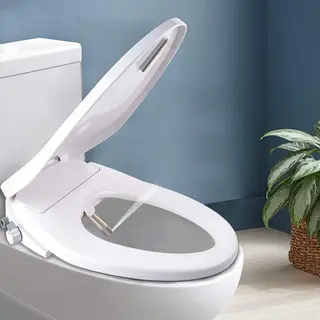
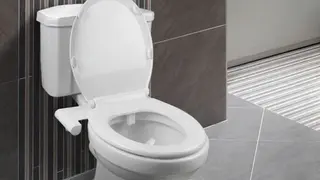
Integration into Broader "Bathroom Wellness" Trends: Part of a larger trend including bidets, smart toilets, and other products aimed at enhancing bathroom hygiene and comfort.
Industry Value Chain
-
Raw Material Suppliers: Providers of plastics, wood, bamboo, rubber, and packaging materials.
-
Manufacturers/OEMs: Factories, often located in Asia and North America, that produce stools based on brand specifications.
-
Brands & Marketers: Companies that design, brand, and market toilet stools. This includes dedicated wellness brands, bathroom accessory companies, and healthcare product firms.
-
Distribution Channels:
-
E-commerce/Direct-to-Consumer: Primary sales channel via brand websites, Amazon, and other online marketplaces.
-
Specialty Retailers: Health stores, bathroom specialty shops, and select furniture stores.
-
Mass Merchants & Big-Box Retailers: Increasingly carried in home improvement and department stores.
-
-
End Consumers: Health-conscious individuals, families with children, older adults, and individuals with specific digestive concerns.
Key Industry Challenges
-
Market Education & Awareness Hurdles: Overcoming skepticism and explaining the physiological benefits to first-time buyers remains a significant barrier.
-
Perception as a Niche or Novelty Item: Working to be recognized as a legitimate wellness tool rather than a fad product.
-
Intense Price Competition & Commoditization: Especially on Amazon and other online platforms, leading to margin pressure, particularly for basic plastic models.
-
Quality & Safety Consistency: Ensuring structural integrity, weight capacity, and slip resistance across all products, especially with many new entrants.
-
Limited Retail Shelf Space: Physical retail presence is often minimal, restricting impulse purchases and broader consumer discovery.
-
Cultural & Behavioral Resistance: Overcoming ingrained bathroom habits and potential embarrassment associated with product use in some demographics.
Future Outlook
The toilet stool market is transitioning from a niche product to a more mainstream bathroom accessory.
-
Clinical Validation & Medical Endorsement: Growing body of research and potential endorsement by gastroenterologists and pelvic floor therapists to boost credibility.
-
Design Sophistication & Aesthetic Integration: Stools will more closely match contemporary bathroom décor, moving from utilitarian to design-forward objects.
-
Smart Features & Integration: Potential for integration with smart home ecosystems (e.g., usage reminders, posture feedback via sensors) or linkage to health tracking apps.
-
Bundling with Complementary Products: Marketing as part of a holistic digestive wellness kit, alongside fiber supplements, bidets, or educational content.
-
Expansion into Senior Living & Healthcare Facilities: Adoption in assisted living, hospitals, and clinics as a non-invasive aid for patient bowel management.
-
Global Market Penetration: Increased awareness and adoption in markets beyond North America and Europe, particularly in Asia where squatting toilets are traditional.