1. Industry Definition & Scope
The Stickers Industry encompasses the design, manufacturing, and distribution of self-adhesive decorative or functional items produced on a variety of materials and supplied with a pressure-sensitive adhesive backing. This industry serves a wide spectrum of markets, ranging from consumer novelty and self-expression to commercial branding, industrial labeling, and political campaigning. It is characterized by high customization, rapid trend cycles, and diverse applications.
2. Major Product Categories
-
By Material & Construction:
-
Paper Stickers: Most common and economical, used for promotional items, scrapbooking, and basic product labels.
-
Vinyl Stickers: Durable, water-resistant, and UV-resistant. Ideal for outdoor use, vehicle decals, and long-lasting applications.
-
Polyester/PET Stickers: Offer high durability, chemical resistance, and a sleek appearance, often used for industrial labels, nameplates, and high-end product labels.
-
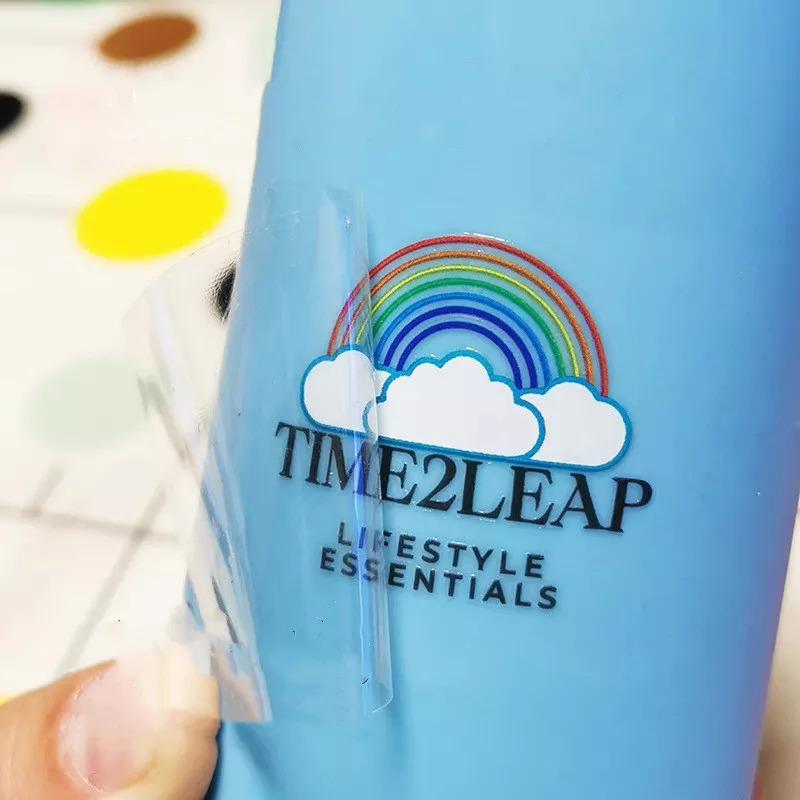
Clear/Transparent Stickers: Made from transparent vinyl or polyester, creating a "no-label" look when applied.
-
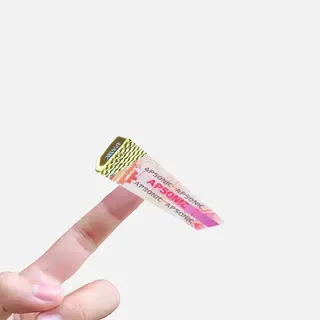
Specialty Material Stickers: Including holographic, glitter, flocked (velvet texture), glow-in-the-dark, and chrome finishes.
-
Kiss-Cut vs. Die-Cut: Kiss-cut stickers are cut through the face material but not the backing paper, allowing for easy peeling of multiple designs on one sheet. Die-cut stickers are individually cut and removed from the backing.
-
-
By End-Use & Market:
-
Consumer/Novelty Stickers: For personal expression, planner decoration, children's toys, laptop skins, phone cases, and collector's items. Often sold in packs or through subscription services.
-
Promotional & Branding Stickers: Used by businesses for marketing, events, and product packaging (e.g., "Thank You" stickers on mail orders, brand logo stickers).
-
Bumper Stickers & Political Campaign Decals: For personal statements and political messaging.
-
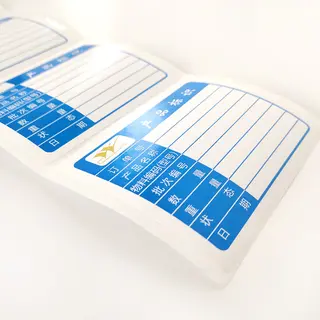
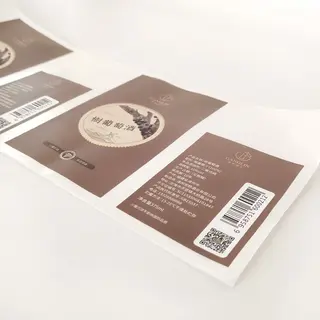
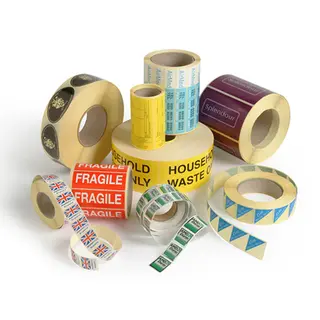
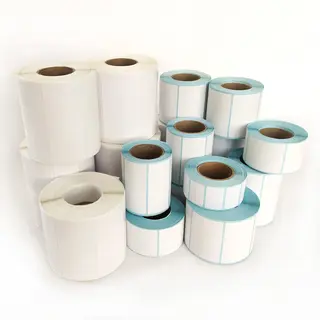
Product Labels & Industrial Stickers: Functional labels for pricing, inventory, UPC codes, or as part of a product's branding and information (a core overlap with the labels industry).
-
Craft & DIY Stickers: Sold to crafters for use in custom projects.
-
3. Industry Chain Structure
Upstream:
-
Raw Material Suppliers: Manufacturers of face stocks (paper, vinyl, polyester films), pressure-sensitive adhesives, release liners (silicone-coated backing paper), and inks (including specialty UV and pigment inks).
-
Equipment Manufacturers: Producers of digital and screen printing presses, die-cutting machines, laminators, and slitting/rewinding equipment.
Midstream (Sticker Manufacturers & Converters):
-
Large-Scale Commercial Printers: Handle high-volume orders for promotional and industrial labels.
-
Specialty Sticker Shops: Often focused on the consumer/novelty market, leveraging digital printing for short-run, highly customized orders.
-
Online Print-on-Demand (POD) Platforms: Automated services where customers upload designs and order small quantities directly (e.g., Sticker Mule, StickerApp, Redbubble). A dominant force in the consumer market.
-
Independent Artists & Small Studios: Design and produce limited-run or custom stickers, often selling through Etsy, social media, or at conventions.
Downstream:
-
Distribution Channels:
-
Online Marketplaces: Etsy, Amazon, dedicated POD platforms.
-
Retail Chains: Craft stores (Michaels), big-box retailers (Target, Walmart), bookstores, and novelty shops.
-
Direct Sales (B2B): To corporations, event organizers, and marketing agencies.
-
Artist/Designer Direct: Through personal websites and social media.
-
-
End Users: Consumers (all ages), businesses, non-profits, political campaigns, event organizers, crafters.
4. Key Market Dynamics & Characteristics
-
Low Barrier to Entry (for Small Scale): Digital printing and POD platforms have democratized production, allowing artists and small businesses to enter the market easily.
-
Extremely Fast Trend Cycles: Designs are heavily influenced by pop culture, internet memes, and seasonal trends, requiring agility from producers.
-
High Demand for Personalization & Customization: Consumers and businesses seek unique, bespoke designs in small quantities.
-
Dual Nature - Fun & Functional: The industry straddles the worlds of low-cost impulse purchases (novelty stickers) and serious commercial/industrial applications.
-
Power of Community & Artist-Driven Demand: Social media platforms (Instagram, TikTok, Pinterest) are crucial for discovery, trendsetting, and direct sales for independent creators.
5. Development Trends
-
Dominance of Digital Printing & POD:
-
Digital inkjet printing is the standard for short-run, full-color stickers, enabling infinite color and complex graphics without plate costs.
-
Growth of integrated web-to-print e-commerce platforms that automate the entire order-to-fulfillment process.
-
-
Rise of the "Sticker Artist" Economy:
-
Platforms like Etsy and social media have empowered individual artists to build global brands and loyal followings around their sticker designs.
-
Subscription sticker clubs (monthly mystery packs) have become a popular revenue model.
-
-
Innovation in Materials & Effects:
-
Constant development of new specialty materials (textured, iridescent, scratch-and-sniff) and finishing effects (matte vs. glossy lamination, spot UV coating) to create unique tactile and visual experiences.
-
-
Sustainability Focus:
-
Growing demand for eco-friendly materials such as recycled paper, bio-based vinyl alternatives, and compostable adhesives.
-
POD and small-batch production inherently reduce waste compared to large, speculative print runs.
-
-
Integration with Technology:
-
Use of QR codes on stickers to link to websites, social media, or augmented reality (AR) experiences.
-
Stickers as part of interactive marketing campaigns.
-
6. Major Challenges & Opportunities
Challenges:
-
Intense Competition & Price Pressure: Especially in the generic and promotional segments, and among POD platforms.
-
Commoditization Risk: For simple, standard products, competition is often based solely on price.
-
Supply Chain for Specialty Materials: Sourcing unique or new material effects can be challenging and costly for smaller producers.
-
Counterfeit & IP Infringement: Protecting original artwork from being copied and sold without permission is a constant battle for artists.
-
Waste from Backing Liners: The non-recyclable silicone-coated liner paper is a significant environmental concern for the industry.
Opportunities:
-
Explosive Growth of Niche Communities: Serving specific fandoms, hobbies, or aesthetic communities ("cottagecore," "vaporwave") with targeted designs.
-
Brand Collaboration & Licensing: Opportunities for sticker artists to collaborate with larger brands or license their designs.
-
Expansion into Functional/Decorative Hybrids: Stickers that also serve as cable organizers, shelf liners, or wall decals with functional purposes.
-
Global E-commerce Reach: Digital storefronts allow even the smallest creator to sell to a worldwide audience.
-
B2B Customization: Providing businesses with custom stickers for employee engagement, product launches, and corporate gifting.