1. Industry Definition & Scope
The Calendar Industry involves the design, production, publishing, marketing, and distribution of printed or digital date-keeping products and systems. It serves both functional time-management purposes and decorative, promotional, or gift-giving roles. The industry ranges from mass-produced commercial wall calendars to high-end art books, custom promotional items, and sophisticated digital/software platforms.
2. Major Product Categories
-
By Format & Medium:
-
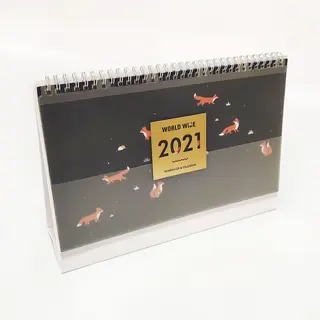
Wall Calendars: Single-sheet or page-per-month formats for hanging.
-
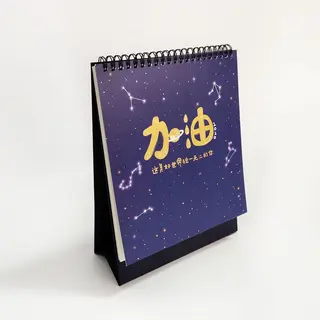
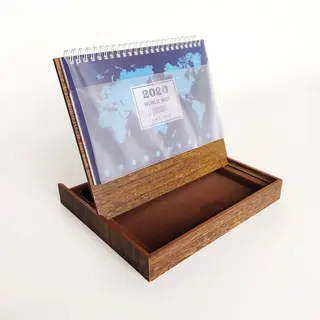
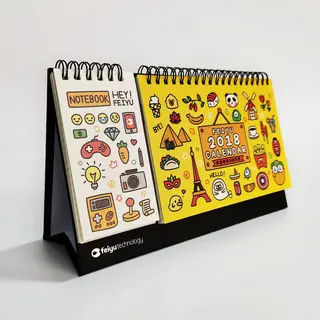
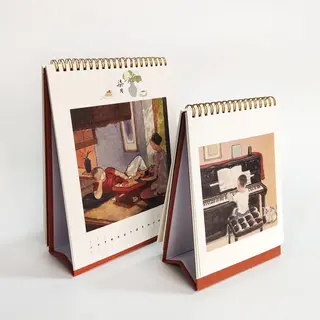
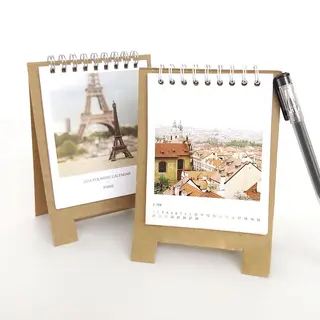
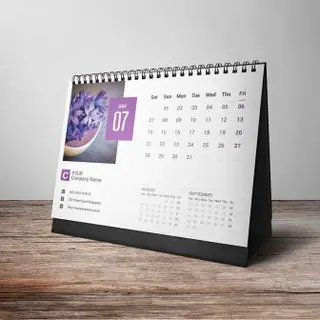
Desk/Page-a-Day Calendars: Tear-off or flip-style for daily use.
-
Engagement/Planner Calendars: Book-style with space for daily notes and appointments.
-
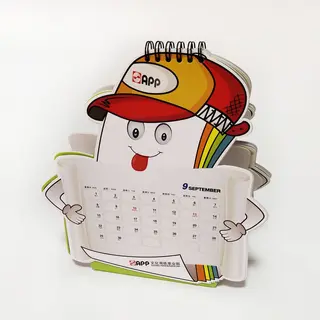
Specialty Calendars: Perpetual calendars, 3D/pop-up calendars, magnetic calendars, children's educational calendars.
-
Digital Calendars: Software applications (Google Calendar, Outlook), subscription-based digital art calendars, and calendar-generating APIs/services.
-
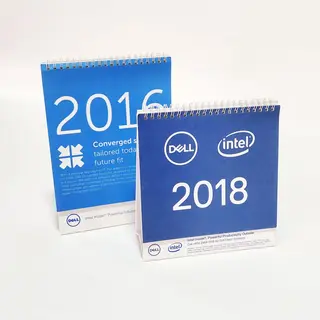
Promotional/Branded Calendars: Custom-produced for businesses as marketing tools.
-
-
By Content Theme:
-
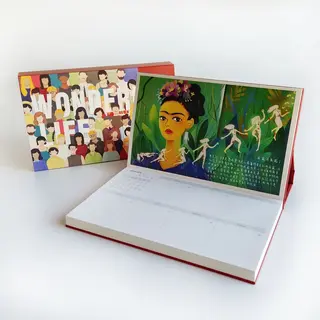
Art & Photography: Featuring works of famous artists, photographers, or thematic collections (nature, landscapes, classic cars).
-
Humor & Comics: Daily jokes, comic strips, or humorous illustrations.
-
Inspirational & Motivational: Featuring quotes, religious themes, or uplifting messages.
-
Special Interest: Focused on hobbies (gardening, cooking, sports teams), animals (cats, dogs, wildlife), or cultural themes.
-
Academic & Fiscal Calendars: Aligned with school years or corporate fiscal years.
-
Custom/Photo Calendars: Personalized with user-provided photos, often produced via online services.
-
3. Industry Chain Structure
Upstream:
-
Content Creators & Rights Holders: Photographers, artists, illustrators, cartoonists, licensors (e.g., Disney, National Geographic).
-
Paper & Material Suppliers: Manufacturers of coated paper, card stock, binding materials, and inks.
-
Software Developers: For digital calendar platforms, design templates, and online customization tools.
Midstream:
-
Publishers & Manufacturers: Large publishing houses (e.g., Andrews McMeel, Workman Publishing, teNeues), specialty calendar publishers, and printing companies.
-
Promotional Products Distributors: Companies that handle custom calendar orders for corporate clients.
-
Online Print-on-Demand (POD) Services: Platforms like Shutterfly, Vistaprint, and Snapfish that enable consumer-level customization and small-batch production.
Downstream:
-
Retail Channels:
-
Bookstores & Specialty Retailers
-
Mass Merchandisers (Walmart, Target)
-
Museum & Gift Shop Stores
-
Online Marketplaces (Amazon, Etsy)
-
Stationery & Office Supply Stores
-
-
Corporate Clients: Purchasing branded calendars for clients, employees, or partners.
-
Digital Platforms: App stores, software marketplaces for digital calendar products.
-
End Consumers: General public, businesses, institutions.
4. Key Market Dynamics & Characteristics
-
Extreme Seasonality: Over 90% of sales occur in Q4 (September-December), centered around holiday gift-giving.
-
Perishable Product: Inventory becomes obsolete after the new year begins, creating significant inventory risk and post-holiday clearance pressure.
-
High Dependence on Licensing & Content: Success often hinges on securing attractive, popular, or nostalgic imagery and brands.
-
Price Sensitivity & Competition: Intense competition at mass-market price points, especially in popular categories (cats, landscapes, humor).
-
Growth of Personalization: Strong consumer trend toward customized photo calendars, driving the online POD segment.
-
Digital Disruption & Coexistence: Digital calendars dominate functional daily scheduling, but printed calendars thrive as decorative, gift, and tactile planning items.
5. Development Trends
-
Premiumization & Niche Specialization:
-
Growth of high-quality, art-book-style calendars with premium paper, printing, and binding, targeting adult collectors and design enthusiasts.
-
Success of ultra-niche themes catering to specific fandoms or hobbies.
-
-
Integration with Technology:
-
Printed calendars featuring QR codes or AR markers that link to digital content, videos, or exclusive online offers.
-
Subscription models for "calendar clubs" delivering themed or surprise calendars periodically.
-
-
Sustainability Focus:
-
Use of FSC-certified paper, soy-based inks, and reduced plastic packaging.
-
Promotion of "undated" or perpetual calendar formats to reduce waste from yearly obsolescence.
-
-
Experiential & Interactive Designs:
-
Calendars that include activities, puzzles, or craft projects for each month.
-
Gamified or goal-tracking calendar formats.
-
-
Strengthening of Direct-to-Consumer (DTC) Channels:
-
Publishers and artists selling directly through their own websites and social media, often with exclusive designs.
-
6. Major Challenges & Opportunities
Challenges:
-
Short Sales Window & Inventory Gamble: Accurate demand forecasting is critical and risky. Unsold inventory represents total loss.
-
Rising Production & Licensing Costs: Increasing costs for materials, shipping, and popular intellectual property.
-
Competition from Digital Freeware: Free digital calendars (Google, Apple) capture the pure scheduling function.
-
Shifts in Gifting Habits: Potential decline in traditional physical gift-giving among younger demographics.
-
Supply Chain Volatility: Paper shortages and global logistics disruptions impact timely production and delivery.
Opportunities:
-
The "Analog Revival" & Mindfulness Trend: A counter-movement to digital overload, where physical calendars are valued for focus, tangibility, and as decorative art.
-
Corporate Gifting & ESG Alignment: Companies seeking high-quality, sustainable branded calendars as meaningful client gifts that reflect corporate values.
-
Leveraging Nostalgia & Collectibility: Curating themes that evoke nostalgia (80s, 90s pop culture) or are designed as collectible series.
-
Hybrid Digital-Physical Products: Creating printed calendar experiences enhanced by companion digital content or apps.
-
Expansion into Non-Traditional Retail: Placement in home decor stores, boutique hotels, and lifestyle cafes.