1. Industry Definition & Scope
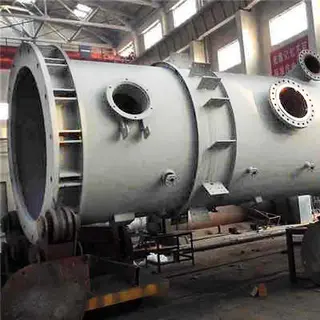
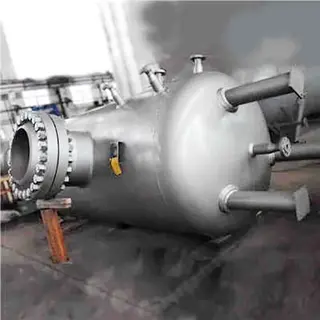
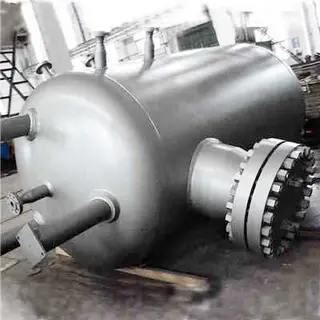
The Chemical Machinery & Equipment industry is a comprehensive sector that designs, manufactures, sells, and services specialized process equipment, unit operation devices, and complete technical packages for the chemical industry and process industries (encompassing petrochemicals, chemicals, pharmaceuticals, food, metallurgy, environmental protection, etc.). It materializes the principles of chemical engineering and serves as the core physical carrier for realizing chemical reactions, material separation, energy transfer, and substance transportation processes. It forms the cornerstone of modern chemical production plants.
2. Main Product Categories (By Process Unit)
1. Reaction Equipment
-
Agitated Reactors: Jacketed/coil-equipped kettle reactors, polymerization reactors, fermenters.
-
Fixed-Bed Reactors: Tubular reactors, shell & tube reactors, adiabatic reactors.
-
Fluidized-Bed Reactors: For gas-solid reactions like catalytic cracking, coal gasification.
-
Other Specialized Reactors: Microreactors, photochemical reactors, electrochemical reactors, supercritical reactors.
-
Key Internals: Impellers (turbine, propeller, etc.), heat exchange internals, gas spargers.
2. Separation & Purification Equipment
-
Distillation/Fractionation Equipment: Tray columns (sieve, valve), packed columns (random, structured), reboilers, condensers.
-
Extraction Equipment: Mixer-settlers, extraction columns (pulsed sieve plate), centrifugal extractors.
-
Crystallization Equipment: Oslo crystallizers, DTB crystallizers, cooling crystallizers.
-
Adsorption & Ion Exchange Equipment: Fixed-bed adsorbers, simulated moving beds (SMB).
-
Membrane Separation Equipment: Reverse osmosis, nanofiltration, ultrafiltration, microfiltration, gas separation membrane modules.
-
Drying Equipment: Spray dryers, fluidized bed dryers, drum dryers, freeze dryers.
-
Centrifugal & Filtration Equipment: Centrifuges (decanter, disc), filter presses, vacuum filters.
3. Mass & Heat Transfer Equipment
-
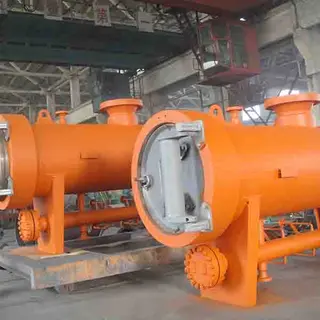
Heat Exchangers: Shell & tube, plate, spiral plate, air coolers.
-
Evaporators: Multi-effect evaporators, Mechanical Vapor Recompression (MVR) evaporators.
-
Condensation & Cooling Equipment: Condensers, cooling towers.
4. Fluid Handling & Storage Equipment
-
Pumps: Centrifugal pumps, positive displacement pumps (reciprocating, gear), magnetic drive pumps, canned motor pumps.
-
Compressors & Fans: Centrifugal compressors, reciprocating compressors, screw compressors, Roots blowers, centrifugal fans.
-
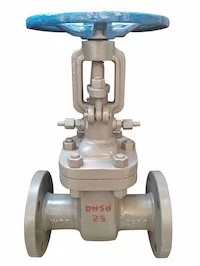
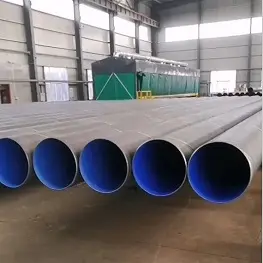
Valves & Piping: Control valves, globe valves, ball valves, butterfly valves, special alloy/lined pipes & fittings.
-
Storage Equipment: Atmospheric/pressure tanks, day tanks, intermediate tanks, spherical tanks.
5. Solids Handling Equipment
-
Size Reduction Equipment: Jaw crushers, jet mills, ball mills, bead mills.
-
Mixing & Granulation Equipment: Double cone blenders, V-blenders, fluidized bed granulators, extrusion spheronizers.
-
Conveying & Feeding Equipment: Screw conveyors, belt conveyors, bucket elevators, pneumatic conveying systems, solids feeders.
6. Process Control & Automation Equipment
-
Instrumentation: Online analyzers (pH, concentration, particle size), flow meters, level transmitters, pressure/temperature transmitters.
-
Control Systems: Distributed Control Systems (DCS), Programmable Logic Controllers (PLC), Safety Instrumented Systems (SIS).
-
Actuators: Electric/pneumatic valve actuators.
7. Package Units & Modularized Equipment
-
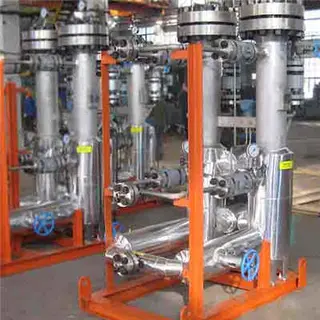
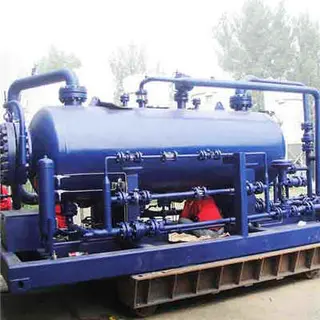
Skid-Mounted Units: Chemical injection skids, refrigeration packages, packaged water treatment systems.
-
Core Equipment of Specialized Process Packages: e.g., distillation columns and cold boxes in air separation units, methanol synthesis reactors.
3. Industry Chain Structure
Upstream:
-
Raw Material Suppliers: Special steels (stainless, duplex, Hastelloy, titanium), non-ferrous metals, high-performance composites, engineering plastics, technical ceramics, sealing materials.
-
Core Components & Parts: High-performance mechanical seals, bearings, motors, gearboxes, instrumentation sensors, valve actuators, specialized packings/trays.
-
Design & Software Services: Process licensors, engineering companies (providing P&IDs, equipment datasheets), CAE/CAD software, process simulation software.
Midstream:
-
Equipment Manufacturers:
-
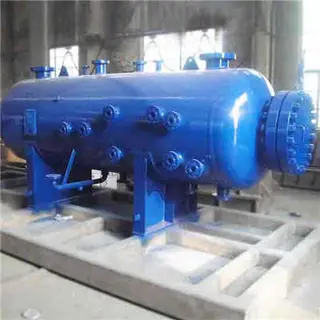
Integrated Heavy Equipment Groups: Capable of supplying core static equipment (reactors, separators) and some rotating equipment.
-
Specialized Segment Leaders: Globally competitive in specific areas like drying, filtration, centrifugation, mixing.
-
Rotating Equipment Specialists: Focused on pumps, compressors, fans.
-
Instrumentation & Valve Specialists.
-
-
System Integrators & Engineering Contractors: Responsible for integrating various equipment into complete process units or production lines.
Downstream:
-
End-User Industries:
-
Basic Chemicals: Ethylene, propylene, fertilizers (ammonia, urea), chlor-alkali, soda ash.
-
Petrochemicals: Oil refining, aromatics, olefin derivatives.
-
Fine Chemicals & Pharmaceuticals: Agrochemicals, dyes, paints, APIs, intermediates.
-
New Materials: High-performance resins, specialty fibers, electronic chemicals.
-
Environmental Protection & New Energy: Water treatment, waste gas treatment, lithium battery materials, biomass chemicals.
-
-
Primary Buyers: Typically Engineering, Procurement & Construction (EPC) contractors for new projects or the procurement departments of large chemical companies.
-
Service Market: Equipment installation, commissioning, maintenance, spare parts supply, technical revamping, smart upgrade services.
4. Core Industry Characteristics & Barriers
1. Process-Oriented & Highly Customized
-
Dominance of Non-Standard Design: Equipment parameters (size, structure, material) are strictly dictated by specific process conditions (temperature, pressure, medium, capacity).
-
Deep Integration of Process & Mechanical: Excellent design requires profound understanding of process knowledge like chemical thermodynamics, kinetics, fluid mechanics.
2. Demanding Service Conditions & Material Requirements
-
"Three Highs" (High Temp, High Pressure, High Corrosion): Operation in extreme environments demands exceptional material properties (corrosion resistance, high-temperature strength, hydrogen embrittlement resistance).
-
Cleanliness & Sterility: Pharmaceutical and food industries require smooth surfaces, no dead legs, and Clean-in-Place/Sterilize-in-Place capability.
-
Hazardous Media Handling: Processing flammable, explosive, toxic media necessitates supreme sealing and safety features.
3. High Technology Integration & Precision Manufacturing
-
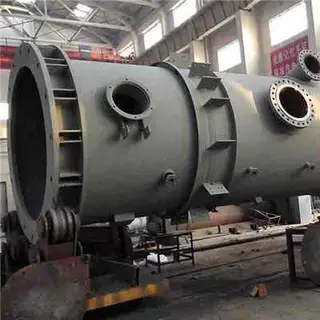
Complex Fabrication: e.g., precise installation of internals in large columns, microfabrication of channels in high-efficiency heat exchangers.
-
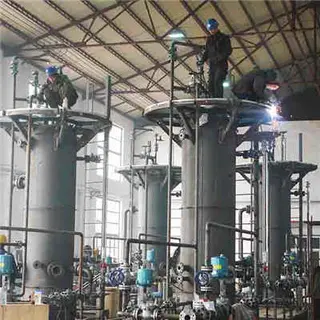
Special Welding Techniques: Dissimilar metal welding, thick-wall welding, corrosion-resistant alloy welding.
-
Precision Machining & Dynamic Balancing for Rotating Equipment: Rotors for high-speed centrifuges, impellers for compressors.
-
Sealing Technology: Leak-free pumps (magnetic drive, canned motor) and special seals for hazardous services.
4. Stringent Regulations & Certification Systems
-
Pressure Equipment Safety Codes: Must comply with safety regulations for pressure vessels and piping.
-
Industry-Specific Standards: GMP/FDA requirements for pharma; sanitary standards (e.g., 3A) for food.
-
International Certifications: ASME, PED, API certifications are passports to global markets.
5. Development Trends
-
High Efficiency, Energy Saving & Green Development:
-
Developing high-capacity, low-pressure-drop column internals and high-efficiency heat exchangers to reduce energy consumption.
-
Applying energy-saving tech like MVR and heat pumps to evaporation/distillation.
-
Emphasizing resource recycling and waste minimization in equipment design.
-
-
Scale-up & Modularization:
-
Continued scaling-up of basic chemical plants drives record-breaking single-train equipment sizes.
-
Modular design and skid-mounted supply to shorten field installation time, suitable for remote locations or standardized units.
-
-
Intelligentization & Digital Integration:
-
Smart Equipment: Embedded sensors for condition monitoring, predictive maintenance, and performance optimization.
-
Digital Twin: Creating virtual models for design optimization, operation simulation, and fault diagnosis.
-
Smart Manufacturing: Applying robotic welding and automated production lines to enhance quality and efficiency.
-
-
New Materials & Novel Structures:
-
Promoting high-performance corrosion-resistant alloys, composites, technical ceramics.
-
Developing new equipment like microreactors and structured reactors for intensified transport processes.
-
-
Service Model Innovation:
-
Transitioning from "selling equipment" to "selling services + solutions," offering lifecycle management, remote O&M, performance guarantee contracts.
-
6. Key Challenges & Opportunities
Challenges:
-
High-End Market Dominance by Foreign Players: Reliance on imports for some high-end specialty equipment, core pumps, and control valves persists.
-
High R&D Investment & Long Cycles: Validation of new products/materials requires close collaboration with process development, involving high cost and risk.
-
Structural Talent Shortage: Severe lack of interdisciplinary talent (process + mechanical) and highly skilled welders, fitters.
-
Cyclical Volatility: Industry fortunes are strongly tied to the investment cycles of the downstream chemical sector.
Opportunities:
-
Industrial Upgrading & Stricter Safety/Environmental Standards: Revamping of aging plants and tighter regulations drive demand for high-performance, reliable equipment.
-
New Tracks under "Dual Carbon" Strategy:
-
New Energy: Equipment for lithium battery materials, hydrogen energy (electrolyzers, storage), Carbon Capture, Utilization & Storage (CCUS).
-
Biochemicals: Specialized equipment for bio-fermentation and biorefining.
-
-
Accelerated Import Substitution: Domestic substitution of key equipment is speeding up, driven by both policy and market demand.
-
Belt & Road Initiative & Globalization: Overseas EPC projects by Chinese engineering companies drive the export of domestically made equipment.
-
Growth of Fine Chemicals & New Materials: The small-batch, multi-product nature creates opportunities for customized, flexible small-to-medium equipment manufacturers.