1. Industry Definition & Scope
The Mobile Toilets Industry refers to the ecosystem involved in the design, manufacturing, rental, deployment, servicing, and waste management of self-contained, relocatable sanitation units that do not require connection to permanent water supply or sewerage infrastructure. This industry serves as a critical provider of temporary, flexible, and hygienic sanitation solutions for events, worksites, public spaces, and emergency situations, operating at the intersection of facilities management, public health, and environmental services.
2. Major Product & Service Categories
-
By Product Type & Configuration:
-
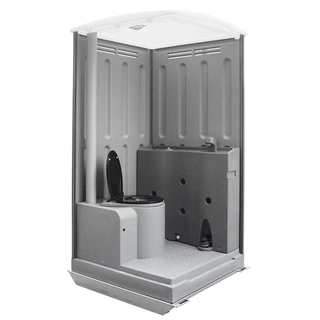
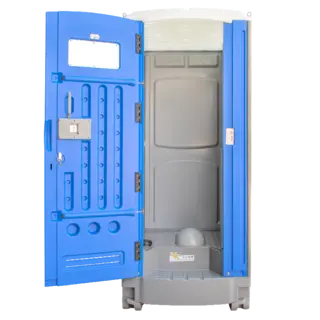
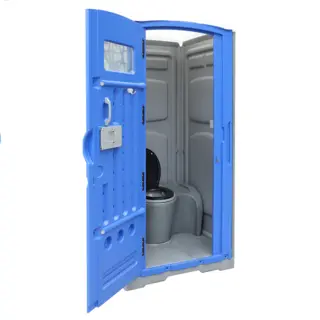
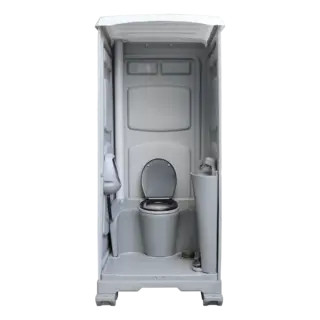
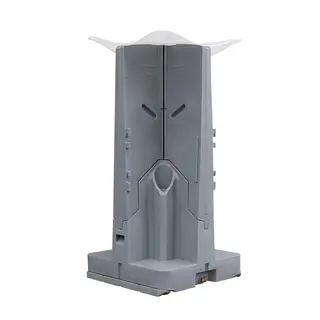
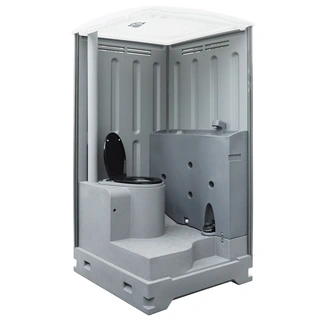
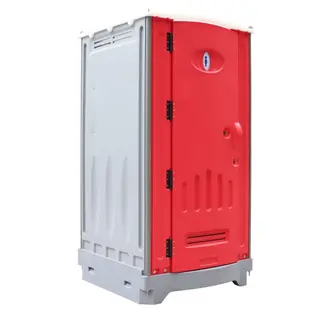
Standard Single-Unit Mobile Toilets (Porta-Potties): Basic plastic cabins with holding tank, seat, urinal, and chemical system.
-
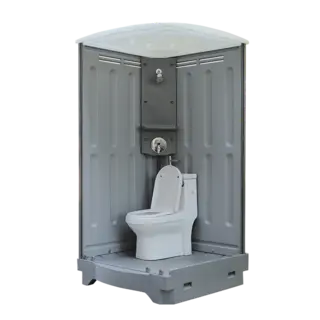
Deluxe/Executive Units: Enhanced cabins with hand sanitizers, improved ventilation, lighting, and premium finishes.
-
ADA-Compliant Wheelchair Accessible Units: Larger units with ramps, grab bars, and spacious interiors.
-
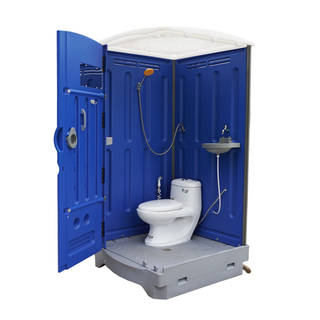
Mobile Toilet & Shower Trailers: Multi-stall, trailer-mounted facilities with flush toilets, sinks, mirrors, and separate shower compartments. Range from basic to luxury.
-
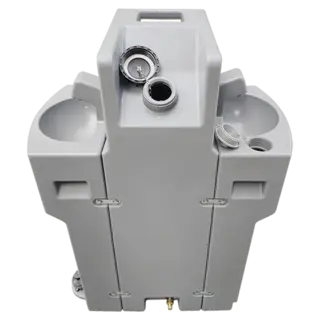
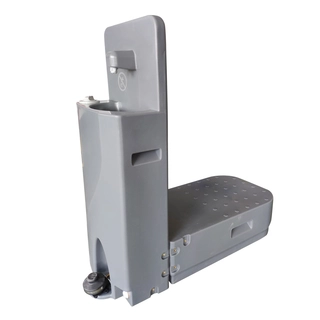
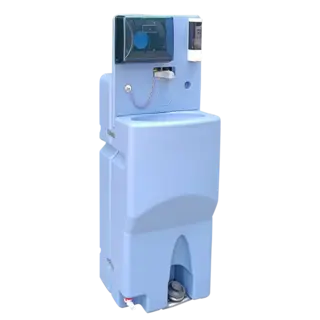
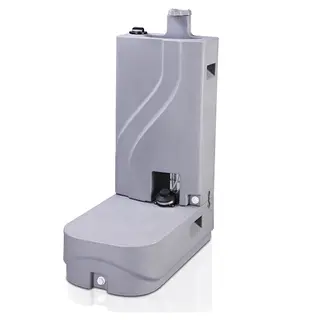
Handwashing/Sanitation Stations: Standalone or trailer-mounted units with water tanks, soap, and paper towel dispensers.
-
Incinerating & Waterless Toilets: Advanced units that vaporize waste, used in extreme environments or eco-sensitive areas.
-
Smart/Connected Units: Integrated with IoT sensors for fill-level monitoring, usage tracking, and predictive maintenance.
-
-
By Service Model:
-
Short-Term Event Rental: For festivals, concerts, sports events, weddings.
-
Long-Term Construction/Project Rental: For building sites, infrastructure projects, film sets.
-
Municipal & Public Space Placements: Semi-permanent installations in parks, tourist areas, or urban districts.
-
Emergency & Disaster Response: Rapid deployment for natural disasters, refugee camps, and public health crises.
-
Sales of Units: Direct purchase for permanent placement by campsites, parks, or remote facilities.
-
3. Industry Chain Structure
Upstream:
-
Raw Materials: Polyethylene plastic resins, fiberglass, stainless steel, aluminum, treated lumber (for trailers).
-
Component Suppliers: Toilet seats, holding tanks, ventilation fans, pumps, locks, doors, plumbing fixtures, chemical solutions.
-
Manufacturers: Companies specializing in molding cabin shells and assembling complete units or building luxury trailers.
-
Chassis & Trailer Builders: For towable restroom trailer systems.
Midstream (Core Industry Players):
-
Rental & Service Companies: The heart of the industry. They own fleets, handle logistics (delivery, siting, retrieval), and provide routine servicing (pumping waste, cleaning, restocking).
-
National/Global Players: United Site Services (US), Satellite Industries, Sanitech.
-
Regional & Local Operators: Numerous small-to-medium enterprises.
-
-
Distributors/Dealers: Intermediaries selling units to smaller rental companies or end-users.
-
Fleet Management & Logistics: Scheduling, routing, and asset tracking operations.
Downstream:
-
End-User Markets:
-
Construction (Largest Segment): Commercial, residential, and civil engineering projects.
-
Event Management: Music festivals, fairs, sporting events, corporate functions.
-
Government & Municipalities: Parks departments, public works, emergency services.
-
Entertainment Industry: Film/TV production locations.
-
Hospitality: Outdoor venues, campgrounds, marinas.
-
-
Waste Management Partners: Licensed liquid waste haulers and treatment facilities that process collected waste.
-
Support Services: Site planning consultants, cleaning chemical suppliers, portable sanitation certification trainers.
4. Key Market Dynamics & Characteristics
-
High Service Dependency: Competitive advantage is built on reliability, cleanliness, responsive service, and customer relationships, not just asset ownership.
-
Strong Cyclicality & Weather Dependence: Demand peaks during construction season (spring-fall) and summer event calendar. Inclement weather can abruptly cancel events.
-
Regulatory Intensive: Compliance with health department codes, environmental regulations (waste disposal, chemical use), accessibility laws (ADA), and local permitting is mandatory.
-
Capital & Labor Intensive: Requires significant investment in fleet assets and specialized service vehicles (vacuum trucks). Labor costs for drivers/technicians are substantial.
-
Consolidation & Franchising: Increasing acquisition of regional operators by national platforms and growth of franchise models to achieve scale.
5. Development Trends
-
Technology Integration & Digitization:
-
IoT & Telematics: Sensors monitor tank levels, door cycles, and interior conditions in real-time, enabling predictive servicing and reducing unnecessary trips.
-
Management Software: Advanced platforms for fleet tracking, dynamic routing, inventory management, and digital customer portals.
-
-
Hygiene & Health Innovation:
-
Touchless Technology: Automatic flush, touch-free soap/towel dispensers, foot-pedal door openers.
-
Advanced Sanitization: UV-C light systems, antimicrobial coatings, and improved ventilation for airborne pathogen reduction.
-
Integrated Handwashing: Making handwash stations a standard companion to every toilet bank.
-
-
Sustainability & Green Solutions:
-
Water Conservation: Promotion of waterless/incinerating models and water-efficient flush systems in trailers.
-
Eco-friendly Chemicals: Biodegradable, non-formaldehyde-based deodorizers and waste treatments.
-
Solar Power: Widely adopted to power interior lights and ventilation fans.
-
Waste Valorization: Exploration of waste-to-energy or nutrient recovery from collected waste.
-
-
User Experience & Premiumization:
-
Luxury Restroom Trailers: High-demand for events and upscale venues, featuring air conditioning, heating, premium finishes, and music.
-
Improved Aesthetics & Durability: Better-designed cabins that blend into event themes or urban landscapes.
-
-
Expansion into New Applications:
-
Urban Sanitation: Addressing public restroom shortages in cities to improve public health and dignity.
-
Homelessness Support: Providing clean, safe facilities as part of social service programs.
-
6. Major Challenges & Opportunities
Challenges:
-
Labor & Driver Shortages: Difficulty in recruiting and retaining CDL-licensed drivers and service technicians.
-
Economic Sensitivity: Vulnerable to downturns in construction and cancellations of discretionary events.
-
Regulatory Complexity & Cost: Navigating varying local regulations and rising compliance costs.
-
Fuel & Operational Cost Volatility: Profitability squeezed by fluctuations in diesel prices and maintenance costs.
-
Negative Stigma & Vandalism: Overcoming the "dirty porta-potty" perception and managing unit security.
Opportunities:
-
Infrastructure Investment Boom: Government spending on roads, bridges, and public works directly fuels long-term rentals.
-
Growth of the Experience Economy: Continued expansion of festivals, outdoor dining, and large-scale events.
-
Disaster Preparedness Contracts: Stable revenue from government and NGO contracts for emergency response readiness.
-
Data-Driven Efficiency: IoT and AI offer massive potential to optimize routes, reduce fuel use, and improve asset utilization.
-
Public-Private Partnerships (PPPs): Collaborating with cities to design, install, and manage public mobile toilet networks.