Industry Definition & Scope
The luggage and travel bags industry encompasses the design, manufacturing, and distribution of portable containers and carrying systems specifically engineered for travel and mobility. This comprehensive sector integrates materials science, ergonomic engineering, security technology, and fashion aesthetics to serve diverse travel needs ranging from business trips and family vacations to adventure expeditions and digital nomadism.
Key Product Categories
-
By Product Type:
-
Hard-side Luggage: Polycarbonate, ABS, aluminum cases with shell construction
-
Soft-side Luggage: Fabric-based suitcases with flexible structures
-
Travel Backpacks: Multi-day packs with organizational systems
-
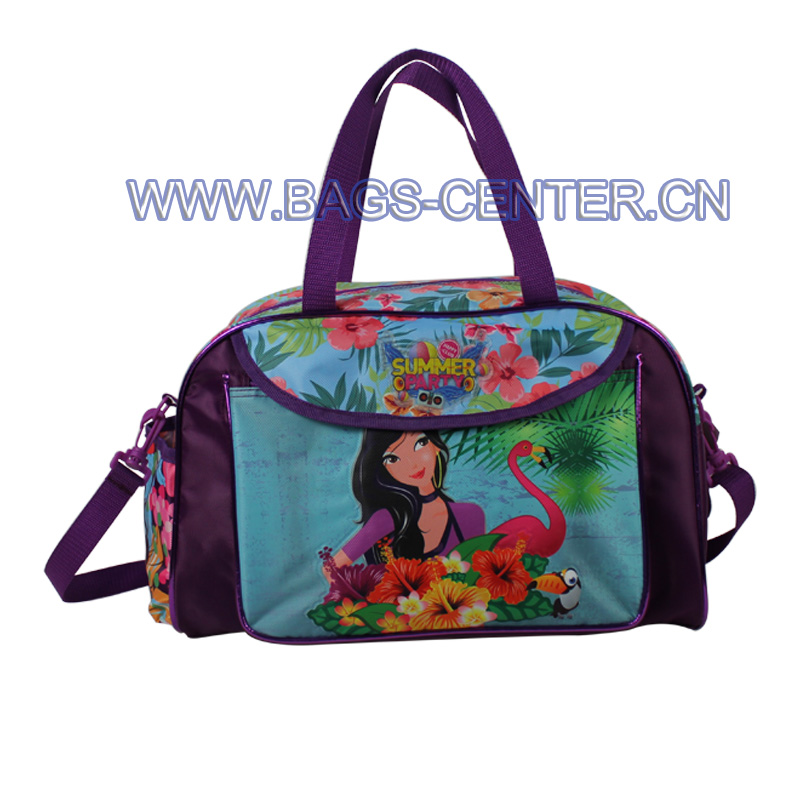
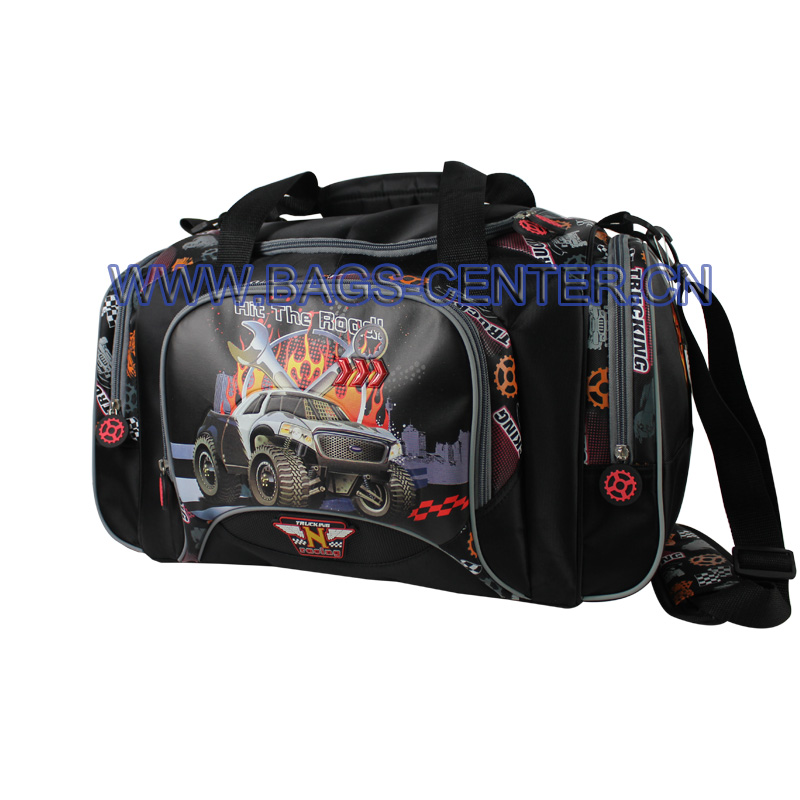
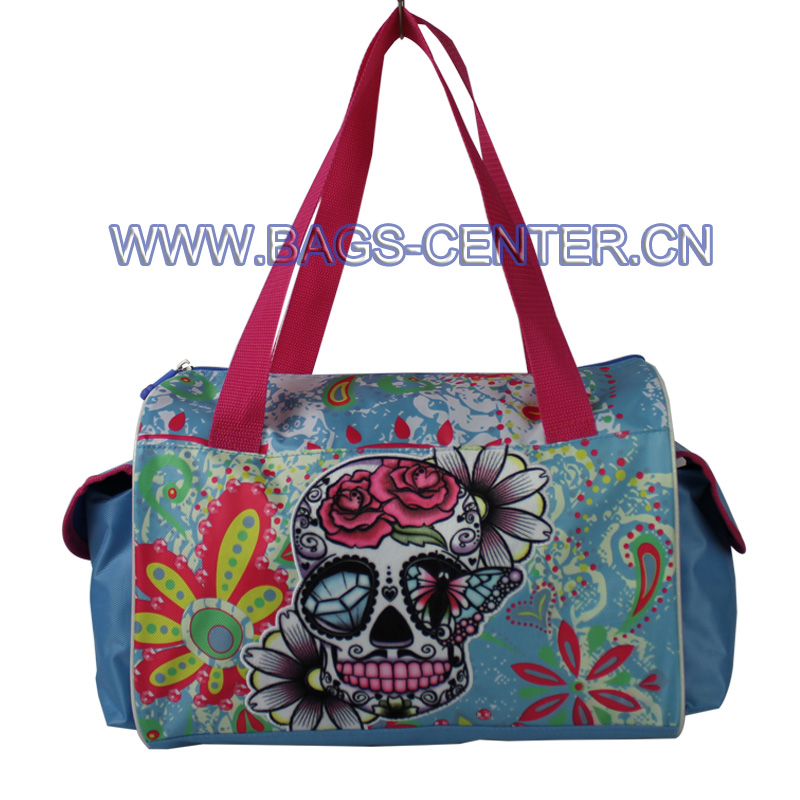
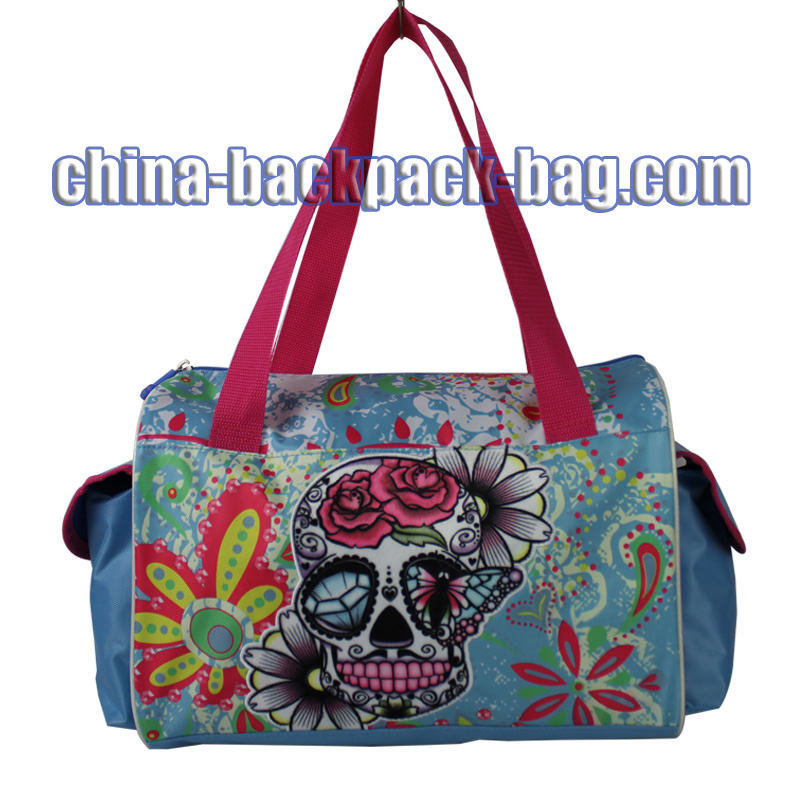
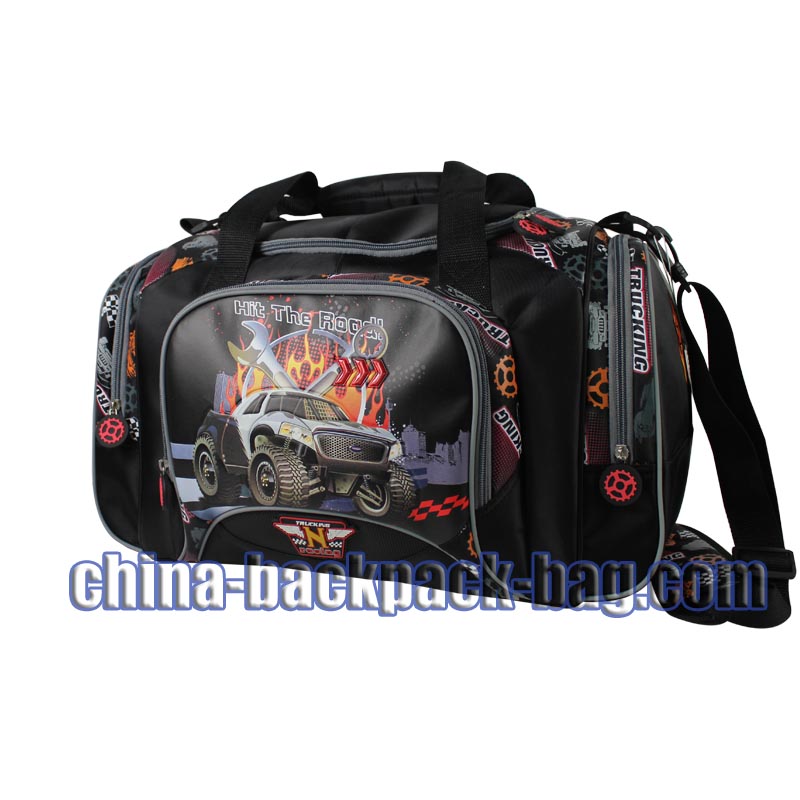
Duffel Bags: Cylindrical soft bags for gym and casual travel
-
Garment Bags: Specialized bags for suits and formal wear
-
Carry-on Luggage: IATA-compliant cabin-sized luggage
-
Specialized Travel Bags: Photography, dive gear, ski/snowboard bags
-
-
By Material Technology:
-
Polycarbonate (PC): Lightweight, impact-resistant for hard cases
-
Ballistic Nylon: High-denier fabric for durability
-
Polyester & Cordura: Treated fabrics for water and abrasion resistance
-
Aluminum Alloys: Premium lightweight metal constructions
-
Sustainable Materials: Recycled plastics, organic fabrics, plant-based alternatives
-
Hybrid Materials: Combination of hard and soft elements
-
-
By Travel Application:
-
Business Travel: Professional briefcases, rolling laptop cases
-
Leisure Travel: Family-sized suitcases, vacation luggage sets
-
Adventure Travel: Ruggedized bags for outdoor conditions
-
Digital Nomad: Tech-integrated bags for remote work
-
Luxury Travel: Designer luggage with premium materials and finishes
-
Budget Travel: Affordable yet functional travel solutions
-
-
By Technology Integration:
-
Smart Luggage: GPS tracking, digital locks, built-in scales
-
Connected Bags: Bluetooth tracking, proximity alerts
-
Power-enabled: USB charging, removable battery packs
-
Security-enhanced: TSA-approved locks, RFID protection
-
Technology & Innovation Trends
-
Smart Technology Integration:
-
IoT-enabled luggage with real-time location tracking
-
Biometric locking systems (fingerprint, facial recognition)
-
Weight sensors with mobile app connectivity
-
Automated check-in and bag drop integration
-
-
Advanced Material Science:
-
Self-healing polyurethane coatings for scratch resistance
-
Phase-change materials for temperature control
-
Antimicrobial and odor-resistant fabric treatments
-
Lightweight carbon fiber composites
-
-
Ergonomic & Design Innovations:
-
360-degree spinner wheel systems with all-terrain capability
-
Telescopic handles with multiple height adjustments
-
Compression packing systems maximizing space efficiency
-
Modular designs with convertible configurations
-
-
Sustainability Initiatives:
-
Circular economy models with take-back programs
-
Bio-based polymers from renewable sources
-
Waterless manufacturing and eco-friendly dyes
-
Carbon footprint tracking and offset programs
-
Global Market Drivers
-
Post-pandemic recovery of global travel and tourism
-
Rise of business travel and hybrid work arrangements
-
Growing middle-class in emerging markets traveling more frequently
-
Increased adventure and experiential travel trends
-
Airline baggage policies driving demand for carry-on optimization
-
E-commerce growth expanding direct-to-consumer access
-
Sustainability awareness influencing purchasing decisions
-
Technological advancement enabling smart travel solutions
Major Players & Value Chain
-
Premium Brands: Samsonite, Tumi, Rimowa, Briggs & Riley
-
Heritage Brands: Louis Vuitton, Gucci (travel collections), Globe-Trotter
-
Contemporary Brands: Away, July, Travelpro, Eagle Creek
-
Outdoor Specialists: Osprey, Patagonia, The North Face
-
Mass Market: American Tourister, Rockland, Delsey
-
Value Chain: Material suppliers → manufacturing → design/R&D → branding → distribution (retail/e-commerce/wholesale) → after-sales → consumers
Challenges & Opportunities
-
Challenges:
-
Airline restrictions on smart luggage batteries
-
Counterfeit products and brand imitation
-
Supply chain disruptions and material cost volatility
-
Environmental impact concerns
-
Intense competition in mature markets
-
-
Opportunities:
-
Smart luggage ecosystem development
-
Rental and subscription service models
-
Personalization and customization trends
-
Health and safety features post-pandemic
-
Emerging market expansion
-
Sustainable innovation leadership
-
Integration with travel tech platforms
-