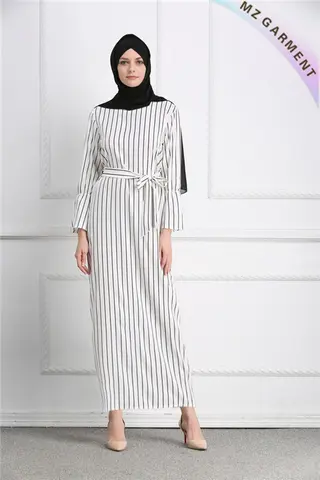
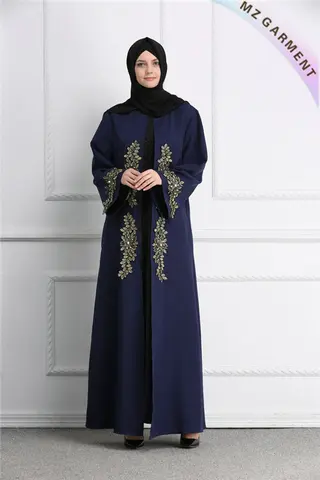
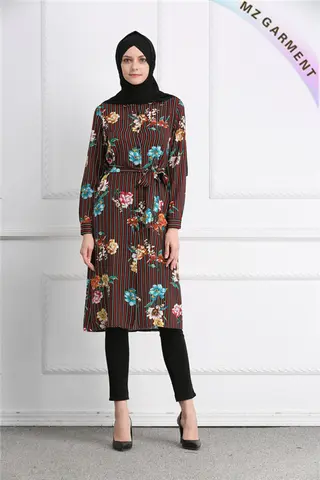
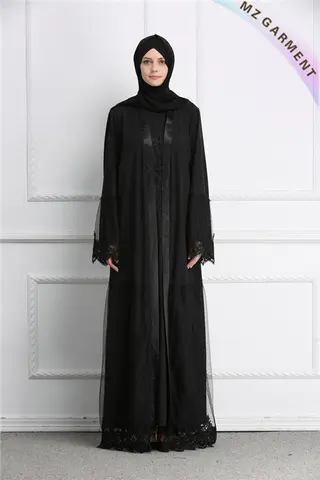
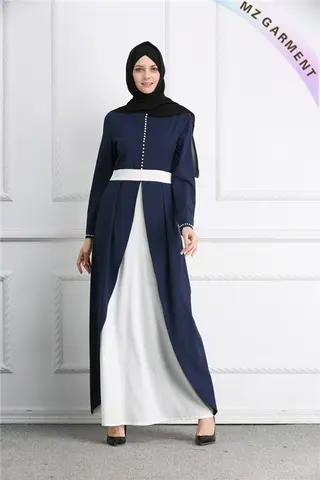
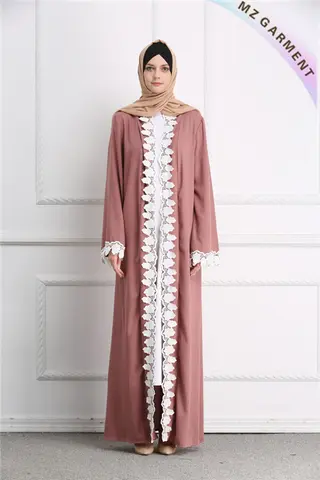
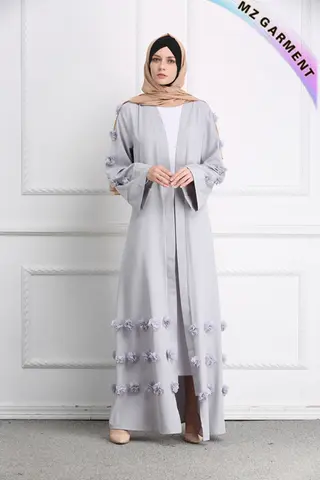
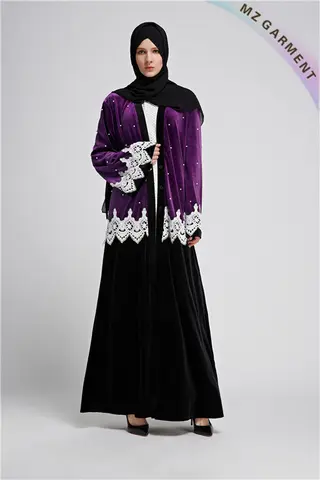
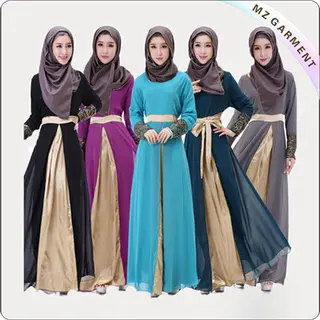
1. Industry Definition & Scope
The Dresses Industry is a specialized segment within the global apparel and fashion sector, focused on the design, manufacturing, marketing, and retail of single-piece garments for women and girls, known as dresses. It represents a significant and iconic portion of the womenswear market, characterized by its cyclical nature, strong fashion influence, and presence across all price points and occasions, from casual daywear to formal evening gowns.
2. Major Product Categories
-
By Silhouette & Cut:
-
A-Line: Fitted at the bodice and flares out towards the hem.
-
Sheath/Slip: A close-fitting, straight-cut dress that follows the body's contours.
-
Fit-and-Flare: Fitted through the bodice and waist, with a flared skirt.
-
Empire Waist: High waistline just below the bust, with a flowing skirt.
-
Shift: A simple, straight dress with no defined waistline.
-
Bodycon: Tight-fitting, often made of stretch fabric, emphasizing the body's shape.
-
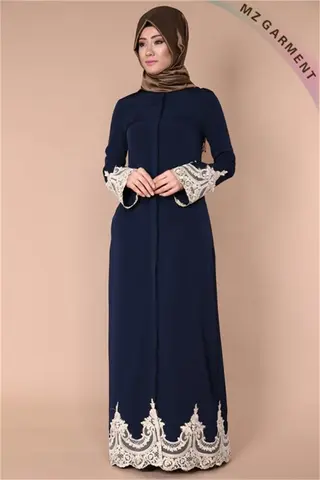
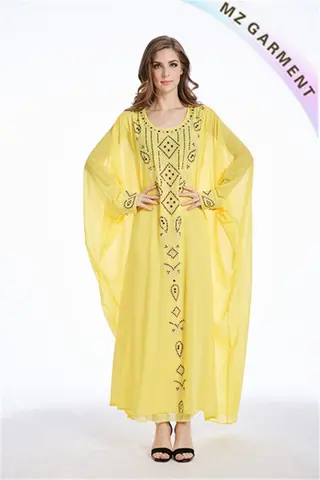
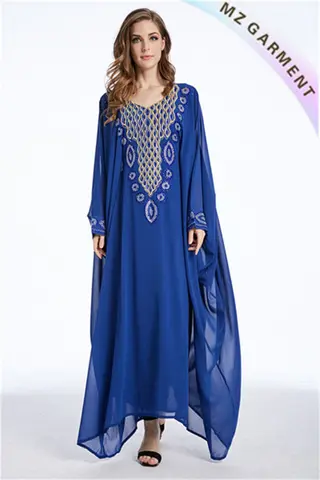
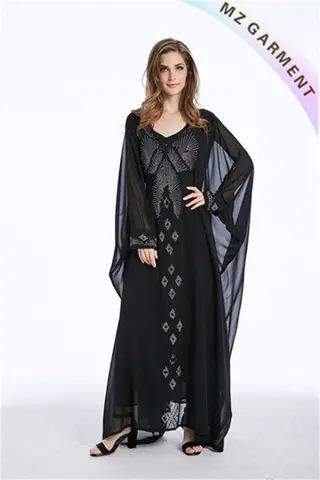
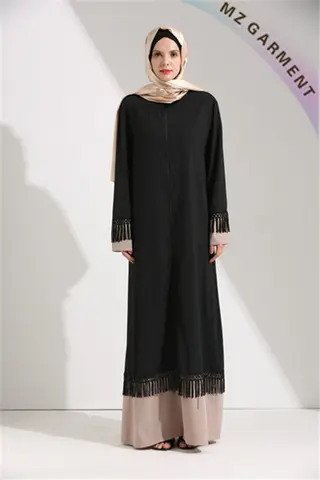
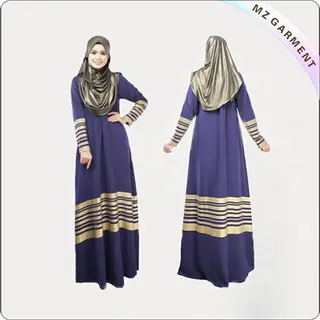
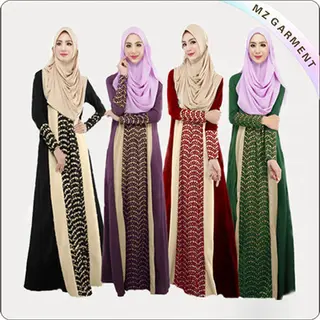
Maxi/Midi/Mini: Defined by length (ankle-length, calf-length, above-knee).
-
-
By Occasion & Style:
-
Casual/Daywear: Simple, comfortable dresses for everyday wear (e.g., sundresses, shirt dresses, knit dresses).
-
Cocktail: Knee-length or tea-length dresses for semi-formal events.
-
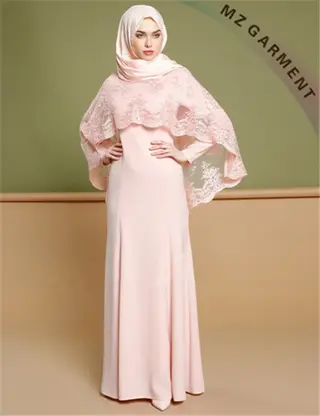
Evening/Formal Gowns: Long, elaborate dresses for galas, weddings, and black-tie events.
-
Bridal: Wedding dresses, a massive and specialized sub-industry.
-
Workwear/Office: Professional, polished dresses suitable for a business environment.
-
Party Dresses: Festive, often embellished dresses for celebrations.
-
-
By Design & Detail:
-
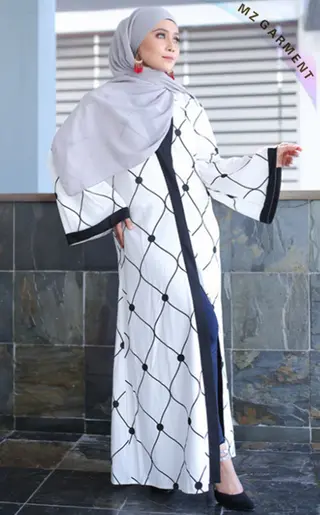
Prints: Floral, geometric, abstract, animal prints, etc.
-
Necklines: V-neck, scoop, boatneck, halter, off-the-shoulder.
-
Sleeves: Sleeveless, cap sleeve, short sleeve, long sleeve, puff sleeve.
-
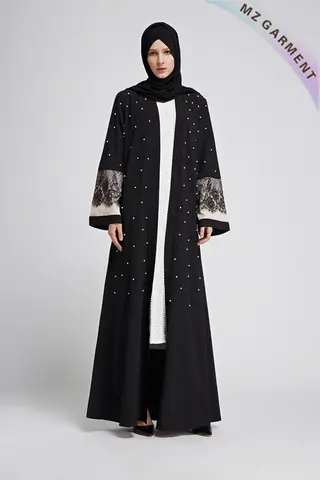
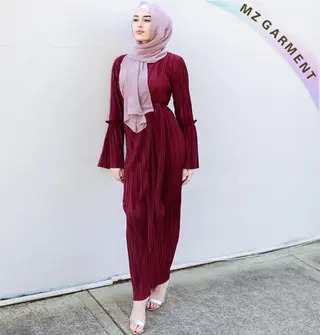
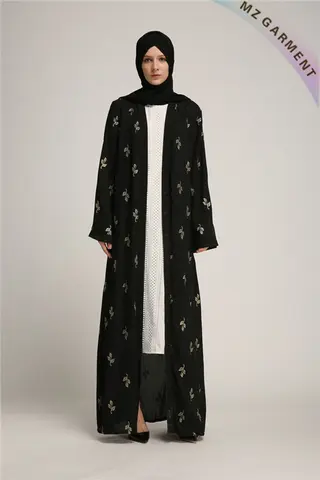
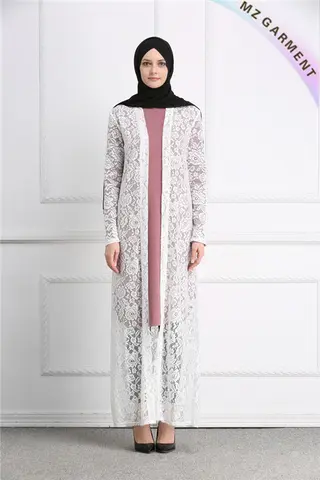
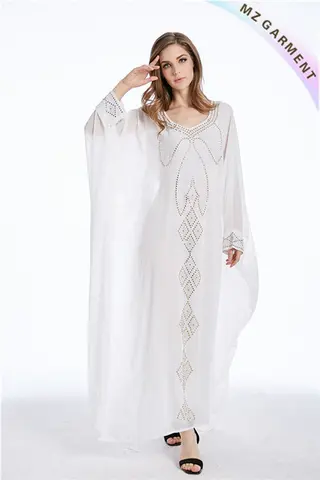
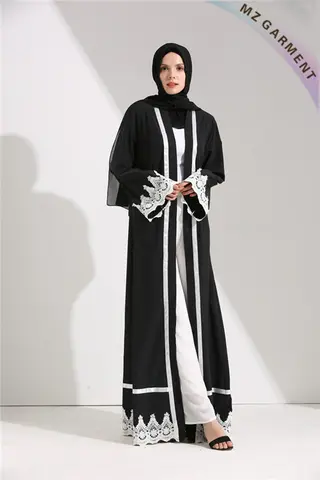
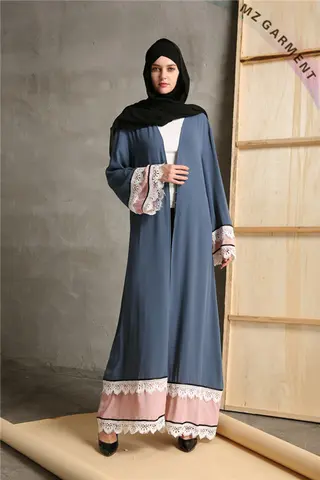
Materials & Embellishments: Lace, sequins, embroidery, beading, ruffles, pleats.
-
3. Industry Chain Structure
Upstream:
-
Raw Material Suppliers: Fabric mills (producing cotton, silk, wool, polyester, lace, etc.), textile finishers, trim suppliers (buttons, zippers, threads).
-
Trend Forecasters & Design Services: Agencies like WGSN, Pantone, and freelance designers who set seasonal color, fabric, and silhouette trends.
Midstream:
-
Design & Product Development: In-house teams at brands developing patterns, tech packs, and samples.
-
Manufacturers & Contractors: Factories (primarily in Asia, but also in Europe and the Americas) handling cutting, sewing, and finishing. Ranges from large-scale OEMs to small ateliers for luxury brands.
-
Quality Control & Compliance: Ensuring fit, construction quality, and adherence to safety/chemical regulations (e.g., REACH, CPSIA).
Downstream:
-
Brands & Retailers:
-
Luxury/Designer: (e.g., Dior, Gucci).
-
Premium/Bridge: (e.g., Diane von Furstenberg, Self-Portrait).
-
Contemporary/Mid-Market: (e.g., Reformation, Zara).
-
Fast Fashion/Value: (e.g., H&M, Shein).
-
Mass Market/Specialty: (e.g., department store brands, bridal boutiques).
-
-
Distribution Channels:
-
Physical Retail: Flagship stores, department store concessions, multi-brand boutiques, outlet malls.
-
E-commerce: Brand websites, multi-brand platforms (Net-a-Porter, Revolve), and marketplaces.
-
Rental & Subscription Services: Platforms like Rent the Runway.
-
-
Marketing & Media: Fashion magazines, influencers, social media, runway shows, and celebrity red-carpet appearances drive demand.
4. Key Market Dynamics & Characteristics
-
High Fashion Sensitivity & Seasonality: Dictated by Spring/Summer and Fall/Winter cycles, with additional resort/cruise collections. Trends change rapidly.
-
Occasion-Driven Purchases: Significant sales spikes around holidays, weddings, proms, and vacation seasons.
-
Fit & Sizing Complexity: Achieving consistent and inclusive fit across diverse body types is a major challenge and opportunity.
-
Emotional & Aspirational Purchasing: Dresses are often bought for self-expression, confidence, and marking special moments.
-
Intense Competition & Fast Turnover: Particularly in the fast-fashion segment, requiring ultra-efficient supply chains.
5. Development Trends
-
Inclusivity & Size Expansion:
-
Strong growth in extended sizing (plus-size, petite, tall) and brands dedicated to diverse body types. Focus on adaptive fashion for people with disabilities.
-
-
Sustainability & Circularity:
-
Use of organic, recycled, and deadstock fabrics. Growth of rental, resale (vestiaire collective), and repair services. Emphasis on transparent supply chains.
-
-
Digitalization & Personalization:
-
Virtual try-on (AR/VR) and AI-powered style recommendations. Rise of made-to-order and on-demand production models to reduce waste.
-
-
Blurring of Categories:
-
Hybrid dressing: Dresses styled with sneakers or layered over pants. Work-from-home influence leading to more comfortable yet polished "Zoom dresses."
-
-
Direct-to-Consumer (DTC) & Community Building:
-
Brands leveraging social media to build loyal followings, tell their story, and sell directly, often with a strong brand ethos (e.g., sustainability, feminism).
-
6. Major Challenges & Opportunities
Challenges:
-
Supply Chain Disruptions & Cost Volatility: Pandemic aftermath, geopolitical issues, and rising material/labor costs.
-
Overproduction & Waste: The industry is a major polluter; managing inventory to avoid markdowns and landfill is critical.
-
Fast Fashion's Social & Environmental Impact: Scrutiny on labor practices and the "throwaway" culture.
-
Constantly Evolving Consumer Tastes: Difficulty in predicting "viral" trends and micro-seasons.
Opportunities:
-
Technology for Fit & Customization: 3D body scanning and digital pattern-making to offer better fit and bespoke options at scale.
-
The Experience Economy: Creating immersive shopping experiences and connecting dresses to memorable events (e.g., travel, weddings).
-
Niche & Values-Driven Brands: Success of brands with a clear point of view on sustainability, ethics, or community.
-
Global Middle-Class Expansion: Rising disposable income in emerging markets drives demand for occasionwear and Western fashion.
-
Data-Driven Design: Using sales data and social listening to inform product development more accurately.