Industry Definition & Scope
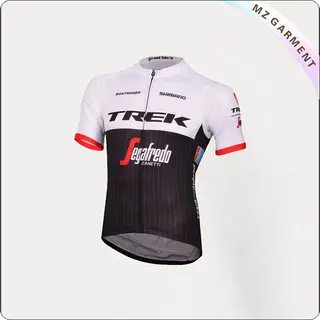
The sportswear industry encompasses the design, manufacturing, distribution, and retail of specialized apparel, footwear, and accessories engineered for athletic activities, physical training, and active lifestyles. This dynamic sector bridges performance technology, fashion aesthetics, and functional design, serving professional athletes, fitness enthusiasts, and casual consumers worldwide. It has evolved beyond traditional athletic gear to become a dominant force in global fashion and lifestyle markets.
Key Product Categories
-
By Product Type:
-
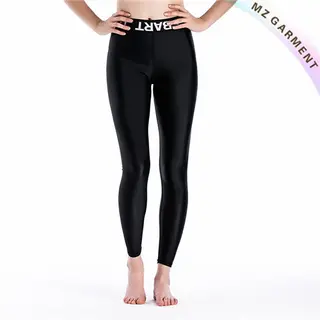
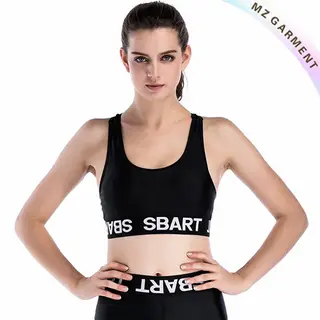
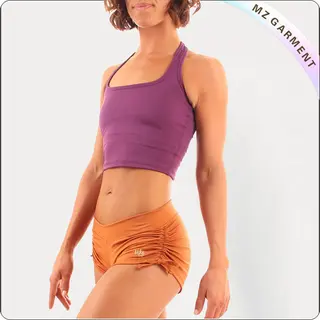
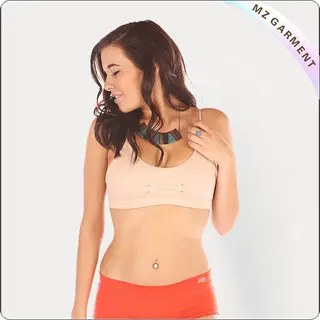
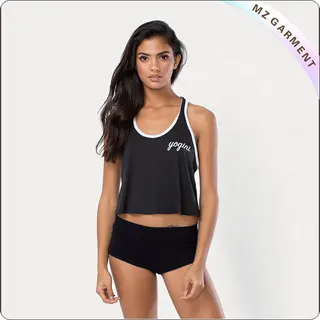
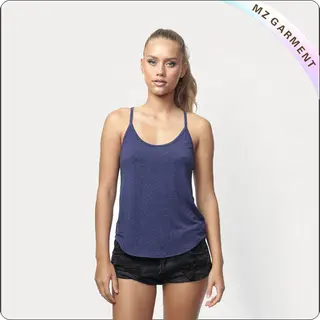
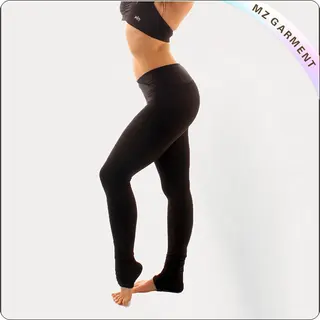
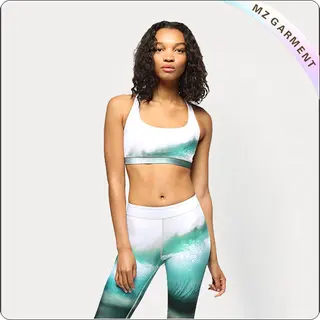
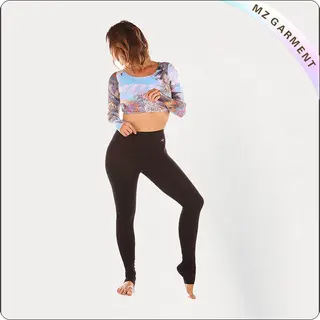
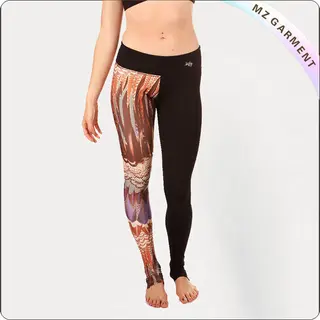
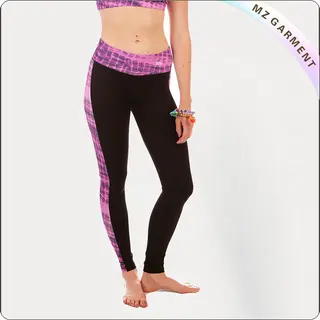
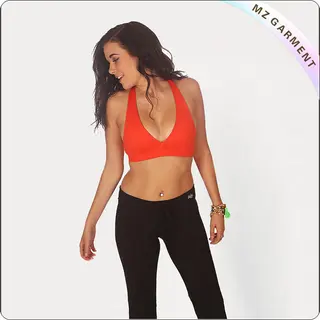
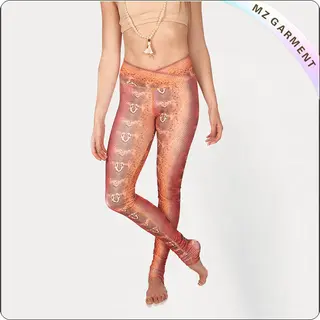
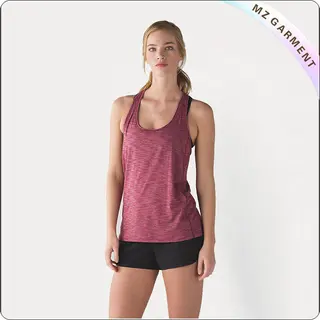
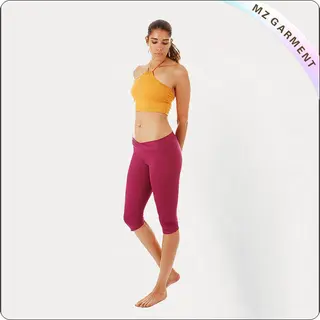
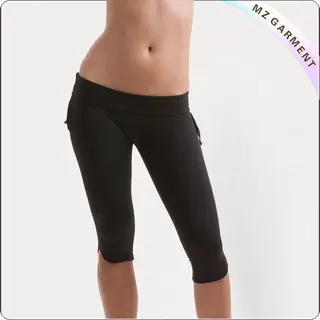
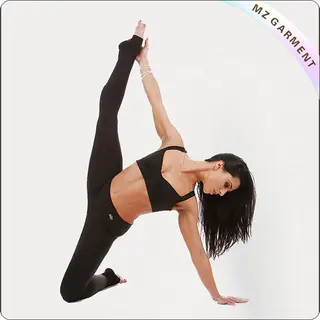
Performance Apparel: Compression wear, moisture-wicking shirts, training pants, sports bras
-
Athletic Footwear: Running shoes, basketball sneakers, training shoes, specialized sport shoes
-
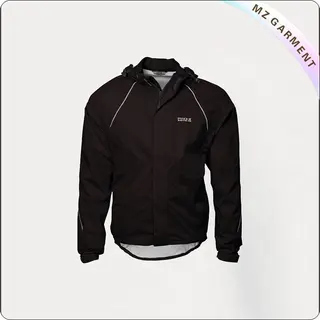
Outerwear: Track jackets, hoodies, windbreakers, thermal layers
-
Accessories: Sports bags, caps, socks, gloves, protective gear
-
Team & League Apparel: Licensed jerseys, fan merchandise, uniform systems
-
-
By Sport Specialization:
-
Running & Training: Lightweight, breathable designs for cardio and gym activities
-
Team Sports: Durable, mobility-focused apparel for basketball, soccer, football, etc.
-
Outdoor & Adventure: Weather-resistant gear for hiking, climbing, skiing
-
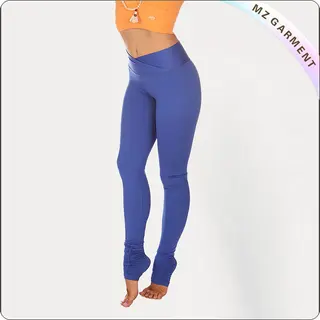
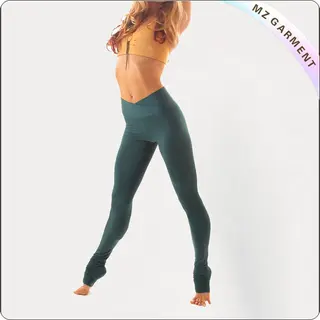
Yoga & Mind-Body: Flexible, comfortable attire for yoga, Pilates, meditation
-
Water Sports: Quick-dry, UV-protective swimwear and gear
-
-
By Material Technology:
-
Performance Fabrics: Polyester, nylon, spandex blends with moisture management
-
Sustainable Materials: Recycled polyester, organic cotton, bio-based polymers
-
Smart Textiles: Temperature-regulating, odor-resistant, and sensor-integrated fabrics
-
Protective Technologies: Impact-absorbing, abrasion-resistant, and UV-blocking materials
-
-
By Market Segment:
-
Professional/Elite: High-performance gear for competitive athletes
-
Fitness/Active: Balanced performance and style for regular exercisers
-
Athleisure: Fashion-forward designs blending sportswear with casual wear
-
Mass Market: Affordable, functional options for broad consumer bases
-
Technology & Innovation Trends
-
Advanced Fabric Technologies:
-
Phase-change materials for adaptive temperature control
-
Nanotechnology coatings for water repellency and stain resistance
-
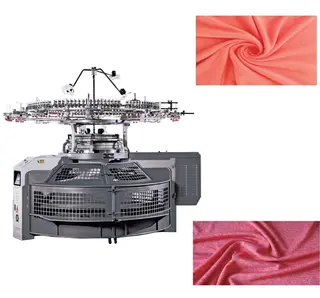
3D knitting and seamless construction for enhanced comfort and mobility
-
Bioceramic-infused fabrics for infrared and recovery benefits
-
-
Smart & Connected Sportswear:
-
Embedded sensors for biometric tracking (heart rate, muscle activity, form)
-
IoT integration with fitness apps and wearable devices
-
LED and electroluminescent elements for visibility and style
-
Self-lacing and adaptive fit systems in footwear
-
-
Sustainable Innovations:
-
Circular design enabling garment recycling and upcycling
-
Waterless dyeing and digital printing reducing environmental impact
-
Biodegradable and compostable material alternatives
-
Carbon-neutral manufacturing and supply chain initiatives
-
-
Customization & Personalization:
-
3D body scanning for tailored fit
-
On-demand manufacturing reducing overproduction
-
Custom colorways and design options via digital platforms
-
Modular designs allowing component replacement and upgrades
-
Global Market Drivers
-
Rising global health consciousness and participation in fitness activities
-
Growth of athleisure as everyday wear beyond athletic contexts
-
Influence of social media, sports celebrities, and influencer marketing
-
Increasing disposable income in emerging markets
-
Technological advancements enhancing performance and comfort
-
Expansion of women's and youth sportswear segments
-
Growth of sports events, leagues, and fitness communities worldwide
-
E-commerce and direct-to-consumer brand proliferation
Major Players & Value Chain
-
Global Giants: Nike, Adidas, Under Armour, Puma, Lululemon
-
Specialty Brands: ASICS, New Balance, The North Face, Patagonia
-
Fashion Collaborations: Designer sportswear lines and brand partnerships
-
Emerging DTC Brands: Allbirds, Gymshark, Vuori, Outdoor Voices
-
Value Chain:
-
Material innovation → design/R&D → manufacturing → quality testing → branding/marketing → distribution (retail/e-commerce/wholesale) → consumer engagement
-
Challenges & Opportunities
-
Challenges:
-
Intense competition and market saturation in key segments
-
Supply chain complexities and cost pressures
-
Counterfeit products and brand imitation
-
Environmental impact of synthetic material production
-
Rapid trend cycles requiring agile production and inventory management
-
-
Opportunities:
-
Growth in smart and connected sportswear technologies
-
Expansion into underserved demographics (plus-size, adaptive clothing)
-
Sustainable innovation as a competitive differentiator
-
Emerging markets with growing middle-class and sports participation
-
Virtual fitness and digital community engagement
-
Rental and subscription models for high-performance gear
-
Integration of AI and data analytics in product development
-