1. Industry Definition & Scope
The Agriculture Machinery & Equipment industry involves the R&D, manufacturing, and sale of all powered machinery, implements, and related equipment used throughout the agricultural production process. It encompasses a complete system from field cultivation to post-harvest processing, from open-field production to controlled-environment agriculture, and from traditional machinery to intelligent equipment. It serves as the core support and a hallmark industry for the development of modern agriculture.
2. Main Product Categories
1. Power Machinery
-
Tractors: Wheeled, crawler, walk-behind (categorized by power: micro/small/medium/large)
-
Agricultural Engines: Diesel, gasoline, electric, hybrid power systems
2. Soil Tillage & Preparation Equipment
-
Tillage Implements: Plows (moldboard, disc), rotary tillers, subsoilers
-
Soil Preparation Equipment: Harrows (disc, tine), rollers, bed formers, laser land levelers
3. Planting & Fertilizing Machinery
-
Seeding Machinery: Grain drills, precision planters, rice transplanters, potato planters
-
Nursery Equipment: Seedling sowing lines, germination chambers, nursery greenhouses
-
Fertilizing Equipment: Broadcast spreaders, side-dressers, liquid fertilizer systems, fertigation equipment
4. Crop Care Machinery
-
Crop Protection Equipment: Sprayers (mounted, self-propelled), dusters, UAV spray systems
-
Irrigation Equipment: Sprinklers, drip irrigation systems, hose-reel irrigators, smart irrigation controllers
-
Cultivation Equipment: Weeders, hillers, thinners
5. Harvesting Machinery
-
Grain Harvesters: Combine harvesters (for wheat, rice, corn)
-
Cash Crop Harvesters: Cotton pickers/strippers, sugarcane harvesters, potato harvesters
-
Fruit & Vegetable Harvesters: Tomato harvesters, grape harvesters, apple harvest platforms
-
Forage Harvesting Equipment: Mowers, rakes, balers (square/round), silage harvesters
6. Post-Harvest Processing Equipment
-
Drying Equipment: Grain dryers, fruit/vegetable drying houses
-
Cleaning & Processing Machinery: Cleaners, threshers, rice mills, flour mills, sorting lines
-
Storage Equipment: Silos, cold storage, controlled atmosphere (CA) storage
7. Livestock & Aquaculture Machinery
-
Feed Processing Equipment: Grinders, mixers, pellet mills, automated feeding systems
-
Husbandry Equipment: Milking machines, incubators, manure scrapers, aquaculture aerators
-
Slaughtering & Processing Lines
8. Controlled-Environment Agriculture Equipment
-
Greenhouses: Multi-span greenhouses, solar greenhouses with environmental control systems
-
Vertical Farming/Plant Factory Equipment: Multi-layer cultivation racks, artificial lighting, nutrient delivery systems
-
Mushroom Cultivation Equipment
9. Smart & Precision Agriculture Equipment
-
Autonomous Guidance Systems: Auto-steer for tractors/harvesters
-
Variable Rate Technology (VRT) Systems: For seeding, fertilizing, spraying
-
Agricultural Robots: Harvesting robots, weeding robots, sorting robots
-
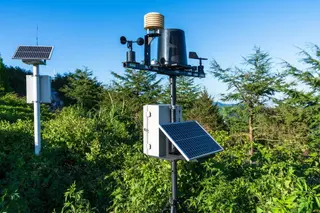
Monitoring Systems: Soil sensors, crop monitoring drones, yield monitors
10. Specialty & Hillside Machinery
-
Hillside Machinery: Compact multi-purpose carriers, slope tractors
-
Orchard & Vineyard Machinery: Orchard platforms, pruning chippers, nut harvesters
-
Special Operations Machinery: Straw balers, plastic film retrievers, soil remediation equipment
3. Industry Chain Structure
Upstream:
-
Raw Materials: Steel, rubber, non-ferrous metals, engineering plastics
-
Core Components: Diesel engines, hydraulic systems, transmissions, tires, sensors, controllers
-
Purchased Parts: Bearings, standard parts, electrical components
Midstream:
-
OEMs (Whole Machine Manufacturers): Integrated large manufacturers, specialized manufacturers
-
Supporting Enterprises: Implement manufacturers, component suppliers
-
System Integrators: Providers of intelligent solution packages
Downstream:
-
End Users: Family farms, cooperatives, agribusinesses, state farms
-
Distribution Channels: Dealer networks, direct sales, online platforms
-
Service Providers: Financial leasing companies, repair/service stations, training centers
-
Government Programs: Entities implementing subsidy programs, high-standard farmland projects
4. Industry Development Characteristics
1. Market Characteristics
-
Strong Policy Influence: Government purchase subsidies significantly impact market cycles.
-
Clear Seasonality: Sales and usage peaks closely tied to farming seasons.
-
Significant Regional Variation: Product demand varies by crop structure, topography, and farm size.
-
Replacement Demand: Stable replacement market driven by machinery lifecycle.
2. Technical Characteristics
-
Mechatronics Integration: Deep integration of mechanical, electronic, and hydraulic technologies.
-
Parallel Trends of Large & Small Scale: Large-scale for plains efficiency, small-scale for hillside flexibility.
-
Green Transition: Rising requirements for emission reduction and energy saving; exploration of new energy machinery.
-
Intelligent Wave: Rapid penetration of IoT, big data, and AI technologies.
3. Competitive Landscape
-
Global Giants: John Deere, CNH Industrial, AGCO, CLAAS, Kubota dominate the high-end market.
-
Chinese Leaders: YTO Group, Lovol Heavy Industry, Zoomlion Agricultrual Machinery, World Group lead the domestic mass market.
-
Specialty Experts: Companies specializing in specific crops or processes.
-
Emerging Tech Companies: AgTech startups focusing on unmanned and intelligent solutions.
5. Development Trends
1. Technology Trends
-
Unmanned Operations: Evolution from assisted to fully autonomous field operations.
-
Data-Driven Decision Making: Closed-loop systems linking agronomic decisions based on multi-source data to machine execution.
-
Electrification: Gradual adoption of pure electric and hybrid tractors and implements.
-
Modular Design: Quick-attach implements to improve equipment utilization.
2. Product Trends
-
Combined Operation Machines: Performing multiple tasks in a single pass to reduce soil compaction.
-
Machine-Compatible Varieties & Agronomy: Crop breeding and planting patterns adapted for mechanization.
-
Customization: Tailored solutions for different farm scales and needs.
-
Servitization: Shift from selling products to providing integrated "Equipment + Service + Data" solutions.
3. Business Model Innovation
-
Machinery Sharing Platforms: Online dispatch and sharing of machinery via apps.
-
Contract Service Models: Professional service organizations providing full-process mechanization services to smallholders.
-
Financing & Leasing: Lowering purchase barriers and promoting adoption of large machinery.
-
Aftermarket Service Development: Value chain extension into repair, maintenance, upgrades, and used equipment trade.
6. Key Challenges & Opportunities
Challenges:
-
Technical Bottlenecks: Need to improve reliability and adaptability in complex environments.
-
Cost Pressure: Increased costs from intelligent upgrades versus user affordability.
-
Talent Shortage: Lack of interdisciplinary talent proficient in both agriculture and technology.
-
Infrastructure Gaps: Underdeveloped rural charging networks, 5G coverage, and digital infrastructure.
-
Environmental Regulations: New requirements from stricter emission standards, plastic pollution control, etc.
Opportunities:
-
Global Food Security Demand: Population growth and consumption upgrades drive the need for increased agricultural productivity.
-
Structural Labor Shortage: Declining and aging rural labor force forces mechanization substitution.
-
Strong Policy Support: Governments prioritize agricultural mechanization with subsidies and support.
-
Technology Convergence Dividend: New-generation IT empowers traditional machinery, creating new value.
-
Sustainability Imperative: Precision application reduces input use, aligning with green agriculture goals.
-
Emerging Market Potential: Vast room for mechanization rate improvement in Southeast Asia, Africa, Latin America, etc.
7. Industry Impact & Social Value
-
Enhances Productivity: Significantly reduces labor intensity and increases operation speed and accuracy.
-
Ensures Food Security: Secures farming timelines, reduces losses, and boosts overall production capacity.
-
Facilitates Scale Operation: Creates conditions for land transfer and agricultural scaling.
-
Drives Industrial Upgrading: Spurs development in related manufacturing and service sectors.
-
Supports Rural Revitalization: Improves agricultural production conditions and increases farmer income.
-
Enables Precision & Sustainability: Reduces fertilizer and pesticide use through VRT, protecting the environment.