Industry Definition & Scope
The bidet industry encompasses the design, manufacturing, marketing, and distribution of personal hygiene fixtures and devices used for posterior and genital cleansing with water. This category has evolved from traditional porcelain fixtures to sophisticated integrated toilet-bidet combinations and electronic smart seats. The industry serves residential, commercial, and institutional markets globally, driven by growing awareness of hygiene, health, and sustainability benefits.
Market Segmentation & Product Categories
By Product Type
-
Standalone Bidets: Traditional separate fixtures installed alongside toilets
-
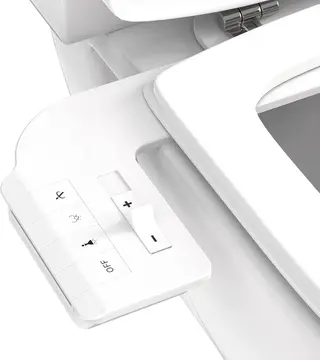
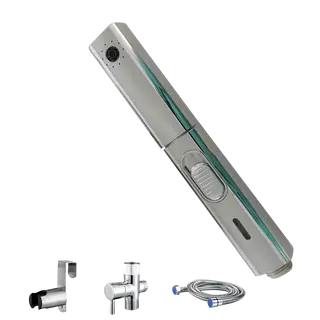
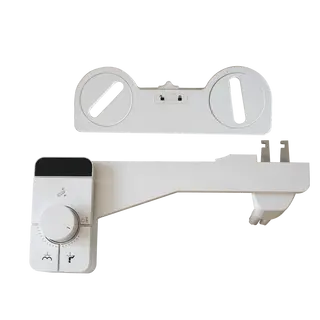
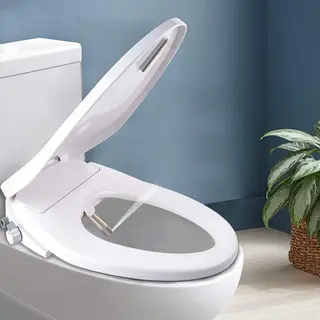
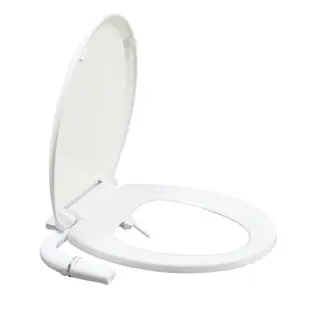
Bidet Seats/Attachments: Electronic or non-electric seats replacing standard toilet seats; add-on attachments connecting to existing toilets
-
Smart Toilets: Integrated units combining toilet and bidet functions with advanced features
-
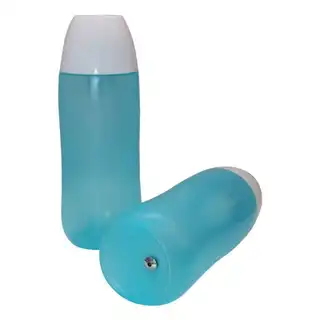
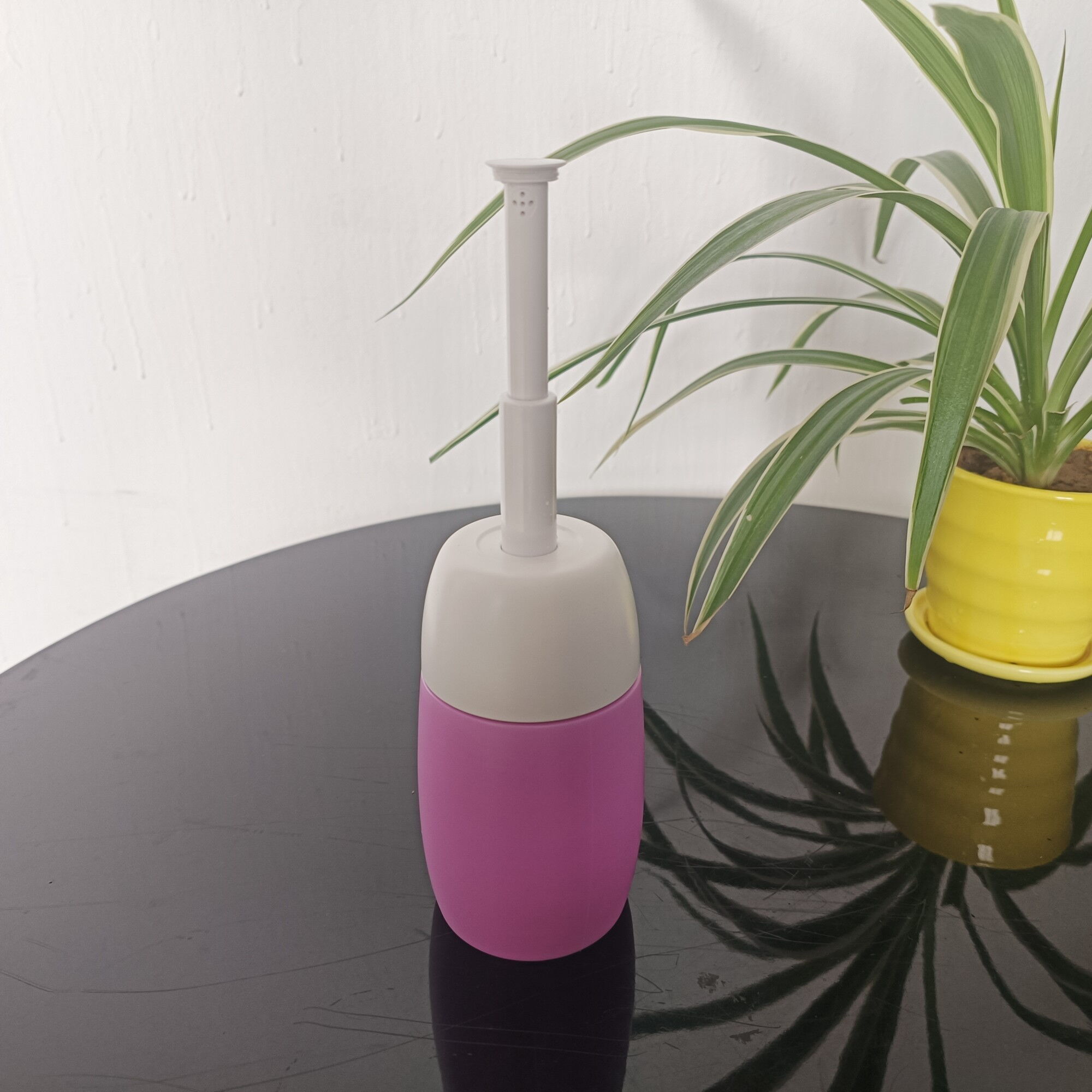
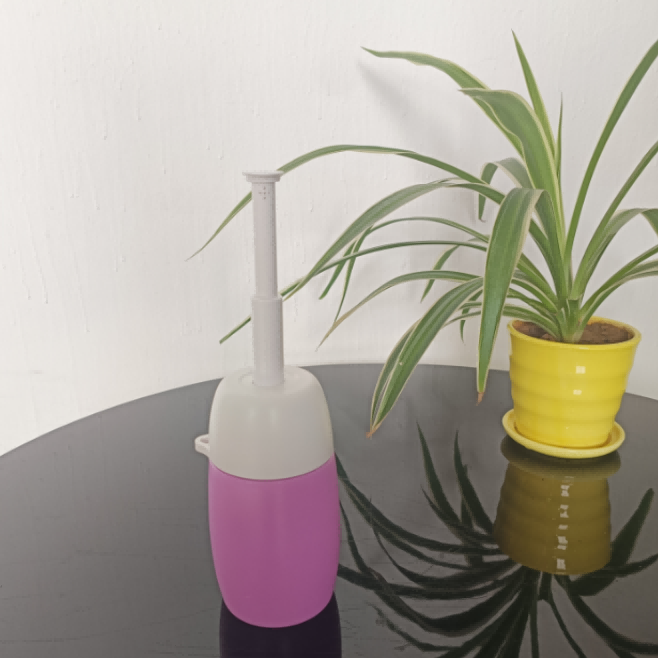
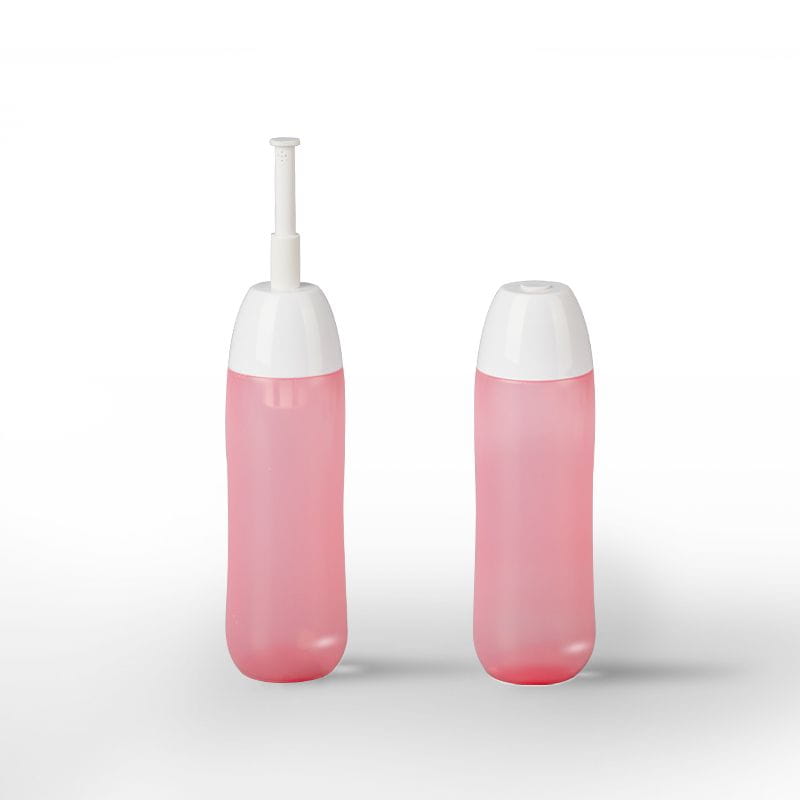
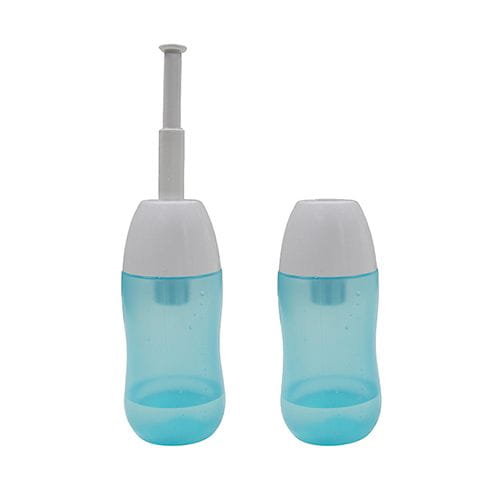
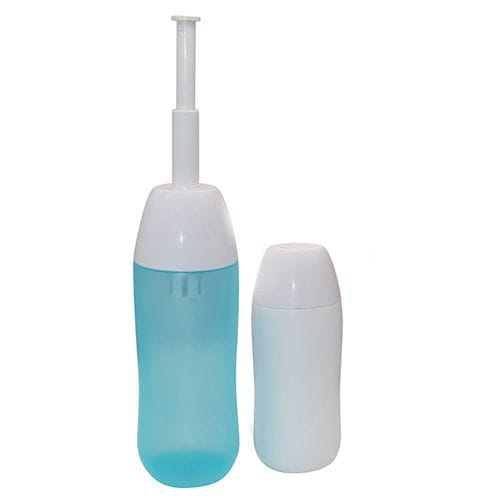
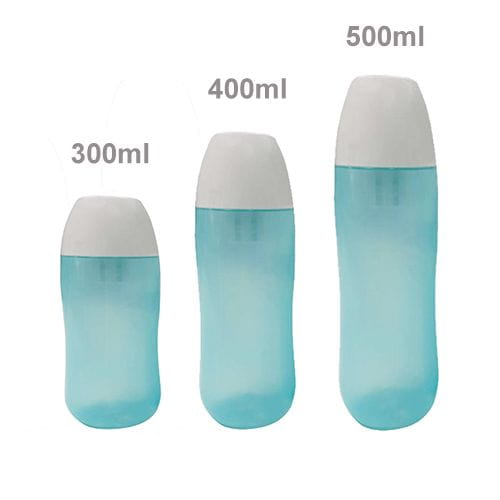
Portable Bidets: Handheld bottles or battery-operated devices for travel/mobility
By Technology Level
-
Non-electric Bidets: Mechanical units using water pressure without heating/electronic features
-
Electric Bidets: Heated seats, warm water, air drying, and basic controls
-
Smart Bidets: IoT-connected with app control, health monitoring, voice activation, and AI features
By Price Tier
-
Economy: Basic attachments and non-electric seats (<$100)
-
Mid-market: Electric bidet seats with core features ($100-$800)
-
Premium: Advanced smart toilets and luxury designs ($800-$3,000+)
-
Ultra-luxury: Custom installations and designer brands ($3,000+)
Technology & Innovation Trends
-
Smart Integration: App connectivity, user profiles, usage tracking, and integration with smart home systems
-
Health Monitoring: Sensors analyzing waste for health indicators (glucose, UTI markers, nutrition)
-
Hygiene Advancements: Self-cleaning nozzles, UV sterilization, and antimicrobial surfaces
-
Water & Energy Efficiency: Precise temperature control, eco-modes, and reduced water consumption
-
Accessibility Features: Enhanced controls for elderly/disabled users, automatic opening/closing
-
Customization: Adjustable water pressure, temperature, oscillation patterns, and nozzle positions
Global Market Drivers
-
Hygiene Awareness: Post-pandemic focus on cleanliness and infection prevention
-
Aging Populations: Demand from elderly users and healthcare facilities
-
Environmental Concerns: Reduced toilet paper usage (sustainability appeal)
-
Wellness Movement: Integration into luxury bathrooms and wellness real estate
-
Asian Market Influence: Strong adoption in Japan/Korea driving global awareness
-
Plumbing Standards Evolution: Increasing compatibility with Western bathroom layouts
Regional Market Characteristics
-
Asia-Pacific: Market leader (especially Japan/Korea); high smart toilet penetration
-
North America: Rapid growth from low base; strong retail channel development
-
Europe: Established markets in Southern Europe; growing adoption in North/Central Europe
-
Middle East: Cultural compatibility driving adoption
-
Latin America/Africa: Emerging markets with growth potential
Consumer Adoption Barriers & Solutions
-
Barriers: High cost perceptions, installation concerns, cultural resistance, lack of awareness
-
Solutions: Rental programs, professional installation services, education campaigns, hotel/showroom exposure
Major Industry Players
-
Manufacturers: TOTO (Japan), LIXIL (Japan), Kohler (US), Bio Bidet (US), Brondell (US), Coway (Korea)
-
Retail & Distribution: Home improvement chains, specialty bathroom retailers, online marketplaces, plumbing suppliers
-
Support Services: Installation professionals, maintenance services, bathroom remodelers
Environmental & Economic Impact
-
Paper Reduction: Potential 75%+ reduction in toilet paper usage
-
Water Usage: Higher per-use water but often offset by reduced paper manufacturing water
-
Septic/Sewage Systems: Reduced solid waste in systems
-
Manufacturing Impact: Energy/water use in production versus long-term savings
Future Outlook
The bidet market is projected for sustained growth through:
-
Mainstream Adoption: Transition from niche to standard bathroom fixture in Western markets
-
Technology Convergence: Integration with broader bathroom and health ecosystems
-
Affordability Improvements: Cost reductions through mass production and competition
-
Regulatory Support: Potential building code changes and incentive programs
-
Generational Shift: Younger consumers more open to adoption