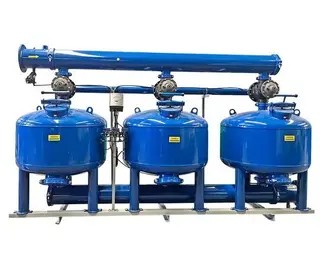
1. Industry Definition & Scope
The Filter Supplies industry involves the design, manufacturing, sale, and replacement of replaceable filter media, cartridges, and related accessories used to separate, capture, and remove solid particles, droplets, microorganisms, or other contaminants from fluids (gas, liquid) or air. As the "heart" of various filtration systems, it is a typical consumables and aftermarket sector characterized by high repurchase rates and strong cyclicality. It serves a wide range of fields including industrial manufacturing, environmental management, healthcare, commercial buildings, and daily life.
2. Main Product Categories
1. By Filter Media & Material
-
Fibrous Media: Polyester, polypropylene, glass fiber, cellulose fiber (filter paper).
-
Membrane Media:
-
Microfiltration (MF): PP, PTFE, nylon membranes.
-
Ultrafiltration (UF): PVDF, PES hollow fiber membranes.
-
Nanofiltration (NF) & Reverse Osmosis (RO): Polyamide composite membranes.
-
-
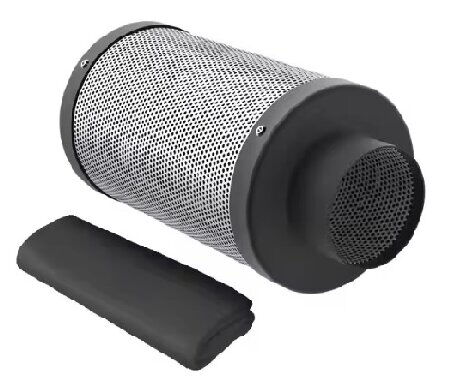
Porous Media: Sintered metal (stainless steel, bronze), sintered plastic, activated carbon blocks/granular, ceramic cartridges.
-
Other Special Media: Wire mesh, filter cloth, non-woven fabric.
2. By Application Fluid
-
Air Filter Supplies:
-
HVAC: Pre-filters (G grade), Medium-efficiency (F grade), HEPA, ULPA filters.
-
Industrial Dust Collection: Baghouse filter bags (polyester, PPS, P84, PTFE membrane), filter cartridges.
-
Cleanroom: ULPA filters, chemical filters (for gaseous molecular contaminants).
-
Engine Intake: Air filter elements for vehicles, construction machinery, gas turbines.
-
Personal Protection: Dust masks, respirator cartridges.
-
-
Liquid Filter Supplies:
-
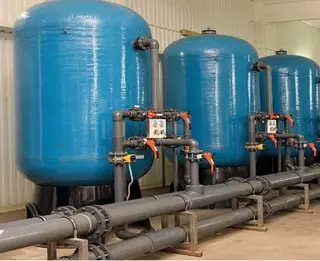
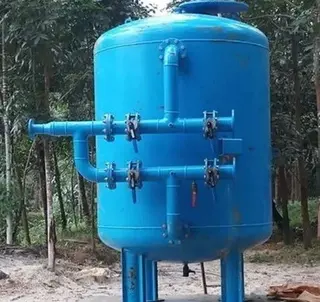
Water Treatment: PP sediment filters, activated carbon blocks, RO membranes, UF membranes, water softener resin.
-
Industrial Fluids: Hydraulic oil filters, lubricating oil filters, fuel filters, process filters (bag, cartridge), sterile filters (0.22µm) for pharmaceuticals.
-
Food & Beverage: Precision filter cartridges/membranes for beer, juice, milk.
-
Electrocoating: Ultrafiltration membranes for paint.
-
3. By Product Form
-
Filter Cartridges/Bags: Standard-sized replaceable units (cylindrical, bag, disc).
-
Membranes/Modules: Flat sheet, spiral wound, hollow fiber membrane modules.
-
Filter Cloth/Mesh: For plate & frame filter presses, belt filters, screens.
-
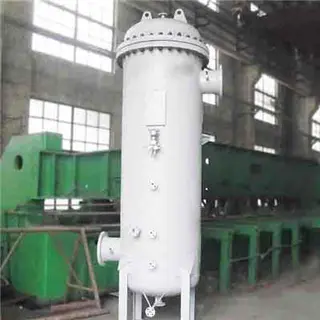
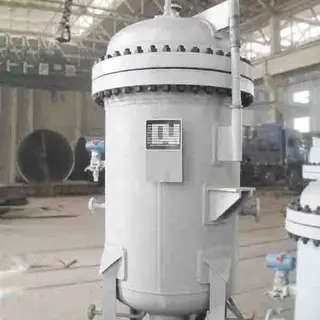
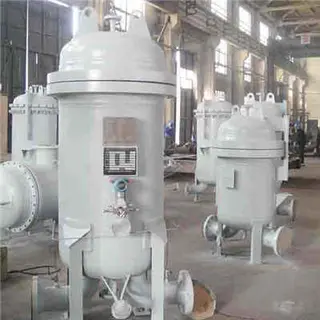
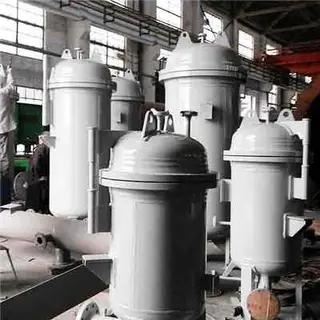
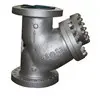
Accessories: O-rings, gaskets, end caps, filter housings, differential pressure gauges.
3. Industry Chain Structure
Upstream:
-
Raw Material Suppliers:
-
Fibers & Plastic Resins: PP, PET, nylon, PVDF, PTFE, etc.
-
Specialty Materials: Glass fiber paper, activated carbon, binders, hydrophobic/hydrophilic treatment agents.
-
Base Materials: Wood pulp (for filter paper), metal wire (for mesh).
-
-
Production Equipment Suppliers: Meltblown production lines, paper making machines, pleating machines, winding machines, welding equipment, test rigs (efficiency testers).
Midstream:
-
Supplies Manufacturers:
-
Integrated Giants: Global players across multiple sectors and materials (e.g., Donaldson, Mann+Hummel, Pall, 3M).
-
Specialty Segment Leaders: Deep expertise in niche markets (e.g., HVAC filters, hydraulic filters, membrane makers).
-
OEM/ODM Suppliers: Provide white-label production for equipment OEMs or distributors.
-
Local & Regional Brands: Compete in mid-to-low end markets with cost advantages and local service.
-
-
Distributors & Agents: Build extensive channel networks linking manufacturers to end customers.
Downstream:
-
End-Users & Replacement Scenarios:
-
Industrial Maintenance Departments: Scheduled replacement of filters in production equipment.
-
Facility Management (FM) Companies: Regular filter changes for commercial building HVAC systems.
-
Water Treatment Service Providers: Filter replacement services for home/commercial water purifiers.
-
Automotive Aftermarket (IAM): Replacement of oil filters, air filters at 4S shops and repair centers.
-
Hospitals & Labs: Replacement of HEPA filters in biosafety cabinets and cleanrooms.
-
Consumers: Direct purchase of filters for home air purifiers and water purifiers.
-
-
Recycling & Disposal Services: Compliant handling of specific industrial filters (e.g., containing heavy metals).
4. Core Industry Characteristics & Barriers
1. "Selling a Service" Business Model
-
High Customer Stickiness: Filter cartridges are often model-locked to specific equipment, fostering long-term relationships once in the supply chain.
-
Stable, Cyclical Demand: Replacement cycles (determined by pressure drop or time) generate predictable recurring revenue.
-
Channel is King: Efficient logistics, warehousing, and just-in-time delivery are critical.
2. Performance & Reliability Paramount
-
Filtration Efficiency is Key: Ranging from micron to nanometer level, directly impacting downstream processes or product quality.
-
Dust Holding Capacity & Service Life: Ability to hold more contaminants without excessive pressure drop increase.
-
Material Compatibility: Must withstand the chemical nature of the fluid being filtered (pH, solvents, etc.).
3. Stringent Certifications & Standards
-
Efficiency Standards: Air filters must meet EN 1822, ISO 16890, GB/T 14295; liquid filters have standards like ISO 2941 (burst pressure).
-
Industry-Specific Certifications: FDA (food, pharma), NSF (drinking water), UL (fire safety).
-
OEM Approvals: Becoming an original equipment supplier requires rigorous testing and certification.
4. Deep Application Know-How
-
Prevalence of Customization: Many industrial applications require custom sizes, connections, and efficiencies based on operating conditions.
-
System Matching Knowledge: Requires understanding of the entire filtration system to recommend optimal supplies.
5. Development Trends
-
Higher Efficiency & Longer Life
-
Material Innovation: Development of new fibers and nanofibers with lower resistance and higher dirt holding capacity.
-
Structural Optimization: More scientific pleat designs, gradient structures to extend service life.
-
-
Intelligentization & Condition Monitoring
-
Smart Cartridges: Embedded with RFID chips or sensors to track usage hours, pressure drop, enabling life prediction and anti-counterfeiting.
-
IoT Management Platforms: Remote monitoring of filter networks for precise replacement, reducing inventory and maintenance costs.
-
-
Green & Sustainable Development
-
Cleanable & Regenerable Media: Reducing single-use waste, e.g., certain metal meshes, ceramic cartridges.
-
Biodegradable Materials: Developing eco-friendly filter media based on materials like PLA.
-
Recycling Programs: Closed-loop recycling and material recovery systems for large industrial filters.
-
-
Enhanced Health & Safety Demands
-
Antimicrobial/Antiviral Functionality: Increased demand for air and water filter media with antimicrobial properties post-pandemic.
-
Proliferation of High-Efficiency Filters: Growing penetration of HEPA and above filters in commercial and residential settings.
-
-
Integration & Modularization
-
Plug-and-Play Filter Kits: Integrating multiple functions (pre-filtration, odor removal, fine filtration) into one quick-change module.
-
Standardization Efforts: Promoting standardization of interfaces and dimensions to simplify supply chains and user selection.
-
6. Key Challenges & Opportunities
Challenges:
-
Intense Homogenized Competition: Especially in low-tech, generic product markets with fierce price competition.
-
Raw Material Price Volatility: Chemical feedstock prices directly impact costs.
-
Counterfeit Products: Branded filter counterfeiting harms manufacturer profits and end-user equipment safety.
-
Complex Inventory Management: Vast number of SKUs poses high demands on supply chain management for manufacturers and distributors.
Opportunities:
-
Stringent Global Environmental Regulations: Tightening air emission and water quality standards drive filtration upgrades and higher replacement frequency.
-
Growth in Emerging Markets: Industrialization and urbanization in Asia, Africa, etc., present huge market potential.
-
Industrial Upgrading & Smart Manufacturing: Demand from high-end manufacturing (semiconductors, biopharma) for ultra-pure water and air fuels the high-end supplies market.
-
Service Model Innovation:
-
"Filtration as a Service": Customers pay for filtration outcomes or throughput, while suppliers manage full maintenance.
-
Digital Subscription Services: One-click filter replacement for households via apps.
-
-
Deep Integration with OEMs: Participating in joint development during equipment design phase to become the designated original supplies provider, securing stable orders.