Bus Industry Overview
The bus industry encompasses the manufacturing, operation, and maintenance of vehicles designed for the public and private mass transportation of passengers. It is a critical component of the global transit infrastructure, serving urban, suburban, intercity, and specialized transport needs.
Core Segments:
-
Transit Buses: Used for public transportation within metropolitan areas (e.g., city buses, articulated buses, double-deckers).
-
Intercity / Coach Buses: Designed for longer-distance travel between cities, featuring enhanced comfort and amenities.
-
School Buses: A highly regulated segment dedicated to student transportation, primarily in North America.
-
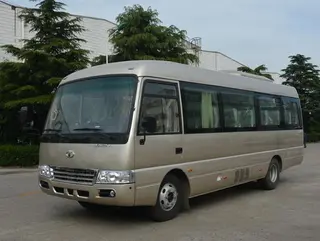
Shuttle Buses & Minibuses: Used for short-distance, point-to-point service (e.g., airport shuttles, corporate campuses, hotels).
-
Specialty Buses: Includes paratransit vehicles, tour buses, and mobile offices/labs.
Key Industry Drivers:
-
Urbanization & Congestion: Increasing demand for efficient public transit solutions to reduce traffic and pollution.
-
Environmental Regulations: A major shift towards zero-emission vehicles (ZEVs), primarily electric buses (BEBs), with strong growth in China, Europe, and North America. Alternatives include hydrogen fuel cell and hybrid buses.
-
Government Policy & Funding: Public procurement, subsidies for green vehicles, and infrastructure investments (charging stations) are pivotal.
-
Technology Integration: Adoption of Intelligent Transport Systems (ITS), real-time passenger information, contactless payment, and advanced driver-assistance systems (ADAS).
-
Operational Models: Includes public-owned operations, private contracting, and public-private partnerships (PPPs).
Market Trends:
-
Electrification: The dominant trend, with rapid expansion of electric bus fleets.
-
Autonomous Driving: Development and testing of autonomous buses for fixed-route or controlled environments.
-
Mobility-as-a-Service (MaaS): Buses are integrated into unified digital platforms for trip planning and payment.
-
Passenger Experience: Focus on Wi-Fi, USB ports, improved accessibility, and real-time connectivity.
Major Manufacturers: BYD (China), Yutong (China), Daimler Truck (Mercedes-Benz, Setra), Volvo Group, Traton Group (MAN, Scania), NFI Group (New Flyer), Gillig.
Major Operators: Public transit authorities, National Express (UK), FlixBus (Europe/Global), Greyhound (North America), and numerous regional/local private companies.
Challenges:
-
High upfront cost of electric buses and charging infrastructure.
-
Grid capacity and infrastructure development needs.
-
Competition from other modes (ride-hailing, micromobility).
-
Driver shortages in many regions.
-
Fluctuating ridership patterns post-pandemic.
Outlook: The industry is undergoing a fundamental energy transition towards electrification, coupled with digitalization to improve efficiency, safety, and user experience. It remains essential for achieving sustainable, equitable, and smart urban mobility.