Industry Definition & Scope
The eyelash extensions industry encompasses the professional application, maintenance, and removal of semi-permanent synthetic, silk, or mink fibers to natural eyelashes for aesthetic enhancement. This specialized beauty service sector includes the supply of materials (lashes, adhesives, tools), technician training/certification, salon operations, and related aftercare products. It operates at the intersection of professional beauty services, retail cosmetics, and wellness.
Key Product & Service Categories
By Lash Type & Material:
-
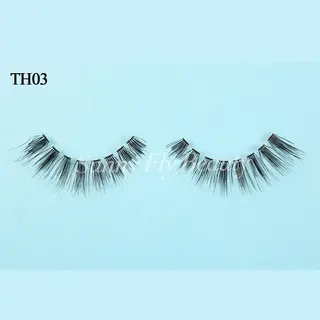
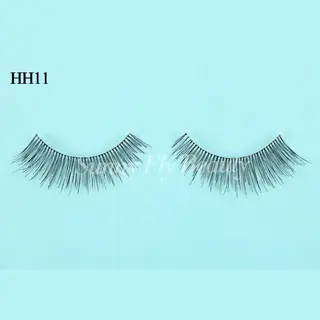
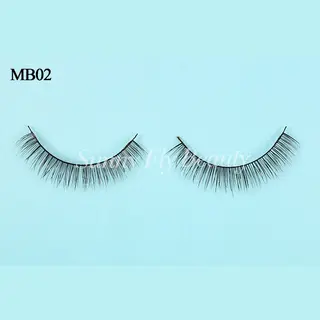
Synthetic Lashes: Most common, made from PBT (polybutylene terephthalate); durable, consistent, and affordable.
-
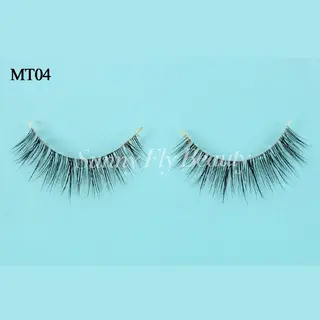
Silk Lashes: Lightweight, glossy, and more natural-looking than synthetic; mid-range price.
-
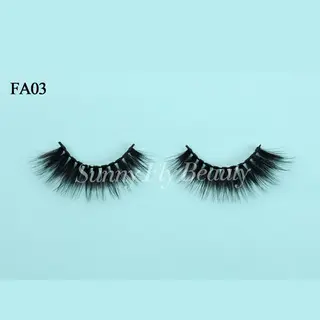
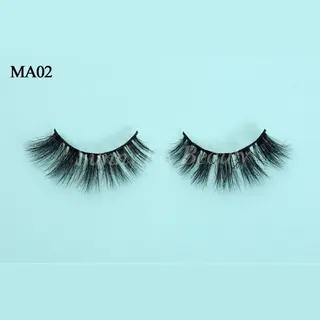
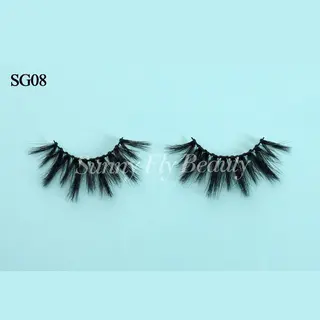
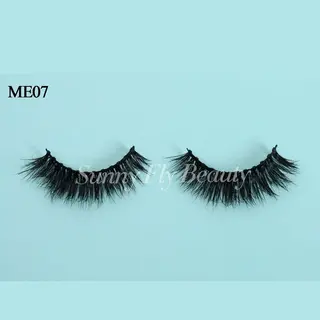
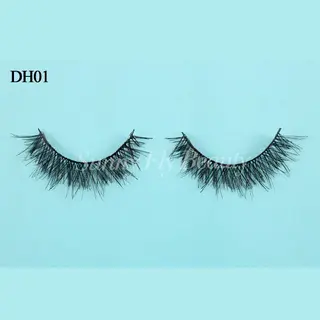
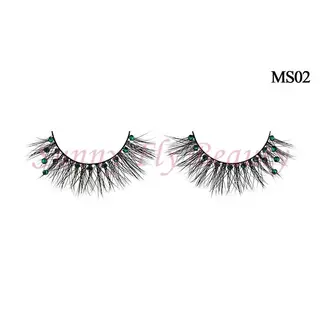
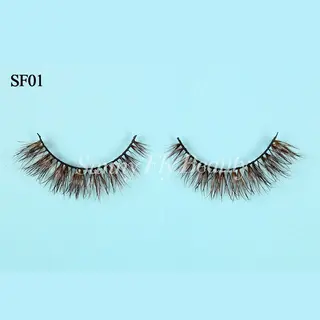
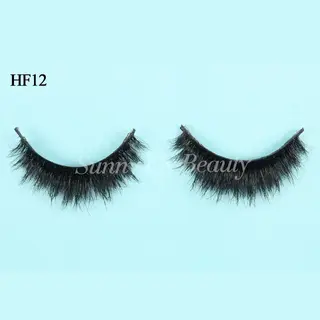
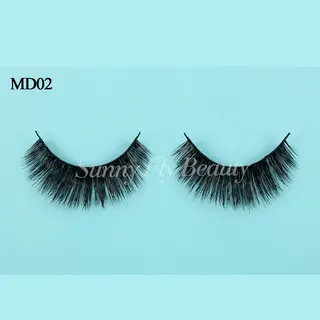
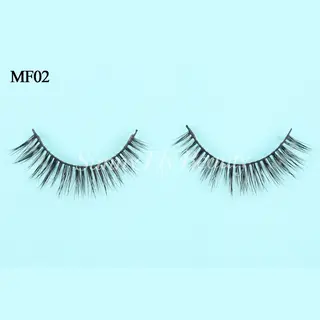
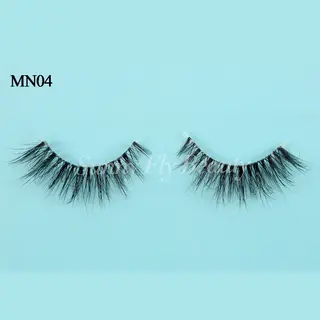
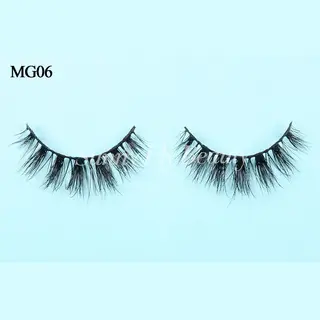
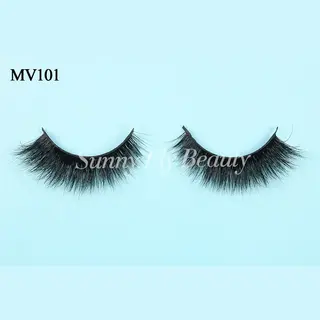
Faux Mink/Mink Effect Lashes: Lightweight, wispy, and soft; designed to mimic real mink without animal sourcing.
-
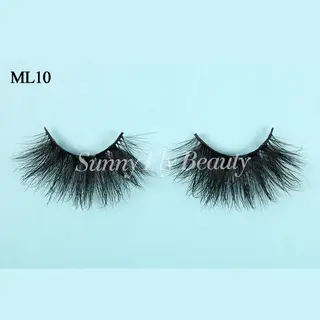
Real Mink Lashes: Premium, ultra-lightweight, and natural; ethical sourcing concerns have reduced popularity.
-
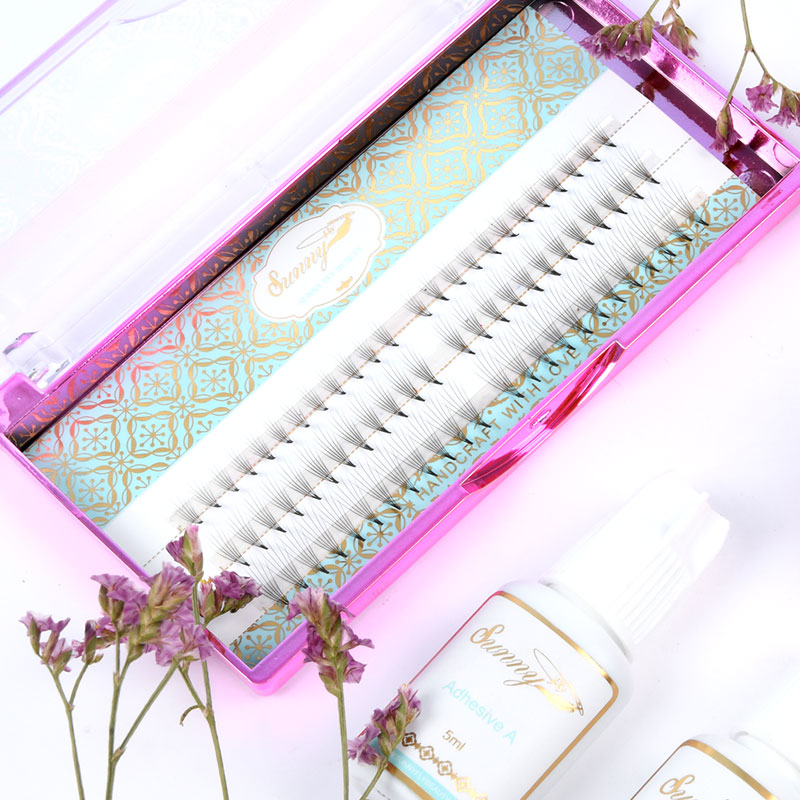
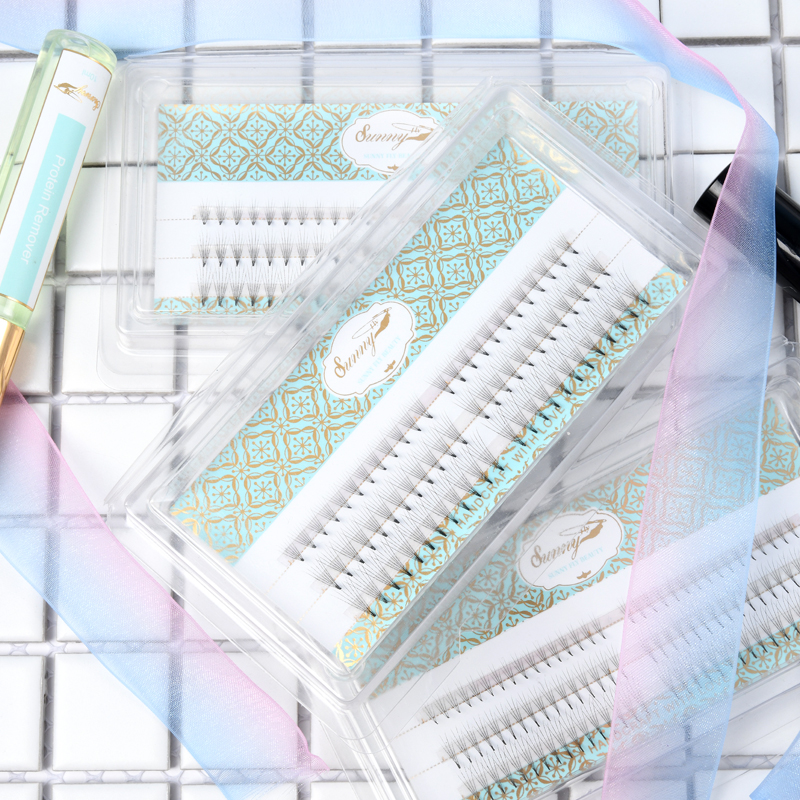
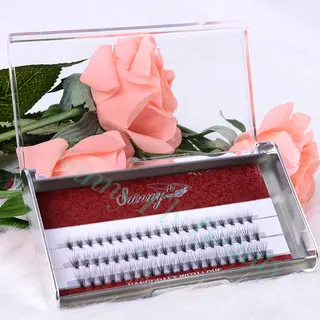
Volume/Fans: Hand-crafted fans of 2-6 ultra-fine lashes applied to one natural lash for a fuller effect.
-
Hybrid/Mixed Sets: Combination of classic (1:1) and volume lashes for a textured look.
By Application Technique & Style:
-
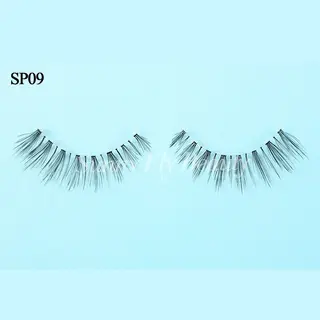
Classic/1:1: One extension applied to one natural lash for a natural, enhanced look.
-
Volume (2D-6D+): Multiple ultra-fine extensions (fans) applied to one natural lash for dramatic fullness.
-
Mega Volume (6D+): Extremely high-density fans for maximum drama.
-
Hybrid: Blends classic and volume techniques.
-
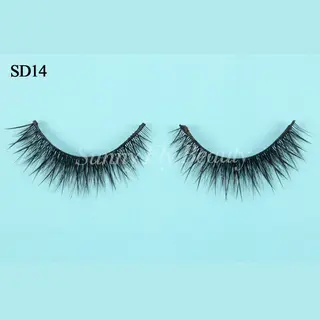
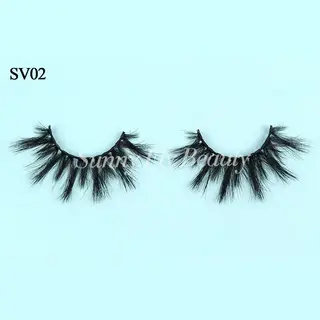
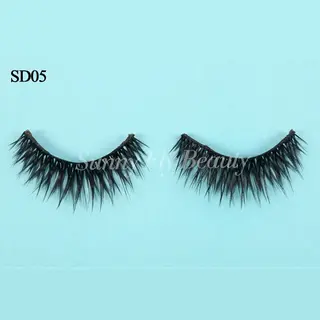
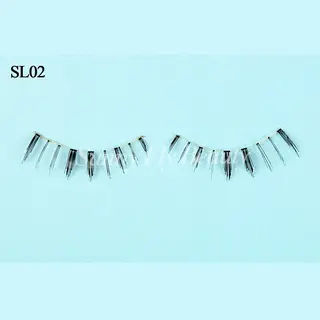
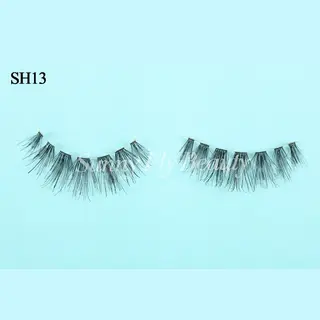
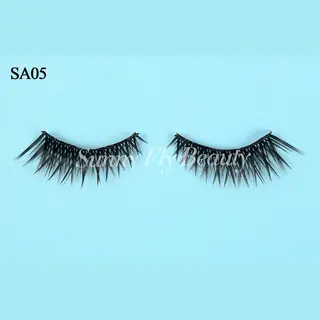
Wispy/Spikey: Intentional variation in length and placement for a textured, artistic effect.
-
Russian Volume: A specific technique for creating lightweight, fluffy volume fans.
By Service Type:
-
Full Set Application: Initial complete application.
-
Refills/Infills: Maintenance appointments to replace grown-out lashes (typically every 2-4 weeks).
-
Lash Removal: Professional safe removal using specialized solvents.
-
Lash Lift & Tint: A related service that curls and tints natural lashes, sometimes combined with extensions.
Technology & Innovation Trends
-
Advanced Adhesive Chemistry: Development of faster-curing, low-fume, medical-grade, and longer-lasting "bonding" agents.
-
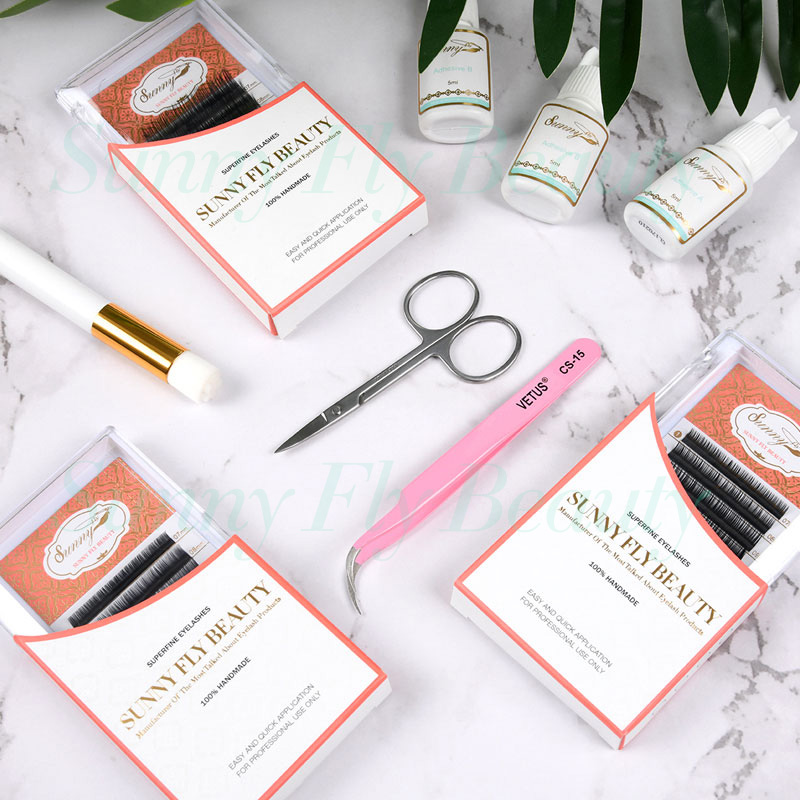
Ergonomic & Precision Tools: Magnifying LED lamps, ultra-fine tweezers (straight, curved), improved isolation tools, and comfortable workstation design.
-
Lash Material Innovation: Introduction of lighter, more flexible, and curl-retentive synthetic fibers; antibacterial or hypoallergenic coatings.
-
Digital Integration & Booking: Specialized salon management software for bookings, client lash maps, history tracking, and inventory.
-
Advanced Training Techniques: Use of mannequin heads, virtual reality (VR) training modules, and online certification programs.
-
Aftercare Product Development: Gentler cleansers, sealants to prolong retention, and growth serum formulations.
Global Market Drivers
-
Social Media & Beauty Influencer Impact: Platform-driven visual culture (Instagram, TikTok) normalizes and popularizes lash enhancements.
-
Demand for Low-Maintenance Beauty: Extensions reduce daily makeup routine time, appealing to busy consumers.
-
Rising Disposable Income in Emerging Markets: Growth in Asia-Pacific (Korea, Japan, China as trendsetters), Middle East, and Latin America.
-
Professionalization & Certification: Increased consumer trust in trained, certified technicians over unregulated practitioners.
-
Male Grooming Expansion: Growing, though niche, acceptance among male clients.
-
Bridal & Special Occasion Market: High-demand period for premium services.
Industry Value Chain
-
Raw Material Suppliers: Providers of PBT filament, adhesive chemicals, packaging.
-
Manufacturers & Brands: Lash fiber producers, adhesive formulators, and tool makers (e.g., Lashify, Lilac St., private label suppliers).
-
Distributors & Wholesalers: B2B companies supplying products to salons and technicians.
-
Training & Certification Academies: Organizations providing education and credentials.
-
Service Providers: Salons, boutique lash studios, independent mobile technicians.
-
End Consumers: Clients seeking aesthetic enhancement.
Key Industry Challenges
-
Regulatory Fragmentation: Lack of uniform licensing requirements for technicians across regions/countries, leading to quality and safety inconsistencies.
-
Allergy & Safety Concerns: Risks associated with adhesive fumes (cyanoacrylates), eye infections, and allergic reactions.
-
Skill Dependency & Technician Burnout: High physical demand (repetitive strain, eye focus) leads to turnover and service quality variability.
-
Market Saturation & Price Competition: Intense competition in urban areas, leading to price wars and pressure on technician wages.
-
Consumer Misinformation: Unrealistic expectations set by social media regarding lash health, durability, and suitable styles for natural lash conditions.
-
Supply Chain for Adhesives: Difficulty in consistent, safe international shipping of volatile chemical adhesives.
Future Outlook
-
Wellness-Integrated Services: Focus on "lash health" - products and techniques that prioritize natural lash integrity and growth.
-
At-Home & DIY Market Growth: Development of safer, consumer-friendly semi-permanent lash systems (e.g., Lashify's approach).
-
Sustainability Focus: Biodegradable lash fibers, recyclable packaging, and ethical sourcing transparency.
-
Technology-Driven Customization: AI/AR tools for virtual try-ons and style recommendations; advanced adhesives for longer retention.
-
Medical Aesthetics Convergence: Increased collaboration with ophthalmologists and dermatologists for safety standards and hybrid services.
-
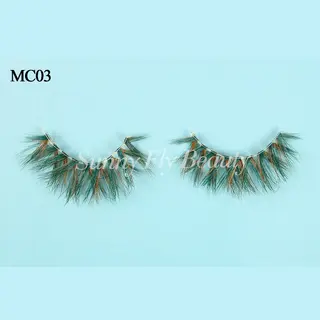
Specialization & Niche Services: Growth in specific styles (e.g., "wet look," colored lashes) and services for clients with allergies or sensitivities.