1. Industry Definition & Scope
The Truck Industry, also known as the Commercial Vehicle (CV) Industry, encompasses the design, manufacturing, marketing, sale, financing, servicing, and operation of motor vehicles primarily designed for transporting goods and cargo. It is a critical backbone of the global logistics, construction, and industrial sectors, classified by Gross Vehicle Weight (GVW) and application. The industry includes both the Original Equipment Manufacturers (OEMs) and the vast ecosystem of component suppliers, body builders, dealers, and service providers.
2. Major Product Categories (By Weight & Application)
-
Light-Duty Trucks:
-
GVW Range: Up to 6.3 tons (Class 1-3).
-
Examples: Pickup trucks, vans, minivans (for cargo), small box trucks.
-
Primary Use: Last-mile delivery, small businesses, trades (plumbing, electrical), personal/utility use.
-
-
Medium-Duty Trucks:
-
GVW Range: 6.3 to 15 tons (Class 4-7).
-
Examples: Box trucks (e.g., delivery trucks), refuse trucks, beverage trucks, school buses, larger utility trucks.
-
Primary Use: Regional distribution, municipal services, retail delivery, specialized vocations.
-
-
Heavy-Duty Trucks:
-
GVW Range: Over 15 tons (Class 8).
-
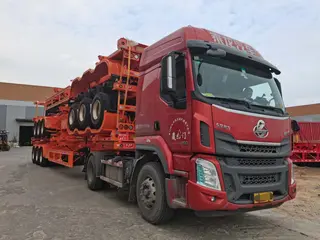
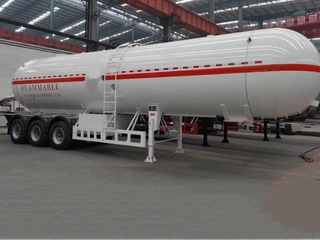
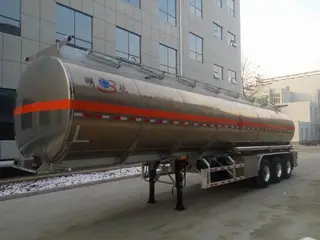
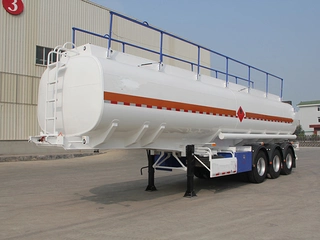
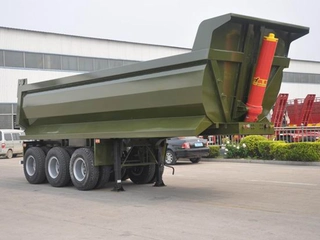
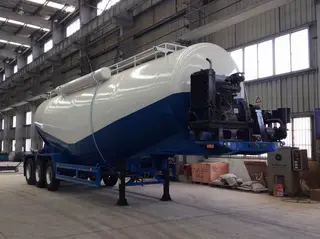
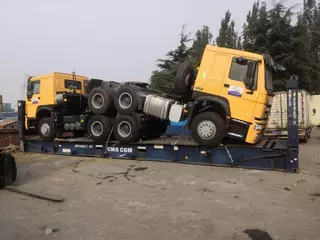
Examples: Tractor-trailers (semi-trucks), dump trucks, concrete mixers, heavy haulers, loggers.
-
Primary Use: Long-haul freight, bulk material transport, heavy construction, mining.
-
-
Special Purpose Vehicles:
-
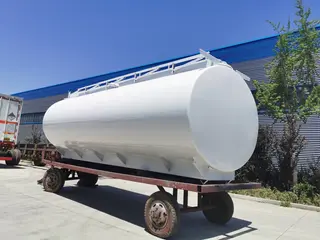
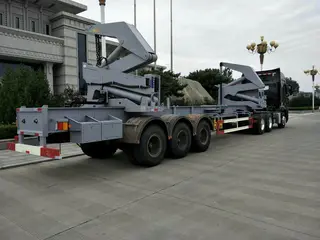
Types: Fire trucks, ambulances, crane trucks, military vehicles, off-road quarry/mining trucks.
-
Note: Often built on specialized chassis by third-party body manufacturers.
-
3. Industry Chain Structure
Upstream:
-
Raw Materials: High-strength steel, aluminum alloys, plastics, rubber (tires), glass, copper (wiring).
-
Core Component & System Suppliers:
-
Powertrain: Diesel/gasoline engines, transmissions, axles (e.g., Cummins, Eaton, ZF).
-
Chassis & Safety: Frames, braking systems (ABS, EBS), steering systems.
-
Cab & Comfort: Seats, climate control, infotainment systems.
-
Electrical & Electronics: Wiring harnesses, ECUs, sensors, advanced driver-assistance systems (ADAS) components (radar, cameras).
-
Midstream:
-
Truck OEMs (Original Equipment Manufacturers): Design and assemble the core chassis, cab, and powertrain.
-
Global Leaders: Daimler Truck (Freightliner, Mercedes-Benz), Volvo Group (Volvo, Mack), Traton Group (MAN, Scania), PACCAR (Kenworth, Peterbilt).
-
North American: Ford, GM, Stellantis (Ram) for light-duty.
-
Chinese Leaders: FAW Jiefang, Dongfeng, Sinotruk, Shaanxi Auto.
-
-
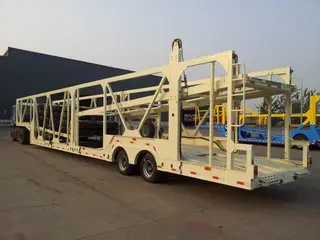
Body Builders & Upfitters: Customize the OEM chassis for specific end-use (e.g., adding refrigerated boxes, dump bodies, crane arms).
Downstream:
-
Sales & Distribution: Dealer networks, fleet sales departments, online configurators.
-
Financing & Leasing: Captive finance arms (e.g., Daimler Truck Financial) and third-party lenders crucial for fleet acquisition.
-
Maintenance & Aftermarket: Dealership service centers, independent repair shops, parts distributors (e.g., parts for trucks).
-
End Users (Fleets & Owner-Operators):
-
For-Hire Carriers: Logistics companies, LTL (Less-Than-Truckload) carriers.
-
Private Fleets: Retailers (e.g., Walmart, Amazon), manufacturers, construction companies.
-
Government & Municipal Fleets.
-
-
Telematics & Fleet Management Service Providers: Companies like Geotab, Trimble that provide tracking, diagnostics, and optimization software.
4. Key Market Dynamics & Characteristics
-
Cyclical Nature: Demand is highly correlated with overall economic health, industrial production, and freight volumes. It experiences boom and bust cycles.
-
High Capital Intensity & Entry Barriers: Requires enormous investment in R&D, manufacturing plants, and supply chains, leading to an oligopolistic global structure.
-
Total Cost of Ownership (TCO) Focus: Buyers (especially fleets) prioritize fuel efficiency, reliability, maintenance costs, and resale value over just the purchase price.
-
Stringent Regulatory Environment: Subject to heavy regulation on emissions (e.g., Euro VII, EPA standards), safety (e.g., lane departure warning), driver hours (HOS), and vehicle dimensions/weights.
-
Fragmented Customer Base: Ranges from large multinational fleets to small businesses and individual owner-operators, each with different needs.
5. Development Trends
-
Electrification & Alternative Powertrains:
-
Rapid development of Battery Electric Trucks (BETs) for urban/regional duty. Pilots for hydrogen fuel cell trucks for long-haul.
-
Charging/Refueling Infrastructure as a critical enabler.
-
-
Automation & Connectivity:
-
Evolution from ADAS (e.g., adaptive cruise, automatic emergency braking) to platooning and eventual autonomous trucks (initially for highway hub-to-hub).
-
Connected vehicle platforms enabling predictive maintenance, remote diagnostics, and optimized routing.
-
-
Payload & Efficiency Optimization:
-
Use of lightweight materials (aluminum, composites) to increase payload capacity.
-
Aerodynamic designs and low-rolling-resistance tires to reduce fuel consumption.
-
-
New Business Models & Services:
-
Truck-as-a-Service (TaaS): Bundling vehicle, maintenance, insurance, and telematics into a single subscription.
-
Growth of digital freight marketplaces (e.g., Uber Freight) impacting how capacity is booked.
-
-
Sustainability & Decarbonization:
-
Intense pressure from shippers (like retailers) to reduce Scope 3 emissions, driving adoption of green trucks.
-
Focus on lifecycle analysis, renewable fuels (HVO, RNG), and battery recycling.
-
6. Major Challenges & Opportunities
Challenges:
-
Technological Transition Costs: Immense R&D and capital expenditure needed for electrification and automation with uncertain short-term ROI.
-
Infrastructure Deficit: Lack of widespread heavy-duty charging and hydrogen refueling networks.
-
Supply Chain Resilience: Vulnerability to semiconductor shortages, material price spikes (e.g., lithium), and geopolitical disruptions.
-
Driver Shortage: In many regions, pushing the economic case for automation but also requiring better driver-centric truck designs.
Opportunities:
-
Zero-Emission Vehicle Mandates: Government policies worldwide creating a guaranteed market for new technology trucks.
-
E-commerce & Logistics Growth: Explosion in parcel delivery driving demand for last-mile and medium-duty trucks.
-
Data Monetization: Leveraging vehicle data to offer new services (insurance, fuel optimization, predictive parts sales).
-
Emerging Markets: Infrastructure development in Asia, Africa, and South America driving demand for new and rugged trucks.
-
Differentiation Through Software: The vehicle's digital ecosystem and services becoming a key competitive battleground beyond hardware.