Industry Definition & Scope
The children's clothing industry encompasses the design, manufacturing, distribution, and retail of apparel specifically created for infants, toddlers, children, and pre-teens (typically ages 0–14). This specialized segment of the global apparel market addresses unique requirements related to safety, comfort, durability, growth accommodation, and age-appropriate aesthetics, while responding to rapidly evolving trends influenced by parental preferences, children’s self-expression, and cultural shifts.
Key Product Categories
-
By Age Group:
-
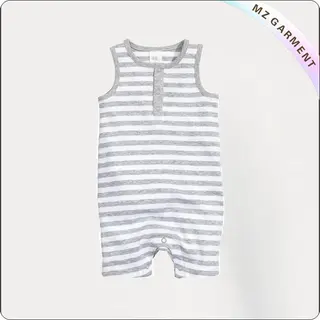
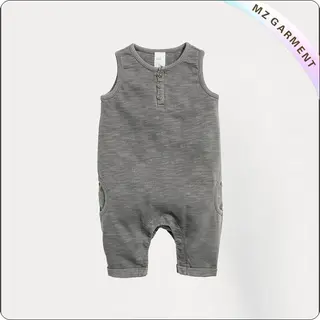
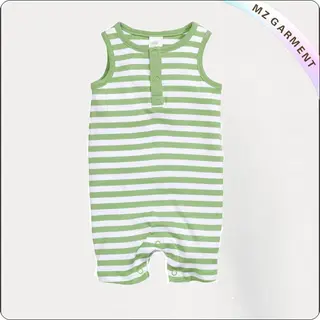
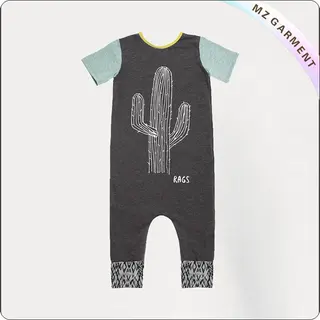
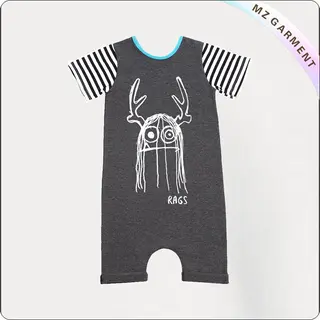
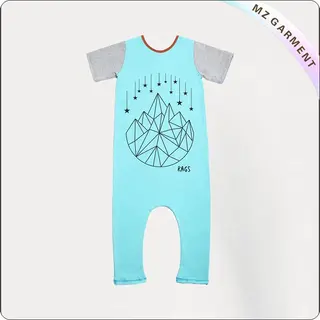
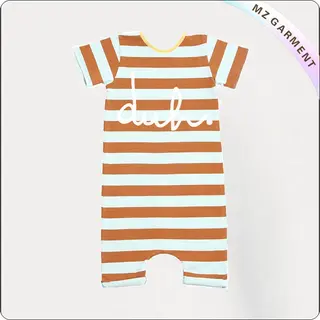
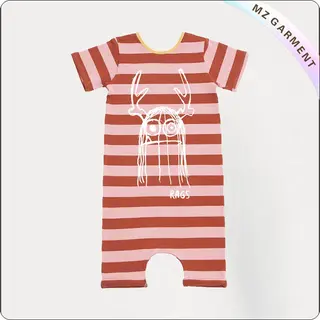
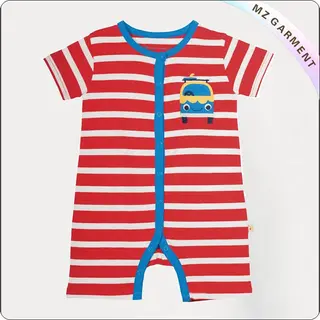
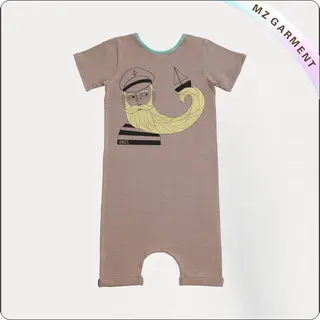
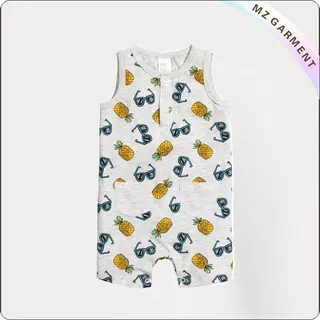
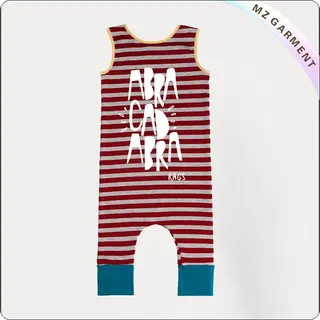
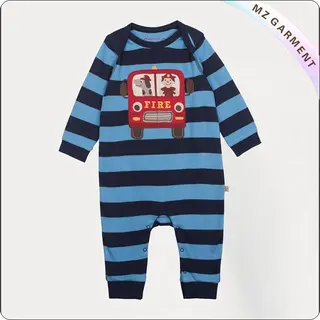
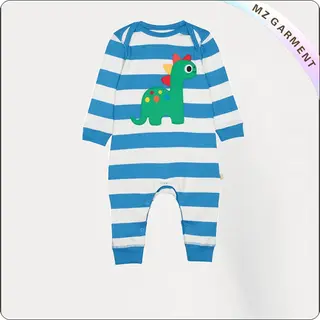
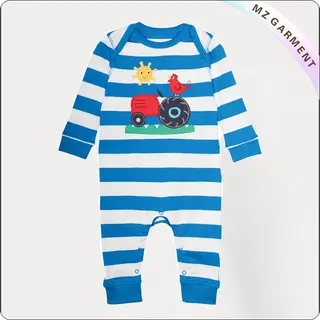
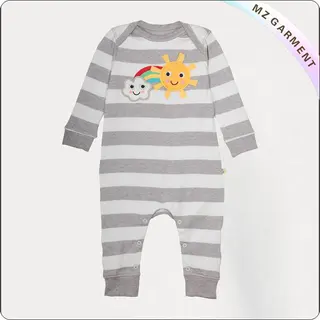
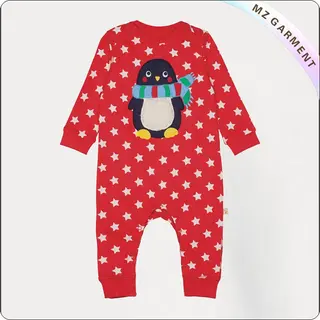
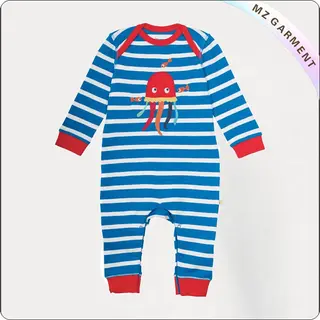
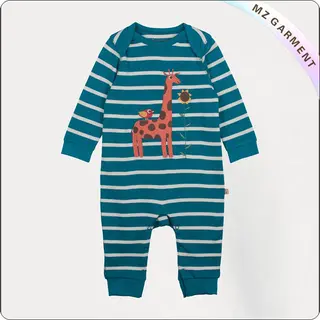
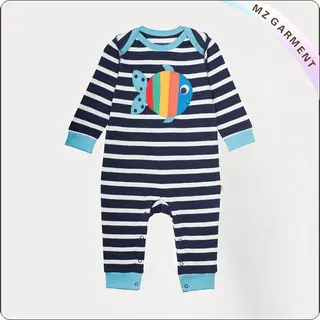
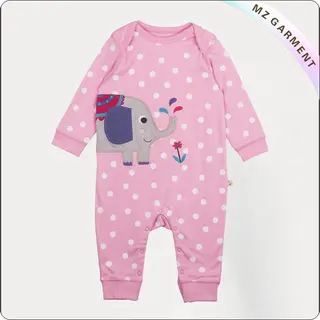
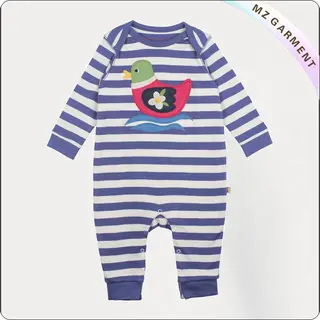
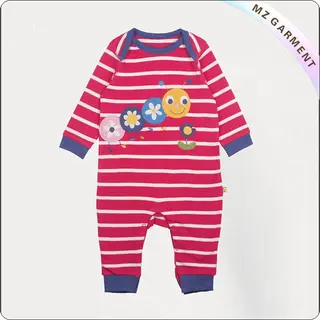
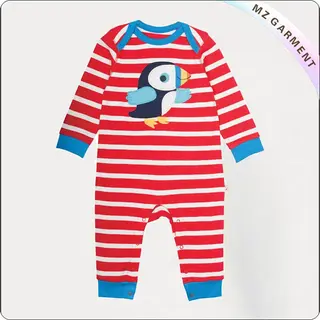
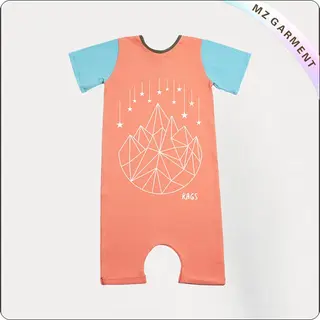
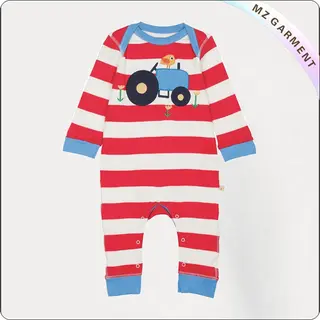
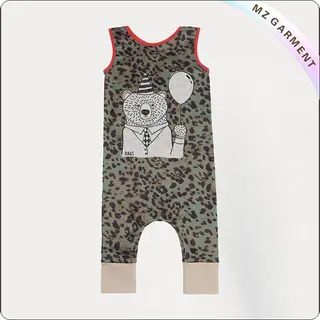
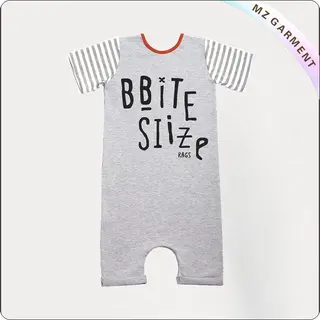
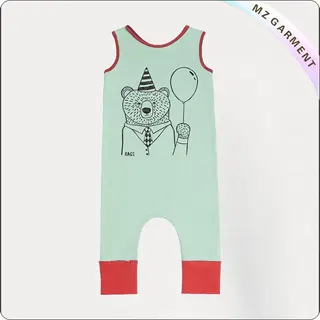
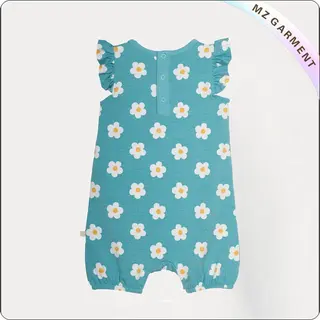
Infant (0–24 months): Onesies, rompers, sleepwear, layette sets
-
Toddler (2–4 years): Playwear, easy-dressing designs, training pants
-
Children (5–9 years): School uniforms, casual wear, seasonal outfits
-
Pre-teens/Tweens (10–14 years): Fashion-forward styles bridging children’s and adult trends
-
-
By Product Type:
-
Everyday Wear: T-shirts, pants, dresses, skirts, shorts
-
Sleepwear & Loungewear: Pajamas, nightgowns, robes
-
Outerwear: Jackets, coats, rainwear, winter suits
-
Formal & Occasion Wear: Party dresses, suits, ceremonial attire
-
Uniforms: School, sports, and organizational uniforms
-
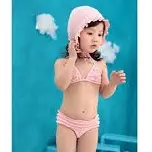
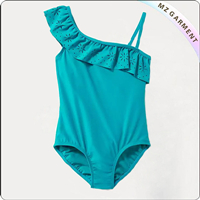
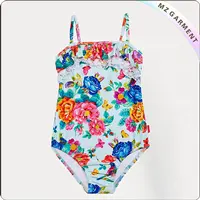
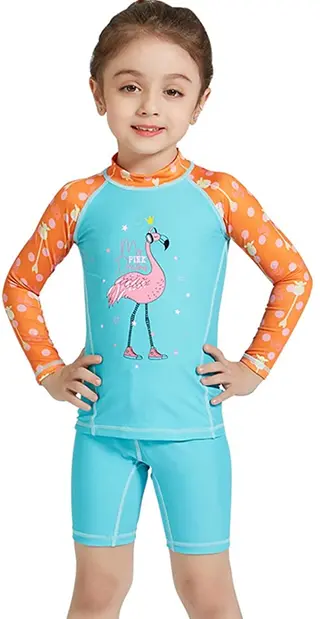
Seasonal Collections: Swimwear, holiday-themed outfits, winter gear
-
-
By Material & Safety Standards:
-
Natural Fibers: Organic cotton, bamboo, linen, wool
-
Synthetic & Blends: Polyester, nylon, spandex for stretch and durability
-
Safety-Compliant Materials: Flame-resistant sleepwear, non-toxic dyes, lead-free prints
-
Sustainable Options: Recycled polyester, GOTS-certified fabrics, biodegradable fibers
-
-
By Market Positioning:
-
Luxury/Designer: High-end brands focusing on premium materials and craftsmanship
-
Mid-Market: Quality brands balancing price and design (e.g., Carter’s, Gap Kids)
-
Mass Market: Affordable, high-volume retailers (e.g., H&M Kids, Primark)
-
Specialty/Niche: Sustainable, adaptive, or culturally specific brands
-
Technology & Innovation Trends
-
Smart & Functional Fabrics:
-
Temperature-regulating materials for all-season comfort
-
Stain-resistant and easy-clean technologies
-
UV-protective fabrics for outdoor wear
-
Growth-adaptive designs with expandable seams and adjustable features
-
-
Digital Integration & Customization:
-
AR/VR virtual fitting rooms for online shopping
-
Personalized prints and embroidery via digital platforms
-
IoT-enabled clothing for safety tracking (e.g., GPS patches)
-
Apps for size prediction based on growth algorithms
-
-
Sustainability & Circular Economy:
-
Clothing rental/subscription models for fast-growing children
-
Take-back programs for recycling and upcycling
-
Blockchain for transparent supply chains and ethical sourcing
-
Waterless dyeing and eco-friendly packaging
-
-
Safety & Health Innovations:
-
Hypoallergenic and antimicrobial treatments
-
Reflective elements for visibility
-
Choking hazard-free designs (e.g., magnetic closures instead of buttons)
-
Ergonomic designs supporting physical development
-
Global Market Drivers
-
Rising disposable income and spending on children’s fashion
-
Influence of social media and "kidfluencers" on trends
-
Growing awareness of sustainable and ethical consumption
-
Increasing birth rates in emerging markets (e.g., Africa, Southeast Asia)
-
Dual-income households prioritizing convenience and quality
-
Cultural shifts toward gender-neutral and unisex clothing
-
Expansion of e-commerce and direct-to-consumer brands
-
Regulatory emphasis on safety standards and labeling
Major Players & Value Chain
-
Global Brands: Carter’s, Disney, Nike Kids, Adidas Kids, Zara Kids
-
Specialty Retailers: Children’s Place, Gymboree, Hanna Andersson
-
Luxury Brands: Bonpoint, Gucci Kids, Burberry Childrenswear
-
Sustainable Pioneers: Patagonia Kids, Frugi, Petit Pli
-
Value Chain:
-
Raw material sourcing → textile production → design → manufacturing → quality testing → branding → distribution (wholesale/retail/e-commerce) → consumers
-
Challenges & Opportunities
-
Challenges:
-
Fast growth cycles leading to frequent size changes and inventory waste
-
Intense competition and price sensitivity
-
Strict safety regulations varying by region (e.g., CPSIA in the U.S., REACH in the EU)
-
Counterfeit products and design piracy
-
Supply chain complexity and ethical labor concerns
-
-
Opportunities:
-
Growth in adaptive clothing for children with disabilities
-
Expansion into underserved markets (e.g., plus-size children’s wear)
-
Smart clothing integrating health and safety features
-
Subscription and rental models reducing waste
-
Localized designs celebrating cultural diversity
-
Collaborations with entertainment and educational brands
-