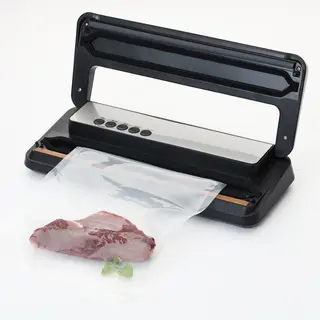
Industry Definition & Scope
The vacuum sealers industry encompasses the design, manufacturing, and distribution of devices that remove air from packaging to create a vacuum environment, primarily used for food preservation, industrial packaging, and specialized storage applications. This technology-driven sector combines engineering precision, material science, and consumer convenience to extend product shelf life, prevent spoilage, and optimize storage efficiency across multiple domains.
Key Product Categories
-
By Product Type:
-
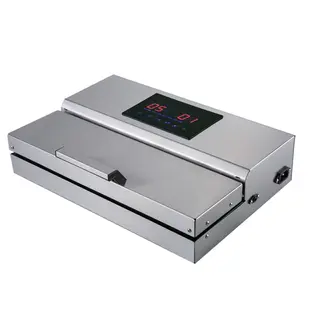
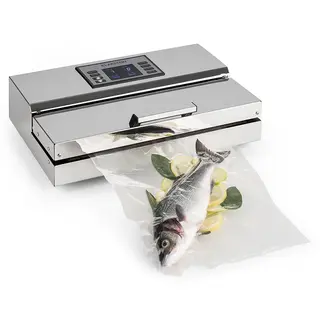
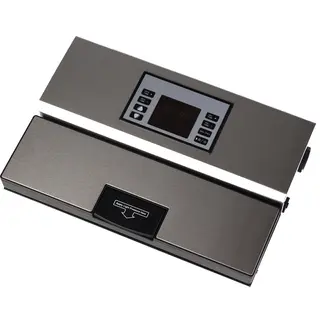
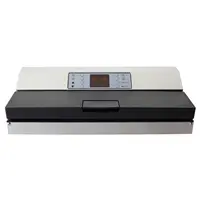
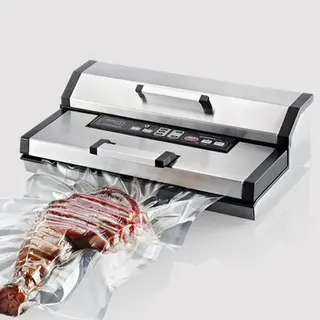
Chamber Vacuum Sealers: Professional-grade machines with internal chambers
-
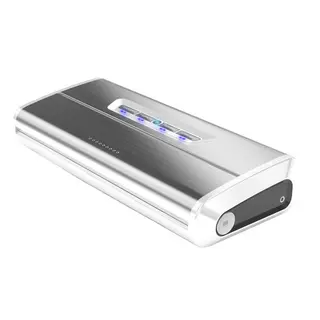
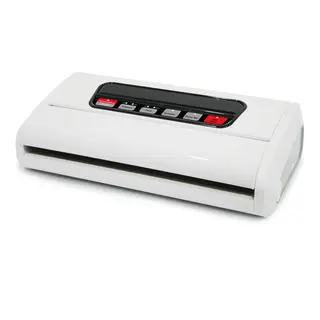
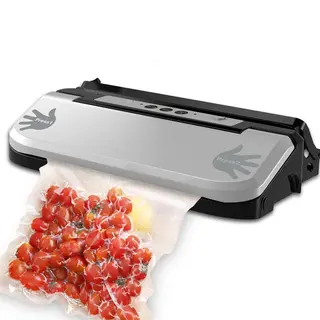
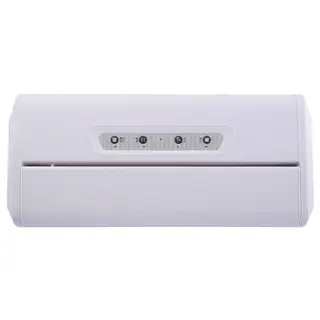
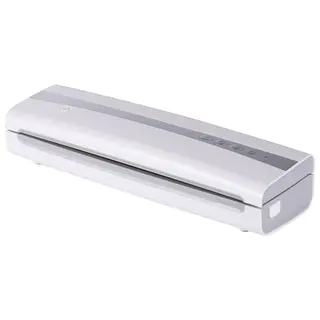
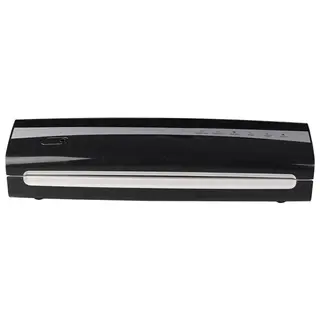
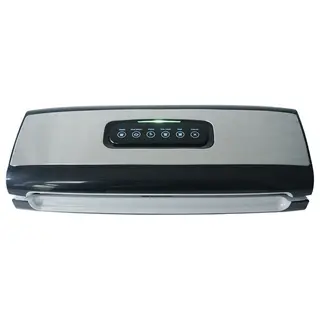
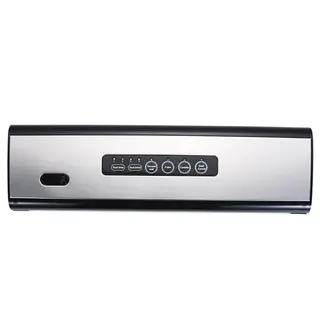
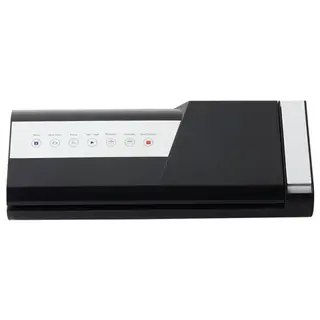
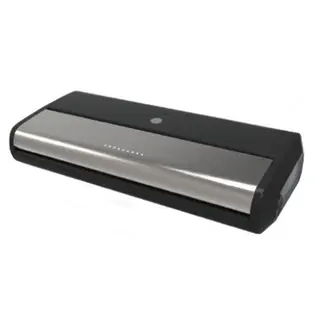
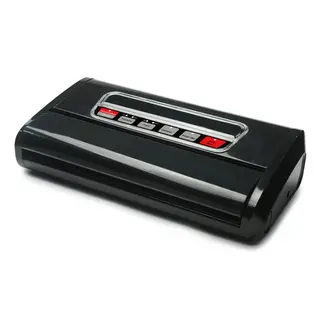
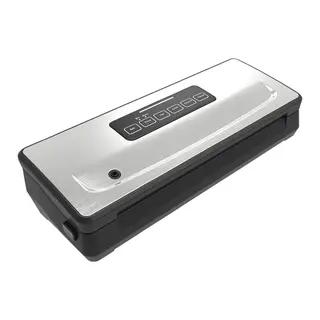
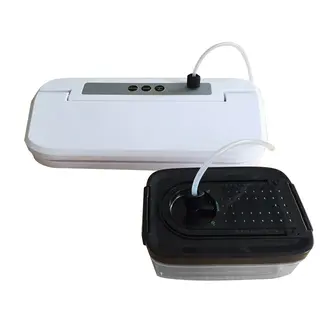
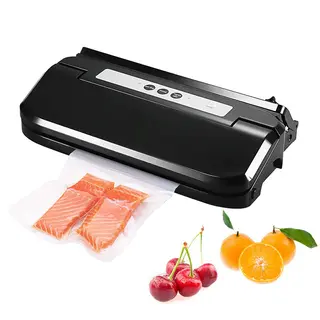
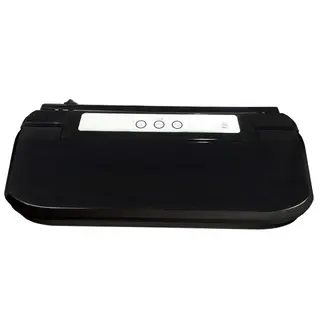
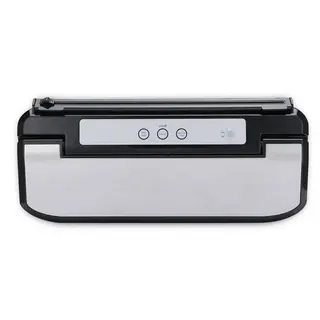
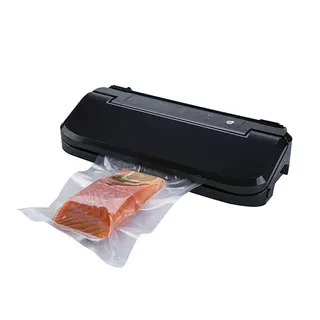
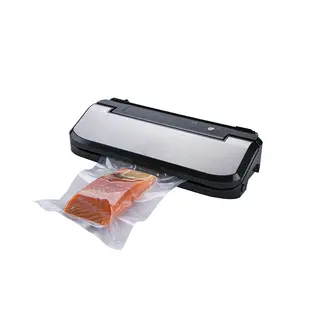
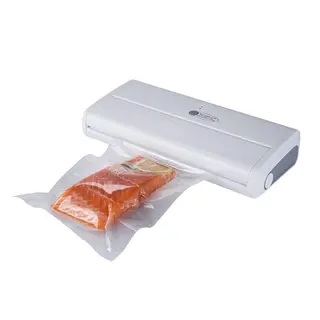
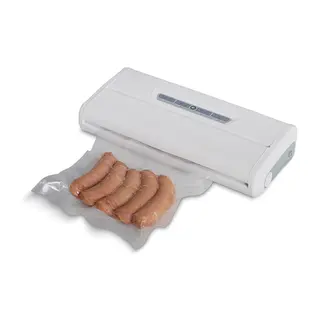
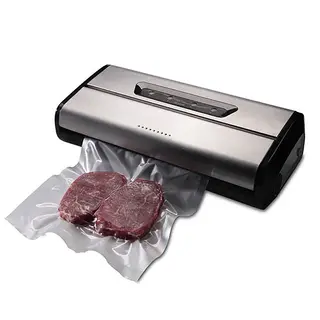
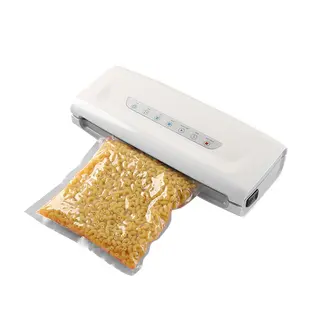
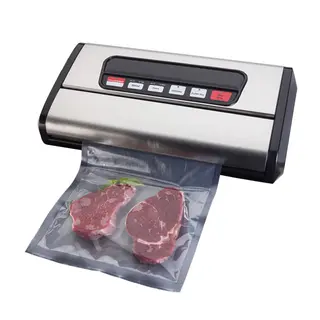
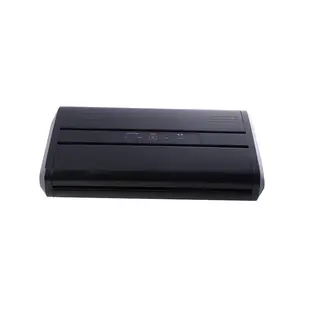
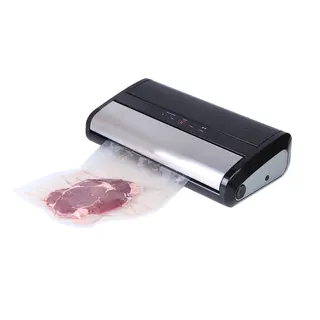
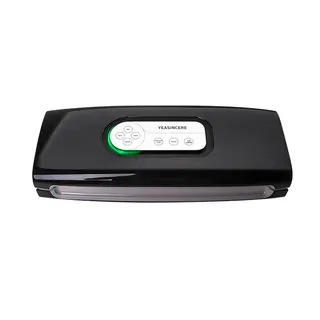
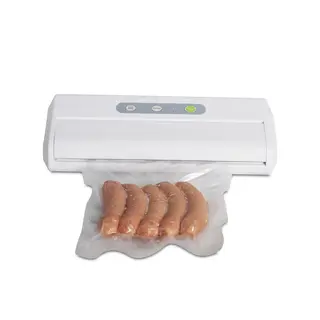
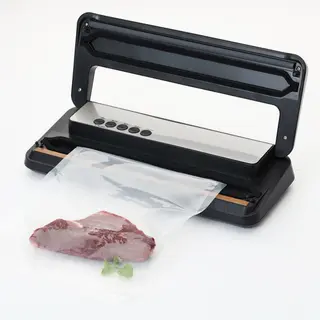
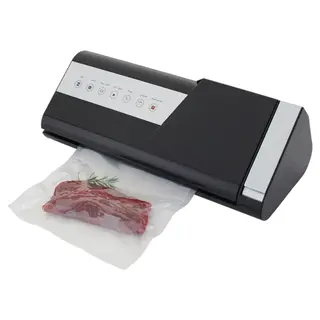
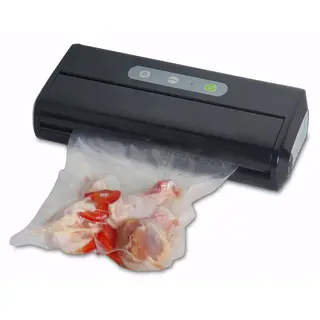
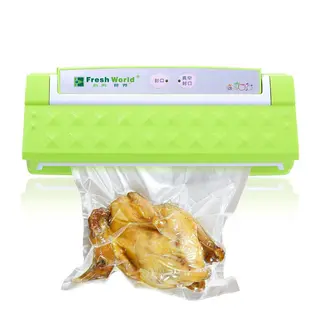
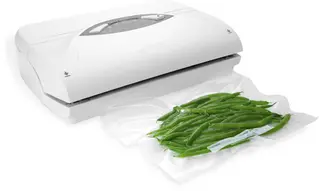
External/Nozzle Vacuum Sealers: Household and light commercial models
-
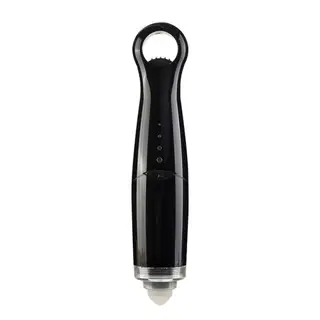
Handheld Vacuum Sealers: Portable devices for use with special bags
-
Automatic Vacuum Packaging Systems: Industrial continuous operation systems
-
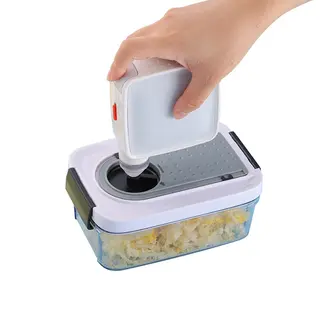
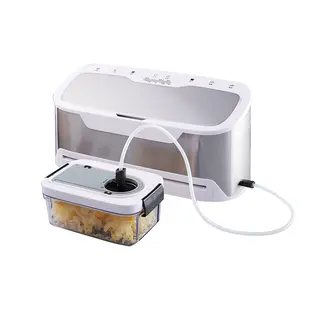
Specialized Sealers: For Mason jars, wine preservation, medical packaging
-
-
By Technology & Function:
-
Basic Vacuum Sealers: Simple air removal and heat sealing
-
Multi-Function Models: With marinating, sealing-only, and pulse modes
-
Moisture-Controlled Sealers: For wet or moist foods
-
Gas Flush Systems: Modified atmosphere packaging (MAP) capabilities
-
Smart Connected Sealers: WiFi/Bluetooth enabled with app control
-
-
By Application Field:
-
Food & Beverage: Household food preservation, commercial food processing
-
Industrial Packaging: Electronic components, pharmaceutical products
-
Medical & Laboratory: Specimen preservation, medical device packaging
-
Collectibles & Archives: Document and artifact preservation
-
Outdoor & Survival: For camping, hunting, emergency preparedness
-
-
By Capacity & Performance:
-
Household Models: Typically 100-150W, for occasional home use
-
Semi-Professional: 200-500W, for small businesses and serious home users
-
Industrial Systems: 1000W+, continuous duty with high throughput
-
Technology & Innovation Trends
-
Advanced Sealing Technologies:
-
Pulse vacuum technology for delicate foods
-
Double heat seal bars for fail-safe sealing
-
Automatic bag detection and cutting systems
-
Quick cooling systems for faster cycle times
-
-
Smart & Connected Features:
-
Mobile app integration with recipe suggestions
-
Voice control compatibility (Alexa, Google Assistant)
-
Automatic vacuum level adjustment based on content
-
Maintenance alerts and usage tracking
-
-
Material Compatibility Innovations:
-
Universal bag compatibility beyond proprietary systems
-
Eco-friendly and biodegradable bag material adaptation
-
Multi-layer barrier bag handling capabilities
-
Glass and rigid container vacuum adapters
-
-
Energy Efficiency & Sustainability:
-
Low-power standby modes and automatic shut-off
-
Recyclable component designs
-
Reduced plastic usage through optimized bag sizing
-
Durable construction for longer product lifespan
-
Global Market Drivers
-
Rising consumer awareness of food waste reduction
-
Growth in home cooking and meal preparation trends
-
Increasing demand for food preservation in retail and hospitality
-
Expansion of e-commerce requiring protective packaging
-
Growth in outdoor and recreational activities
-
Aging population requiring medication and special diet preservation
-
Globalization of food supply chains requiring extended shelf life
-
Technological affordability bringing professional features to households
Major Players & Value Chain
-
Premium Brands: VacMaster, Weston, FoodSaver, NutriChef
-
Mass Market Brands: Nesco, Magic Seal, KOIOS, Geryon
-
Industrial Specialists: Henkelman, Multivac, Ilpra, Webomatic
-
Component Suppliers: Heating element manufacturers, pump producers, sensor providers
-
Value Chain: Raw materials → component manufacturing → assembly → quality testing → branding → distribution (retail/e-commerce/commercial) → consumers/users
Challenges & Opportunities
-
Challenges:
-
Competition from alternative preservation methods (freezing, canning)
-
Environmental concerns about plastic bag usage
-
High energy consumption in industrial models
-
Technical complexity in maintenance and repair
-
Market saturation in basic household segments
-
-
Opportunities:
-
Smart kitchen integration and IoT connectivity
-
Sustainable and compostable packaging solutions
-
Medical and pharmaceutical packaging expansion
-
Emerging markets with growing middle class
-
Customization for specific dietary needs (sous vide, special diets)
-
Rental and subscription models for occasional users
-
Integration with meal kit and food delivery services
-