
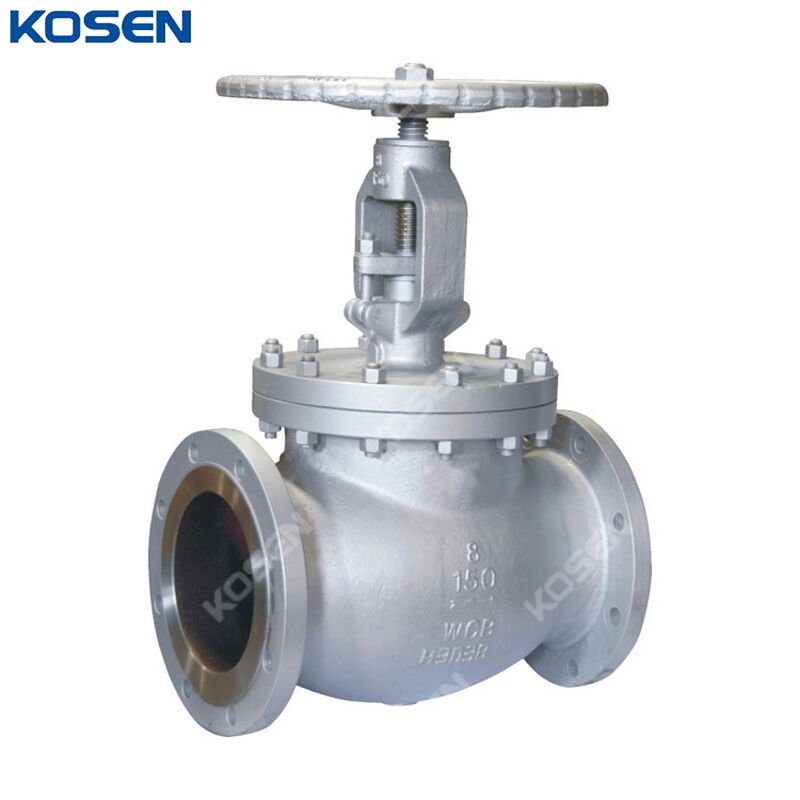
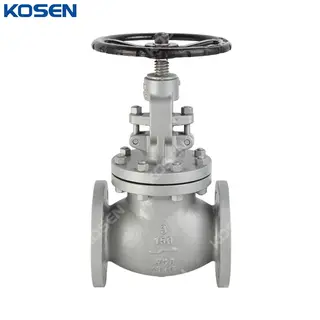
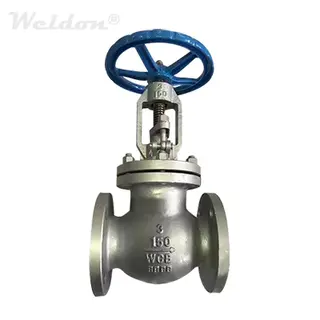
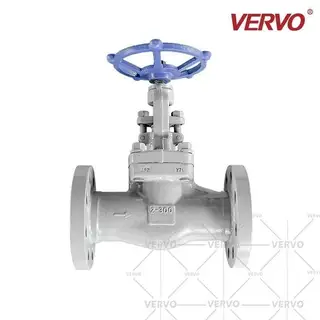
Rising Stem Globe Valve, ASME B16.34, A216 WCB, 8 IN, 150 LB
Key Specifications / Features
Detail Information
Product Name: Rising Stem Globe Valve
Features: OS&Y, Bolted Bonnet, Rising-stem
Design Standard: ASME B16.34
Body Material: ASTM A216 WCB
Size: 8 Inch, DN200
Pressure: Class 150 LB, PN20
End Connection: RF Flanged
Operation: Manual
Cast Steel Globe Valves are engineered to achieve a leakage of less than 100 ppm (parts per million) of volatile organic compounds (VOCs). Extensive baseline laboratory testing, including both static and cycle tests, has been conducted to establish critical design parameters for low-emission sealing, specifically in the KOSEN stem packing and bonnet gasket sealing areas. An in-house testing procedure has been developed and is regularly performed to ensure that the product design and manufacturing standards consistently result in Cast Steel Globe Valves meeting the maximum VOC leakage of 100 ppm before shipment.
Technical Specifications
» Nominal Diameter: NPS 1/2–24 Inch (DN15–DN600)
» Design Pressure: Class 150–2500 LB (PN10–PN420)
» Temperature Range: -29°C to 595°C
» Medium: Water, gas, oil, and other fluids
» Materials: ASTM A216 WCB, WCC, A217 WC6, WC9, C5, C12A, A352 LCB, LCC, A351 CF8, CF8M, CF3M, CF8C, CN3MN, CK3MCUN, CN7M, A890 4A (CD3MN), 5A (CE3MN), 6A (CD3MWCuN), B148 C95800, C95500
» End Connections: Flanged (FF, RF, RTJ) to international standards
» Operation: Handwheel, bevel gear, electric, pneumatic
» Applications: Electric power, petroleum refining, petrochemical engineering, offshore oil, urban water engineering, chemical engineering
» Design and Manufacture: ASME B16.34, BS 1873, DIN 3356
» Face to Face (End to End): ANSI B16.10, EN 558 series
» Flanged Connection: ANSI B16.5, EN 1092 series
» Butt Welded End: ANSI B16.25
» Test and Inspection: API 598, ISO 5208, EN 12266-1
Product Features
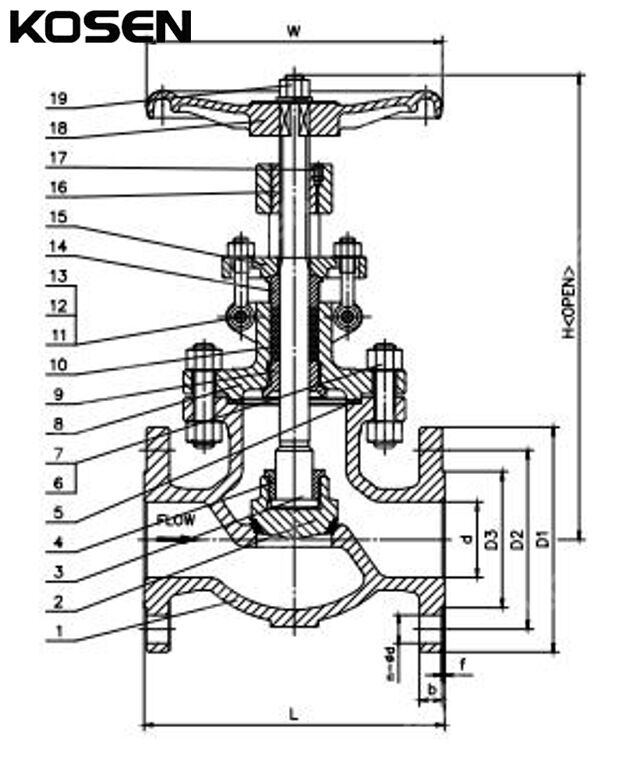
» OS&Y (Outside Stem and Yoke), bolted bonnet, rising stem
» Short stroke for easy, quick open/close
» For large size and high pressure: relief cone = internal bypass
» Disc sealing: flat sealing, throttle cone = regulating disc
» Body seat: threaded seat or welded seat
» Metal-sealed (API Trim #1, #5, #8, #10, etc.)
» Optional locking device or stem extension
» Optional direct mounting to ISO 5211
» Reduce port
Send your message to this supplier
FAQs
What is a Non-Rising Stem Gate Valve?
A valve where the stem does not move vertically but rotates internally to raise or lower the gate. This design is ideal for installations with limited vertical space.
How Does a Non-Rising Stem Gate Valve Work?
The handwheel turns the stem, which in turn moves the gate up or down inside the valve body without changing the external height of the stem.
How Does a Rising Stem Gate Valve Work?
The handwheel lifts the stem and gate together, providing a visual indication of whether the valve is open or closed.
Which Valve Should I Choose?
Use a rising stem valve for above-ground applications where visibility and ease of maintenance are important.
Use a non-rising stem valve for underground or space-limited installations.
Conclusion
The choice between rising stem and non-rising stem gate valves depends on your specific application needs. For clear valve status indication and easy maintenance, go with a rising stem valve. For compact installations, a non-rising stem valve is the better option.
Similar Products
Related Searches
Products you might also like

Zhejiang Kosen Valve Co., Ltd.
- https://www.kosenvalve.com/
- Address: Dongou Industrial Zone, Oubei, Wenzhou, Zhejiang, China
- Phone: 86 577 5798 7171
- Business Type: Industry & Trading , Manufacturer
Source: https://www.kosenvalve.com/rising-stem-globe-valve-asme-b16-34-a216-wcb-8-in-150-lb.html