1. Industry Definition & Scope
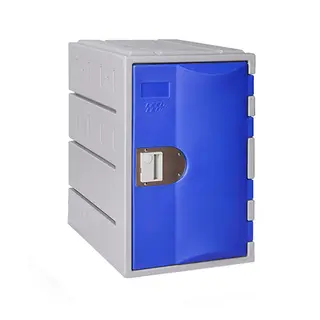
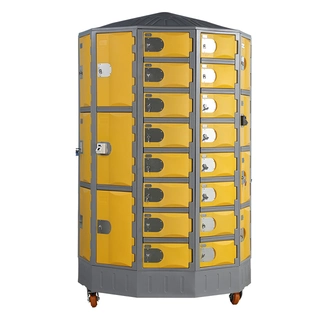
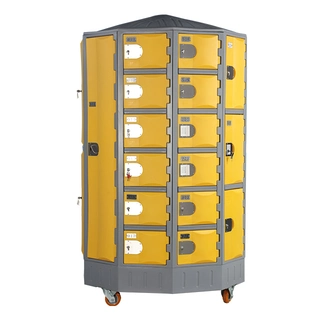
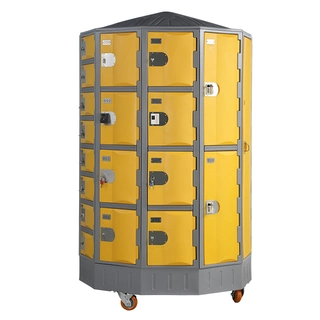
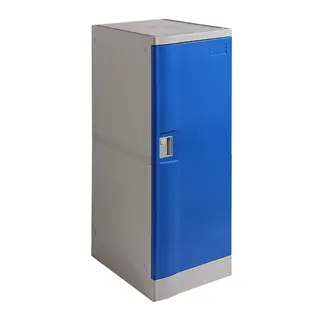
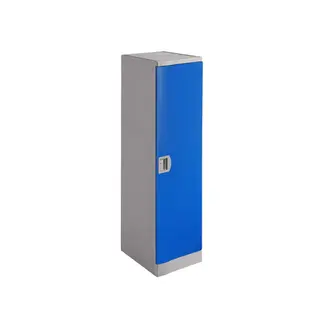
The Plastic Lockers Industry involves the design, manufacturing, distribution, and sale of storage compartments primarily constructed from high-strength, molded plastics (such as polypropylene - PP, or polyethylene - PE). These lockers serve as durable, moisture-resistant, and often modular alternatives to traditional metal or wooden lockers across a wide range of commercial, institutional, recreational, and public environments.
2. Major Product Categories
-
By Type & Configuration:
-
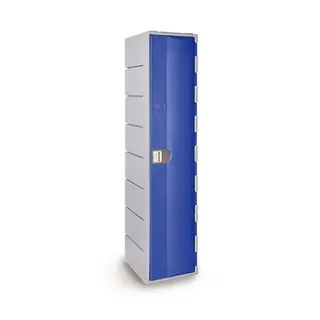
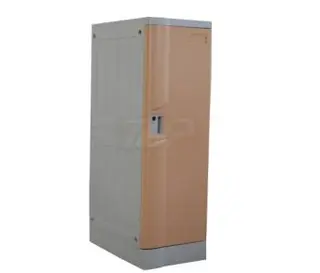
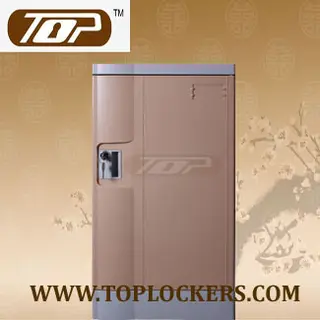
Single-Tier/Single-Door Lockers: Standard individual units.
-
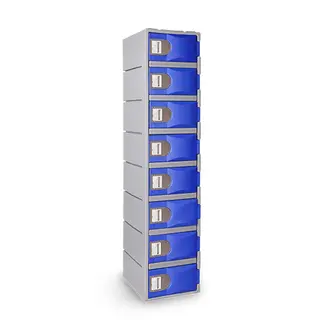
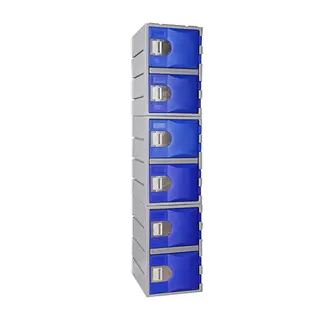
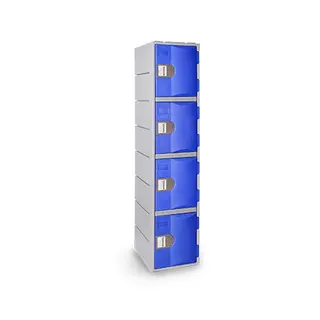
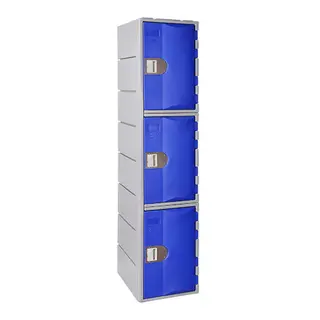
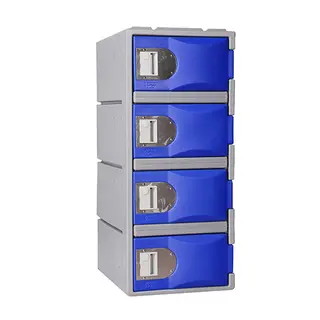
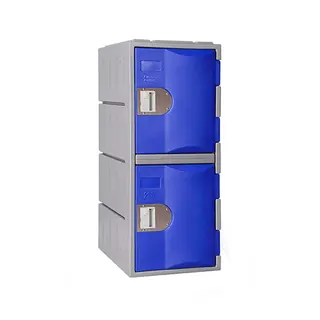
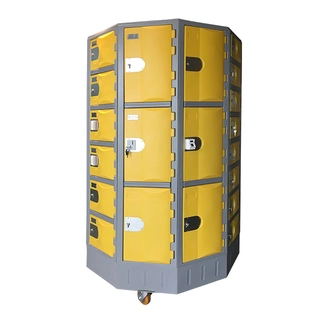
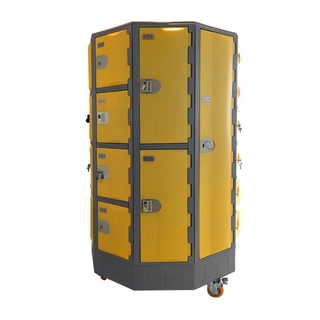
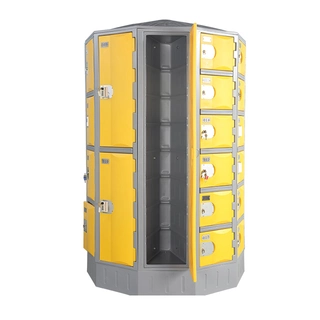
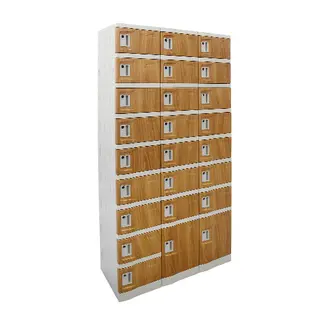
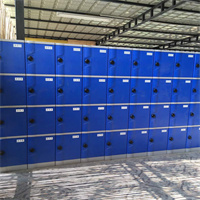
Multi-Tier/Multi-Door Lockers: Stacked configurations (2-tier, 3-tier, etc.) to maximize vertical space.
-
Bench Lockers: Integrated seating above or in front of locker banks.
-
Vented/Louvered Lockers: Feature ventilation slots to promote air circulation, ideal for storing damp items like sports gear or wet clothing.
-
Perforated Lockers: Similar to vented, with small holes throughout for maximum airflow.
-
Solid-Wall Lockers: Offer complete privacy and security, common in workplace or valuables storage.
-
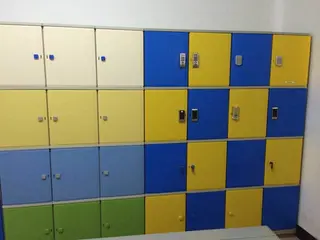
Modular/Cubicle Lockers: Often used in retail for employee belongings, featuring open cubbies.
-
-
By Locking Mechanism:
-
Keyed Lock: Traditional padlock hasp or integrated cylinder lock.
-
Combination Lock: Built-in mechanical or digital dial.
-
Coin-Operated/Return Lock: Common in swimming pools, leisure centers, and tourist attractions for temporary rental.
-
Electronic Smart Lock: Integrated with RFID cards, PIN codes, or Bluetooth/app control for access management.
-
Padlock-Ready: Simple hasp for user's own padlock.
-
-
By Application & End-Use Market:
-
Leisure & Fitness: Swimming pools, gyms, sports clubs, water parks (emphasizing ventilation and moisture resistance).
-
Education: Schools, universities, dormitories (emphasizing durability and cost-effectiveness).
-
Workplace & Industrial: Factories, warehouses, offices for employee storage (emphasizing security and hygiene).
-
Retail & Hospitality: Staff rooms, spas, hotels.
-
Medical & Healthcare: Hospitals, clinics for staff and patient belongings.
-
Public & Transportation: Airports, train stations, bus terminals, beaches, parks (often coin-operated for public use).
-
3. Industry Chain Structure
Upstream:
-
Raw Material Suppliers: Producers of plastic resins (Polypropylene PP, High-Density Polyethylene HDPE, ABS), color masterbatches, and additives (UV stabilizers, flame retardants).
-
Component Suppliers: Manufacturers of locks (mechanical, electronic), hinges, handles, vents, and mounting hardware.
Midstream:
-
Manufacturers & Fabricators:
-
Specialize in injection molding of locker bodies, doors, and components.
-
Assembly and finishing operations.
-
Range from large-scale factories to regional fabricators.
-
-
Brand Owners & System Integrators: Companies that design locker systems, often integrating them with smart access control software and sell under their own brand.
Downstream:
-
Distributors & Wholesalers: Serve as intermediaries between manufacturers and retailers/installers.
-
Retail & Sales Channels:
-
Specialized Commercial Furnishing Suppliers.
-
Online B2B and B2C Marketplaces.
-
Direct Sales to Large Institutional Buyers (school districts, corporate clients, government agencies).
-
-
Installation & Maintenance Providers: Contractors or the suppliers themselves.
-
End Users: School administrators, facility managers, gym owners, corporate HR/Facilities departments, transit authorities.
4. Key Market Dynamics & Characteristics
-
Durability & Low Maintenance: Primary selling points vs. metal (no rust, no need for painting) and wood (no rotting, warping).
-
Hygiene & Cleanability: Non-porous plastic surfaces are easy to clean and disinfect, a major factor in healthcare, fitness, and food-handling environments.
-
Modularity & Flexibility: Often designed for easy assembly, reconfiguration, and relocation. Colors and components can be mixed and matched.
-
Cost-Effectiveness: Generally lower lifetime cost than metal due to minimal maintenance, though initial purchase price can be competitive.
-
Environmental Perception: Faces scrutiny over plastic use, but industry promotes durability, recyclability of materials, and reduced need for replacement.
5. Development Trends
-
Smart Lockers & Access Integration:
-
Rise of IoT-enabled plastic lockers with electronic locks that integrate into facility management systems, allowing for timed access, remote monitoring, and usage analytics.
-
Mobile App Integration for reservation, payment, and unlocking.
-
-
Enhanced Material & Design Innovation:
-
Use of reinforced plastics and composite materials for increased strength and security.
-
Anti-microbial additives being incorporated into plastic compounds for enhanced hygiene.
-
Aesthetic improvements with a wider range of colors, textures, and sleek designs to fit modern interiors.
-
-
Focus on Sustainability:
-
Increased use of post-consumer recycled (PCR) plastic content in manufacturing.
-
Design for disassembly and recyclability at end of life.
-
Promoting long product lifespan as a green attribute.
-
-
Customization & Niche Solutions:
-
Growth in custom-sized lockers for specific equipment (e.g., helmets, boots, laptops).
-
Branded lockers for corporate clients.
-
-
Hygiene-Centric Design Post-Pandemic:
-
Demand for hands-free operation (smart locks), easy-to-clean surfaces, and designs that minimize dirt traps.
-
6. Major Challenges & Opportunities
Challenges:
-
Competition from Metal Lockers: Perceived higher security and robustness of metal in some high-security applications.
-
Volatile Raw Material Costs: Fluctuations in petrochemical (plastic resin) prices directly impact production costs.
-
Environmental Regulations & Perception: Need to navigate plastic bans/recycling mandates and address consumer concerns about plastic use.
-
Price Sensitivity: In highly competitive segments like education and public sector procurement.
Opportunities:
-
Growth in Health & Fitness Sector: Expansion of gyms, swimming pools, and sports facilities globally.
-
Demand for Hygienic Storage Solutions: Driven by heightened health awareness in workplaces, schools, and healthcare settings.
-
Urbanization & Space Optimization: The need for compact, modular storage in densely populated areas and multi-use facilities.
-
Replacement Market: Upgrading old, corroded metal or damaged wooden lockers with modern plastic systems.
-
Technology Upsell: Adding higher-margin electronic locking and management systems to basic locker units.