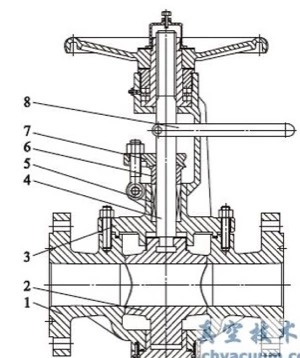
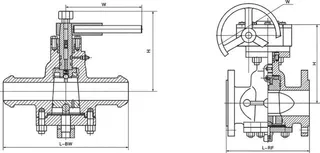
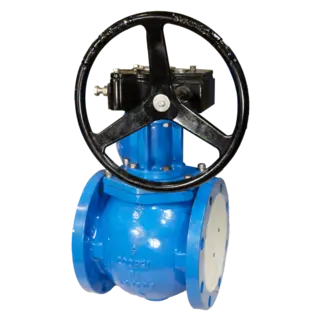
Industry Definition & Scope
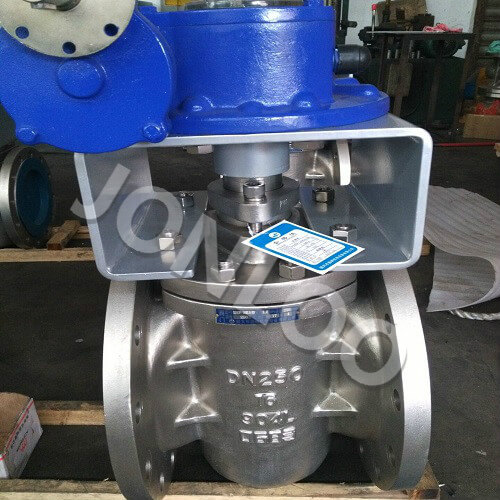
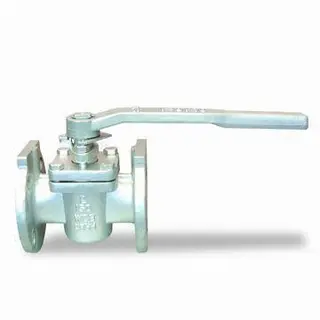
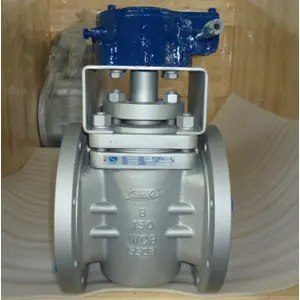
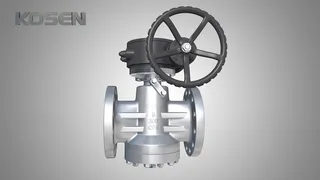
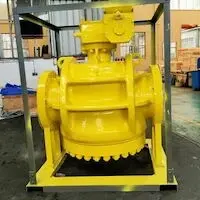
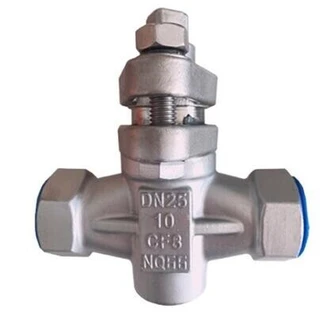
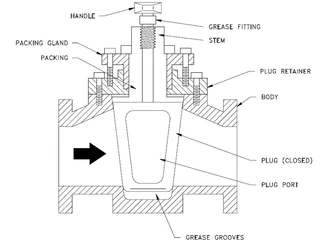
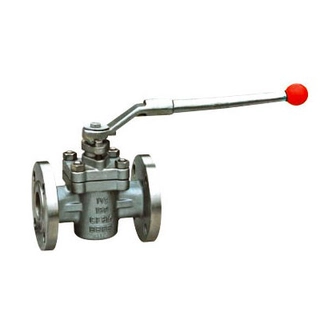
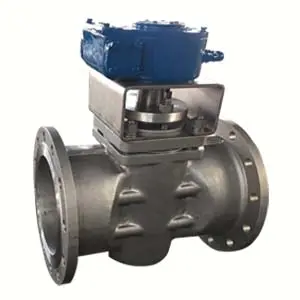
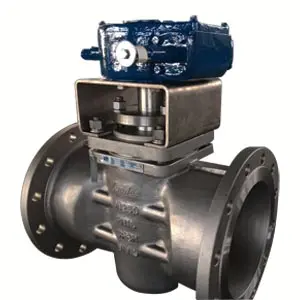
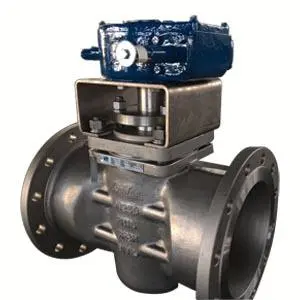
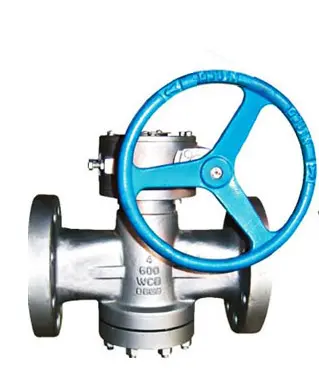
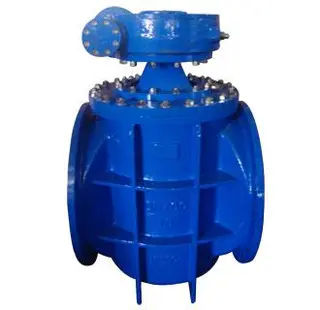
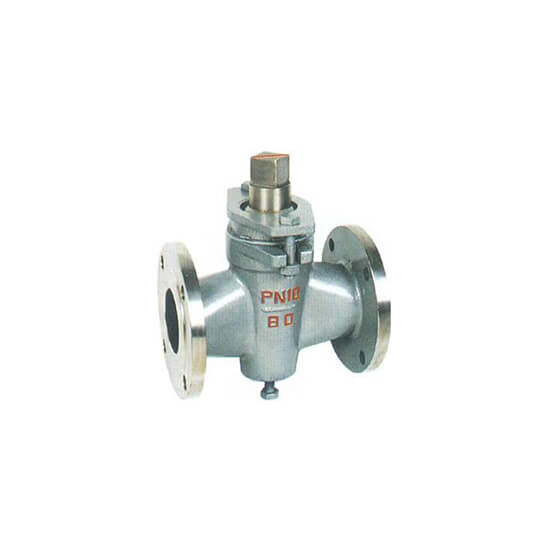
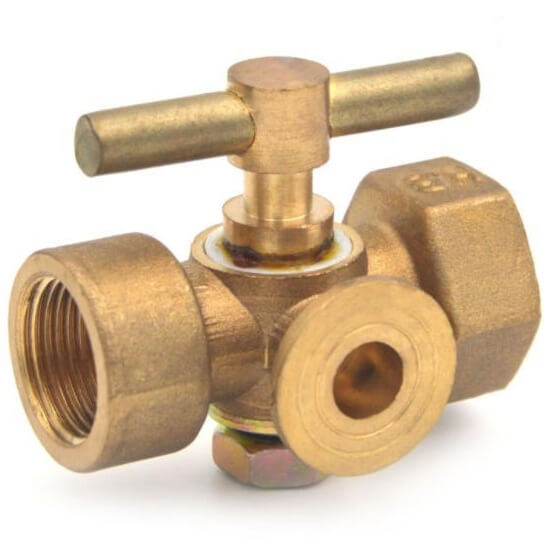
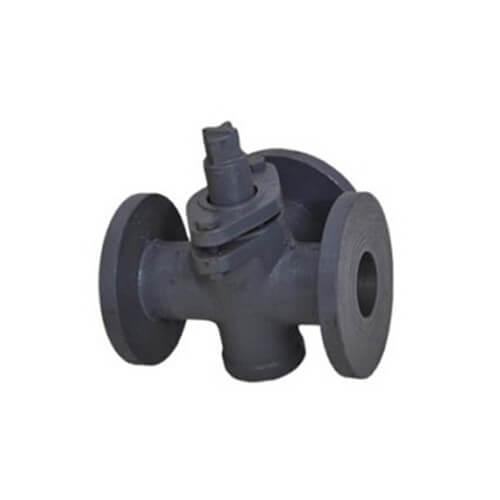
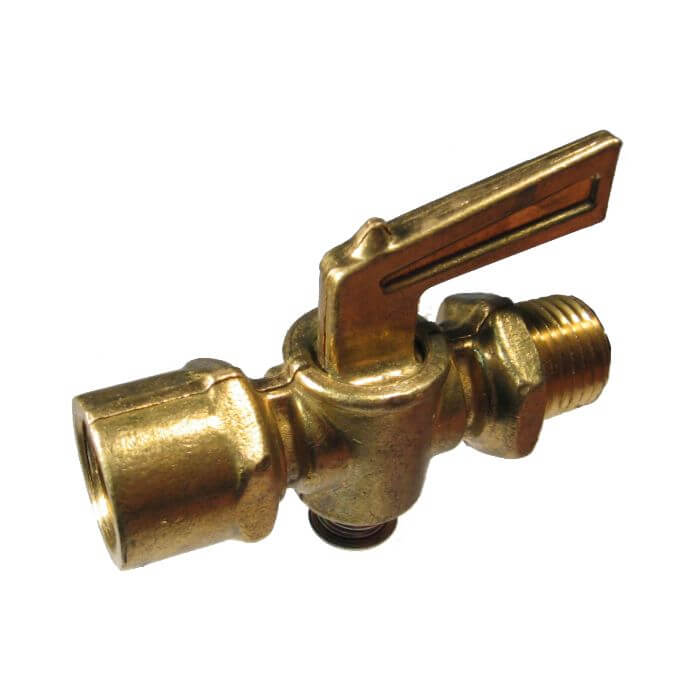
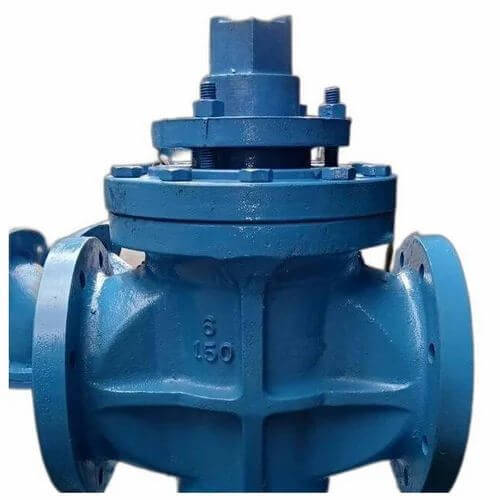
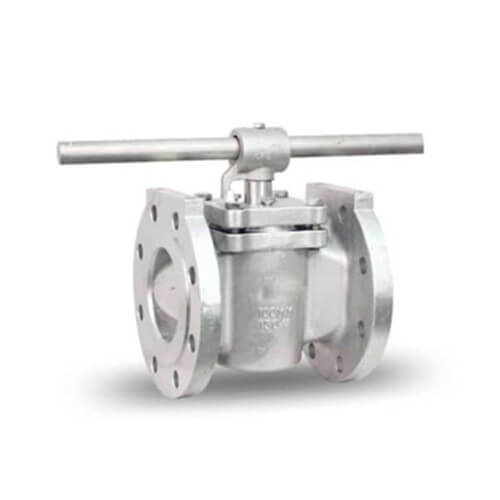
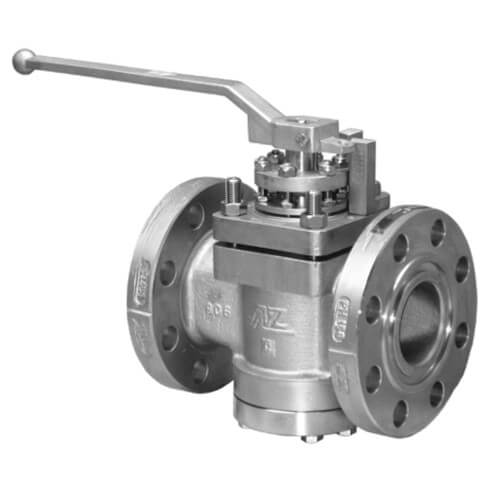
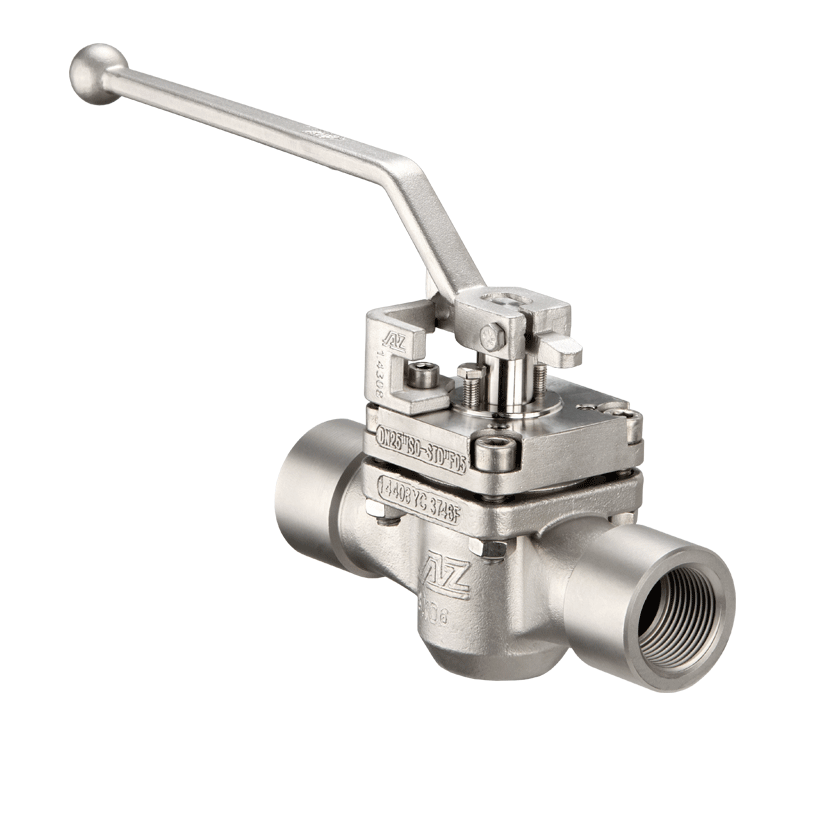
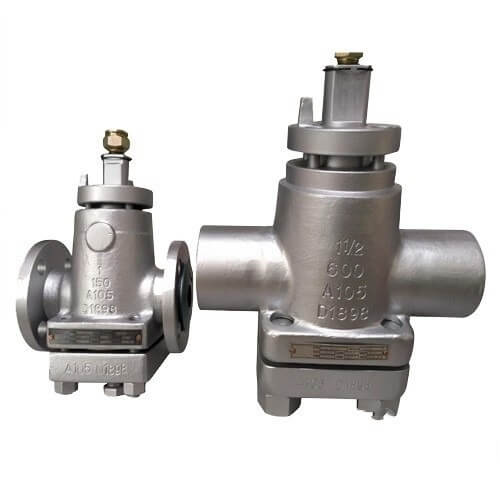
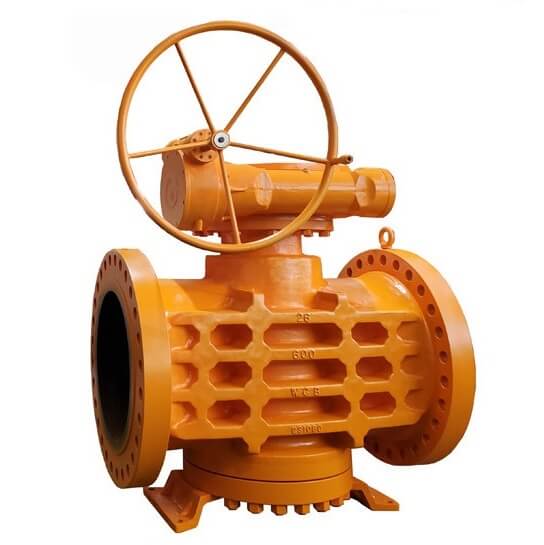
The plug valves industry encompasses the design, manufacturing, and application of quarter-turn valves that use a cylindrical or conical plug with a through-port to control fluid flow. Characterized by straight-through flow, minimal pressure drop, and self-cleaning action, plug valves are versatile shut-off and isolation devices particularly suited for abrasive, viscous, and slurry media in demanding industrial applications.
Key Product Categories
-
By Design Configuration:
-
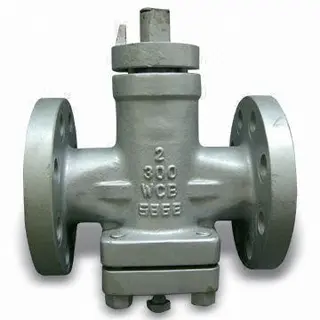
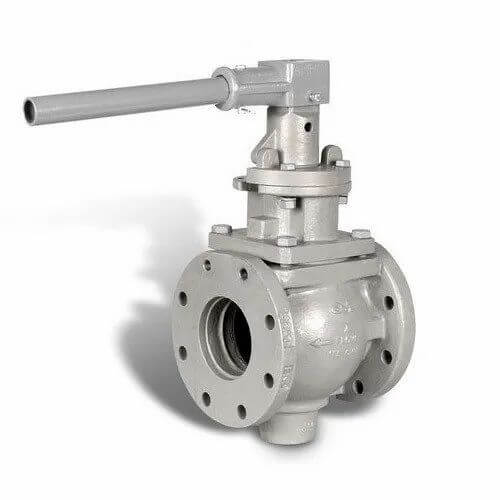
Lubricated Plug Valves: Seal maintained by injected lubricant between plug and body (API 6D)
-
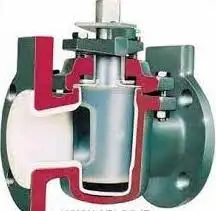
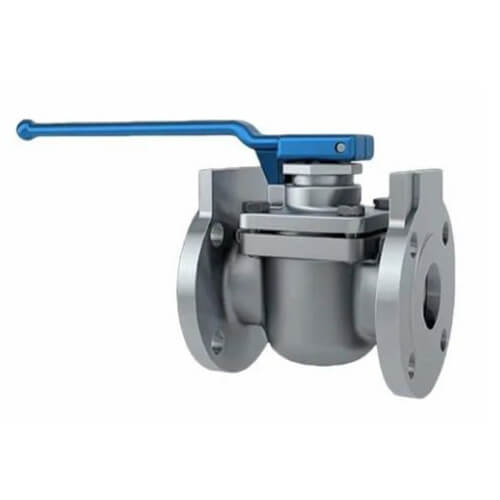
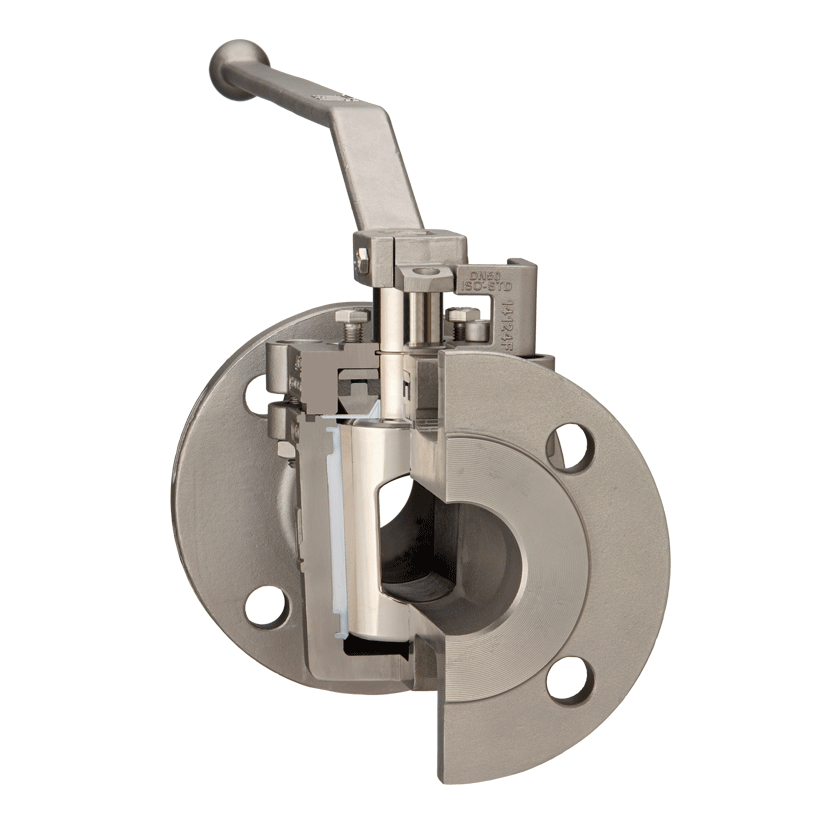
Non-Lubricated/Sleeved Plug Valves: PTFE or elastomeric sleeve provides sealing
-
Eccentric Plug Valves: Cam-action design with partial contact for longer life
-
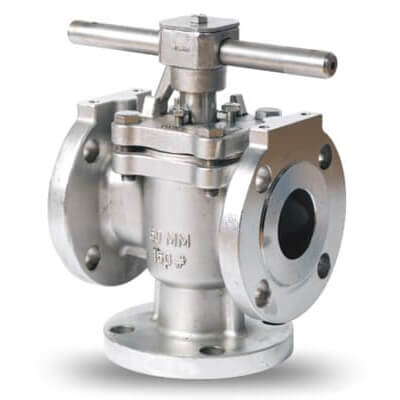
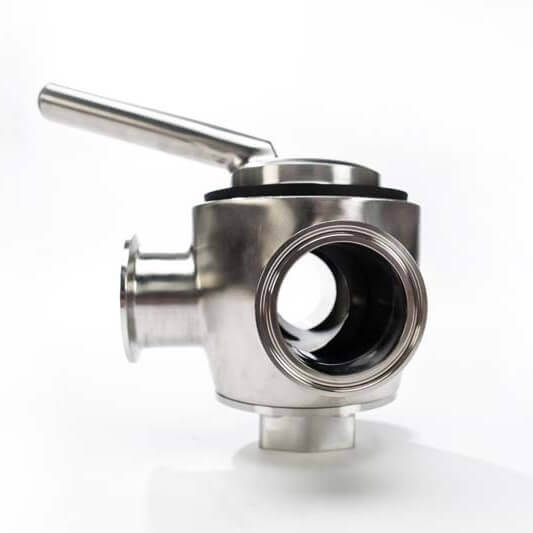
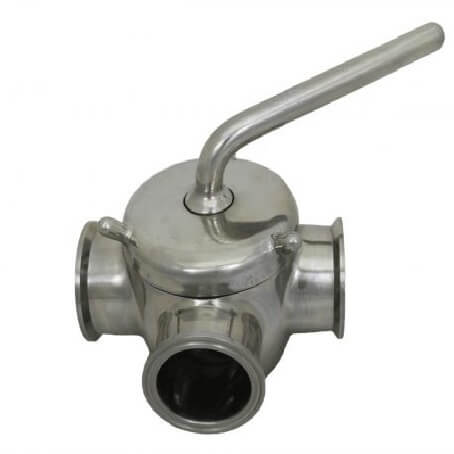
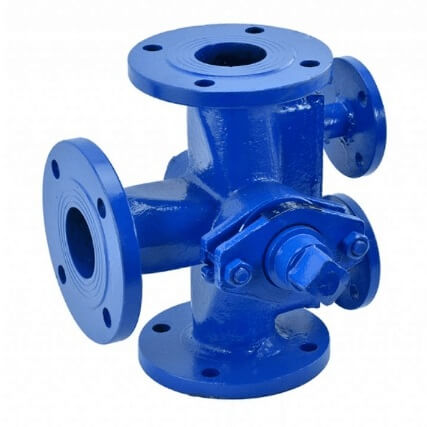
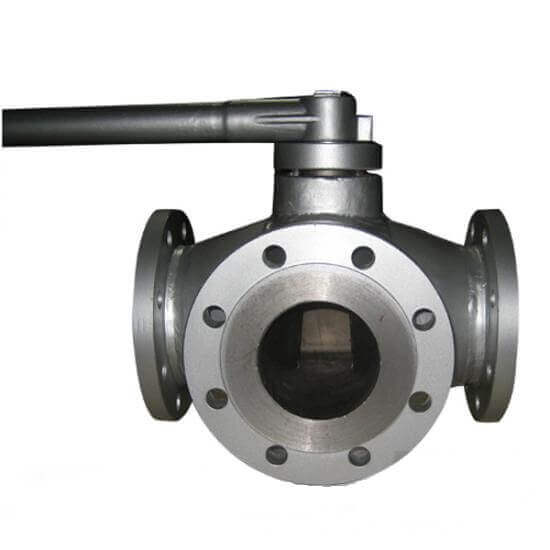
Multi-Port Plug Valves: 3-way, 4-way designs for flow diversion/mixing
-
Full-Bore/Regular-Port Designs: Port diameter matching or smaller than pipe ID
-
Jacketed Plug Valves: Steam/cooling jackets for temperature control
-
-
By Plug Design:
-
Cylindrical Plug: Straight-through design for minimal turbulence
-
Tapered Plug: Traditional design with tapered sealing surfaces
-
Rectangular Port Plug: High flow capacity for gas applications
-
V-Port Plug: Precise throttling and control capabilities
-
Fire-Safe Plug: Metal-to-metal secondary sealing (API 6FA/607)
-
-
By Material Construction:
-
Body Materials: Carbon steel (A216 WCB), stainless steel (A351 CF8/CF8M), alloy steel, bronze, ductile iron
-
Plug Materials: 13% Cr SS, Stellite-faced, Monel, Inconel, ceramic-coated
-
Sleeve/Liner Materials: Reinforced PTFE, PEEK, Nylon, UHMWPE, elastomers
-
Lubricants: Specialized grease systems for sealing and corrosion protection
-
Stem Materials: 316SS, 17-4PH, Monel, Titanium
-
-
By Application Specifications:
-
Oil & Gas: Pipeline block valves, wellhead controls, pigging operations
-
Chemical Processing: Corrosive and abrasive media handling
-
Mining & Minerals: Slurry transportation, tailings lines
-
Water & Wastewater: Mud, sludge, and abrasive water applications
-
Power Generation: Fly ash handling, bottom ash systems
-
Marine: Ballast systems, tanker loading/unloading
-
Cement Industry: Raw meal, clinker, cement powder handling
-
Technology & Innovation Trends
-
Advanced Sealing Technology:
-
PTFE composite sleeves with improved wear resistance
-
Pressure-assisted sealing systems for higher pressure ratings
-
Fire-safe designs with automatic sealing upon elastomer failure
-
Cryogenic plug valves for LNG (-196°C) with special material treatment
-
-
Digital Integration:
-
Smart valve position indicators with wireless connectivity
-
Lubrication monitoring systems with automated alerts
-
IoT-enabled condition monitoring for predictive maintenance
-
Digital twins for flow optimization and wear prediction
-
-
Material Innovations:
-
Nanocomposite sleeve materials extending service life
-
Ceramic-coated plugs for extreme abrasion resistance
-
Corrosion-resistant alloys for sour service (H₂S environments)
-
High-temperature materials for thermal oil applications
-
-
Manufacturing Excellence:
-
Precision CNC machining for tight tolerance plug-body fit
-
Robotic plasma spray coating for consistent surface treatment
-
Automated assembly with laser alignment verification
-
Additive manufacturing for complex internal geometries
-
Global Market Drivers
-
Oil and gas pipeline construction and maintenance activities
-
Mining industry expansion and mineral processing growth
-
Chemical industry capacity additions and plant upgrades
-
Water infrastructure development for abrasive media handling
-
Power plant environmental control systems (FGD, ash handling)
-
Increasing adoption in challenging media applications
-
Replacement demand for outdated valve technologies
Major Players & Value Chain
-
Global Leaders: Flowserve, Emerson, Cameron, KITZ, Crane, Weir Group
-
Specialized Manufacturers: Xomox, DeZURIK, Georg Fischer, Clarkson
-
Regional Leaders: China (Zhejiang, Jiangsu clusters), India (Audco, L&T)
-
Lubrication Specialists: Sealweld, Jet-Lube, Superior Products
-
Value Chain: Raw material suppliers → component manufacturing → valve assembly → lubrication systems → testing/certification → distributors → system integrators → end-users
Challenges & Opportunities
-
Challenges:
-
Lubrication system maintenance requirements
-
High torque operation in larger sizes
-
Limited throttling capabilities compared to specialized control valves
-
Competitive pressure from ball valves in some applications
-
Technical skill gap in proper selection and maintenance
-
-
Opportunities:
-
Abrasive and slurry handling market expansion
-
Digital lubrication management services
-
Hydrogen and CCUS infrastructure development
-
Mining industry automation and remote operation
-
Aftermarket services: re-sleeving, refurbishment, retrofitting
-
Emerging market infrastructure projects in Asia and Africa
-
.jpg)
-320x321.webp)