
Non-rising Stem Gate Valves, API 600, Al-bronze, 18 IN, PSB
Key Specifications / Features
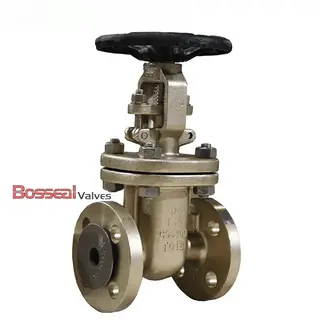
We are a factory specializing in non-rising stem gate valves, designed in accordance with API 600 standards. This 18-inch (DN450) valve is crafted from corrosion-resistant aluminum bronze ASTM B148 C95800, ensuring long-term durability in harsh environments. Rated for Class 300 LB, it features a flexible wedge for improved sealing and adaptability under pressure variations. The valve is available with either flat face (FF) or raised face (RF) flanged ends, providing versatile installation options. Ideal for marine, offshore, and corrosive media applications, our valve delivers reliable performance and robust construction.
Detail Information
Valve Description:
187304032 Aluminum Bronze Gate Valve, OS&Y, Flexible Wedge.
Design Standard: API 600
Structure: Bolted Bonnet/Pressure Seal Bonnet
Nominal Size: 18 Inch, DN450
Nominal Class: Class 300 LB
Bore Type: Standard Bore(API 600)
Body Material: ASTM B148 C95800
Trim Material: ASTM B148 C95800
Face to Face: ASME B16.10
Test and Inspection: API 598
End Connection: FF or RF Flanged
Operation: Handwheel/Gear
Key Features: OS&Y, Screwed-in Back seat, Rising Stem, Non-rising Handwheel, Flexible Wedge, Low Emission Design, Aluminium bronze for sea water service
Product Range:
Body Material: Aluminum Bronze
Normal Diameter: 2 Inch - 64 Inch (DN50 - DN1600)
Pressure Range: Class 150 LB - Class 300 LB
End Connection: RF, FF
Working Temperature: -29°C - +200°C
Operation: Handwheel/Gear/Motor
Send your message to this supplier
FAQs
What is a Non-Rising Stem Gate Valve?
A valve where the stem does not move vertically but rotates internally to raise or lower the gate. This design is ideal for installations with limited vertical space.
How Does a Non-Rising Stem Gate Valve Work?
The handwheel turns the stem, which in turn moves the gate up or down inside the valve body without changing the external height of the stem.
How Does a Rising Stem Gate Valve Work?
The handwheel lifts the stem and gate together, providing a visual indication of whether the valve is open or closed.
Which Valve Should I Choose?
Use a rising stem valve for above-ground applications where visibility and ease of maintenance are important.
Use a non-rising stem valve for underground or space-limited installations.
Conclusion
The choice between rising stem and non-rising stem gate valves depends on your specific application needs. For clear valve status indication and easy maintenance, go with a rising stem valve. For compact installations, a non-rising stem valve is the better option.
Similar Products
Related Searches
Products you might also like



- https://www.bossealvalves.com/
- Address: Suzhou, Jiangsu, China
- Phone: 13358051997
- Business Type: Industry & Trading
Source: https://www.bossealvalves.com/non-rising-stem-gate-valves-api-600-al-bronze-18-in-psb.html