Industry Definition & Scope
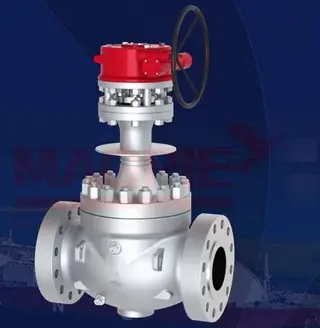
The valve parts industry encompasses the design, manufacturing, and supply of specialized components that constitute functional valve assemblies. This critical supporting industry serves the entire valves ecosystem by providing precision-engineered parts that determine valve performance, reliability, and service life across industrial, energy, and infrastructure applications.
Key Product Categories
-
By Component Type:
-
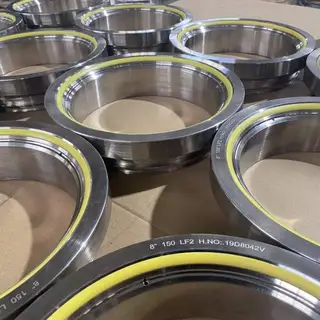
Sealing Components: Gaskets, O-rings, stem packing, valve seats, diaphragms
-
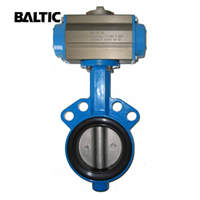
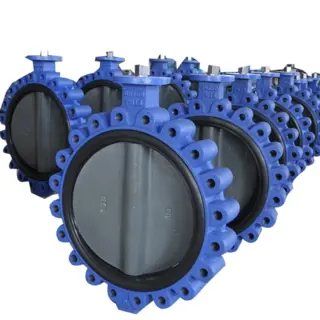
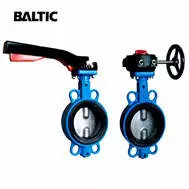
Flow Control Elements: Discs, balls, plugs, gates, butterfly discs
-
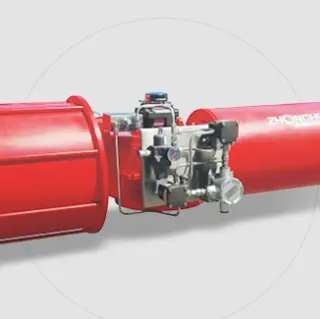
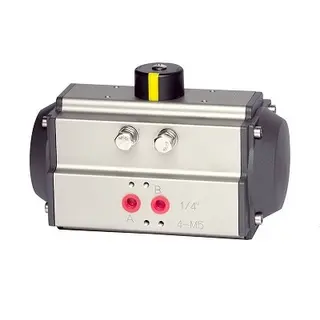
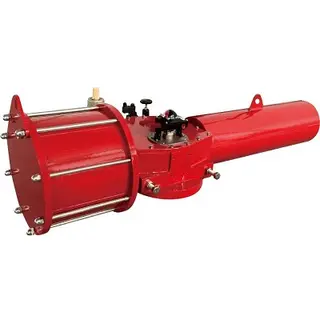
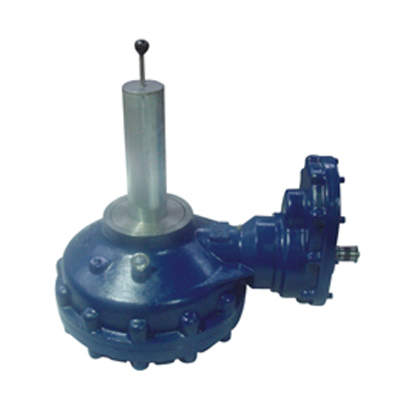
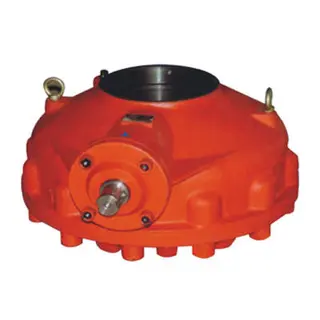
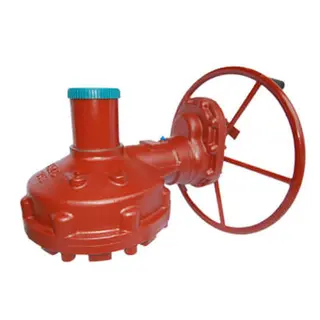
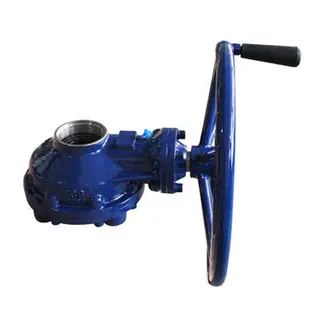
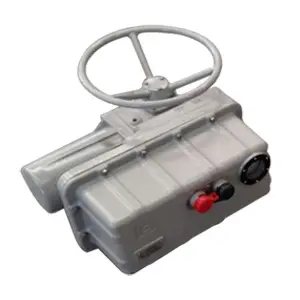
Operating Mechanisms: Stems, shafts, actuators, gear operators, handwheels
-
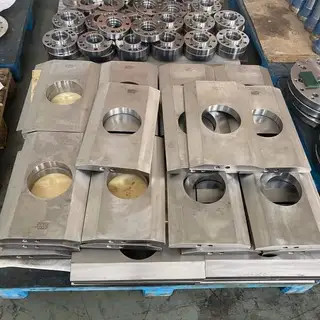
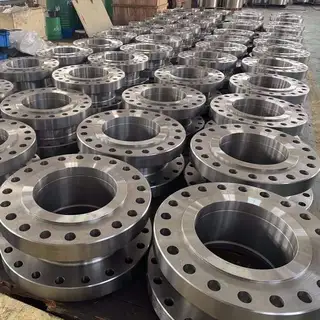
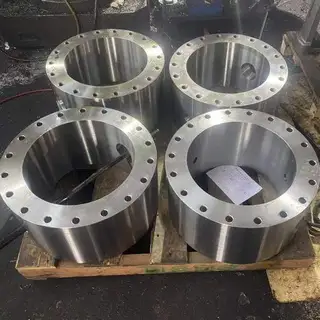
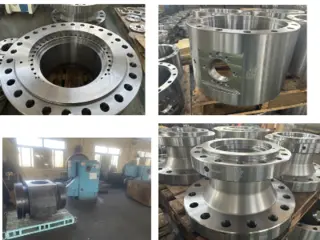
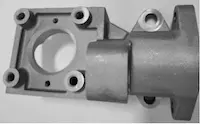
Body & Connection Parts: Bonnets, flanges, end connections, body segments
-
Fastening & Security: Bolts, nuts, pins, clips, locking devices
-
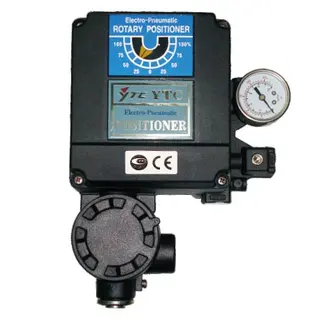
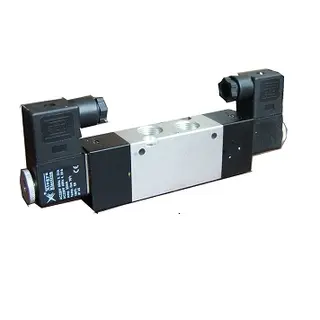
Instrumentation & Accessories: Positioners, limit switches, solenoid valves
-
-
By Material Classification:
-
Metallic Parts: Carbon steel, stainless steel, alloy steel, bronze, brass
-
Non-Metallic Parts: PTFE, Nylon, EPDM, Viton, graphite, ceramics
-
Composite Materials: Reinforced polymers, metal-polymer combinations
-
Surface Treatments: Hard-facing (Stellite), coatings (Ni-P, Cr), plating
-
-
By Manufacturing Process:
-
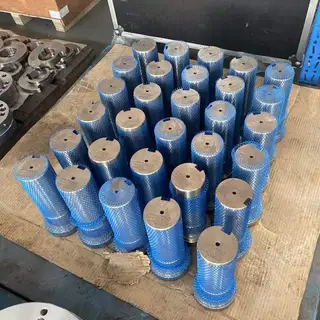
Precision Machining: CNC turning, milling, grinding for dimensional accuracy
-
Forging & Casting: Investment casting, sand casting, die forging
-
Molding & Forming: Injection molding, compression molding for non-metallics
-
Additive Manufacturing: 3D printing of complex geometries and prototypes
-
Heat Treatment: Quenching, tempering, annealing for material properties
-
-
By Application Specificity:
-
Standard Replacement Parts: Mass-produced components for common valves
-
Custom Engineered Parts: Designed for specific valve models or conditions
-
High-Performance Components: For extreme temperature/pressure/corrosion
-
OEM vs. Aftermarket: Original equipment vs. replacement parts markets
-
Technology & Innovation Trends
-
Advanced Manufacturing Technologies:
-
Robotic machining cells for high-volume precision parts
-
Laser cladding for wear-resistant surface enhancements
-
Digital twin integration for component performance simulation
-
Automated quality inspection using vision systems and CMM
-
-
Material Science Innovations:
-
Nanostructured coatings for corrosion and erosion resistance
-
High-temperature polymers for sealing applications
-
Metal matrix composites for strength-to-weight optimization
-
Smart materials with sensing and self-adjusting capabilities
-
-
Digitalization & IoT Integration:
-
RFID tagging for component traceability throughout lifecycle
-
Sensors embedded in critical parts for condition monitoring
-
Predictive maintenance algorithms based on part wear patterns
-
Blockchain for certification and quality documentation
-
-
Sustainability & Circular Economy:
-
Remanufacturing and refurbishment of worn components
-
Recyclable material designs for end-of-life recovery
-
Energy-efficient manufacturing processes
-
Reduced material waste through optimized machining strategies
-
Global Market Drivers
-
Aging industrial infrastructure requiring replacement parts
-
Stringent emission regulations driving demand for high-performance sealing
-
Expansion of oil & gas, chemical, and power generation industries
-
Increasing valve automation creating demand for actuation components
-
Growth in aftermarket services and MRO (Maintenance, Repair, Operations)
-
Global emphasis on plant safety and reliability
-
Technological advancement in valve design requiring specialized parts
-
Localization of supply chains in key industrial regions
Major Players & Value Chain
-
Component Specialists: Garlock (sealing), Crane (flow control), Rotork (actuation)
-
Material Providers: Saint-Gobain (high-performance materials), DuPont (polymers)
-
Precision Manufacturers: Swiss and German machining specialists
-
Regional Suppliers: China, India, and Southeast Asian manufacturing hubs
-
Value Chain: Raw material suppliers → component manufacturing → quality testing → distribution → valve assembly → OEMs/aftermarket → end-users
Challenges & Opportunities
-
Challenges:
-
Intense competition from low-cost manufacturing regions
-
Technical complexity in material selection for specific applications
-
Counterfeit parts compromising system safety
-
Volatility in raw material prices (special alloys, polymers)
-
Stringent quality and certification requirements
-
-
Opportunities:
-
Smart valve components with embedded intelligence
-
Additive manufacturing for complex and customized parts
-
Growth in renewable energy applications (hydrogen, geothermal)
-
Digital inventory and just-in-time delivery models
-
Aftermarket services including part refurbishment
-
Emerging industrial markets requiring localization
-
High-performance materials for extreme service conditions
-