Industry Definition & Scope
The trolley bags industry (commonly known as wheeled luggage or rolling suitcases industry) encompasses the design, manufacturing, and distribution of portable luggage systems equipped with telescopic handles and wheels for effortless transportation. This dynamic consumer goods sector integrates materials engineering, ergonomic design, and lifestyle trends to serve travel, business, and daily mobility needs across global markets.
Key Product Categories
-
By Size & Capacity:
-
Carry-On Luggage: 18-22 inch (IATA compliant for cabin storage)
-
Medium Check-In: 24-26 inch (weekend and short-trip luggage)
-
Large Check-In: 28-32 inch (extended travel and family luggage)
-
Expandable Models: Zipper expansion systems for flexible capacity
-
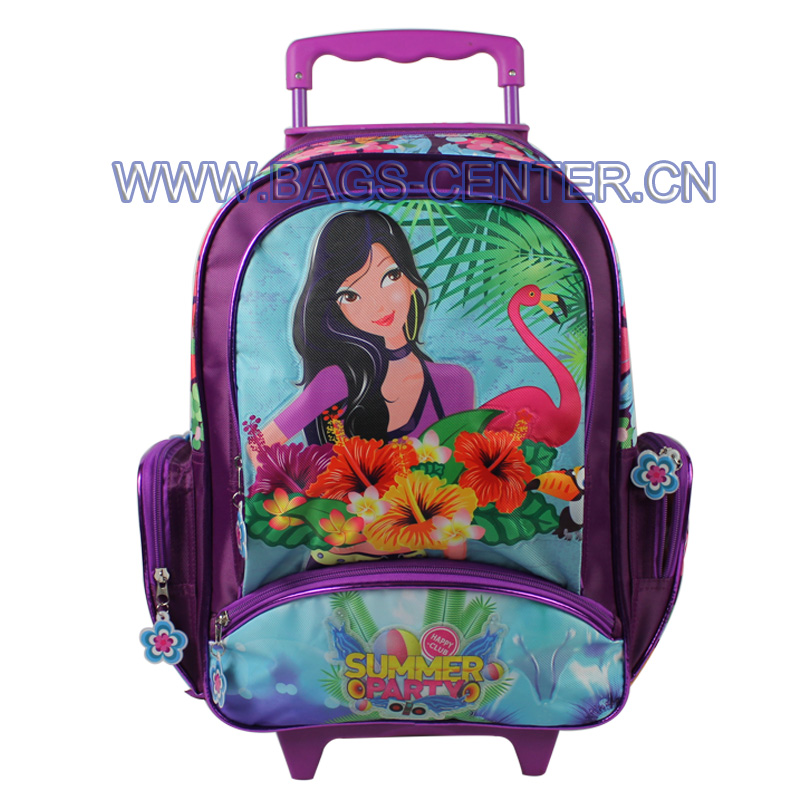
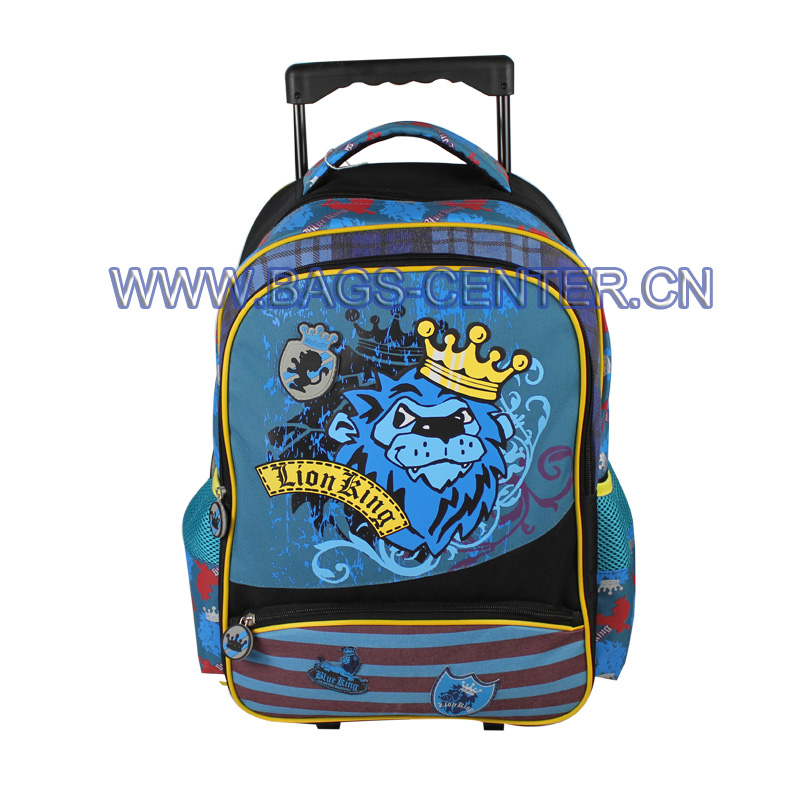
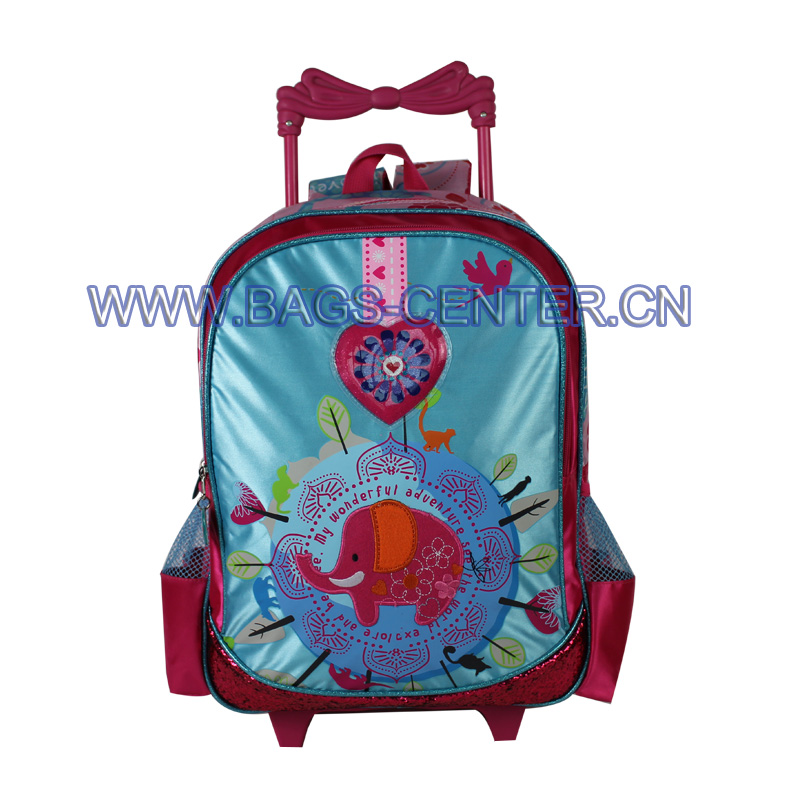
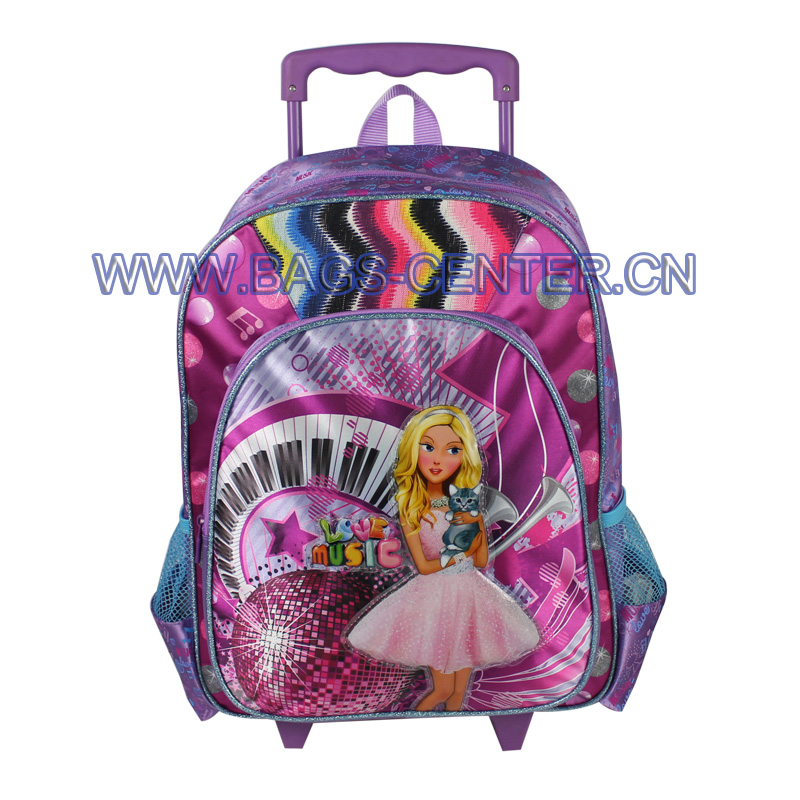
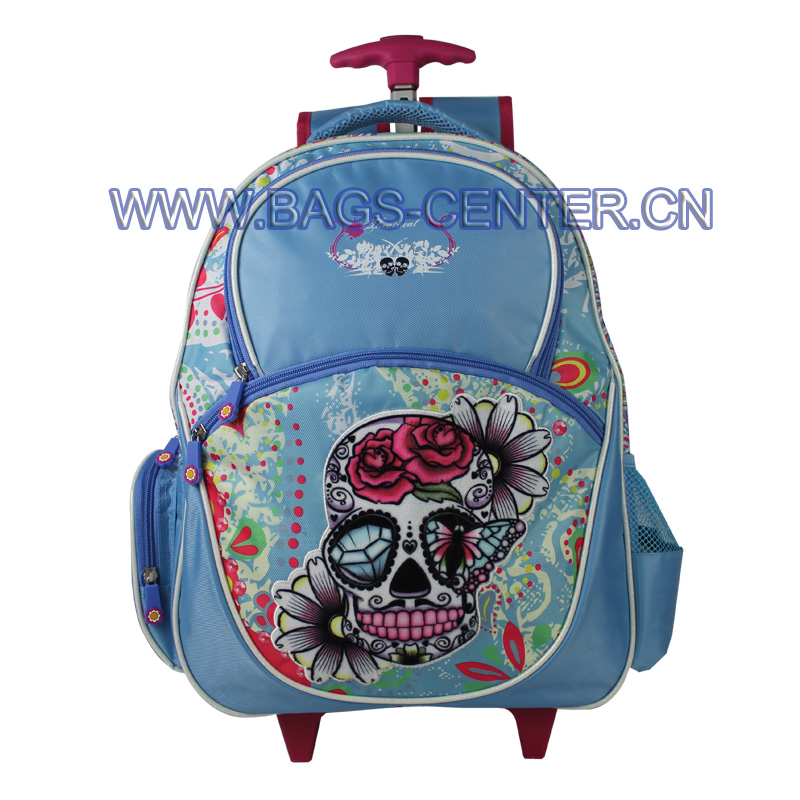
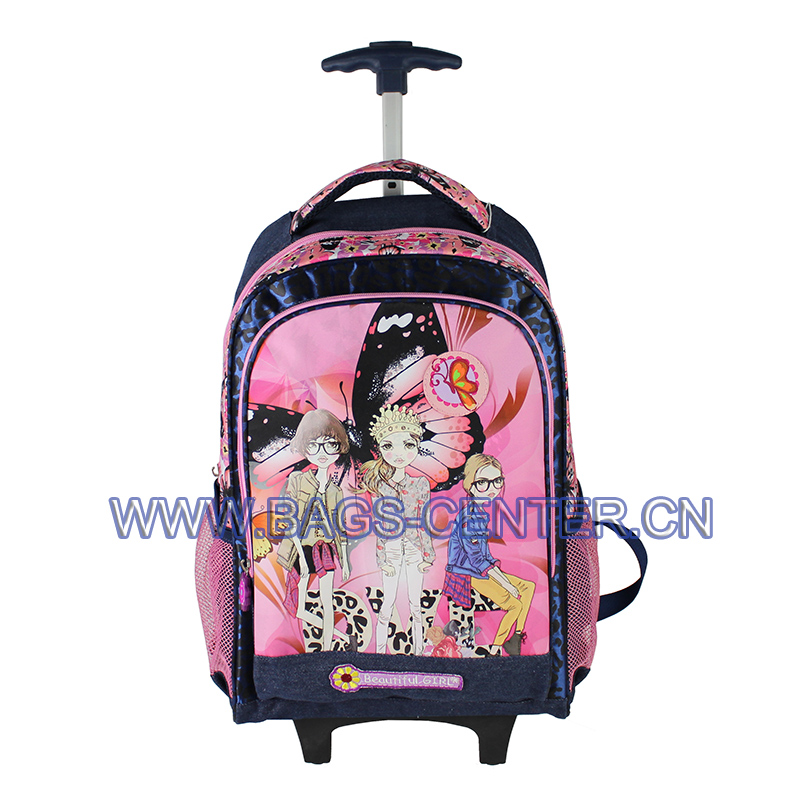
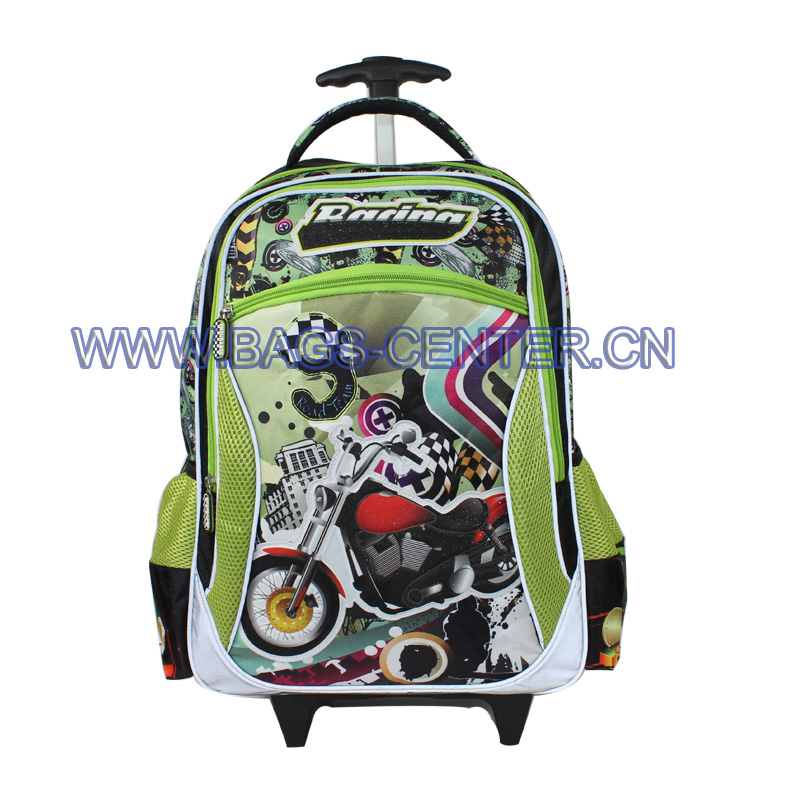
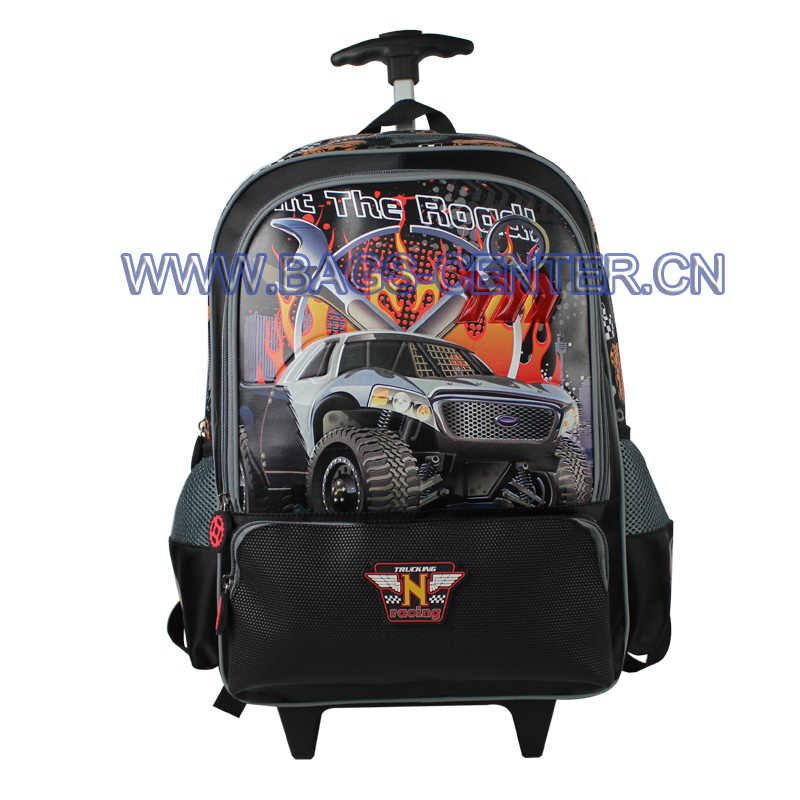
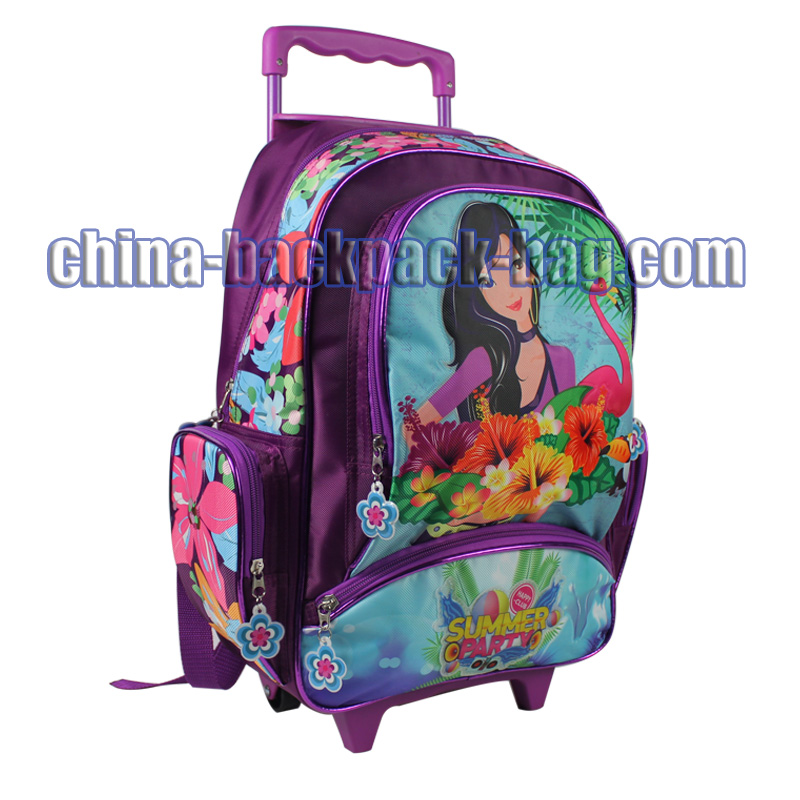
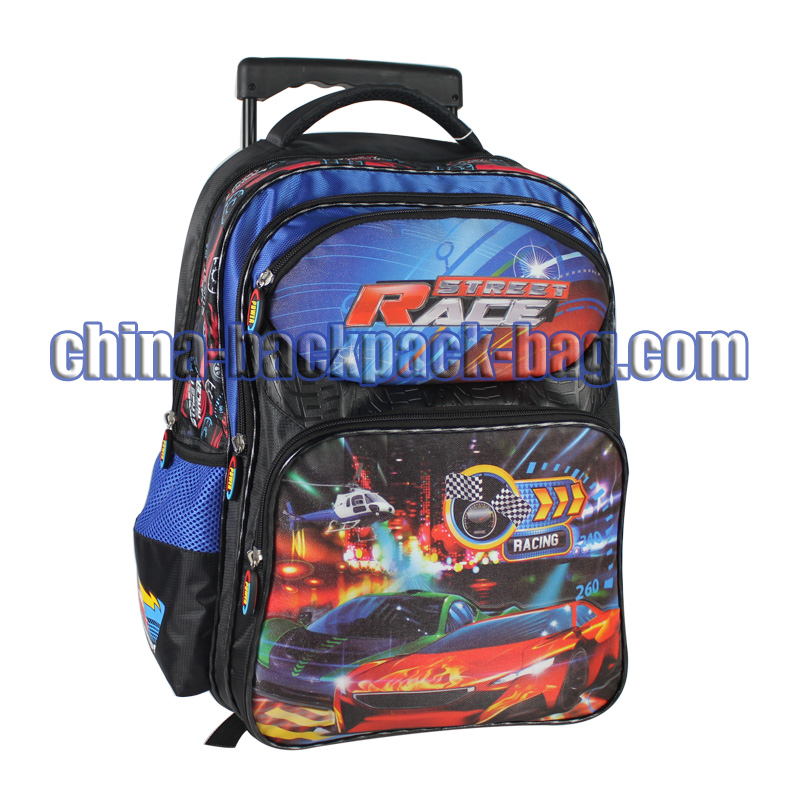
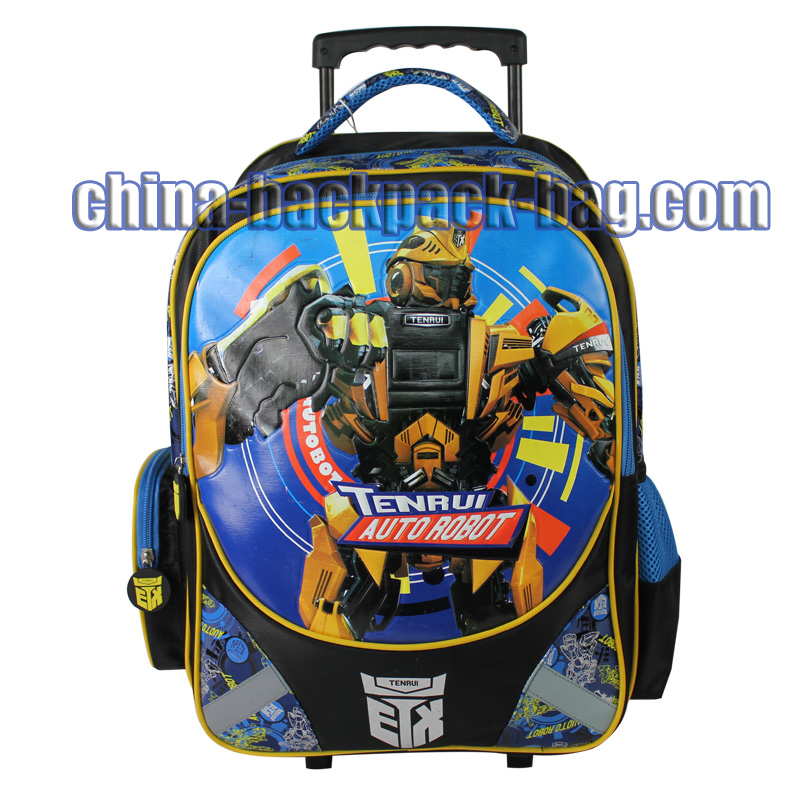
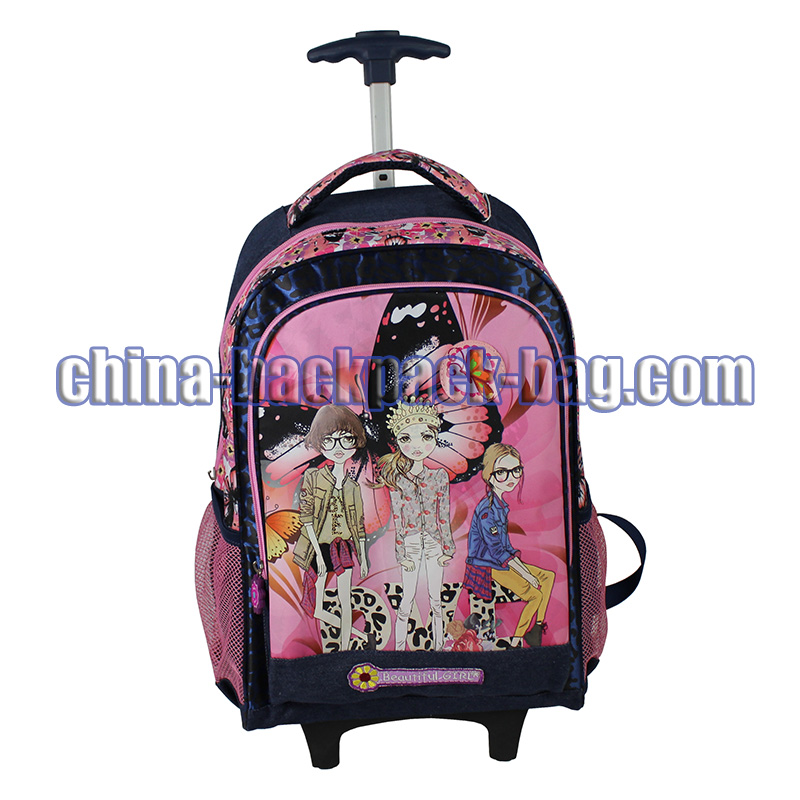
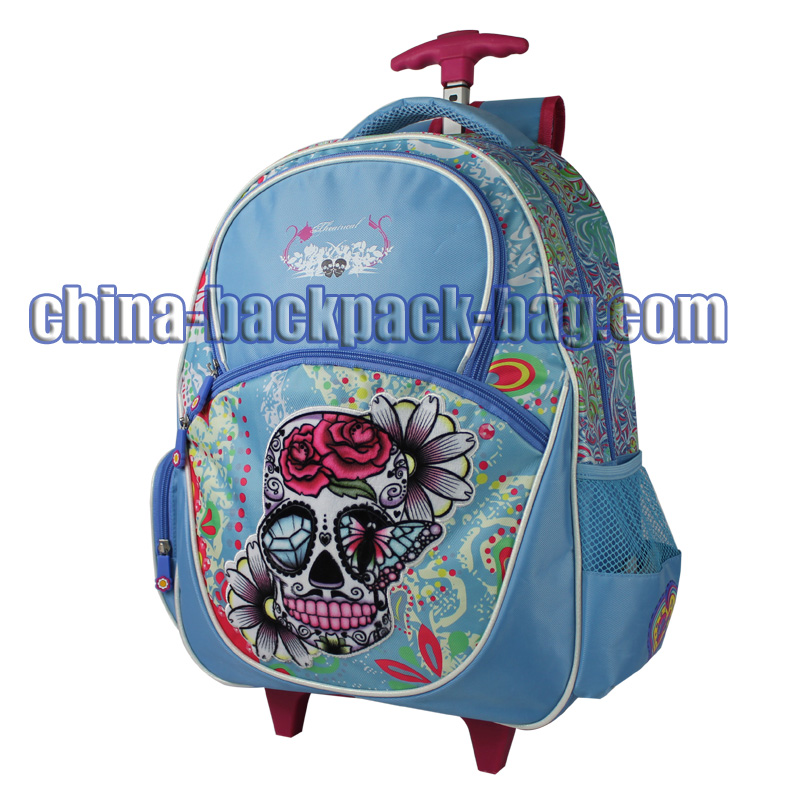
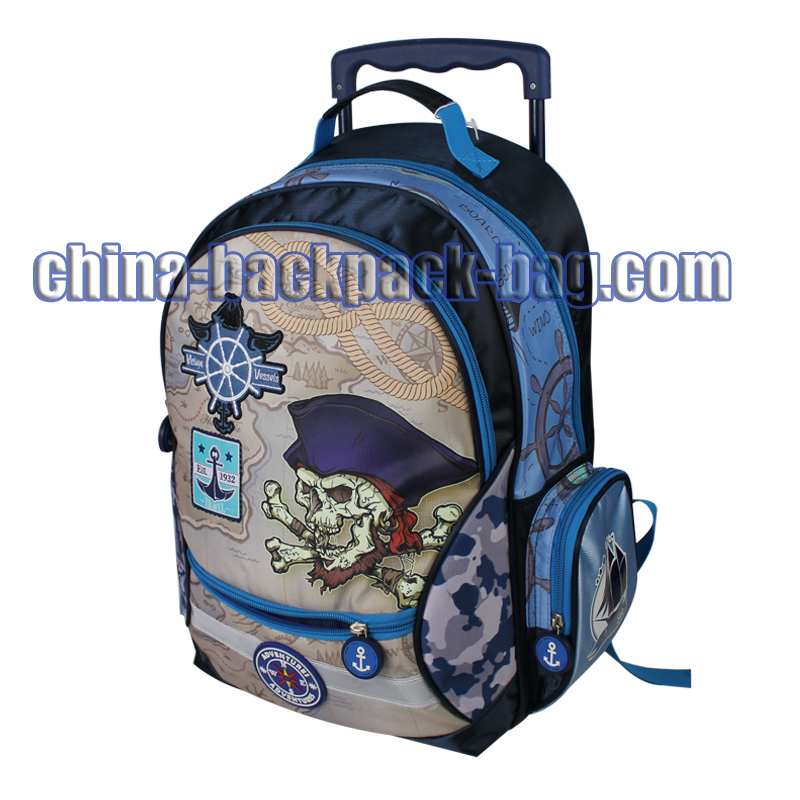
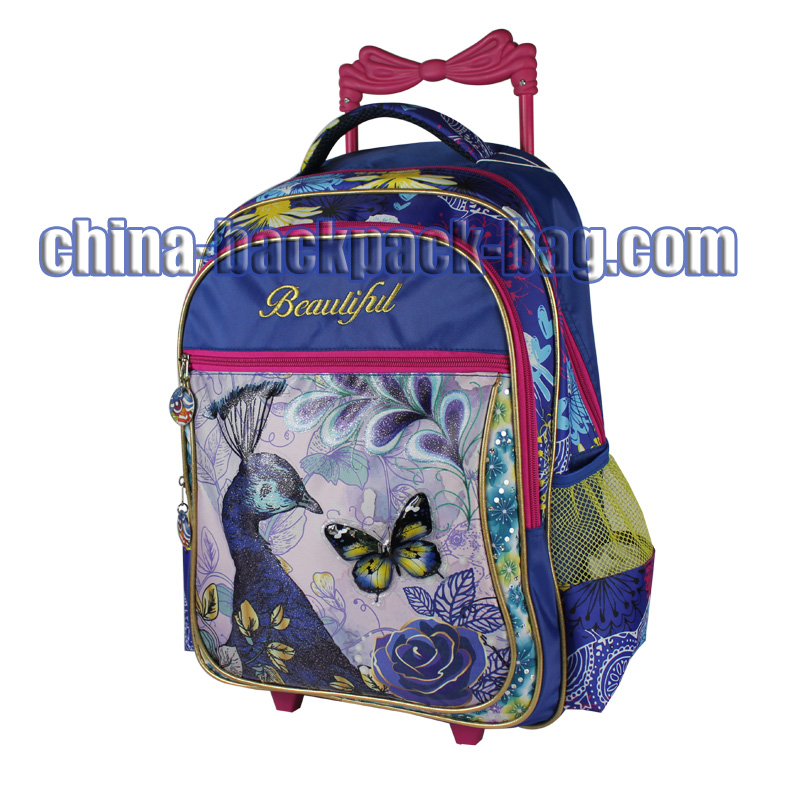
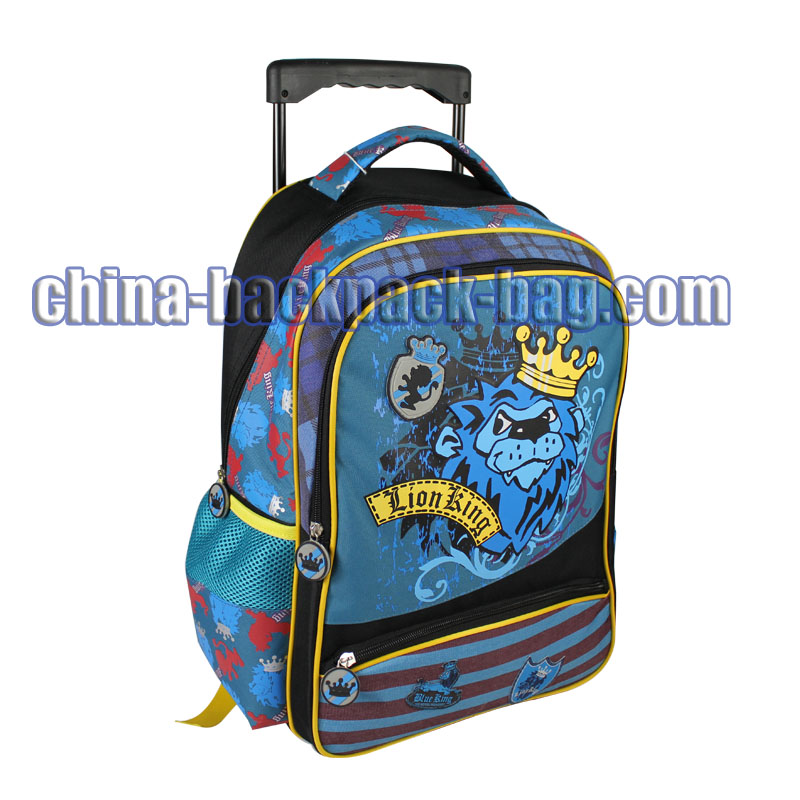
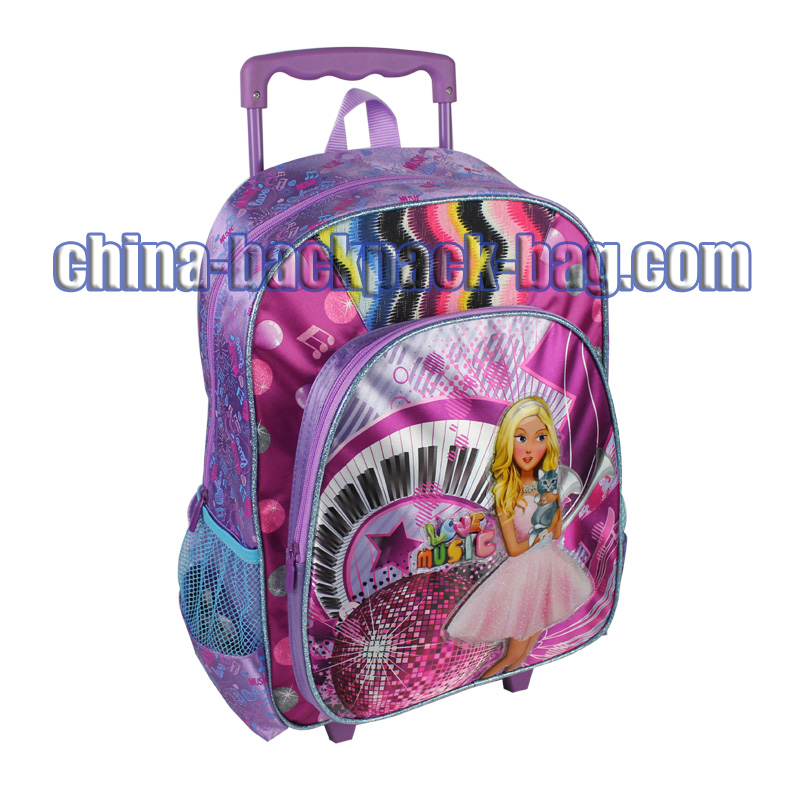
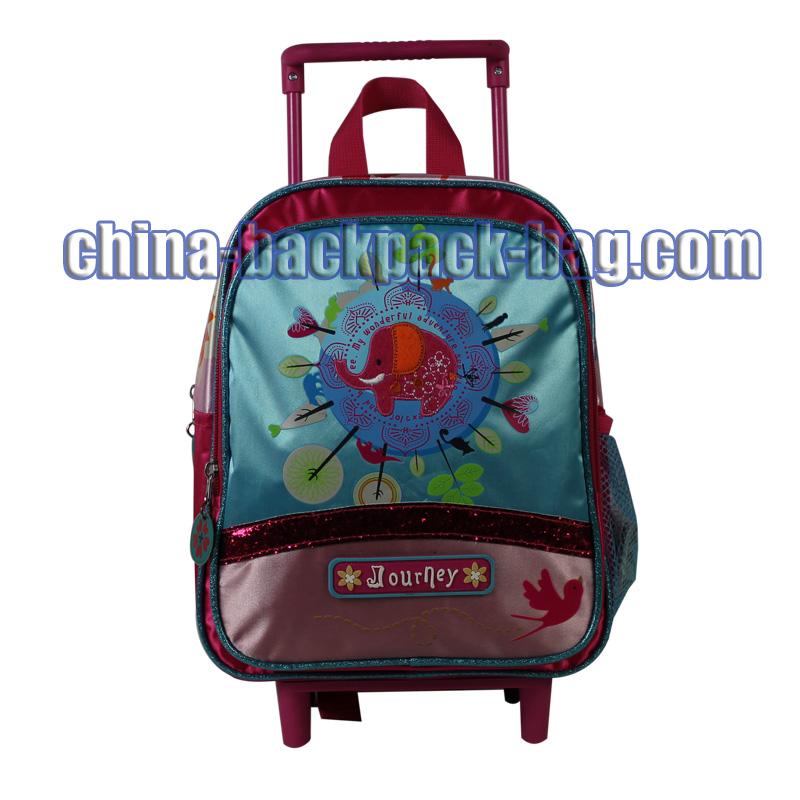
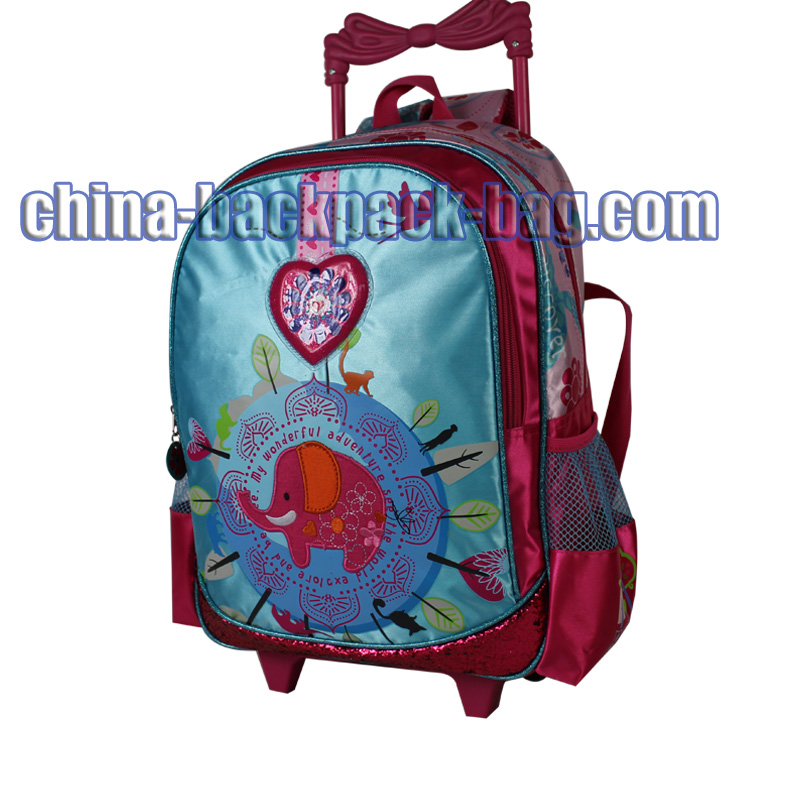
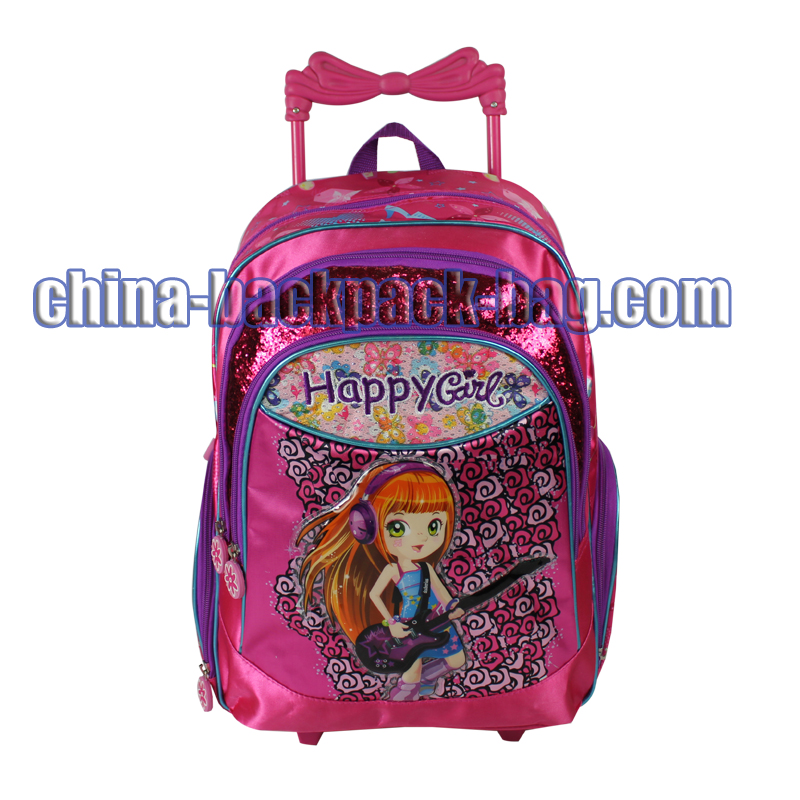
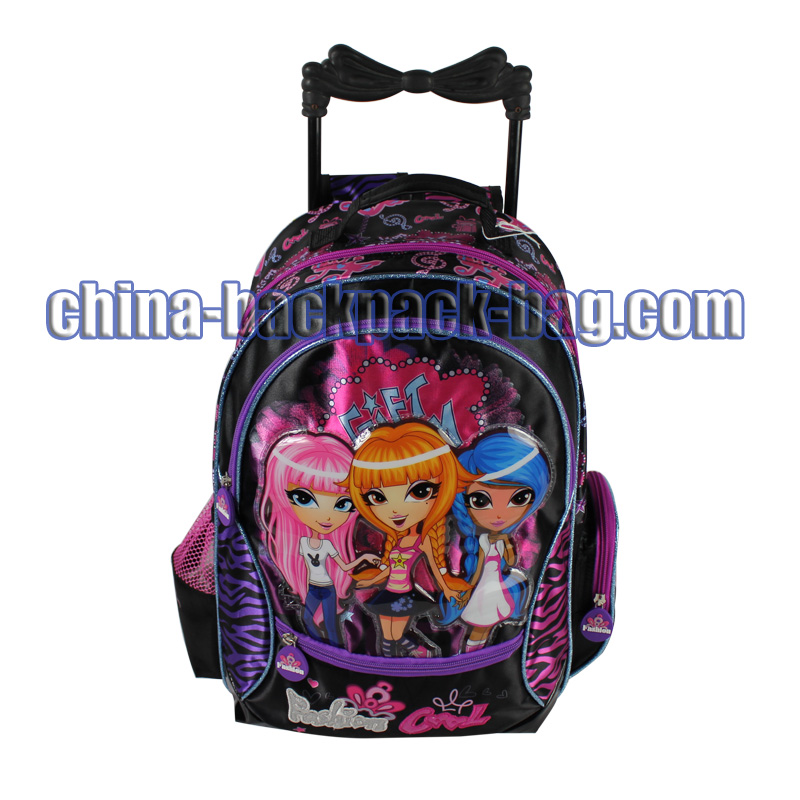
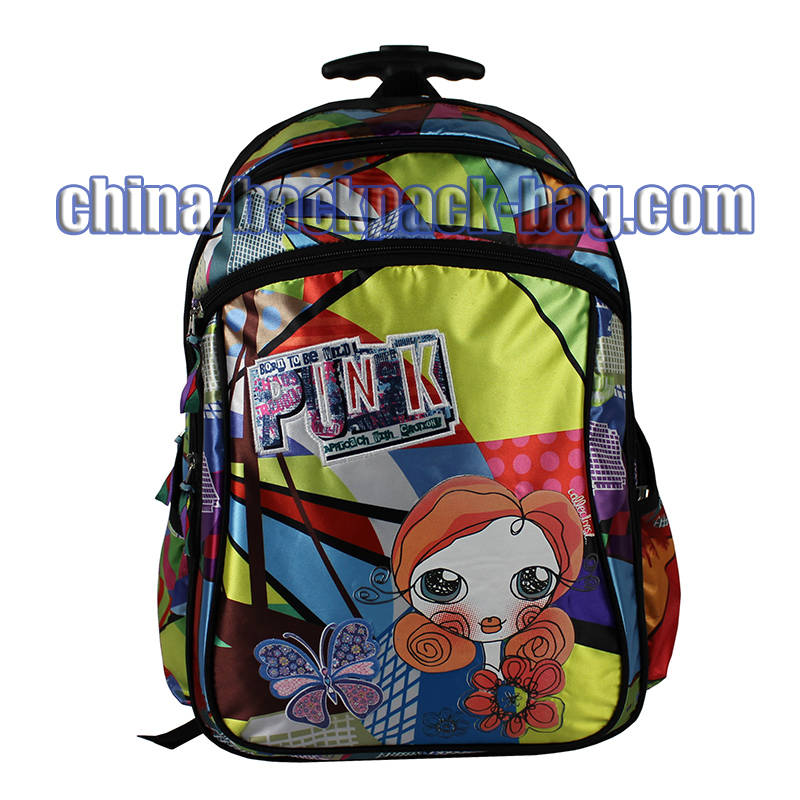
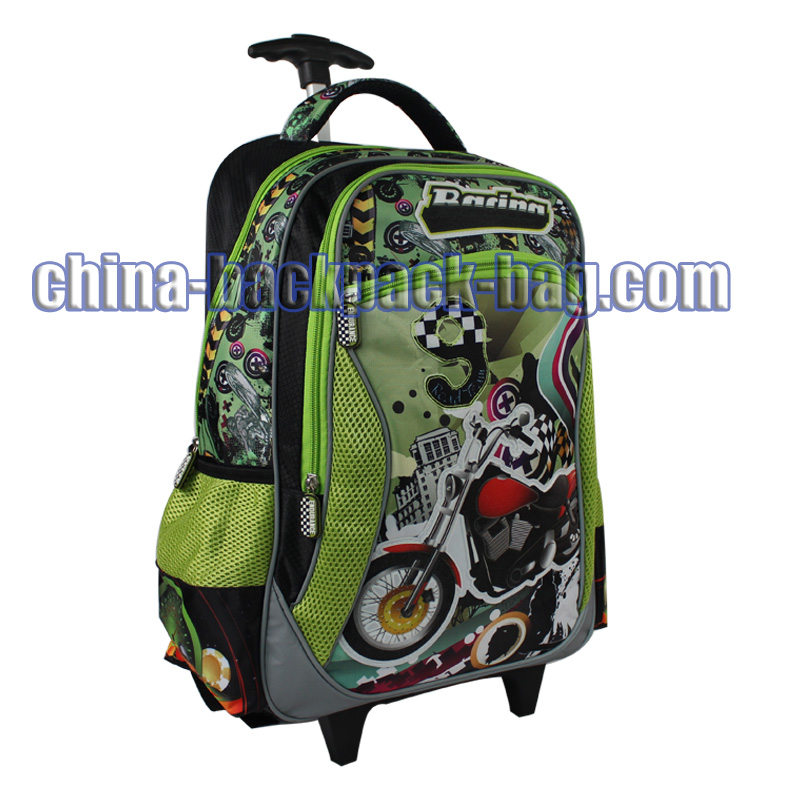
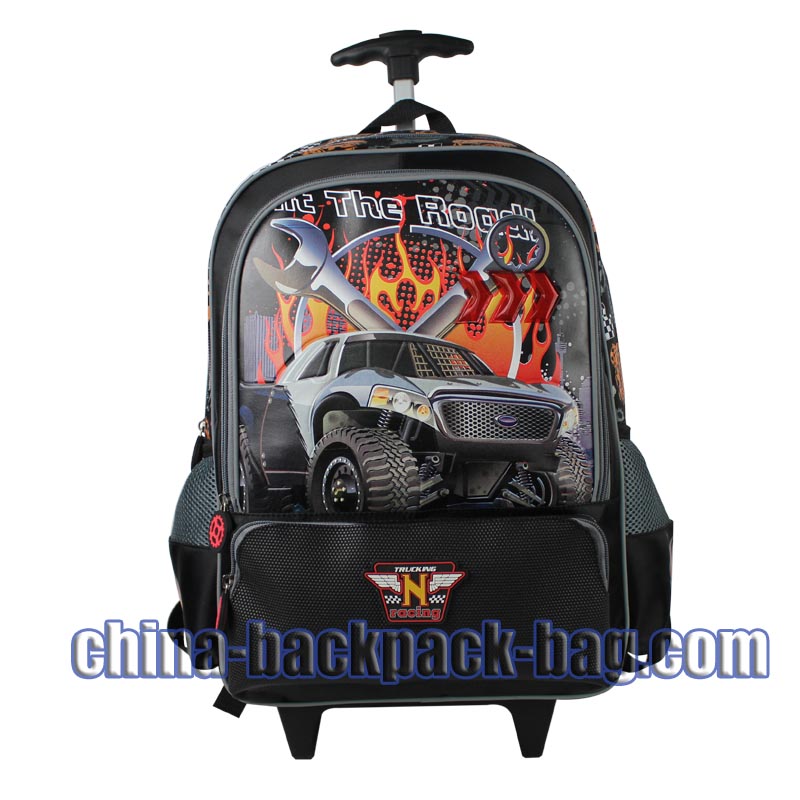
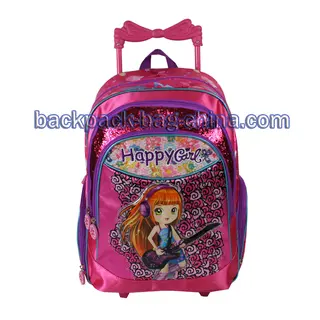
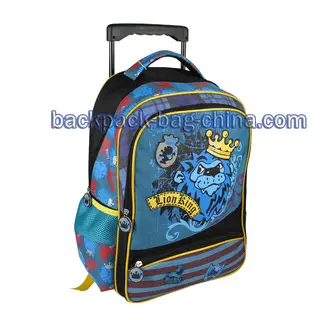
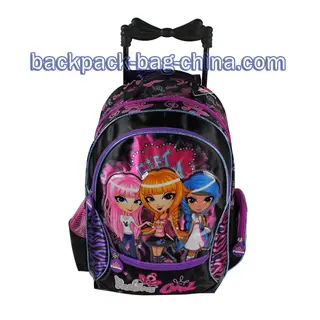
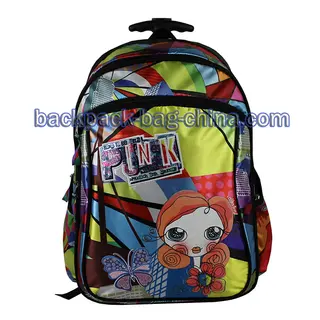
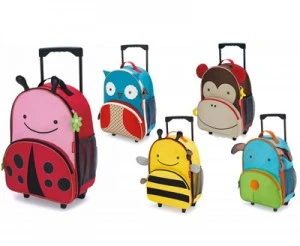
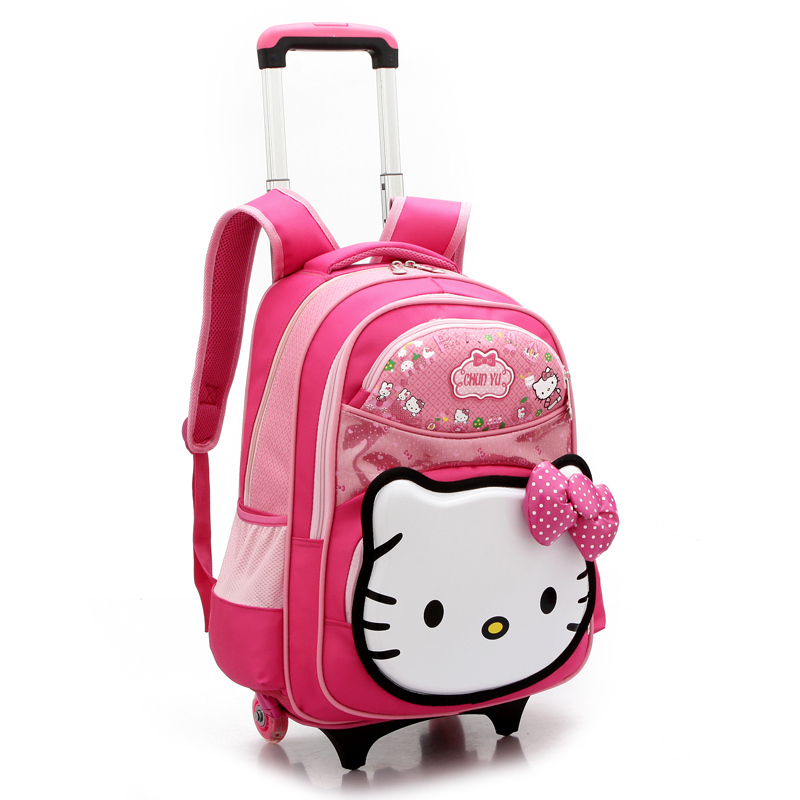
Kids & Junior Sizes: Scaled-down versions with child-friendly features
-
-
By Wheel Configuration:
-
Two-Wheel (Inline): Traditional design with tilt-and-pull motion
-
Four-Wheel (Spinner): 360° multi-directional rolling capability
-
Eight-Wheel Systems: Enhanced stability for uneven surfaces
-
All-Terrain Wheels: Larger diameter wheels for outdoor travel
-
-
By Material Technology:
-
Hard-Shell Materials: Polycarbonate (PC), ABS, PP, aluminum-magnesium alloys
-
Soft-Shell Materials: Ballistic nylon, polyester, canvas with waterproof coatings
-
Hybrid Designs: Combination of hard frame and flexible fabric panels
-
Sustainable Materials: Recycled plastics, bio-based polymers, organic fabrics
-
-
By Specialized Functions:
-
Business Travel: Laptop compartments, document organizers, suit carriers
-
Smart Luggage: GPS tracking, built-in scales, USB charging, Bluetooth locks
-
Sports & Adventure: Equipment compartments, ruggedized construction
-
Medical/Professional: Specialized cases for instruments and equipment
-
Designer/Luxury: Premium materials, brand collaborations, fashion-forward designs
-
Technology & Innovation Trends
-
Smart Technology Integration:
-
GPS and cellular tracking with smartphone integration
-
Digital locks with fingerprint and Bluetooth authentication
-
Built-in digital scales and weight distribution sensors
-
Proximity sensors for loss prevention
-
-
Advanced Material Science:
-
Lightweight composites with high impact resistance
-
Self-healing polyurethane coatings for scratch resistance
-
Antimicrobial and odor-resistant fabric treatments
-
Phase-change materials for temperature regulation
-
-
Ergonomic & Functional Design:
-
Telescopic handle systems with adjustable height settings
-
Weight-balanced spinner wheel mechanisms
-
Compression packing systems and modular interiors
-
Convertible designs (backpack/trolley combinations)
-
-
Sustainability Innovations:
-
Circular economy models with take-back and recycling programs
-
Carbon-neutral manufacturing processes
-
Biodegradable and compostable material alternatives
-
Repair-friendly designs extending product lifespan
-
Global Market Drivers
-
Recovery and growth of global travel and tourism post-pandemic
-
Rising business travel and corporate mobility requirements
-
Increasing middle-class population in emerging markets
-
Growth of experiential travel and adventure tourism
-
Digital nomad and remote work lifestyle trends
-
E-commerce expansion in luggage retail
-
Airline baggage policies driving carry-on optimization
-
Fashion and status symbolism in luggage choices
Major Players & Value Chain
-
Premium Brands: Samsonite, Tumi, Rimowa, Delsey, Briggs & Riley
-
Lifestyle Brands: Away, July, Travelpro, Eagle Creek
-
Mass Market Brands: American Tourister, Skyway, Rockland
-
Luxury Fashion Brands: Louis Vuitton, Gucci, Prada (travel collections)
-
E-commerce & DTC Brands: Direct-to-consumer digital natives
-
Value Chain: Material suppliers → component manufacturers → assembly → branding/marketing → distribution (retail/e-commerce/wholesale) → after-sales service → consumers
Challenges & Opportunities
-
Challenges:
-
Airline regulations on smart luggage batteries
-
Counterfeit products and brand imitation
-
Supply chain disruptions and material cost volatility
-
Environmental impact of fast-fashion luggage cycles
-
Intense competition and price pressure
-
-
Opportunities:
-
Smart luggage ecosystem development
-
Customization and personalization services
-
Rental and subscription business models
-
Expansion into emerging travel markets
-
Health and safety features post-pandemic
-
Sustainable and circular economy leadership
-
Integration with travel tech platforms
-