Industry Definition & Scope
The steel industry encompasses the entire value chain from iron ore mining and coking coal processing to steelmaking, casting, rolling, finishing, and distribution. As a fundamental material of modern civilization, steel serves as the backbone of industrialization, infrastructure, manufacturing, and technological advancement worldwide.
Key Product Categories
-
By Production Process:
-
Blast Furnace-Basic Oxygen Furnace (BF-BOF): Traditional integrated route (≈70% global production)
-
Electric Arc Furnace (EAF): Scrap-based recycling route (≈30% global production)
-
Direct Reduced Iron (DRI): Natural gas/hydrogen-based alternative
-
-
By Product Form:
-
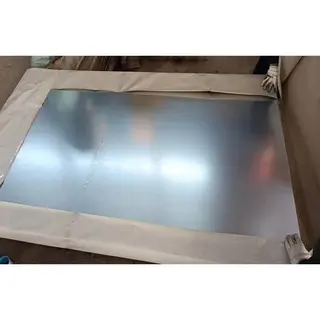
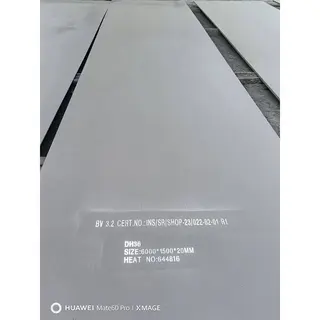
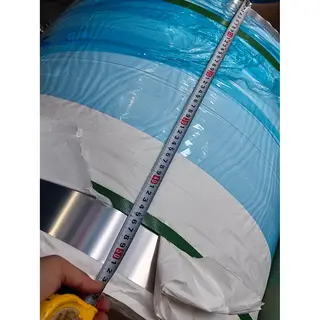
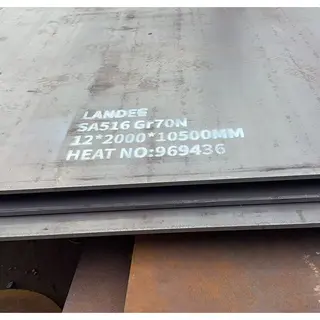
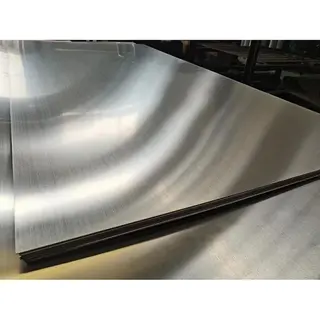
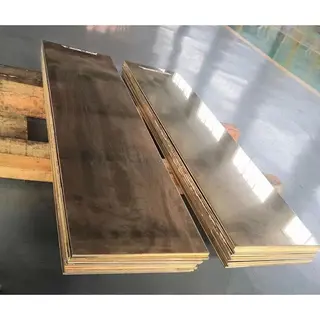
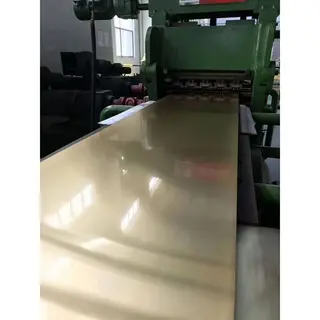
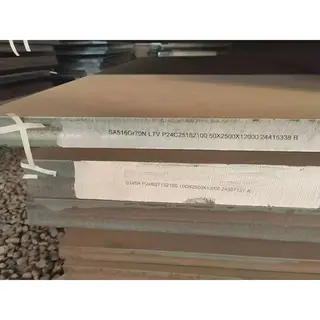
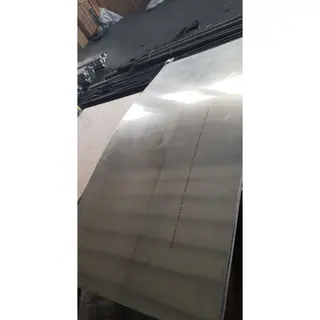
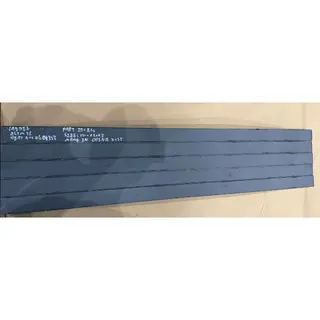
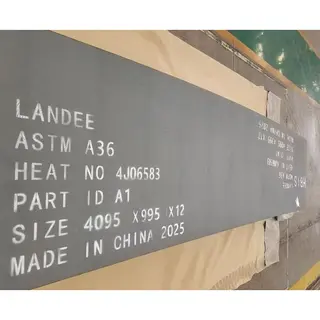
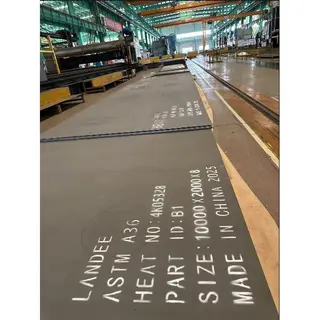
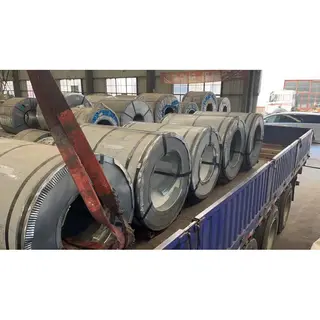
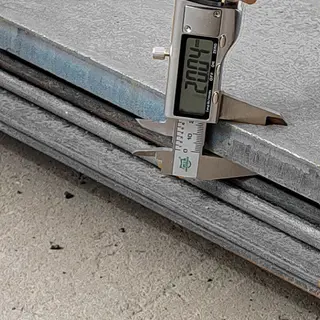
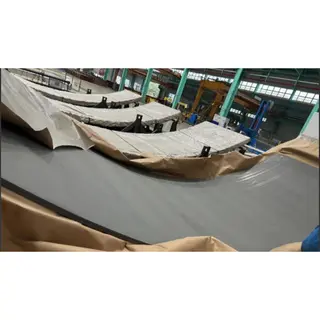
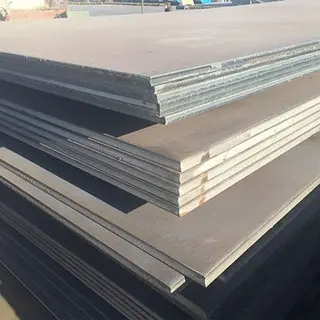
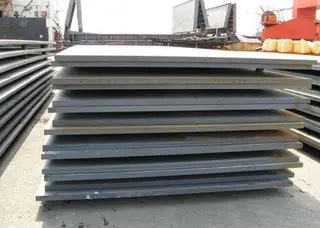
Flat Products: Hot-rolled coils, cold-rolled coils, coated sheets (galvanized, galvalume), plates
-
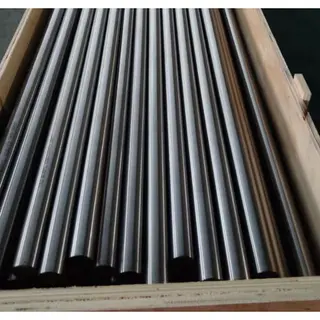
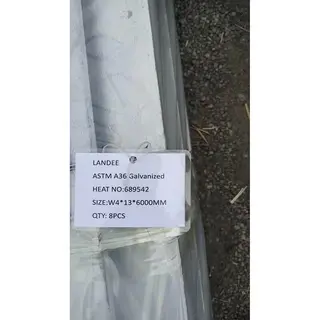
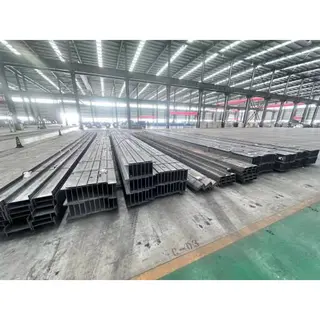
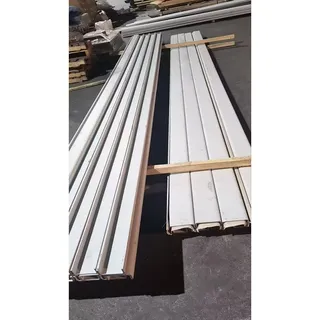
Long Products: Rebar, wire rod, sections (beams, channels, angles), rails, bars
-
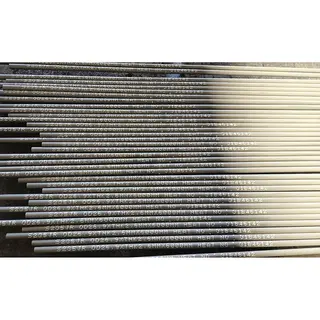
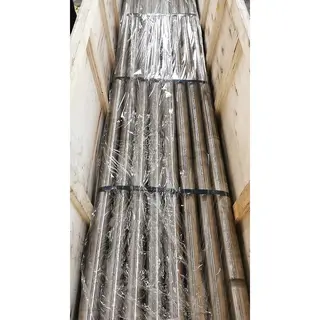
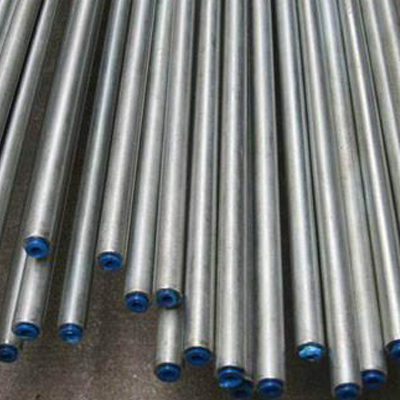
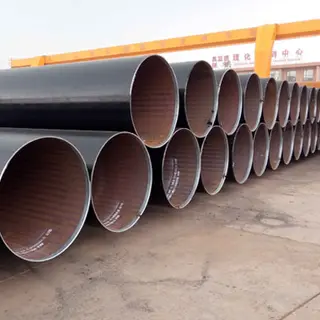
Tubular Products: Seamless and welded pipes (covered separately)
-
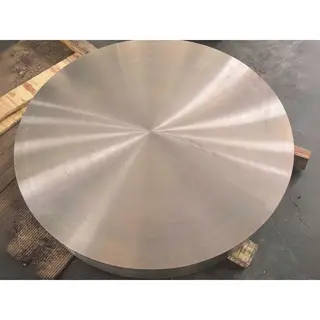
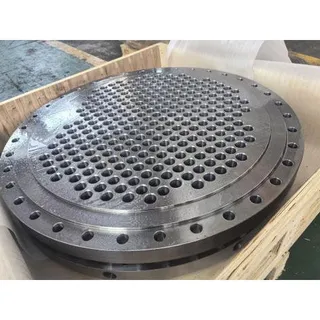
Specialty Products: Electrical steel, tool steel, stainless steel, advanced high-strength steel
-
-
By Application Sector:
-
Construction: Structural steel, reinforcement bars (≈50% global consumption)
-
Automotive: Body panels, chassis components, engine parts (≈12% consumption)
-
Machinery & Equipment: Industrial machinery, agricultural equipment
-
Energy: Oil & gas pipelines, wind turbines, power transmission towers
-
Consumer Goods: Appliances, packaging (tinplate), furniture
-
Infrastructure: Bridges, railways, ports, airports
-
Technology & Innovation Trends
-
Green Steel Transition:
-
Hydrogen-based direct reduction (HYBRIT, H2 Green Steel)
-
Carbon capture utilization and storage (CCUS) in BF-BOF routes
-
Biochar and alternative reductant development
-
-
Digital Transformation:
-
Industry 4.0 smart factories with AI-powered process control
-
Digital twins for blast furnace optimization
-
Blockchain for carbon footprint tracking
-
-
Advanced Materials:
-
3rd generation advanced high-strength steels (AHSS)
-
Gradient-structured steels for enhanced performance
-
Smart coatings for corrosion resistance
-
-
Circular Economy:
-
Scrap-based EAF expansion
-
Design for disassembly and recycling
-
By-product utilization (slag, dust, gases)
-
Global Market Dynamics
-
Production Centers: China (53% global output), India, Japan, United States, Russia
-
Consumption Drivers:
-
Emerging market urbanization and infrastructure development
-
Global automotive industry electrification transition
-
Renewable energy infrastructure expansion
-
Manufacturing reshoring and supply chain reconfiguration
-
-
Regulatory Landscape:
-
Carbon border adjustment mechanisms (EU CBAM)
-
National decarbonization commitments (China's carbon neutrality by 2060)
-
Trade protections and anti-dumping measures
-
-
Price Determinants:
-
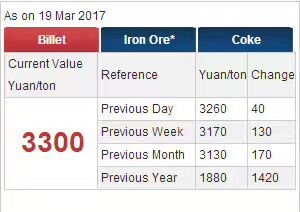
Iron ore and coking coal prices
-
Scrap metal availability and pricing
-
Energy costs (electricity, natural gas)
-
Geopolitical factors and trade policies
-
Major Players & Value Chain
-
Integrated Giants: China Baowu, ArcelorMittal, Nippon Steel, POSCO, HBIS Group
-
Mini-mill Specialists: Nucor, Steel Dynamics, Commercial Metals (CMC)
-
Regional Leaders: Tata Steel, JFE Steel, ThyssenKrupp, Severstal
-
Value Chain: Mining → Coking → Ironmaking → Steelmaking → Casting → Rolling → Finishing → Distribution → End Users
Challenges & Opportunities
-
Critical Challenges:
-
Decarbonization costs and technology scalability
-
Overcapacity in certain regions
-
Volatile raw material and energy markets
-
Trade tensions and protectionism
-
-
Strategic Opportunities:
-
Green premium products and carbon-neutral steel
-
Advanced manufacturing applications (lightweight vehicles, sustainable construction)
-
Digital service models (predictive maintenance, material certification)
-
Circular economy leadership and scrap ecosystem development
-