Industry Definition & Scope
The locks industry encompasses the design, manufacturing, distribution, and installation of mechanical, electronic, and electromechanical devices used to secure and control access to physical spaces, containers, and valuables. As a critical component of global security infrastructure, this industry integrates precision engineering, materials science, digital technology, and cybersecurity to provide protection solutions for residential, commercial, industrial, automotive, and institutional applications.
Key Product Categories
-
By Product Type:
-
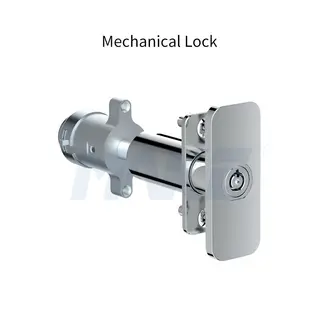
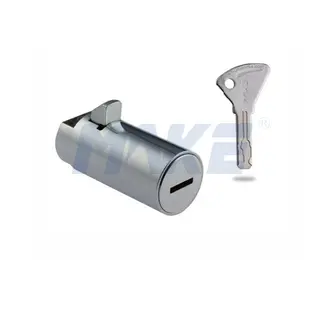
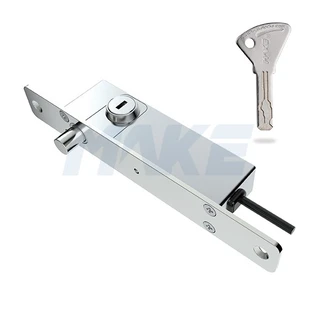
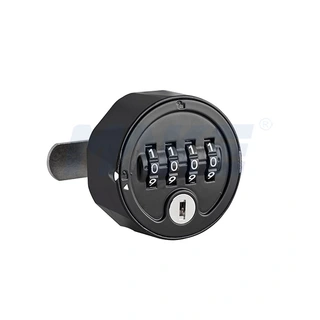
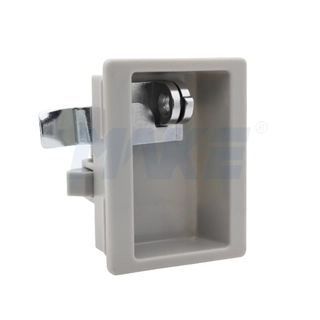
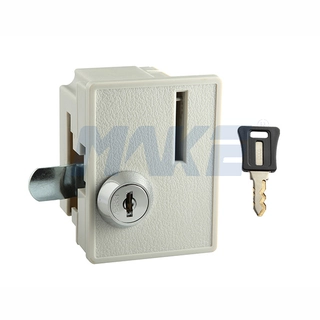
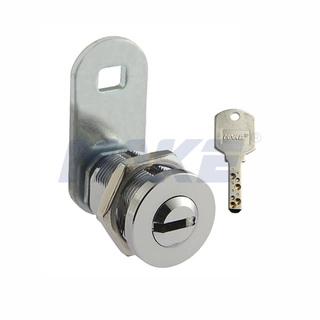
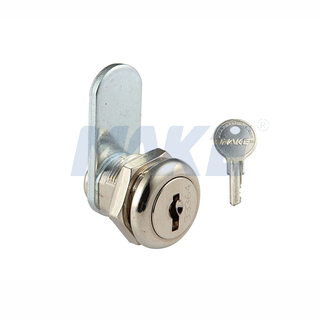
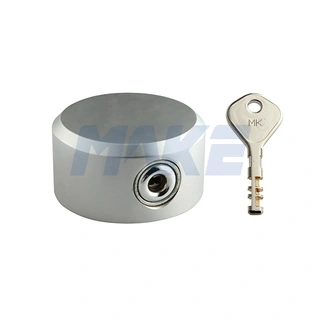
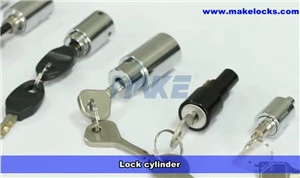
Mechanical Locks: Pin tumbler locks, wafer locks, lever locks, disc detainer locks
-
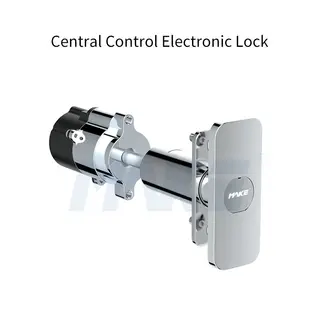
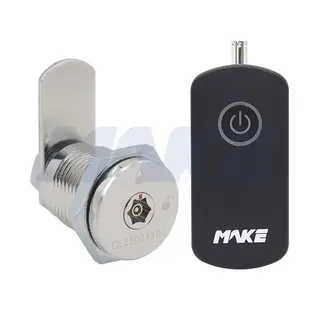
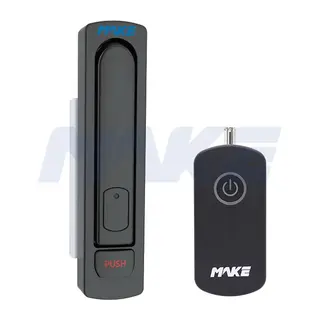
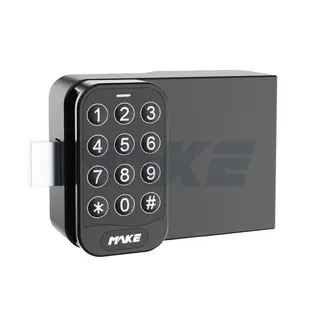
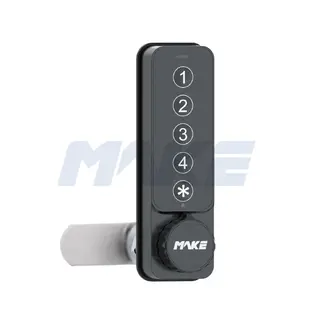
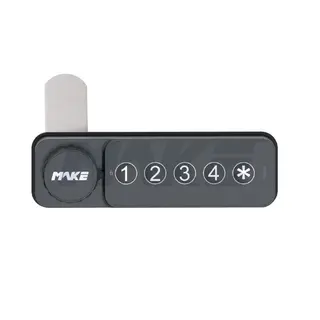
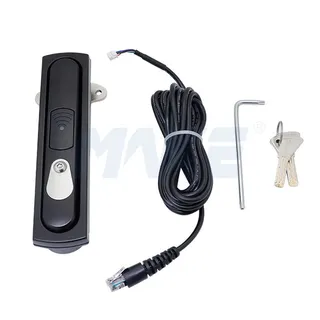
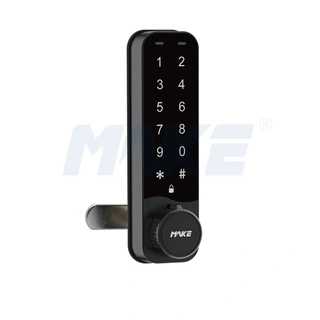
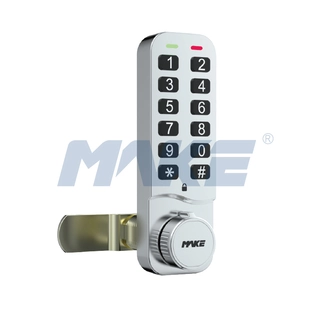
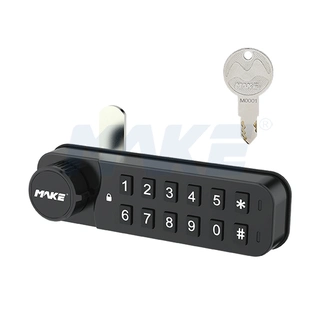
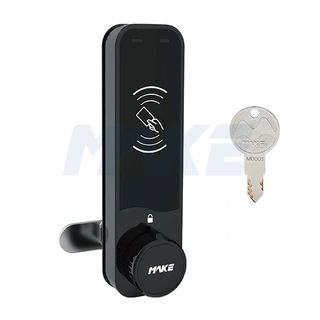
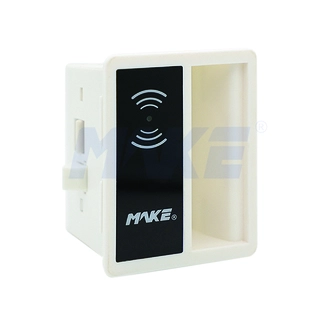
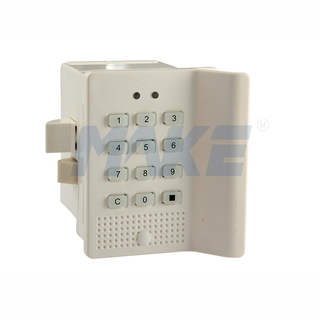
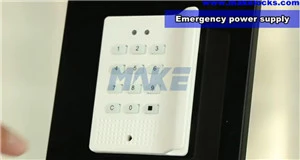
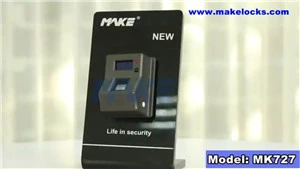
Electronic Locks: Keypad locks, card access systems, biometric locks
-
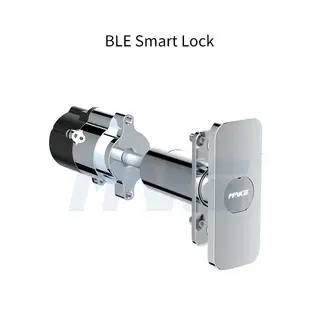
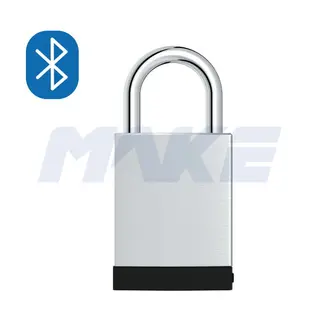
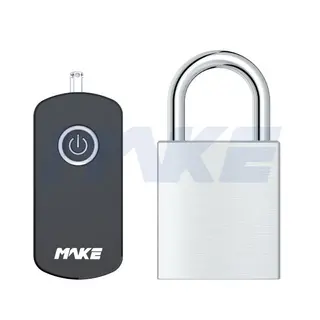
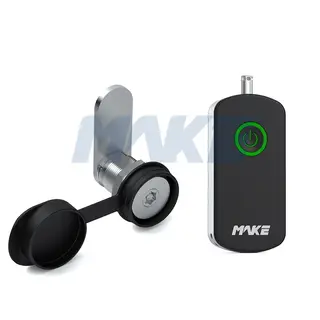
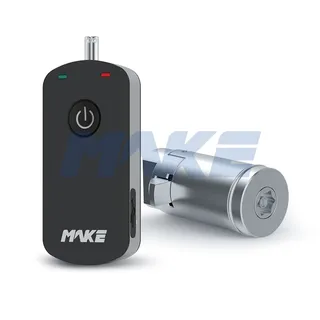
Smart Locks: WiFi/Bluetooth enabled, app-controlled, voice-activated systems
-
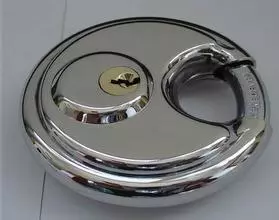
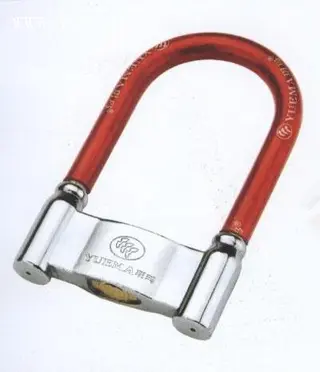
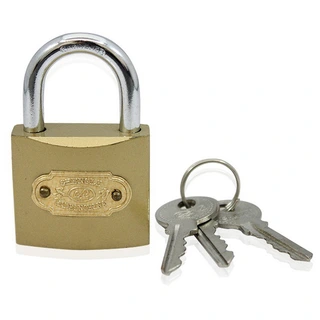
Padlocks: Combination, keyed, shrouded, hardened steel shackle types
-
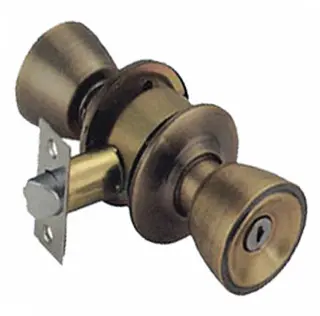
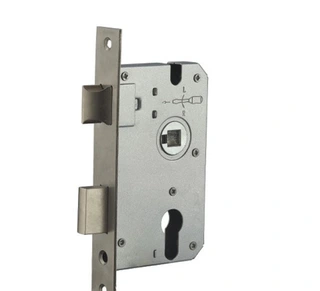
Deadbolts & Door Locks: Single/double cylinder, mortise, cylindrical, interconnected locks
-
Specialized Locks: High-security safes, vault locks, prison locks, marine locks
-
-
By Technology Level:
-
Traditional Mechanical: Key-operated systems with varying security levels
-
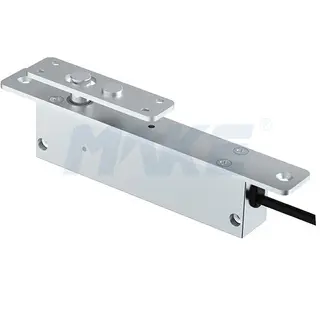
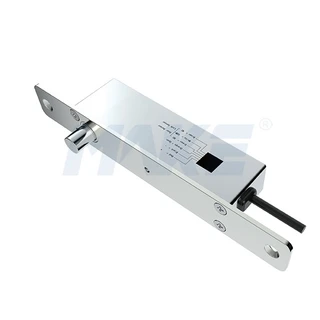
Electromechanical: Electric strikes, magnetic locks, access control integration
-
Digital & Connected: IoT-enabled locks with remote management capabilities
-
Biometric Systems: Fingerprint, facial recognition, iris scanning technology
-
-
By Application Area:
-
Residential Security: Door locks, window locks, smart home integration
-
Commercial & Institutional: Office access systems, hotel locks, school security
-
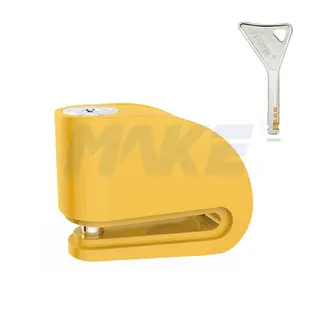
Automotive: Car door locks, ignition systems, steering wheel locks
-
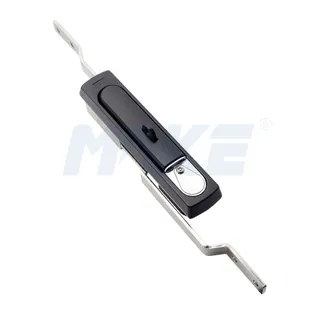
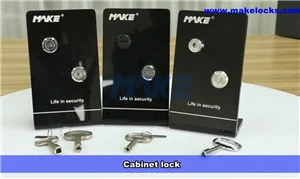
Industrial & Infrastructure: Gate locks, cabinet locks, equipment security
-
Travel & Luggage: TSA-approved locks, suitcase locks, backpack security
-
-
By Security Grade:
-
Basic Security: Grade 3 locks for low-risk applications
-
Medium Security: Grade 2 for commercial and residential standards
-
High Security: Grade 1 and specialized locks for critical protection
-
UL Listed/Certified: Meeting stringent testing standards
-
Technology & Innovation Trends
-
Digital & Smart Security Integration:
-
Cloud-based access control and audit trail systems
-
Mobile credential technologies (NFC, Bluetooth, smartphone keys)
-
AI-powered threat detection and anomaly monitoring
-
Interoperability with smart home ecosystems (Apple HomeKit, Amazon Alexa)
-
-
Advanced Authentication Technologies:
-
Multi-modal biometric systems combining fingerprint, voice, and facial recognition
-
Behavioral biometrics for continuous authentication
-
Quantum-resistant encryption for digital locks
-
Tamper-proof and anti-pick mechanical innovations
-
-
Material & Manufacturing Innovations:
-
Anti-drill and anti-cut hardened alloys
-
Corrosion-resistant coatings for harsh environments
-
3D printing for complex lock components and customization
-
Sustainable materials in lock manufacturing
-
-
Cybersecurity & Data Protection:
-
End-to-end encryption for wireless communications
-
Regular firmware updates and vulnerability management
-
Blockchain-based key management and access logs
-
Privacy-by-design in biometric data handling
-
Global Market Drivers
-
Rising urbanization and property security concerns worldwide
-
Growth of smart home and building automation markets
-
Increasing crime rates driving demand for advanced security solutions
-
Government regulations and building code requirements
-
Automotive industry integration of advanced locking systems
-
Hospitality industry modernization with electronic access systems
-
E-commerce growth expanding direct-to-consumer lock sales
-
Insurance industry requirements influencing security standards
Major Players & Value Chain
-
Global Leaders: Assa Abloy, Allegion, dormakaba, Spectrum Brands (Kwikset, Baldwin)
-
High-Security Specialists: Medeco, Mul-T-Lock, Abloy, EVVA
-
Smart Lock Innovators: August, Yale, Schlage, Level Lock
-
Asian Manufacturers: Guangdong, Zhejiang production hubs in China
-
Value Chain: Raw materials → component manufacturing → assembly → testing/certification → distribution → installation/services → end users
Challenges & Opportunities
-
Challenges:
-
Cybersecurity vulnerabilities in connected locks
-
Counterfeit and low-quality products in some markets
-
Rapid technological obsolescence in electronic systems
-
Skilled labor shortage for advanced lock installation and maintenance
-
Regulatory complexity across different regions
-
-
Opportunities:
-
Smart city infrastructure integration
-
Rental and sharing economy access solutions
-
Healthcare and senior living security innovations
-
Emerging market urbanization driving demand
-
Service-based models (lock-as-a-service)
-
Integration with property management and IoT platforms
-
Sustainable and recyclable lock designs
-