Industry Definition & Scope
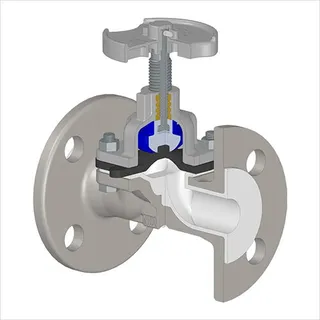
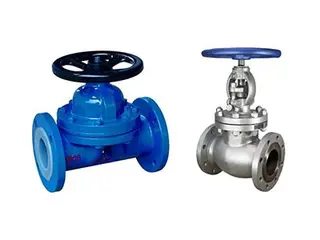
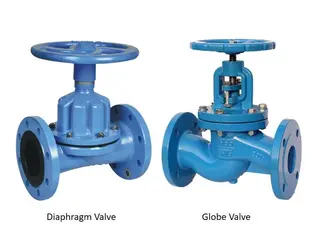
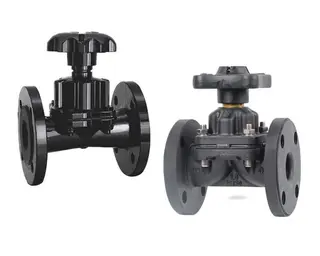
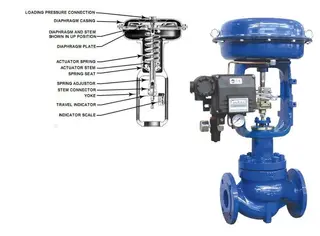
The diaphragm valves industry encompasses the design, manufacturing, and application of valves that utilize a flexible diaphragm as the primary closure element, creating a physical barrier between the process fluid and the valve's internal mechanisms. This specialized sector is particularly valued in industries requiring high purity, sterile conditions, corrosion resistance, and leak-tight operation, serving critical applications in pharmaceutical, biotechnology, food & beverage, water treatment, and chemical processing industries.
Key Product Categories
-
By Design Configuration:
-
Weir-Type Diaphragm Valves: Most common design with a raised weir for enhanced shut-off capability
-
Straight-Through Diaphragm Valves: Full bore design for minimal pressure drop and slurry handling
-
Sanitary Diaphragm Valves: Polished surfaces, crevice-free designs for hygienic applications
-
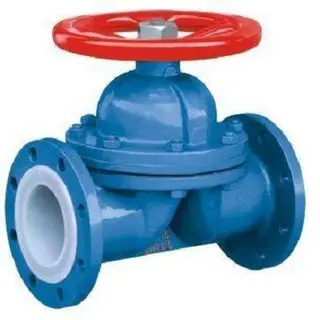
Lined Diaphragm Valves: PTFE or rubber-lined bodies for aggressive chemical service
-
Multi-Port Diaphragm Valves: 3-way and 4-way configurations for flow diversion and mixing
-
-
By Operation Mechanism:
-
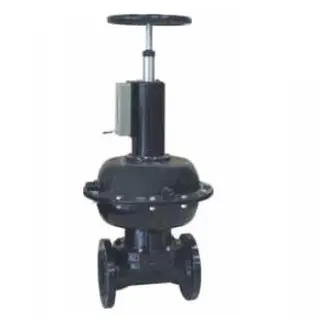
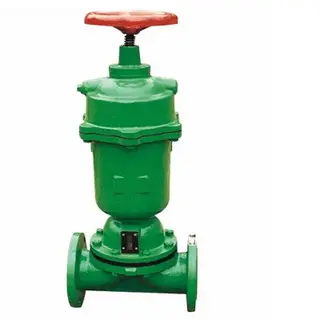
Manual Diaphragm Valves: Handwheel, lever, or pneumatic/hydraulic actuation
-
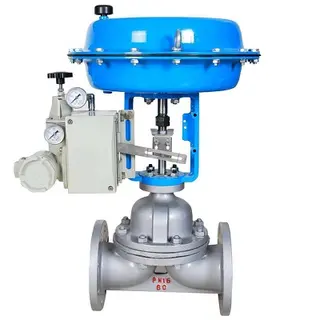
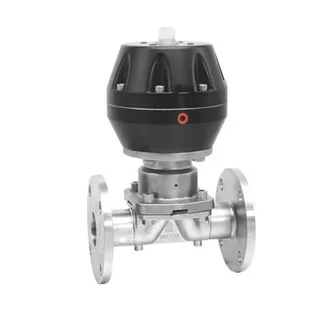
Pneumatically Actuated: Air-operated for remote or automated control
-
Electrically Actuated: Motor-operated for precise positioning
-
Hydraulically Actuated: For high-force applications
-
Solenoid-Operated: For quick on/off applications
-
-
By Material Construction:
-
Body Materials: Stainless steel (304/316L), cast iron, ductile iron, PVC, CPVC, PP, PVDF
-
Diaphragm Materials:
-
EPDM (ethylene propylene diene monomer): General purpose, water service
-
PTFE (polytetrafluoroethylene): Chemical resistance, high purity
-
FKM (Viton®): High temperature, chemical resistance
-
Butyl: Gas and vacuum service
-
Silicone: High purity, pharmaceutical
-
-
Bonnet & Actuator Materials: Aluminum, stainless steel, engineered plastics
-
-
By Application Specificity:
-
Pharmaceutical/Biotech: Sterile processing, CIP/SIP systems, fermenters, bioreactors
-
Food & Beverage: Product lines, CIP systems, brewing, dairy processing
-
Water & Wastewater: Chemical dosing, sludge handling, potable water
-
Chemical Processing: Corrosive and abrasive fluid handling
-
Semiconductor: Ultra-high purity gas and chemical delivery
-
Mining & Mineral: Slurry and abrasive media handling
-
Technology & Innovation Trends
-
Advanced Diaphragm Technology:
-
Multi-layer composite diaphragms with embedded sensors for wear monitoring
-
Self-diagnostic diaphragms with integrated pressure and temperature sensors
-
Nanocomposite materials enhancing chemical resistance and service life
-
Transparent diaphragm materials for visual flow verification
-
-
Smart Valve Integration:
-
IoT-enabled position and condition monitoring
-
Wireless communication for remote diagnostics and control
-
Predictive maintenance algorithms based on diaphragm cycle counting
-
Integration with process control systems via digital protocols (PROFINET, EtherCAT)
-
-
Hygienic & Clean Design Innovations:
-
Electropolished and mirror-finished surfaces for improved cleanability
-
Zero dead-leg designs eliminating contamination traps
-
Quick-disconnect clamp connections for easy maintenance
-
Sterile barrier integrity monitoring systems
-
-
Sustainability & Efficiency:
-
Reduced-stroke actuators lowering air consumption in pneumatic valves
-
Energy recovery systems in actuation mechanisms
-
Recyclable diaphragm materials and take-back programs
-
Lightweight composite bodies reducing material usage
-
Global Market Drivers
-
Stringent regulatory requirements in pharmaceutical and food industries (FDA, EHEDG, 3-A)
-
Growth in biopharmaceutical manufacturing and single-use technologies
-
Increasing demand for water and wastewater treatment worldwide
-
Expansion of semiconductor manufacturing requiring ultra-clean valve solutions
-
Process automation trends driving demand for actuated diaphragm valves
-
Replacement of traditional valves with diaphragm valves in corrosive applications
-
Focus on reducing cross-contamination in multi-product facilities
-
Growth in microbrewing and craft beverage industries
Major Players & Value Chain
-
Global Specialists:
-
Pharmaceutical/Food Focus: GEMÜ, ITT Engineered Valves, SPX Flow (APV), Alfa Laval
-
Industrial Focus: Saunders (CIRCOR), Georg Fischer, ASAHI/America, Plast-O-Matic
-
High-Purity Focus: Fujikin, Ham-Let, Parker Hannifin (Instrumentation)
-
-
Regional Leaders:
-
Europe: Burkert, Christian Burkert, DK-Lok
-
Asia: Takasago, Nippon Daiya, Chinese manufacturers (Zhejiang, Jiangsu regions)
-
North America: Hayward, Val-Matic, Plast-O-Matic
-
-
Value Chain:
-
Raw material suppliers (elastomers, metals, polymers)
-
Diaphragm manufacturing (molding, vulcanization, coating)
-
Valve body manufacturing (casting, machining, welding)
-
Assembly and testing (pressure, leak, cleanliness)
-
Distribution (specialty distributors, OEM channels)
-
System integration and validation (for regulated industries)
-
Aftermarket services (diaphragm replacement, maintenance)
-
Challenges & Opportunities
-
Challenges:
-
Diaphragm fatigue and limited service life requiring regular replacement
-
High initial cost compared to some alternative valve types
-
Pressure and temperature limitations of diaphragm materials
-
Complex material selection for specific chemical compatibility
-
Counterfeit and substandard diaphragms in price-sensitive markets
-
-
Opportunities:
-
Single-use disposable diaphragm valves for bioprocessing
-
Smart diaphragm technology with predictive maintenance capabilities
-
Expansion in emerging pharmaceutical and biotech markets
-
Customization for specific process requirements
-
Hybrid diaphragm designs combining multiple materials for enhanced performance
-
Digital services including remote monitoring and diaphragm inventory management
-
Sustainable diaphragm materials and recycling programs
-