Industry Definition & Scope
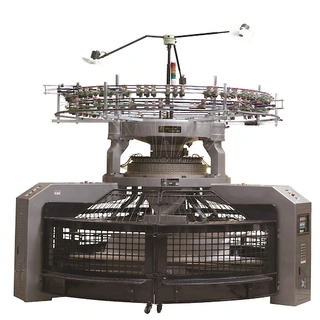
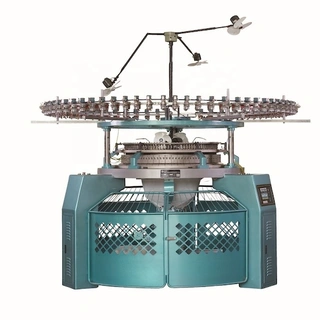
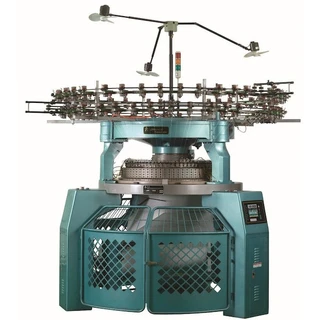
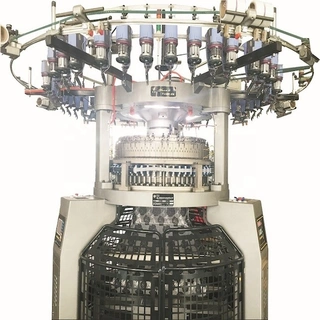
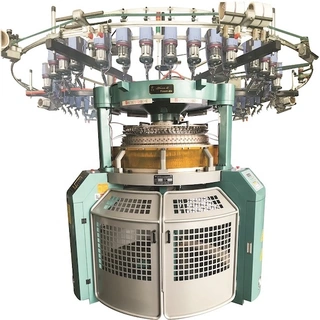
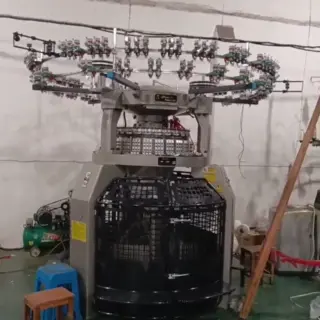
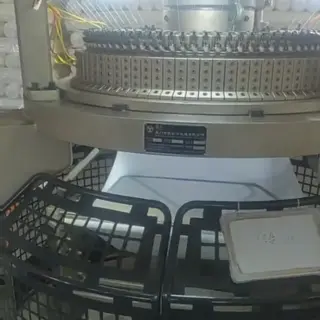
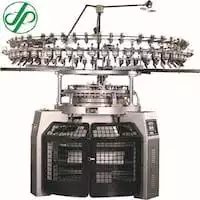
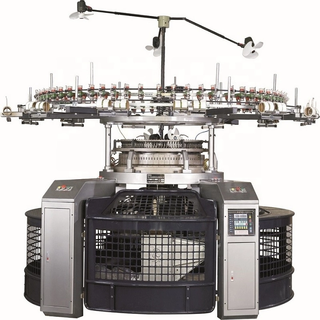
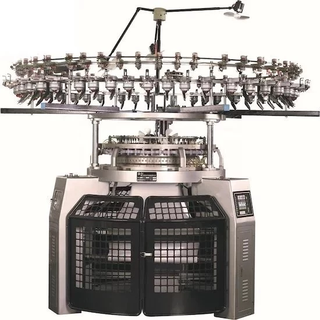
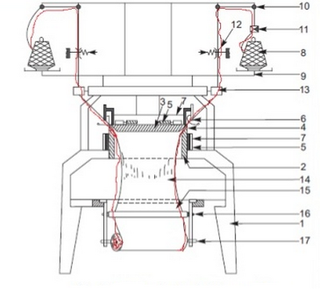
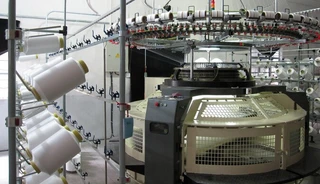
The circular knitting machine industry encompasses the design, manufacturing, and distribution of specialized textile machinery featuring needles arranged in a circular formation to produce seamless tubular fabrics. This advanced sector serves as the technological backbone for producing knitted textiles across apparel, technical, and industrial applications, characterized by high-speed continuous production and versatile fabric creation capabilities.
Key Product Categories
By Machine Construction & Needle Bed Type:
-
Single Jersey Machines: Machines with one set of needles (cylinder needles) producing basic plain knit fabrics with distinct right and wrong sides.
-
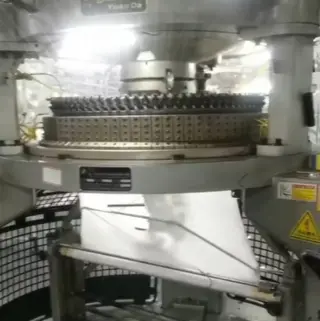
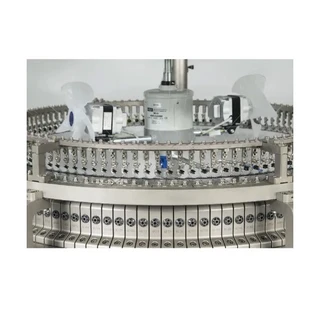
Double Jersey/Rib Machines: Machines with two sets of needles (cylinder and dial needles) producing double-faced fabrics with vertical rib structures, offering greater elasticity and thickness.
-
Interlock Machines: Specialized double-knit machines producing smooth, stable fabrics with identical appearance on both sides.
-
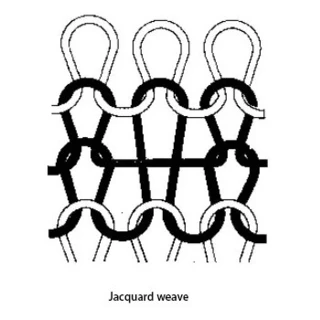
Jacquard Circular Machines: Machines equipped with electronic or mechanical selection devices for creating complex color patterns, textures, and designs.
By Diameter & Application:
-
Small Diameter Machines (1.5" - 4.5"): Primarily for producing seamless hosiery, socks, gloves, and sleeves.
-
Medium Diameter Machines (7" - 22"): For producing body fabrics for T-shirts, underwear, sportswear, and other apparel.
-
Large Diameter Machines (24" - 60"+): For producing wide-width fabrics that are later cut and sewn into various garments.
By Technological Generation:
-
Mechanical Circular Machines: Traditionally controlled by pattern wheels, chain links, or punch cards.
-
Electronic Circular Machines: Computer-controlled with servo motors, digital pattern input, and automated yarn carriers.
-
Computerized Integration Systems: Fully automated systems with CAD/CAM connectivity, real-time monitoring, and production data management.
Technology & Innovation Trends
-
High-Speed Production Capabilities: Modern machines achieving speeds exceeding 50 RPM with multiple feeders for maximum productivity.
-
Multi-Feed & Multi-Cam Systems: Advanced machines featuring 90-144 feeders for complex patterning and reduced production time.
-
Electronic Needle Selection: Individual needle control through piezoelectric or electromagnetic actuators for unlimited patterning possibilities.
-
Smart Monitoring & IoT Connectivity: Real-time production monitoring, fault detection, and predictive maintenance through cloud-based systems.
-
Energy-Efficient Drives: Advanced servo motor systems reducing power consumption by 20-40% compared to traditional mechanical drives.
-
Quick-Change Systems: Modular components allowing rapid conversion between different fabric structures and yarn types.
-
Automated Yarn Handling: Integrated systems for automatic creeling, tension control, and defect detection.
Global Market Drivers
-
Fast Fashion & Apparel Industry Demand: Need for rapid, cost-effective production of knitted fabrics for global clothing brands.
-
Athleisure & Sportswear Growth: Increased demand for performance fabrics and seamless construction in activewear.
-
Technical Textile Expansion: Growing applications in medical textiles, automotive interiors, and industrial fabrics.
-
Labor Cost Optimization: Automation reducing dependency on skilled labor in textile manufacturing.
-
Sustainability Requirements: Machines enabling production with recycled fibers and minimizing waste through efficient knitting.
-
Supply Chain Regionalization: Re-establishment of textile manufacturing capacities in various regions driving machinery investment.
Industry Value Chain
-
Raw Material & Component Suppliers: Specialized steel manufacturers, precision gear producers, electronic component suppliers, and control system developers.
-
Machine Manufacturers: Global and regional companies producing complete circular knitting systems.
-
Software & Control System Developers: Companies providing pattern design, machine control, and production management software.
-
Distributors & Service Networks: Regional representatives providing sales, installation, and technical support.
-
Spare Parts & Accessories Suppliers: Manufacturers of needles, sinkers, cams, and other consumable components.
-
End Users: Textile mills, apparel manufacturers, technical textile producers, and fabric converters.
Key Industry Challenges
-
High Capital Investment: Significant upfront costs limiting accessibility for small and medium enterprises.
-
Technical Complexity: Requirement for highly trained technicians for operation, maintenance, and programming.
-
Competition from Alternative Technologies: Competition from warp knitting and woven fabric technologies in certain applications.
-
Rapid Technological Obsolescence: Fast pace of innovation requiring frequent machine upgrades.
-
Global Economic Sensitivity: Cyclical demand tied to apparel consumption and textile industry health.
-
Supply Chain Disruptions: Dependence on specialized components from limited global suppliers.
-
Environmental Regulations: Compliance with energy consumption and noise emission standards.
Future Outlook
The circular knitting machine industry is advancing toward smarter, more sustainable, and highly integrated production systems.
-
Digital Twin Technology: Virtual replicas of machines for simulation, optimization, and remote troubleshooting.
-
Artificial Intelligence Integration: Machine learning algorithms for automatic defect detection, pattern optimization, and production planning.
-
Sustainable Production Systems: Machines specifically designed for recycled fibers, biodegradable yarns, and minimal resource consumption.
-
Customization & Small-Batch Capabilities: Flexible systems enabling economical production of customized and small-lot fabrics.
-
Complete Smart Factory Integration: Seamless connectivity with upstream and downstream processes in fully automated textile plants.
-
Advanced Seamless Technologies: Development of complete garment knitting on circular machines with integrated shaping capabilities.
-
Global Service Networks: Enhanced remote diagnostic and maintenance capabilities through augmented reality and IoT platforms.