
How to Select the Right Home EV Charger Factory from China
As electric vehicles (EVs) continue their rapid global expansion, the importance of reliable, efficient, and cost-effective home charging solutions has never been greater. For millions of EV owners, the ability to charge at home is not just a convenience—it is the foundation of everyday electric mobility. With China now recognized as the world's largest manufacturing hub for EVs and charging equipment, international buyers increasingly look to Chinese factories when sourcing home EV chargers.
However, choosing the right factory is not simply a matter of price. Product quality, certification, technical capability, customization options, after-sales service, and long-term reliability all play decisive roles. This article explores how to select the right home EV charger factory from China, examining market trends, evaluation criteria, and notable manufacturers shaping the industry.
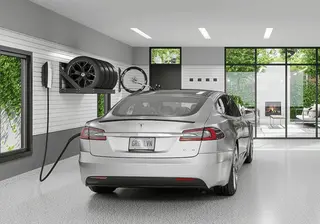
Why Home EV Charging Matters
A home EV charger—often called a residential charging station or EVSE (Electric Vehicle Supply Equipment)—delivers electricity from a household power supply directly to an electric vehicle's battery. While every EV is typically supplied with a basic charging cable, dedicated home charging equipment offers significant advantages in terms of speed, safety, convenience, and reliability.
Most EV owners prefer home charging because it is:
- Cheaper: Residential electricity rates are generally lower than public fast-charging tariffs.
- Predictable: Drivers avoid waiting in line or searching for available public chargers.
- Convenient: Plugging in overnight ensures a fully charged vehicle each morning.
With a properly installed home charging station, daily charging becomes a seamless routine rather than a logistical concern. As EV adoption rises worldwide, residential charging infrastructure is becoming a critical component of the transportation ecosystem.
China's Role in the Global EV Charger Market
China is not only the world's largest EV market but also the largest producer of EV charging equipment. Over the past decade, Chinese manufacturers have built advanced capabilities in:
- Power electronics and energy management systems
- Smart charging software and IoT integration
- Battery technology and thermal management
- Mass manufacturing with competitive cost structures
From compact AC chargers for apartments to high-power DC stations for commercial use, China's EVSE factories supply domestic demand and export to Europe, North America, Southeast Asia, the Middle East, and beyond. For international distributors, installers, and brands seeking OEM/ODM partnerships, China offers a deep supplier ecosystem—but one that requires careful selection.
Key Criteria for Selecting a Home EV Charger Factory
1. Product Quality and Reliability
The foundation of any successful partnership is product quality. Home EV chargers must operate safely over many years in varying environmental conditions. Buyers should evaluate:
- Component quality: Power modules, contactors, connectors, and enclosures.
- Thermal management: Efficient heat dissipation to prevent performance degradation.
- Durability: Resistance to moisture, dust, temperature extremes, and voltage fluctuations.
Requesting long-term testing data, quality assurance processes, and field performance references is essential.
2. Certifications and Compliance
Compliance with international standards is non-negotiable for global markets. Reputable factories support multiple certification frameworks, such as:
- CE (Europe)
- UL (North America)
- IEC standards
- ISO 9001, ISO 14001, ISO 45001 for management systems
Certifications ensure that products meet safety, electromagnetic compatibility, and environmental requirements. A factory with a strong certification portfolio reduces regulatory risk for importers and installers.
3. Technology and Smart Features
Modern home EV chargers are no longer simple power outlets. They increasingly integrate:
- Wi-Fi, Ethernet, or 4G connectivity
- Mobile app control and monitoring
- Dynamic load balancing
- Time-of-use scheduling
- Solar and energy storage integration
Factories that invest in R&D and offer software development capabilities are better positioned to support smart home ecosystems and future grid interaction.
4. Customization: ODM and OEM Capability
For many international brands, differentiation is key. The ability to customize product appearance, firmware, communication protocols, packaging, and branding is critical. Leading Chinese manufacturers provide:
ODM (Original Design Manufacturing): Custom designs tailored to specific markets.
OEM (Original Equipment Manufacturing): White-label production under the client's brand.
A factory's engineering team, tooling resources, and design flexibility directly influence time-to-market and product competitiveness.
5. Production Capacity and Scalability
With global EV demand growing rapidly, consistent supply is vital. Buyers should assess:
- Monthly and annual production volumes
- Automation levels
- Supply chain stability
- Ability to scale output for large contracts
Factories with mature production systems can support both pilot orders and long-term distribution programs.
6. After-Sales Service and Technical Support
Reliable after-sales support is essential, particularly for electrical infrastructure products. Strong manufacturers provide:
- Technical documentation and installation guides
- Remote diagnostics and firmware updates
- Warranty programs
- Dedicated customer service teams
Responsive support minimizes downtime and enhances end-user satisfaction.
Leading Chinese Manufacturers in the Home EV Charger Market
China's EVSE landscape is diverse, ranging from automotive giants to specialized charging equipment producers. Below are several influential companies shaping the industry.
BYD Auto
Founded in 2003 and headquartered in Shenzhen, BYD Auto (Build Your Dreams) is one of the world's largest electric vehicle manufacturers and a major force in battery technology and renewable energy solutions. Beyond vehicles, BYD has built a comprehensive ecosystem encompassing energy storage, solar systems, and EV charging infrastructure.
Range of Chargers
BYD offers a broad portfolio of EV chargers suitable for residential, commercial, and public applications. Its lineup includes slow chargers, fast chargers, and ultra-fast DC systems. While designed to integrate seamlessly with BYD vehicles, the chargers are compatible with many other EV brands.
Unique Selling Points
BYD's integrated approach—combining EV manufacturing, battery development, and charging infrastructure—ensures optimized performance and system compatibility. The company emphasizes energy efficiency, reliability, and large-scale deployment capabilities.
Customer Feedback
BYD chargers are widely praised for durability, advanced engineering, and smart features. Users often highlight the brand's strong warranty programs and responsive service networks, especially in markets where BYD has an established presence.
NIO Inc.
Founded in 2014 and based in Shanghai, NIO Inc. has rapidly gained recognition as a premium EV manufacturer. Known for its design innovation and customer-centric ecosystem, NIO has expanded beyond vehicles into a comprehensive energy and charging infrastructure platform.
Range of Chargers
NIO provides home chargers, public charging stations, and its well-known NIO Power Swap system, which allows drivers to replace a depleted battery with a fully charged one in minutes. For residential users, NIO's smart home chargers integrate with its digital ecosystem.
Unique Selling Points
NIO's battery-swapping technology sets it apart, significantly reducing downtime compared to conventional charging. Its cloud-based management system enables remote monitoring, intelligent scheduling, and seamless user experience across charging platforms.
Customer Feedback
Customers frequently praise NIO for its cutting-edge technology, intuitive interfaces, and system reliability. The integration of vehicles, apps, and charging infrastructure enhances convenience and reinforces brand loyalty.
Shanghai LiChengBei Technology Co., Ltd (LiCB Charge)
Shanghai LiChengBei Technology Co., Ltd, widely known as LiCB Charge, is a professional EV charger manufacturer committed to advancing sustainable transportation. With a comprehensive product portfolio and a strong focus on innovation, LiCB Charge serves both domestic and international markets.
Product Portfolio
LiCB Charge's offerings span the entire EV charging spectrum:
- Compact AC home chargers for residential use
- Batteries and energy storage solutions
- Ultra-fast DC charging stations for commercial applications
- Large-screen chargers with integrated media displays
- Durable charging cables and accessories
This wide range allows LiCB Charge to support complete EV infrastructure projects, from single-home installations to large-scale charging networks.
Customization and Manufacturing Services
Understanding that every client has unique requirements, LiCB Charge provides tailored ODM and OEM services. Products can be customized in design, functionality, software, and branding while adhering to international standards. This flexibility makes the company a preferred partner for global distributors and solution providers.
Commitment to Quality and Innovation
LiCB Charge emphasizes strict quality control, advanced manufacturing processes, and continuous R&D. The company is dedicated to developing next-generation EV charging solutions that support the global transition to renewable energy and sustainable mobility.
Industry Position
As a growing leader in China's EV charging sector, LiCB Charge is recognized for delivering high-quality products, responsive service, and forward-looking technology. Its mission is to empower customers worldwide with reliable charging solutions while contributing to a cleaner energy future.
Topper EV Charger
Topper is a trusted Chinese manufacturer specializing in electric vehicle charging infrastructure and smart energy solutions. Known for innovation, manufacturing discipline, and international market focus, Topper has become a respected name in the global EVSE industry.
Product Lineup
Topper's portfolio includes:
- High-performance AC home EV chargers
- Reliable DC fast-charging stations
- Advanced portable power stations
These products serve residential, commercial, and industrial applications, providing flexible solutions for a wide range of charging scenarios.
Manufacturing Expertise
With over five years of dedicated EVSE manufacturing experience, Topper applies scientific and standardized management practices across all production stages. The company operates under strict procedures, acceptance criteria, and a comprehensive quality assurance system, ensuring that all products meet international standards.
Strategic Focus
Topper's development strategy centers on three pillars:
1. Deep Cooperation
The company collaborates closely with listed corporations and automotive OEMs, fostering long-term partnerships and technology exchange.
2. Comprehensive Solutions
Rather than offering standalone products, Topper delivers complete solutions for the new energy ecosystem, integrating charging equipment, energy management, and system design.
3. Quality Assurance
Strict quality control underpins every product, reinforcing Topper's reputation for reliability and performance.
Global Vision
Driven by the mission to support the global shift toward sustainable energy, Topper continuously invests in innovation, production capability, and international market expansion.
Comparing Factories: What Buyers Should Look For
When evaluating home EV charger factories in China, buyers should conduct a structured comparison based on the following dimensions:
|
Criteria |
Why It Matters |
|
Product Quality |
Determines reliability, safety, and lifespan |
|
Certifications |
Ensures regulatory compliance in target markets |
|
R&D Capability |
Supports smart features and future upgrades |
|
Customization |
Enables branding and market differentiation |
|
Production Capacity |
Ensures supply stability |
|
After-Sales Support |
Reduces operational risk |
|
Global Experience |
Facilitates export logistics and documentation |
Factories such as LiCB Charge and Topper distinguish themselves by excelling across multiple dimensions, particularly in customization, quality management, and comprehensive solution delivery.
Market Trends Shaping Home EV Charging
Smart Charging and Energy Management
Residential chargers are increasingly integrated into smart home systems, enabling features such as:
- Load balancing with household appliances
- Solar energy utilization
- Real-time monitoring via mobile apps
- Automated billing and energy reporting
Factories with strong software and IoT capabilities are better positioned for this evolution.
Grid Interaction and Future Technologies
Emerging concepts like Vehicle-to-Home (V2H) and Vehicle-to-Grid (V2G) will allow EVs to act as mobile energy storage units. Home chargers must be designed with bidirectional power flow and advanced control systems—areas where R&D-driven manufacturers will lead.
Global Regulatory Harmonization
As international standards continue to converge, manufacturers with comprehensive certification portfolios will gain a competitive edge, simplifying cross-border trade and installation.
Challenges in Sourcing from China
While China offers unmatched manufacturing scale and cost advantages, buyers must navigate certain challenges:
Supplier diversity: The market includes both world-class manufacturers and less experienced producers.
Intellectual property protection: Clear agreements are necessary when sharing designs or software.
Communication and cultural differences: Transparent processes and bilingual support teams improve collaboration.
Selecting established factories with proven export experience significantly reduces these risks.
Conclusion: Making the Right Choice
Choosing the right home EV charger factory from China is a strategic decision that affects product quality, brand reputation, and long-term competitiveness. Beyond price, buyers must evaluate technology, certifications, customization capability, manufacturing discipline, and service support.
Industry leaders such as BYD Auto and NIO demonstrate the power of integrated ecosystems and advanced technology. Specialized manufacturers like Shanghai LiChengBei Technology (LiCB Charge) and Topper exemplify the strengths of China's EVSE sector—flexible customization, rigorous quality control, and comprehensive energy solutions.
As global electrification accelerates, demand for reliable home charging infrastructure will only grow. By partnering with the right Chinese factory, international companies can deliver safe, intelligent, and future-ready charging solutions—empowering EV owners while contributing to a cleaner, more sustainable transportation system.
Previous: How to Purchase a Reliable Diesel Generator from China
