Industry Definition & Scope
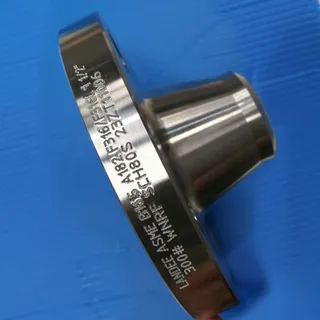
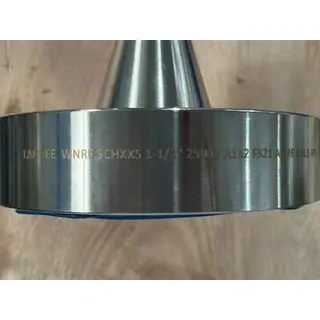
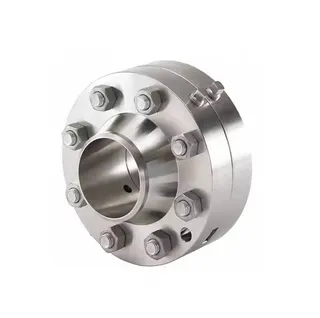
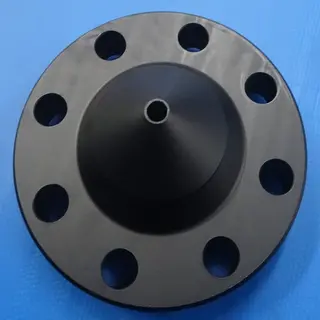
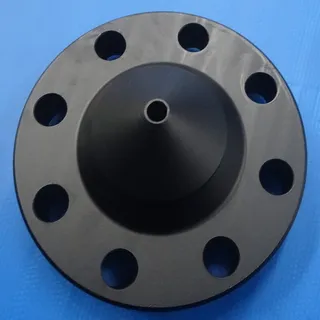
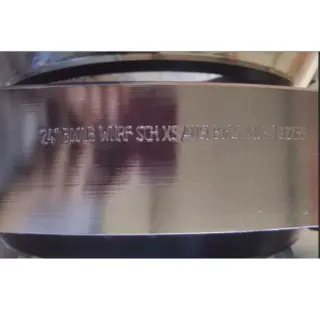
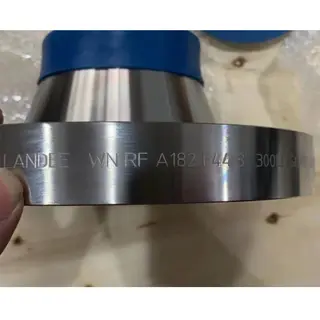
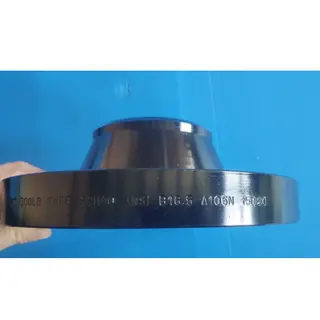
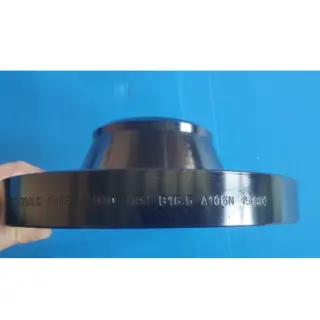
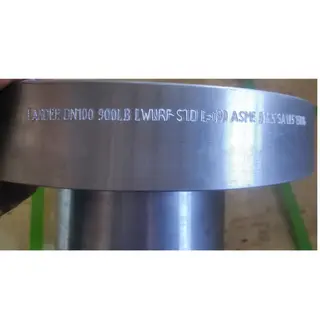
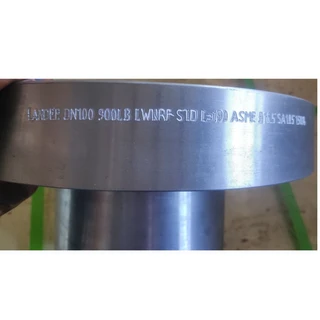
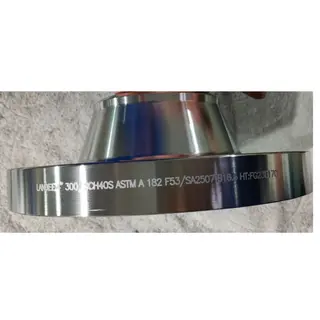
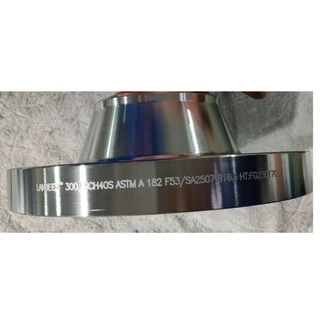
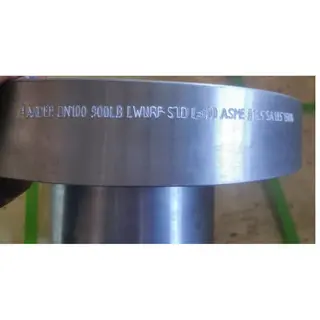
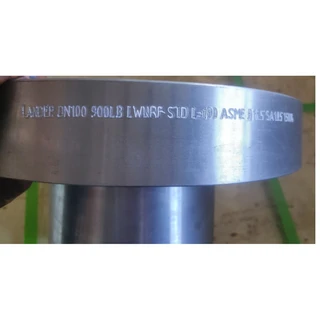
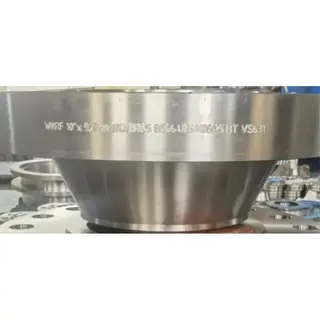
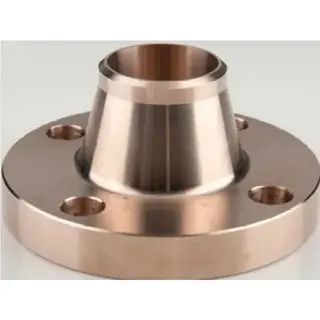
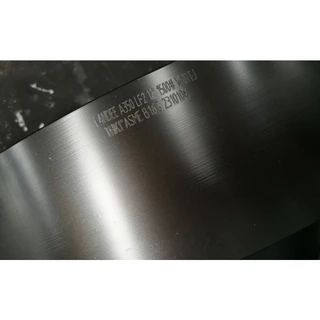
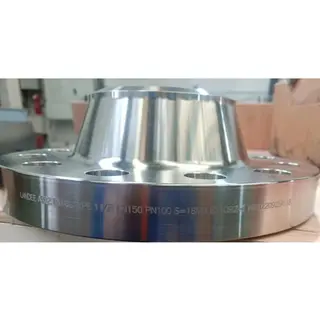
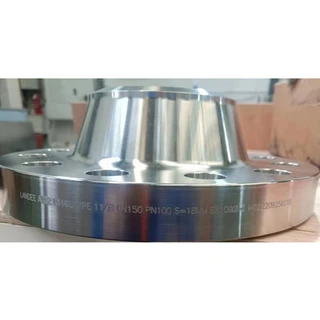
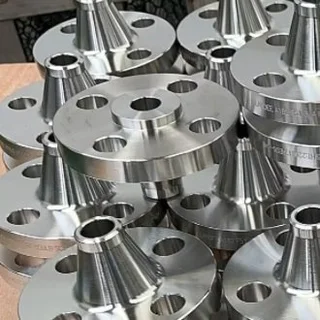
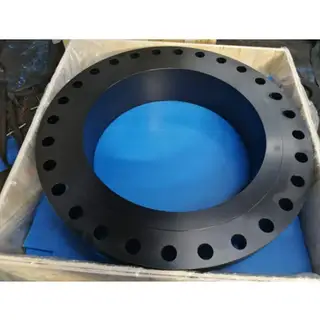
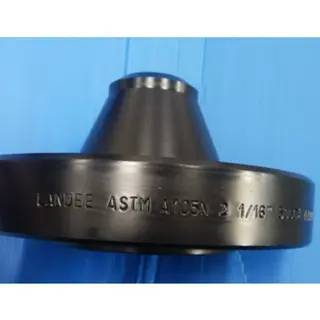
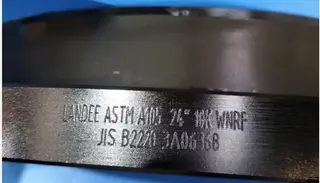
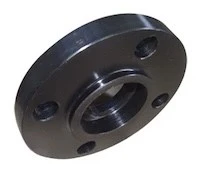
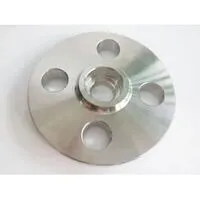
The welded neck flanges industry comprises the design, manufacturing, and application of flanges characterized by a long tapered hub that is butt-welded to piping systems, providing superior strength, leak integrity, and stress distribution in high-pressure, high-temperature, and critical service applications. As premium connection components, they are essential in industries where safety, reliability, and long-term performance are paramount.
Key Product Categories
-
By Design Specifications:
-
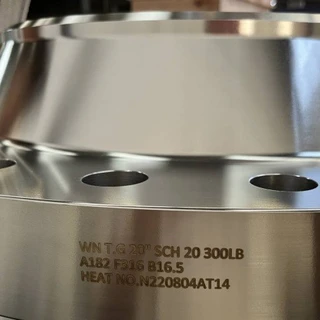
Standard Welded Neck Flanges: ANSI/ASME B16.5, B16.47 Series A & B
-
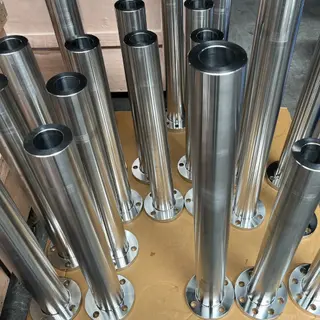
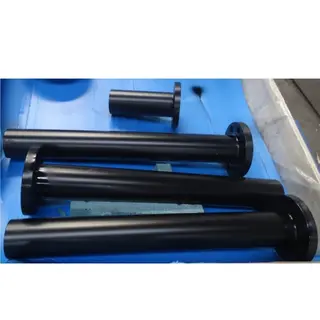
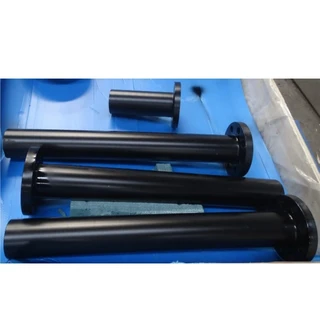
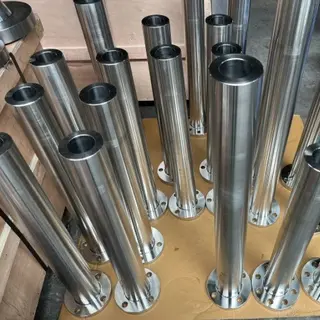
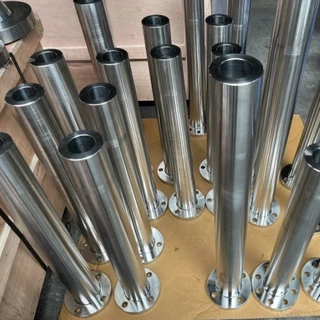
Long Welding Neck (LWN) Flanges: Extended hub for vessel nozzles and heat exchangers
-
Special Hub Designs: Heavy barrel, extra heavy, and custom tapered geometries
-
Integral Flanges: Forged as one piece with piping or equipment nozzles
-
-
By Pressure Class:
-
ANSI Classes: 150, 300, 600, 900, 1500, 2500
-
PN Ratings: PN6 to PN400 (EN 1092-1, DIN standards)
-
High-Pressure Specials: For hydraulic, thermal, and nuclear applications
-
-
By Material Grades:
-
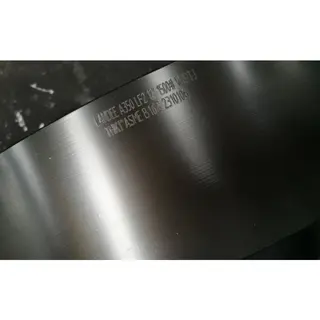
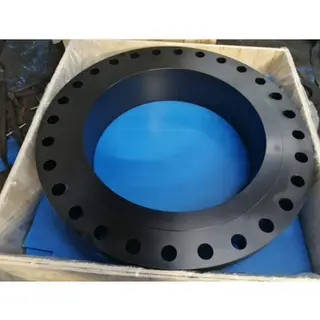
Carbon Steel: ASTM A105, A350 LF2, A694 F52/F60/F65
-
Stainless Steel: ASTM A182 F304/304L, F316/316L, F321, F347
-
Alloy Steel: ASTM A182 F11, F22, F91, F92
-
Nickel Alloys: Monel, Inconel, Hastelloy, Incoloy
-
Duplex/Super Duplex: UNS S31803, S32750, S32760
-
-
By End-Facing Types:
-
Raised Face (RF): Standard for gasket seating
-
Flat Face (FF): Full-face gasket applications
-
Ring-Type Joint (RTJ): High-pressure metal seal
-
Tongue & Groove (T&G): Precision alignment applications
-
Male & Female (M&F): Recessed seal applications
-
-
By Application Focus:
-
Oil & Gas: Pipeline, refinery, offshore platforms (API 6A, NACE MR0175)
-
Power Generation: Boiler connections, steam lines, turbine piping
-
Chemical & Petrochemical: Reactor nozzles, high-pressure process lines
-
Nuclear Industry: RCC-M, ASME Section III Class 1, 2, 3
-
Water & Wastewater: High-pressure pumping and transmission systems
-
Technology & Innovation Trends
-
Advanced Manufacturing:
-
Closed-die forging with precision CNC machining
-
Robotic welding preparation and weld overlay automation
-
Non-destructive testing (RT, UT, PT, MT) integration in production lines
-
Heat treatment tracking with IoT-enabled furnace controls
-
-
Material & Coating Technology:
-
Corrosion-resistant alloy (CRA) weld overlays (Inconel 625, Stellite)
-
Internal lining systems for corrosive service
-
High-temperature oxidation-resistant coatings
-
Cryogenic material treatments for LNG applications
-
-
Digital Integration:
-
QR code/RFID traceability from forging to installation
-
Digital twin integration for stress analysis and fatigue life prediction
-
Automated weld procedure qualification and documentation
-
Cloud-based flange management systems
-
-
Sustainability & Efficiency:
-
Lightweight optimized designs reducing material usage
-
Energy-efficient forging and heat treatment processes
-
Recycling programs for flange reconditioning and reuse
-
Low-emission manufacturing technologies
-
Global Market Drivers
-
Expansion of high-pressure oil & gas pipelines and LNG terminals
-
Power plant upgrades and new nuclear/thermal plant construction
-
Petrochemical industry capacity additions in Asia and Middle East
-
Renewable energy projects (hydrogen pipelines, geothermal, CCUS)
-
Stringent safety and emission regulations (ISO 15848, API 6A)
-
Infrastructure replacement in aging industrial plants
-
Offshore wind farm installation and subsea applications
Major Players & Value Chain
-
Global Forging Specialists: FLOWSERVE, IMI Critical Engineering, Pro-Flange, Texas Flange
-
Integrated Steel & Forging Groups: Nippon Steel, JSW, Bharat Forge, China Baowu
-
Regional Leaders: India (Rashmi Group, Metal Forgings), China (Jiangsu Sheye, Zhongke)
-
Specialty Alloy Suppliers: Carpenter Technology, VDMA, Special Metals
-
Value Chain: Steel alloy production → forging → machining → heat treatment → testing/certification → distribution → fabrication/welding → end-user
Challenges & Opportunities
-
Challenges:
-
High capital intensity and long production lead times
-
Skilled labor shortage in forging and welding trades
-
Raw material price volatility (alloying elements)
-
Competition from alternative connection methods
-
Complex certification requirements for nuclear/aerospace
-
-
Opportunities:
-
Hydrogen economy infrastructure development
-
Digital flange lifecycle management services
-
Additive manufacturing for complex geometries
-
Offshore and subsea market expansion
-
Aftermarket services: re-machining, weld repair, re-certification
-
Emerging market energy infrastructure growth
-