Industry Definition & Scope
The toilet seats industry encompasses the design, manufacturing, distribution, and retail of toilet seat products and related accessories. This specialized sector serves residential, commercial, and institutional markets globally, providing functional, hygienic, and aesthetic solutions for sanitation fixtures. The industry has evolved from basic utilitarian products to sophisticated lifestyle items incorporating advanced materials, smart technologies, and ergonomic designs.
Market Segmentation & Product Categories
By Product Type
-
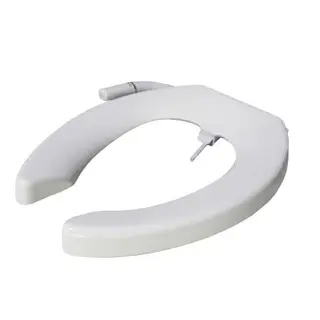
Standard/Conventional Seats: Basic plastic or wood seats with traditional hinge systems
-
Soft-Close Seats: Hydraulic or pneumatic mechanisms for silent, controlled descent
-
Heated Seats: Electrically heated seats with temperature control settings
-
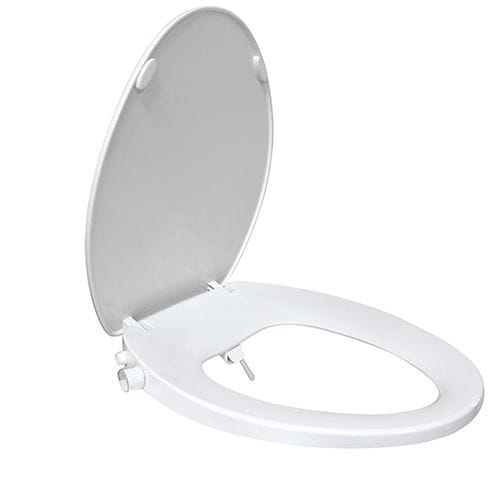
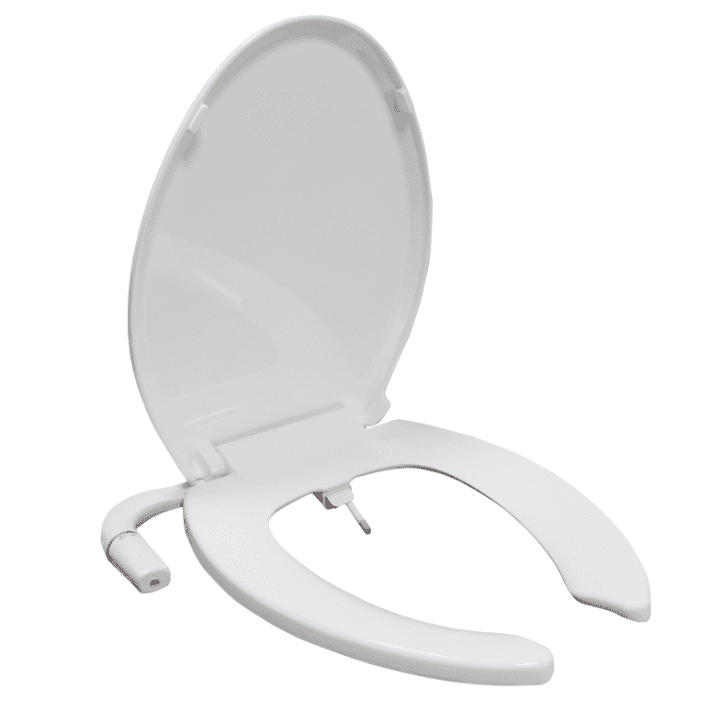
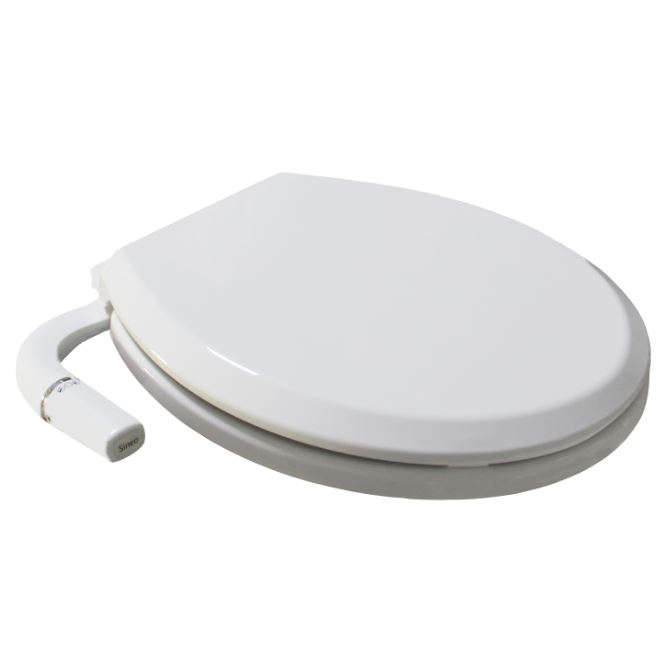
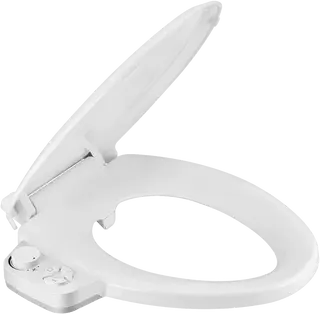
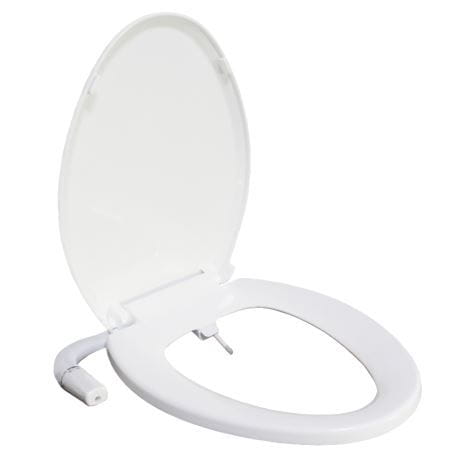
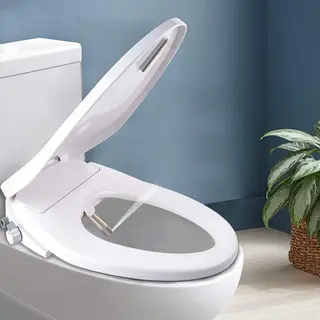
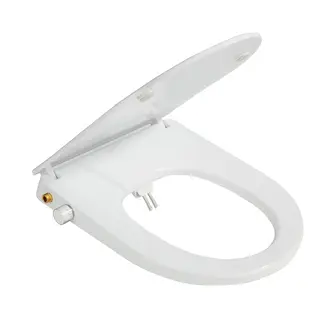
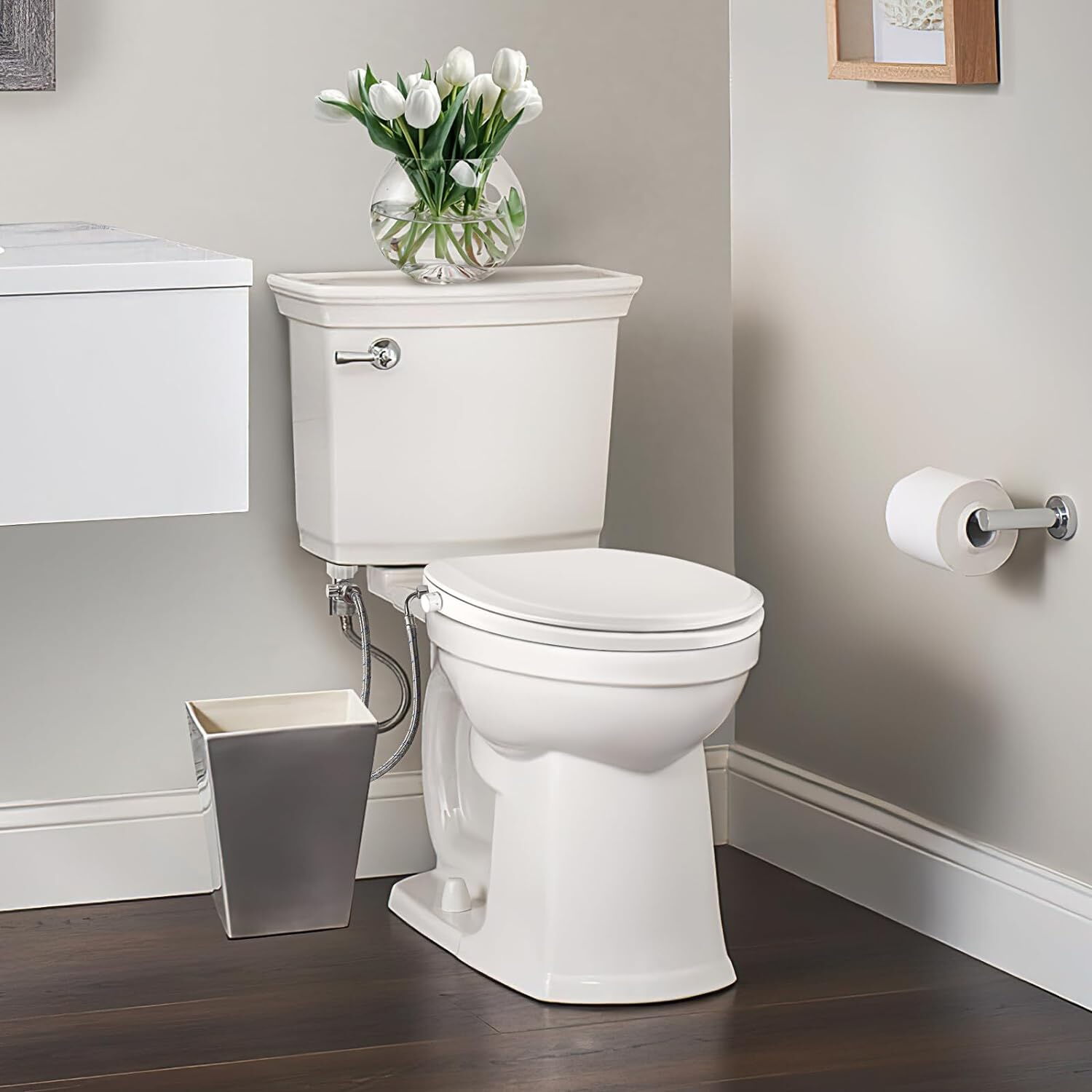
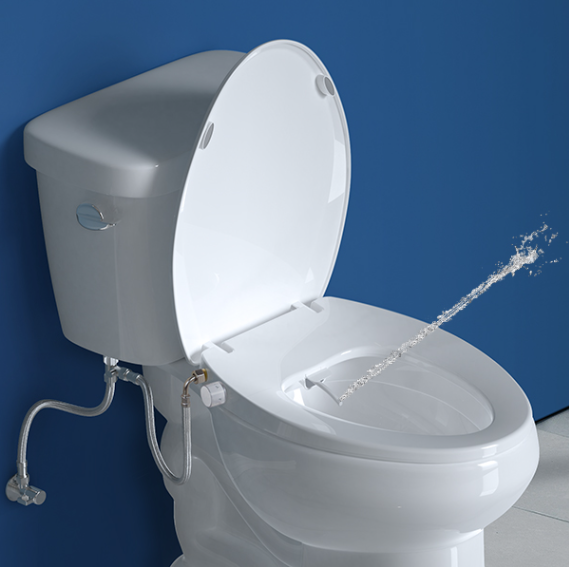
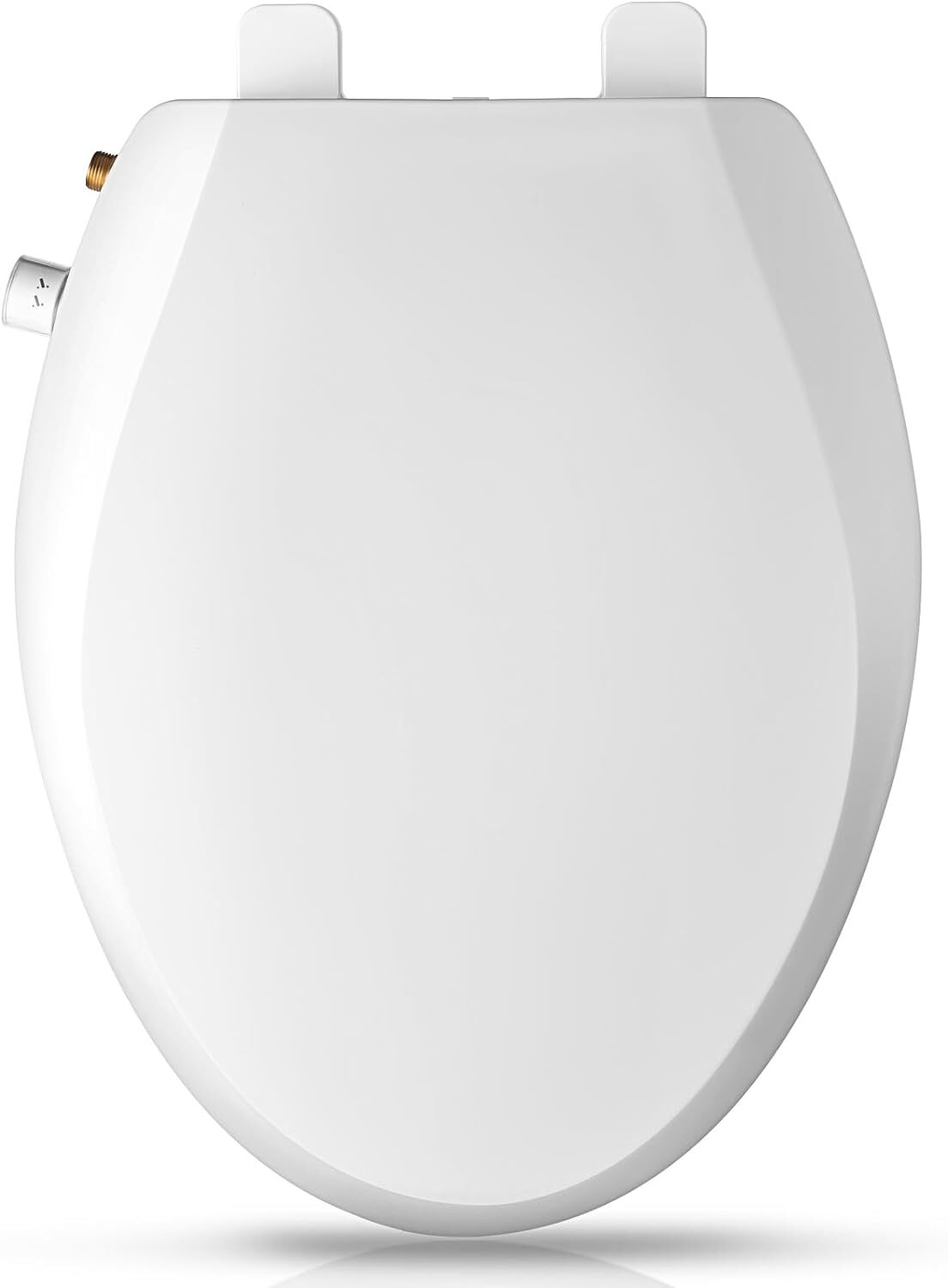
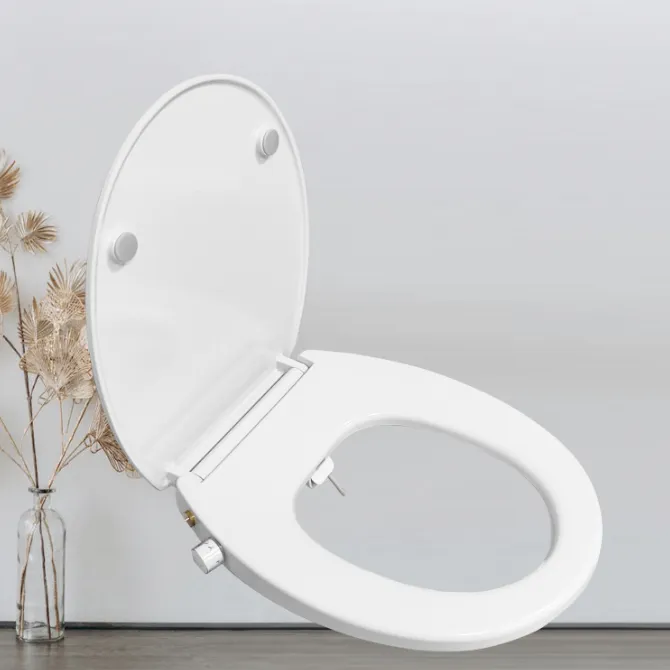
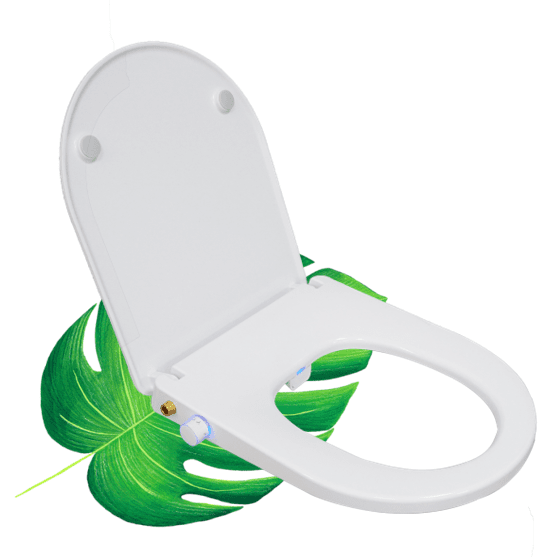
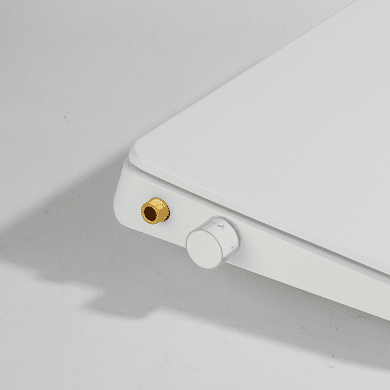
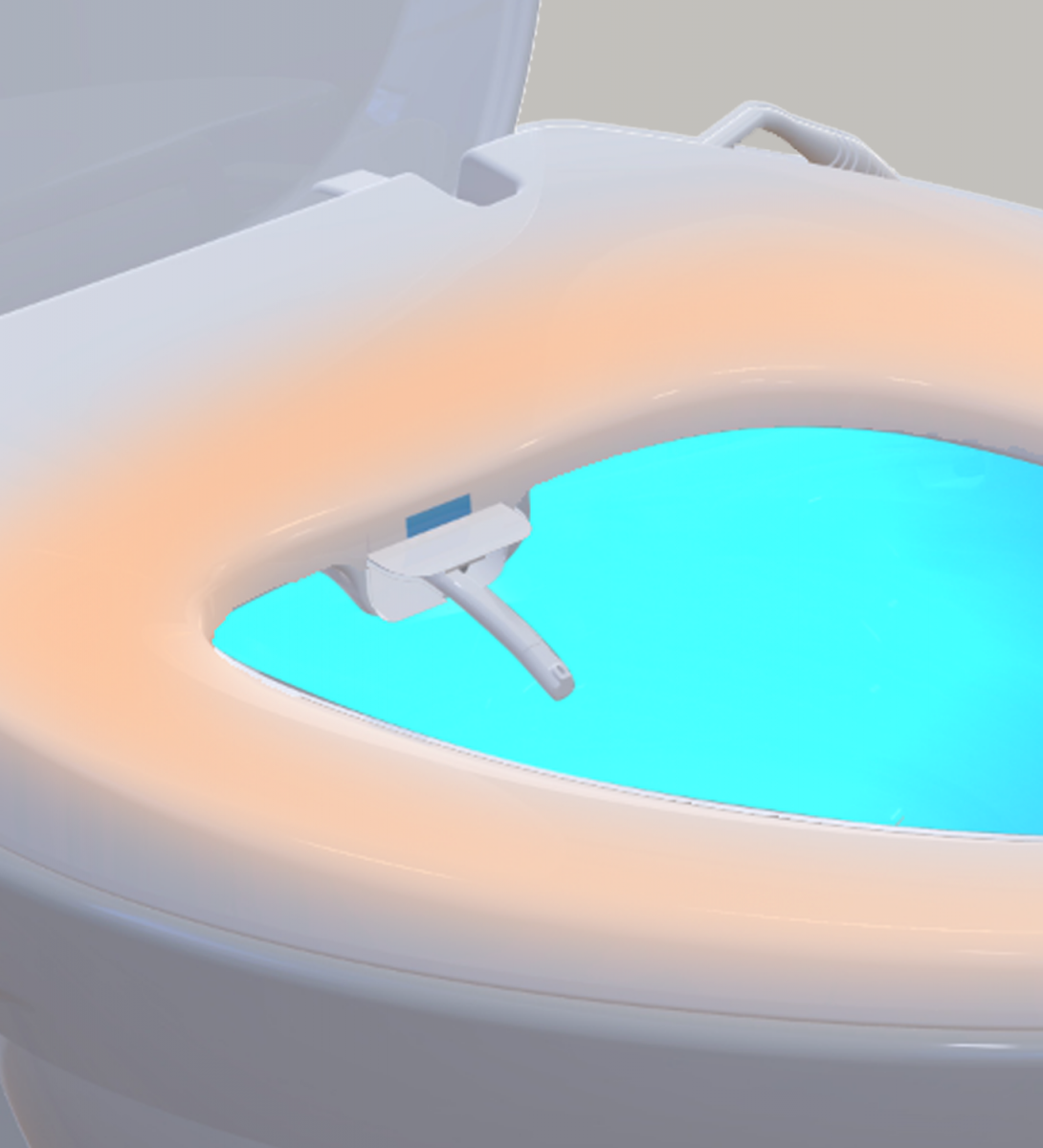
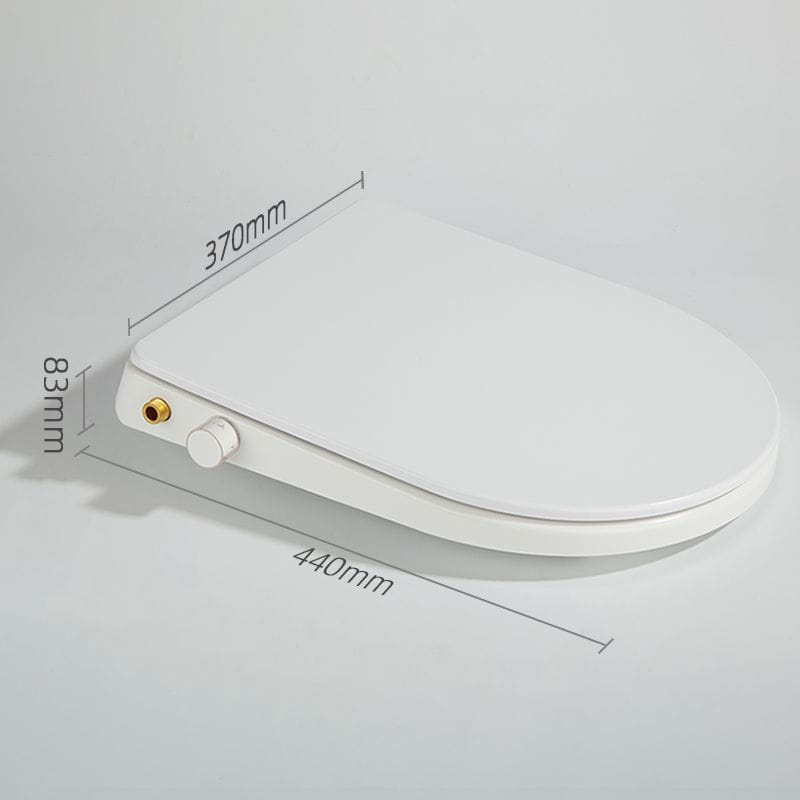
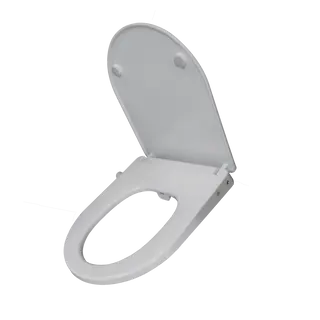
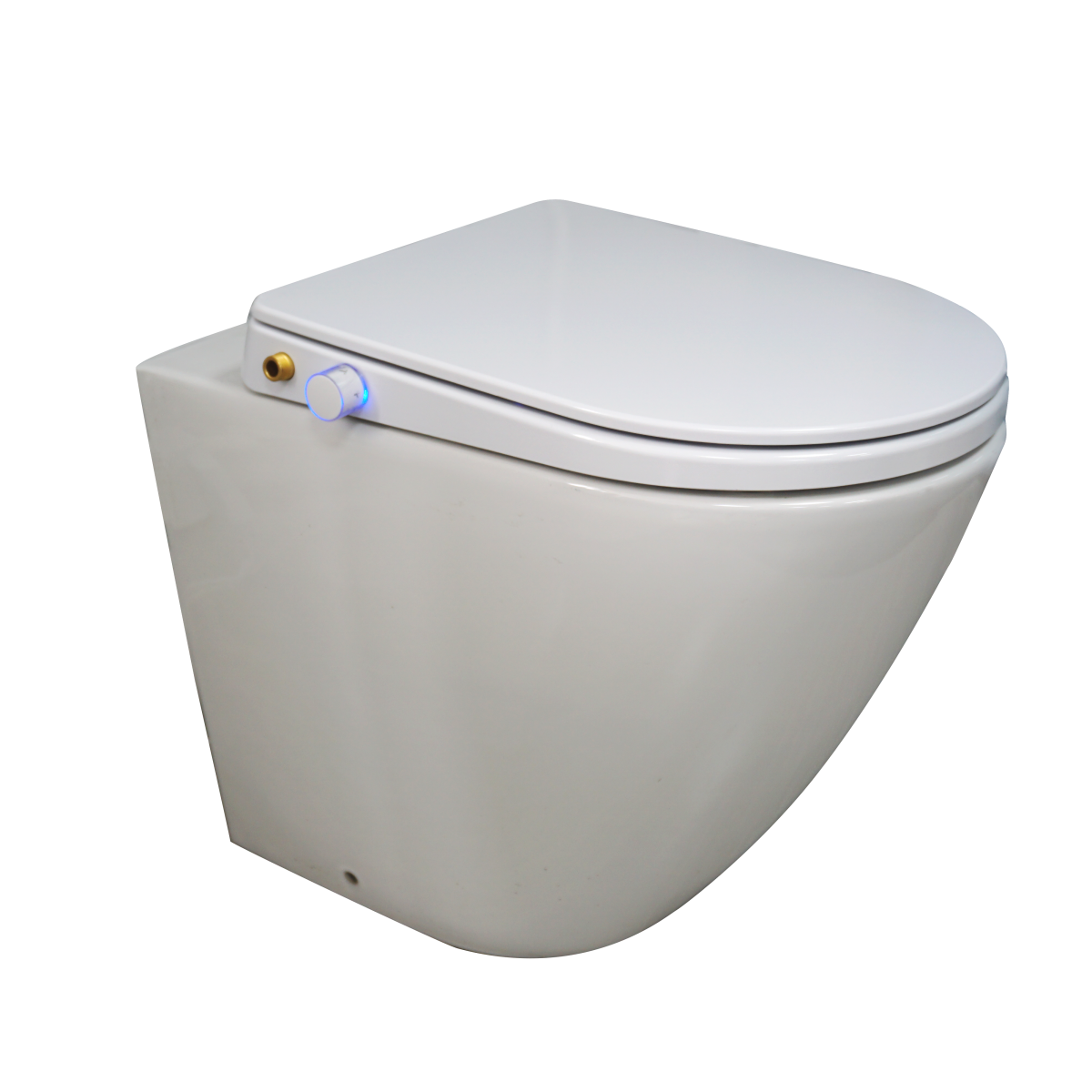
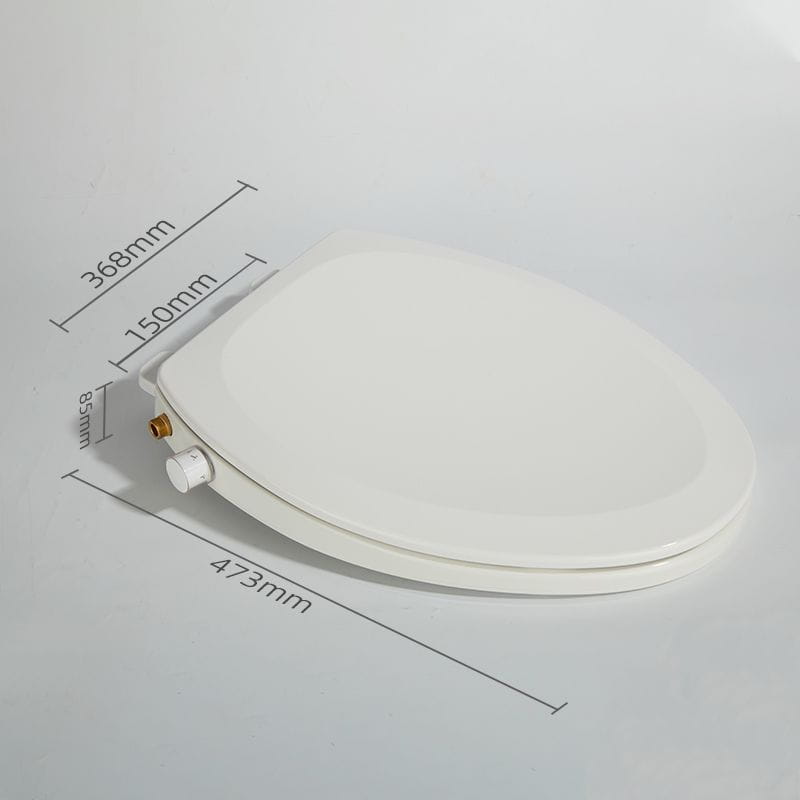
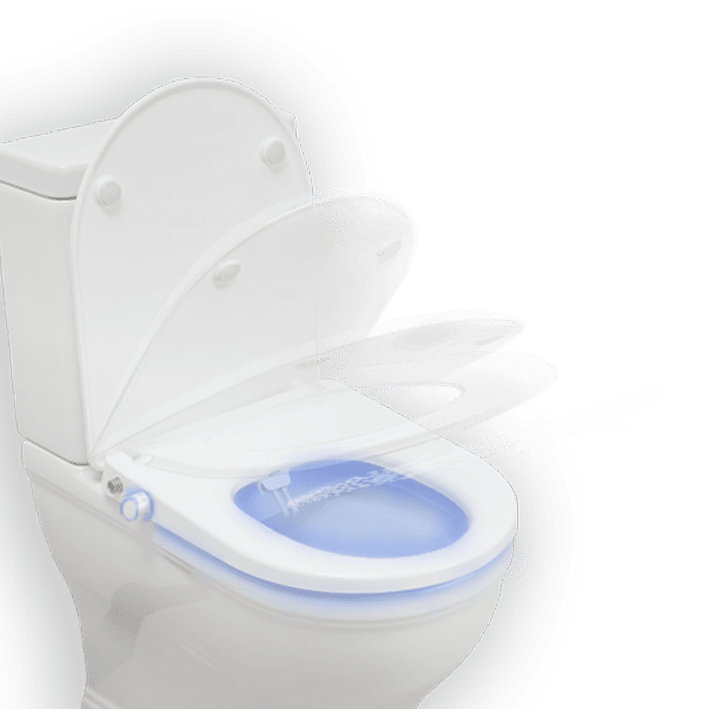
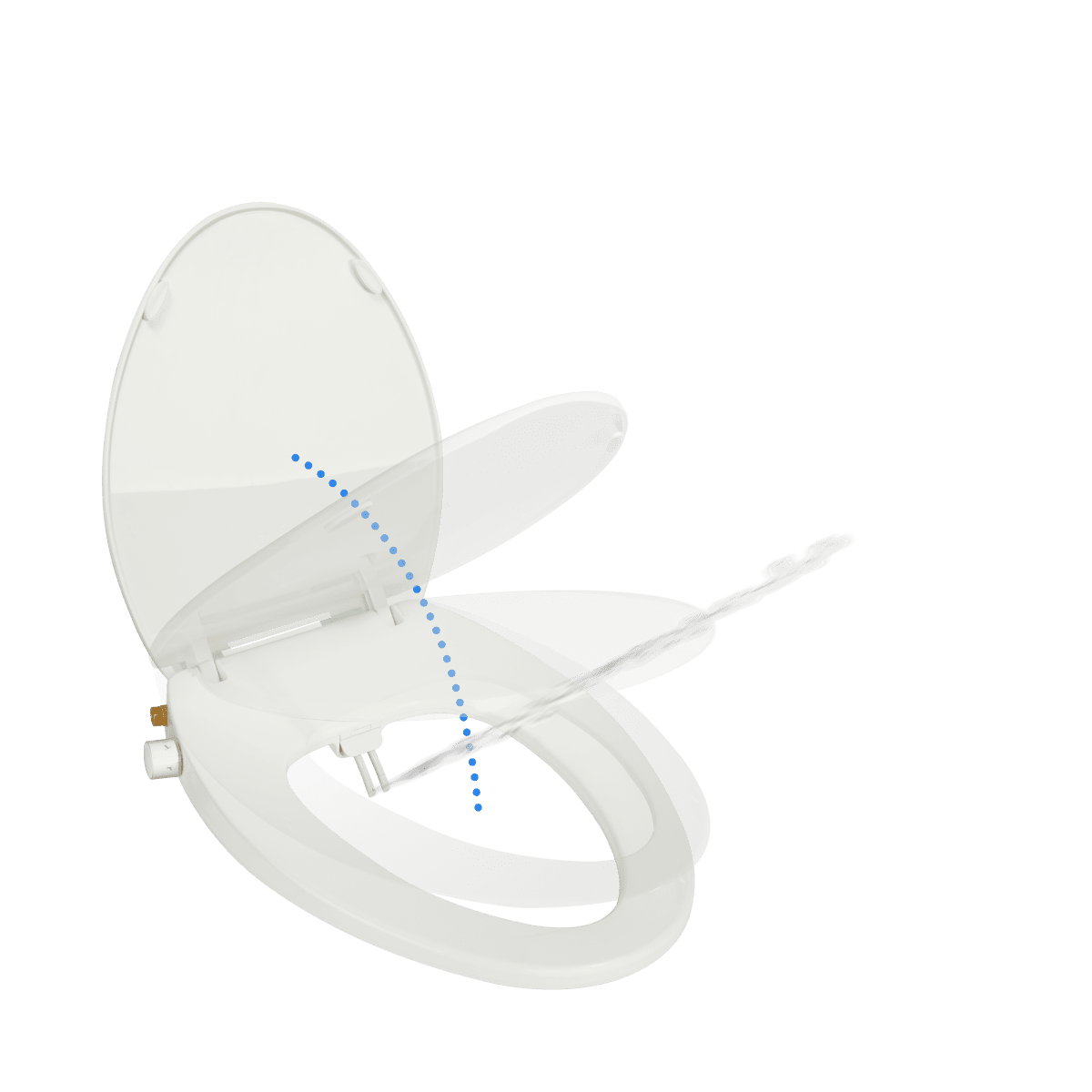
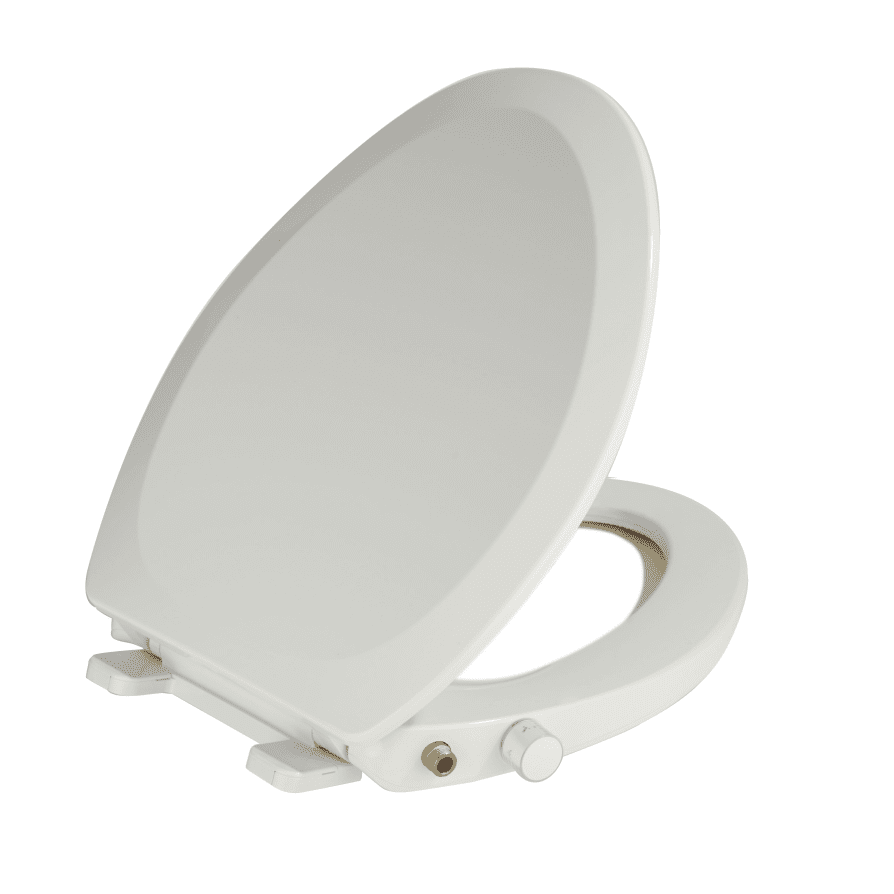
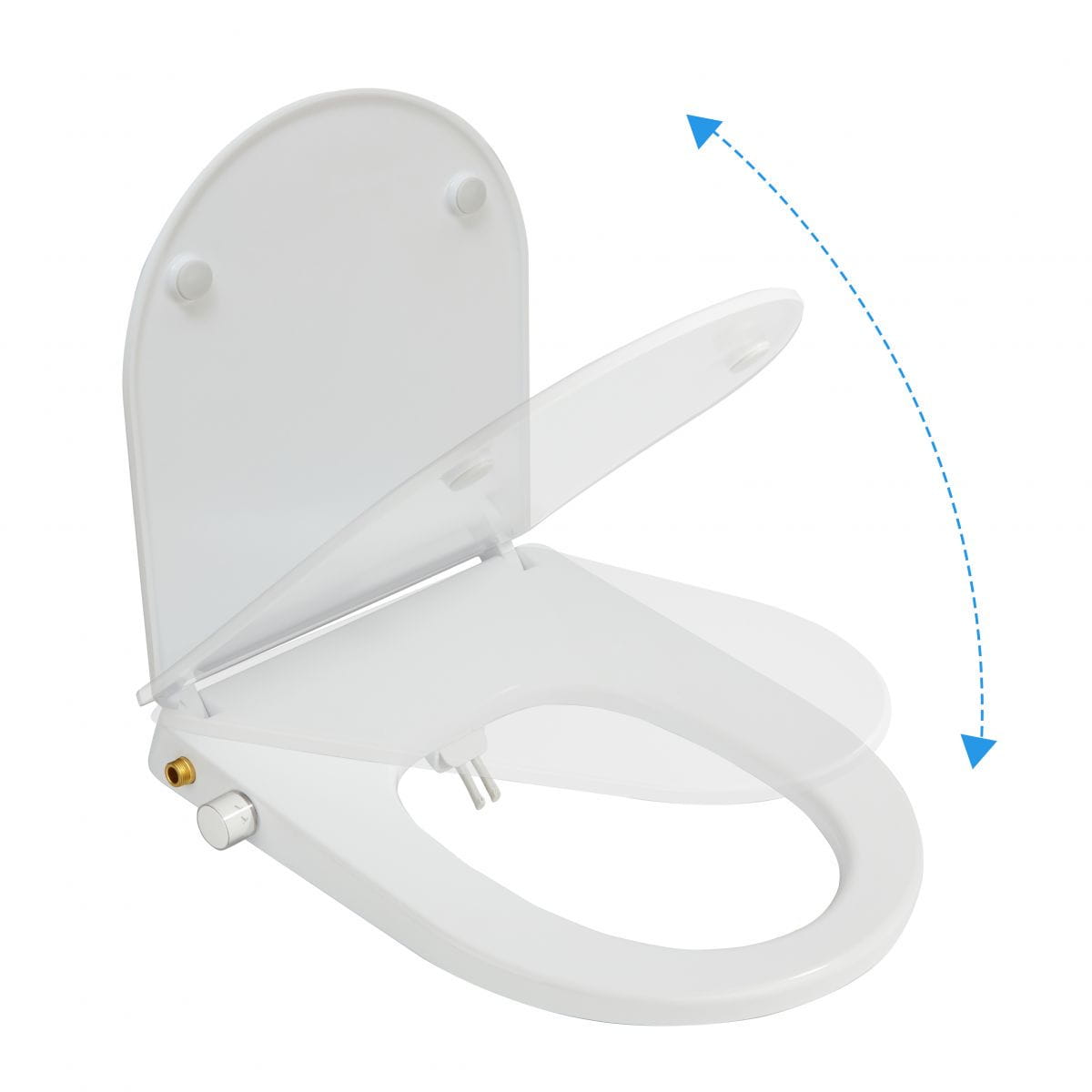
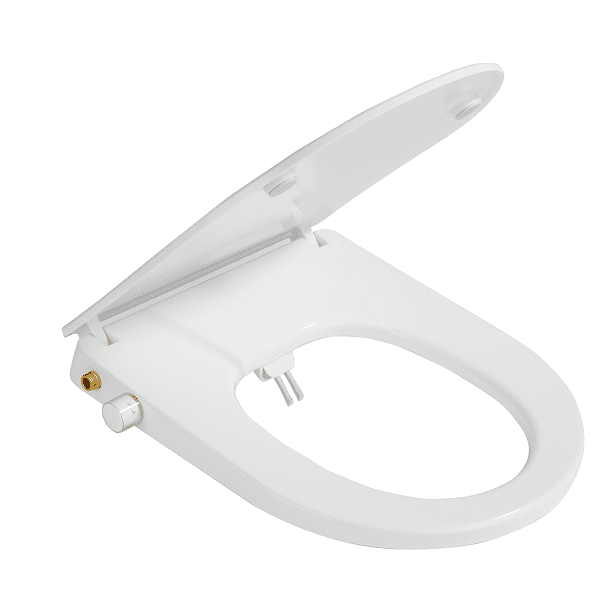
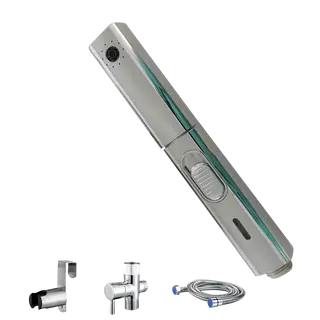
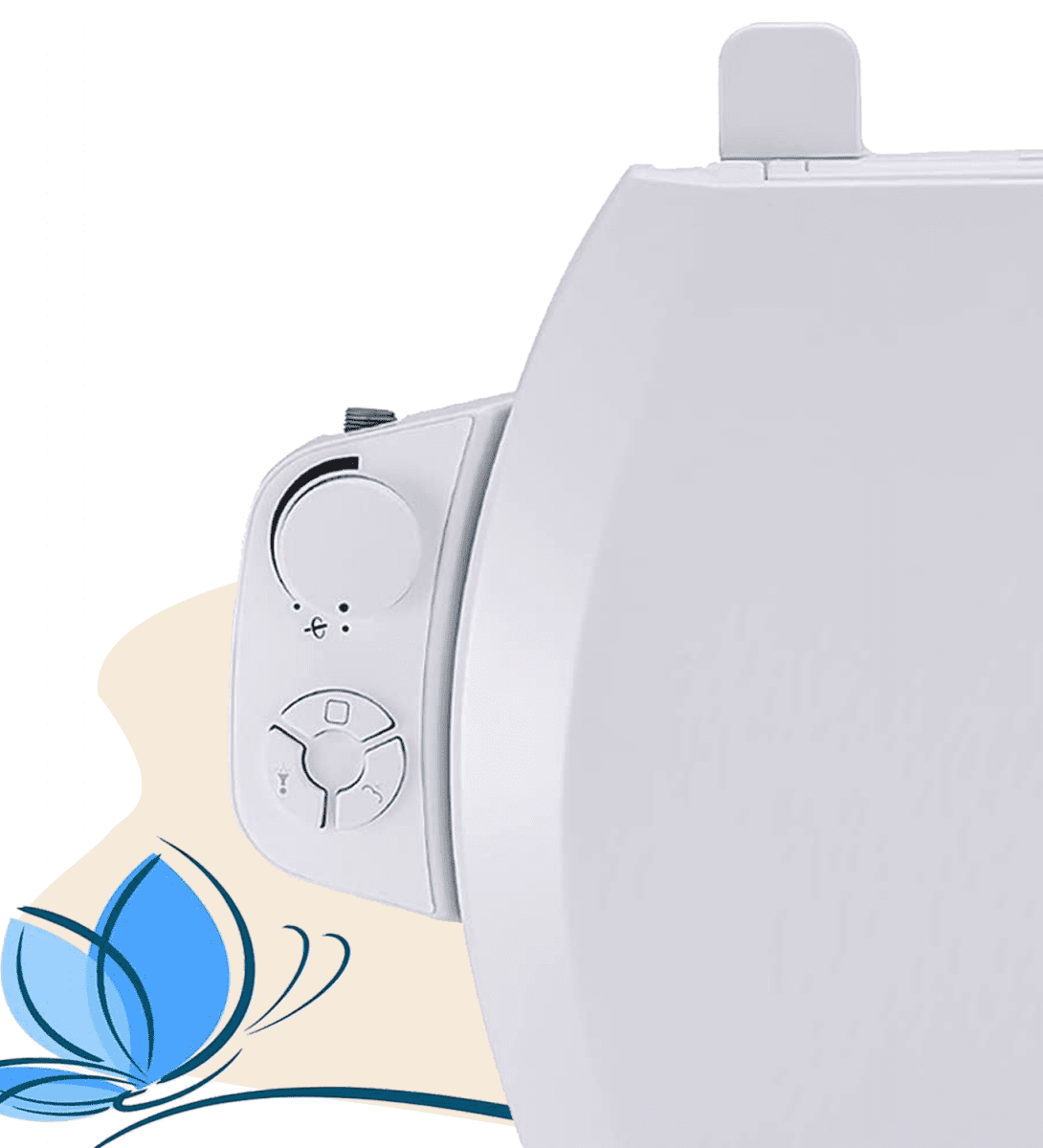
Bidet/Integrated Hygiene Seats: Seats incorporating washing, drying, and deodorizing functions
-
Smart Seats: IoT-enabled seats with app control, health monitoring, and automation features
-
Specialty Seats: Pediatric seats, elevated/comfort height seats, offset seats for non-standard bowls
-
Decorative/Luxury Seats: Designer materials (hardwood, bamboo, metal), customized finishes, and artistic designs
By Material Composition
-
Plastic/Polymer: Duroplast, polypropylene, ABS (most common, cost-effective)
-
Wood & Wood Composites: Solid wood, molded wood, plywood (traditional, aesthetic appeal)
-
Bamboo & Natural Fibers: Sustainable, antimicrobial options
-
Metals: Stainless steel, aluminum (commercial/institutional durability)
-
Composite Materials: Fiberglass-reinforced, ceramic composites
By Price Tier
-
Economy/Budget: Basic functional seats ($10-$50)
-
Mid-Market: Enhanced features, better materials ($50-$200)
-
Premium: Advanced features, premium materials ($200-$500)
-
Luxury: Custom designs, smart technology integration ($500+)
Technology & Innovation Trends
-
Smart Integration: Bluetooth connectivity, app-controlled settings, voice activation
-
Health Monitoring: Integrated sensors for urinalysis, body composition, vital signs
-
Advanced Hygiene: UV-C sterilization, antimicrobial coatings, self-cleaning surfaces
-
Energy Efficiency: Low-power heating systems, automatic sleep modes
-
Universal Design: Accessibility features for elderly and disabled users
-
Sustainable Materials: Recycled plastics, rapidly renewable resources, biodegradable options
-
Customization Tech: 3D printing for personalized designs and perfect fit
Manufacturing & Supply Chain
-
Raw Materials: Polymer pellets, wood composites, electronic components, hardware
-
Production Methods: Injection molding, compression molding, CNC machining, hand finishing
-
Quality Standards: ANSI, CSA, ISO certifications for safety and performance
-
Global Production Hubs: China, United States, Europe, Southeast Asia
-
Distribution Channels: Plumbing suppliers, home improvement retailers, online marketplaces, specialty bath stores
Key Market Drivers
-
Renovation & Remodeling Cycles: Home improvement trends driving replacement demand
-
Hygiene Awareness: Post-pandemic focus on cleanliness and germ prevention
-
Aging Population: Demand for comfort height and accessibility features
-
Smart Home Adoption: Integration with connected bathroom ecosystems
-
Sustainability Trends: Eco-friendly materials and manufacturing processes
-
Commercial Standards: Healthcare, hospitality, and institutional specifications
-
Design Consciousness: Bathroom aesthetics as interior design focus
Regional Market Characteristics
-
North America: High soft-close adoption, growing smart seat market
-
Europe: Strong design focus, environmental regulations influence materials
-
Asia-Pacific: Technology leadership (Japan/S.Korea), rapid urbanization driving demand
-
Latin America: Basic to mid-range growth, price sensitivity
-
Middle East/Africa: Luxury segment growth, institutional market development
Consumer Behavior Patterns
-
Replacement Cycle: Average 5-7 years for residential seats
-
Purchase Drivers: Comfort, ease of cleaning, safety features, aesthetic match
-
Installation Preferences: DIY installation vs. professional service
-
Brand Awareness: Varies significantly by region and demographic
-
Information Sources: Online reviews, retailer recommendations, social media
Major Industry Players
-
Global Manufacturers: Bemis, Kohler, TOTO, Roca, Geberit, American Standard
-
Specialty Brands: Brondell, Bio Bidet, Comfort Seat, BidetMate
-
Retail & Distribution: Home Depot, Lowe's, Amazon, Ferguson, Wayfair
-
Commercial Suppliers: Bobrick, Bradley, ASI
Regulatory & Standards Environment
-
Safety Standards: Weight capacity, stability, pinch point prevention
-
Material Regulations: VOC emissions, lead content, fire resistance
-
Electrical Standards: UL/ETL certification for heated and smart seats
-
Water Efficiency: Indirect impact through toilet compatibility
-
Accessibility Codes: ADA compliance requirements
Environmental Considerations
-
Material Sourcing: Sustainable forestry, recycled content
-
Manufacturing Impact: Energy consumption, waste management
-
Product Lifespan: Durability and reparability
-
End-of-Life: Recyclability, disposal challenges for electronic components
-
Carbon Footprint: Transportation, packaging optimization
Industry Challenges
-
Price Sensitivity: Consumer resistance to premium pricing
-
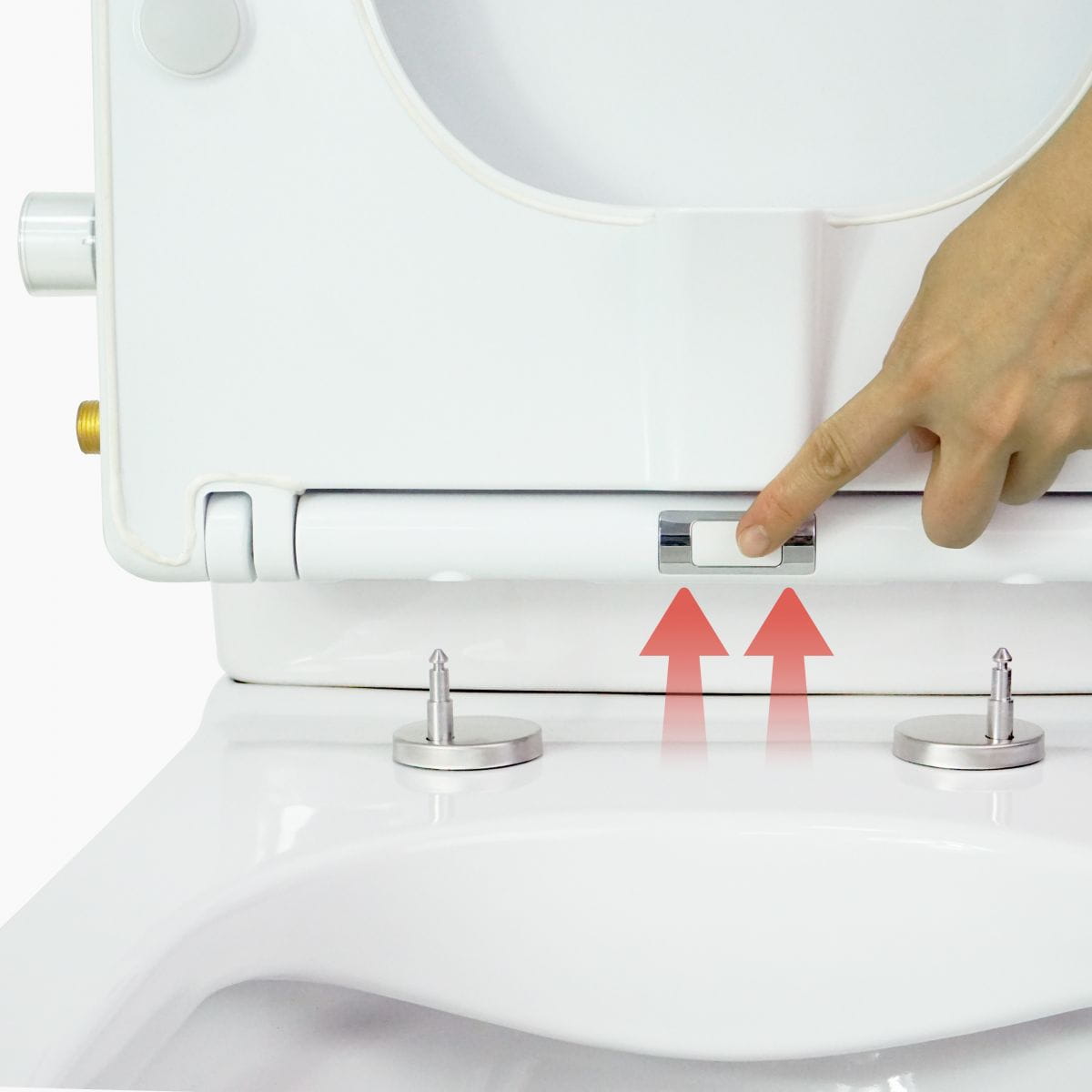
Installation Complexity: Non-standard fittings and mounting systems
-
Quality Perception: Commoditization of basic products
-
Technology Adoption Barriers: Privacy concerns with smart features
-
Supply Chain Disruptions: Material shortages, logistics challenges
-
Counterfeit Products: Online market proliferation of imitation goods
Future Outlook & Opportunities
-
Health Tech Integration: Expansion into preventive healthcare monitoring
-
Customization Growth: Personalized designs and perfect-fit solutions
-
Subscription Models: Regular replacement and maintenance services
-
Commercial Innovation: Smart public restroom management systems
-
Circular Economy: Take-back programs and material recovery
-
Global Market Expansion: Emerging middle-class adoption in developing regions
-
Wellness Integration: Connection to broader bathroom wellness ecosystems
Economic Indicators
-
Market Size: Global market estimated at $3.5+ billion annually
-
Growth Rate: 4-6% CAGR driven by premiumization and technology adoption
-
Profit Margins: Higher in premium/smart segments vs. basic products
-
Employment Impact: Manufacturing, distribution, installation, and service jobs
-
Trade Dynamics: Significant import/export flows between manufacturing and consumer regions




_0TpZ9z.png)
-320x320.webp)