Industry Definition & Scope
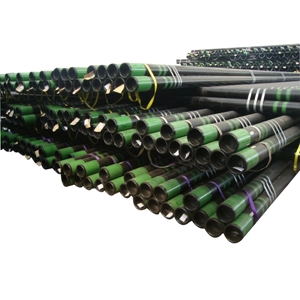
The steel pipes industry involves the manufacturing, processing, and distribution of hollow cylindrical products made primarily from steel, used for conveying fluids, gases, solids, and structural applications across virtually every sector of the global economy. As one of the most fundamental industrial components, steel pipes form the circulatory system of modern infrastructure, energy distribution, construction, and manufacturing.
Key Product Categories
-
By Manufacturing Process:
-
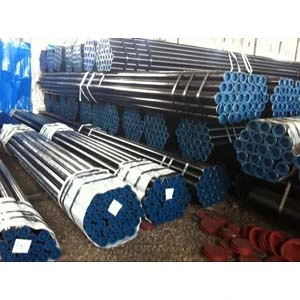
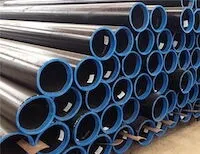
Seamless Steel Pipes: Produced through extrusion, rotary piercing, or mandrel rolling (ASTM A106, API 5L)
-
Welded Steel Pipes:
-
ERW (Electric Resistance Welded): General purpose pipes
-
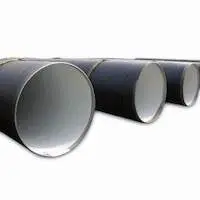
LSAW (Longitudinal Submerged Arc Welded): Large diameter line pipes
-
SSAW/Spiral Welded: Spiral seam pipes for water and piling
-
HFW (High Frequency Welded): Precision welded pipes
-
-
Cast Iron Pipes: Centrifugally cast for water and sewage systems
-
Galvanized Steel Pipes: Zinc-coated for corrosion resistance
-
-
By Material Composition:
-
Carbon Steel Pipes: Low, medium, and high carbon grades (ASTM A53, A106)
-
Alloy Steel Pipes: Chrome-molybdenum, nickel-alloyed (ASTM A335)
-
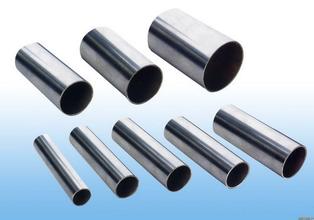
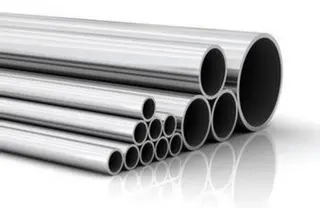
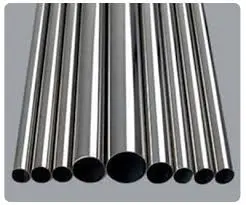
Stainless Steel Pipes: Austenitic, ferritic, duplex grades (ASTM A312)
-
High-Strength Low-Alloy (HSLA) Pipes: Micro-alloyed for pipelines (API 5L X-series)
-
-
By Application Segments:
-
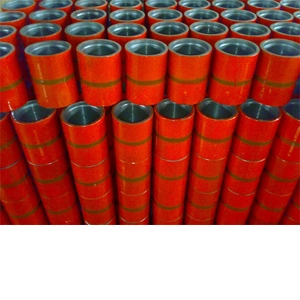
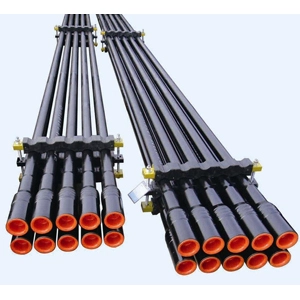
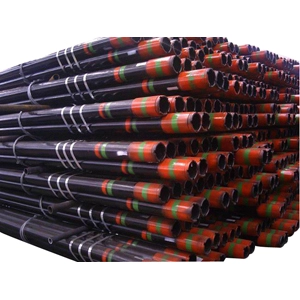
Oil & Gas: Line pipes, OCTG (casing, tubing, drill pipe), process piping
-
Water & Wastewater: Transmission mains, distribution pipes, sewer lines
-
Construction & Infrastructure: Structural tubes, piling, scaffolding
-
Power Generation: Boiler tubes, heat exchangers, condenser tubes
-
Mechanical & Engineering: Hydraulic cylinders, bearing sleeves, machinery parts
-
Automotive & Transportation: Exhaust systems, chassis components, fluid lines
-
Mining & Industrial: Slurry transportation, ventilation, material handling
-
-
By Standards & Specifications:
-
API Standards: API 5L (Line Pipe), API 5CT (Casing & Tubing)
-
ASTM Standards: A53, A106, A120, A500, A501
-
ASME Standards: SA53, SA106, SA179, SA213
-
ISO Standards: ISO 3183, ISO 4200
-
Regional Standards: EN (Europe), JIS (Japan), GB/T (China), IS (India)
-
Technology & Innovation Trends
-
Advanced Manufacturing Technologies:
-
Continuous casting and direct rolling integration
-
JCOE/UOE forming processes for large-diameter pipes
-
Online heat treatment and quenching systems
-
Automated ultrasonic and electromagnetic inspection
-
Industry 4.0 smart factories with real-time process control
-
-
Material Science Advancements:
-
Thermo-mechanical controlled processing (TMCP) for high-strength pipes
-
Corrosion-resistant alloys for harsh environments
-
Lightweight high-strength steel grades
-
Composite and clad pipe technologies
-
-
Digital Transformation:
-
IoT-enabled pipe tracking throughout the supply chain
-
Digital twins for pipe integrity management and predictive maintenance
-
AI-based defect detection and quality assurance
-
Blockchain for material traceability and certification
-
BIM (Building Information Modeling) integration for construction
-
-
Sustainability & Green Technologies:
-
Electric arc furnace production using recycled scrap
-
Energy-efficient manufacturing processes
-
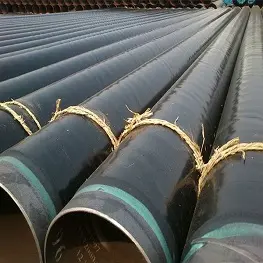
Coatings and linings for extended service life
-
Hydrogen-ready pipe developments
-
Carbon capture and storage compatible pipelines
-
Global Market Drivers
-
Global energy infrastructure development (oil, gas, hydrogen, renewables)
-
Urbanization and water infrastructure investments worldwide
-
Industrialization in emerging economies (Asia, Africa, Middle East)
-
Replacement of aging pipelines in developed countries
-
Construction industry growth (residential, commercial, infrastructure)
-
Power generation capacity expansion (conventional and renewable)
-
Automotive and transportation sector developments
-
Government infrastructure stimulus programs
Major Players & Value Chain
-
Global Steel Producers: ArcelorMittal, Baowu Group, Nippon Steel, POSCO, Tata Steel
-
Specialty Pipe Manufacturers: Tenaris, Vallourec, TMK, JFE Steel, Hyundai Steel
-
Regional Leaders: China (TPCO, Baosteel), India (SAIL, Jindal), Russia (TMK, ChelPipe)
-
Value Chain: Iron ore mining → steelmaking → pipe forming → heat treatment → coating/processing → testing/certification → distribution → construction/fabrication → end-use
Challenges & Opportunities
-
Challenges:
-
Volatility in raw material (iron ore, scrap) prices
-
Overcapacity in certain regions and product segments
-
Environmental regulations and decarbonization pressures
-
Competition from alternative materials (plastics, composites)
-
Trade protectionism and tariffs
-
Technical requirements for extreme environments (deepwater, Arctic)
-
-
Opportunities:
-
Hydrogen pipeline infrastructure development
-
Carbon capture, utilization, and storage (CCUS) projects
-
Digital pipeline management and integrity services
-
Emerging market infrastructure investments
-
Circular economy through steel recycling
-
Smart coating and corrosion monitoring technologies
-
Modular and prefabricated piping systems
-