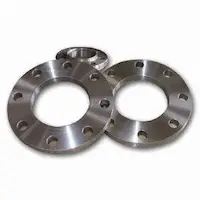
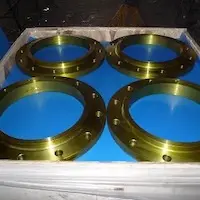
Industry Definition & Scope
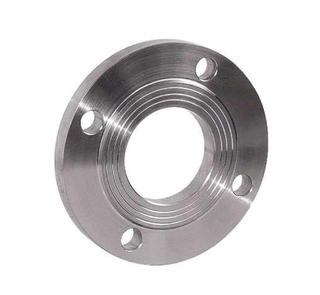
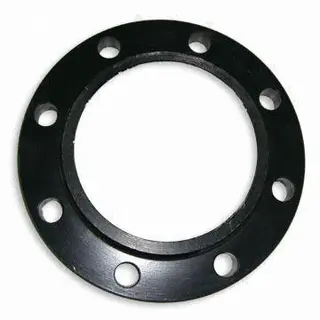
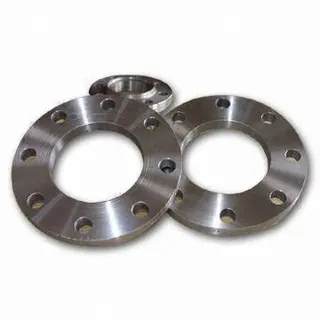
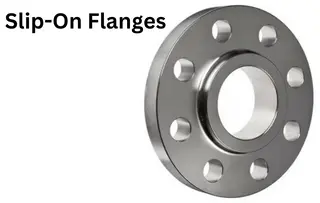
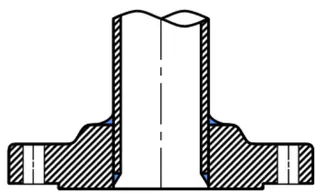
The slip-on flanges industry involves the design, manufacturing, and application of pipe flanges characterized by a bore slightly larger than the pipe's outer diameter, allowing them to "slip over" the pipe before being fillet-welded both inside and outside. As one of the most common and cost-effective flange types, they are widely used in low-to-medium pressure applications across process industries, HVAC, water systems, and general piping networks where easy alignment and installation efficiency are prioritized.
Key Product Categories
-
By Design Specifications:
-
Standard Slip-On Flanges: ANSI/ASME B16.5, B16.47 Series A & B
-
Reducing Slip-On Flanges: For connecting pipes of different diameters
-
Slip-On Blind Flanges: Solid disc design for temporary or permanent system closure
-
Threaded Slip-On Flanges: Combined slip-on and threaded connection features
-
Raised Face (RF) & Flat Face (FF) Designs: For gasket compatibility
-
-
By Pressure Class:
-
ANSI Classes: 150, 300, 600 (most common), limited use in 900+
-
PN Ratings: PN6 to PN40 (EN 1092-1, DIN 2576)
-
Special Classes: For specific industry standards (AWWA, MSS)
-
-
By Material Grades:
-
Carbon Steel: ASTM A105, A350 LF2
-
Stainless Steel: ASTM A182 F304/304L, F316/316L
-
Alloy Steel: ASTM A182 F11, F22 (limited high-temp applications)
-
Ductile Iron: ASTM A536
-
Non-Ferrous: Bronze, Brass, Aluminum
-
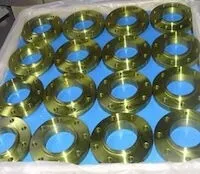
Coated Variants: Galvanized, epoxy-coated for corrosion protection
-
-
By Application Focus:
-
Process Piping: Chemical, pharmaceutical, food & beverage
-
HVAC Systems: Chilled water, heating, ventilation ducts
-
Water Infrastructure: Potable water, wastewater, irrigation
-
Oil & Gas (Low Pressure): Vent lines, drain systems, auxiliary piping
-
Power Generation (Auxiliary Systems): Cooling water, lubricating oil lines
-
Marine & Shipbuilding: Low-pressure seawater and ballast systems
-
Technology & Innovation Trends
-
Advanced Manufacturing Techniques:
-
Laser and plasma cutting for precise bore and face machining
-
Automated fillet welding systems with consistent weld profiles
-
CNC machining for improved flange face flatness and finish
-
Robotic drilling for accurate bolt hole alignment
-
-
Material & Coating Innovations:
-
Hybrid materials with clad surfaces for corrosion resistance
-
Powder-coated and polymer-lined flanges for chemical service
-
Bio-based coatings for environmentally sensitive applications
-
Nano-coatings for enhanced durability in humid environments
-
-
Digital Integration:
-
QR code/RFID tagging for installation and maintenance tracking
-
BIM (Building Information Modeling) compatibility in construction
-
Digital weld procedure documentation and traceability
-
IoT-enabled flange monitoring for leak detection
-
-
Sustainability & Efficiency:
-
Lightweight designs reducing material consumption
-
Optimized welding procedures minimizing heat distortion
-
Recyclable material usage and production waste reduction
-
Energy-efficient manufacturing through induction heating
-
Global Market Drivers
-
Expansion of water and wastewater treatment infrastructure
-
Growth in HVAC installations in commercial and residential construction
-
Industrial plant maintenance and retrofit projects
-
Food processing and pharmaceutical industry hygiene standards
-
Renewable energy projects (biogas, geothermal low-pressure systems)
-
Urbanization driving utility pipeline networks
-
Cost optimization in non-critical piping applications
Major Players & Value Chain
-
Global Flange Specialists: Pro-Flange, Texas Flange, Metal Udyog, Flange Guard
-
Integrated Steel & Forging Groups: Nippon Steel, JSW, China Baowu, ArcelorMittal
-
Regional Manufacturers: India (Rashmi Group), China (Zhejiang, Jiangsu clusters), Southeast Asia
-
Distributor Networks: Fastenal, Würth, MSC Industrial Supply
-
Value Chain: Steel production → forging/plate cutting → machining → welding preparation → coating → quality testing → distribution → fabrication contractors → end-users
Challenges & Opportunities
-
Challenges:
-
Limited pressure and temperature ratings compared to weld neck flanges
-
Weld quality dependency for structural integrity
-
Competition from plastic and composite piping systems
-
Price sensitivity in standardized product segments
-
Corrosion susceptibility in improper material selections
-
-
Opportunities:
-
Modular construction and prefabricated piping systems
-
Smart city infrastructure and utility network expansion
-
Digital inventory and just-in-time delivery models
-
Retrofitting programs for aging water and HVAC systems
-
Emerging market urbanization and industrial park development
-
Customized solutions for specialized low-pressure applications
-