1. Industry Definition & Scope
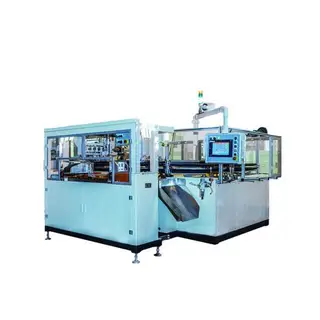
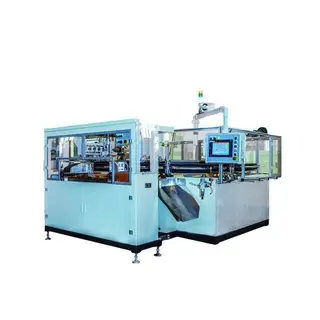
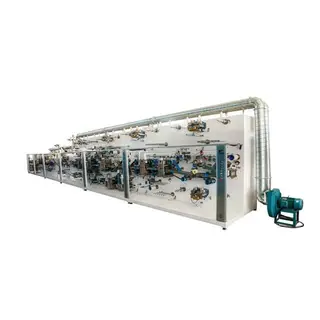
The Hygiene Machinery Industry encompasses the design, engineering, manufacturing, and service of specialized industrial machinery and automated systems dedicated to the production of disposable hygiene products and sanitary essentials. This high-precision, high-speed manufacturing sector serves as the foundational backbone for the global supply of products essential to public health, personal care, and medical practice.
2. Major Product Categories (By End-Product)
-
Feminine Hygiene Machinery:
-
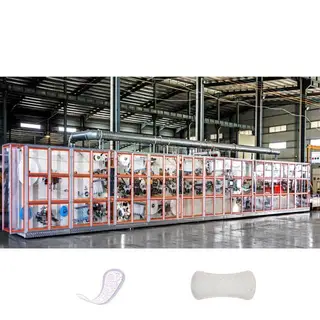
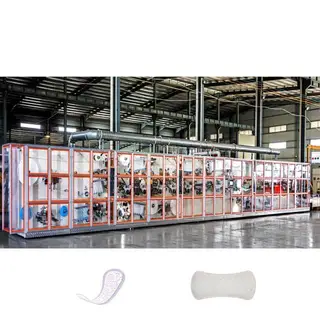
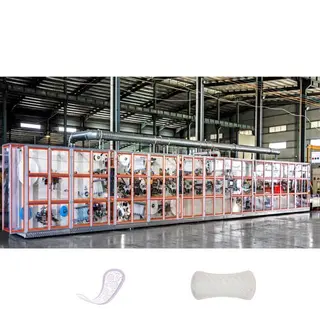
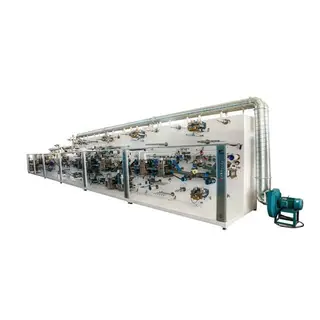
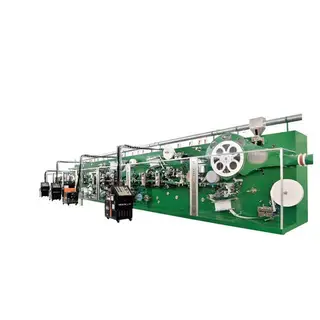
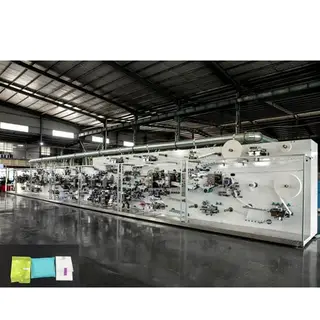
Sanitary Napkin/Pad Machines: Produce both winged and wingless pads with superabsorbent polymer (SAP), pulp, and nonwoven materials.
-
Tampon Machines: Manufacture applicator and non-applicator tampons.
-
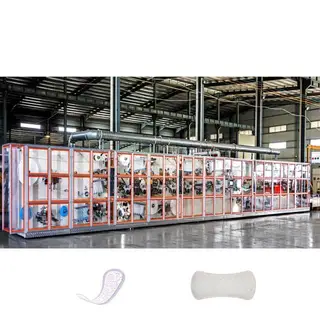
Pantiliner Machines: For thinner, daily-use liners.
-
-
Baby Diaper & Training Pant Machinery:
-
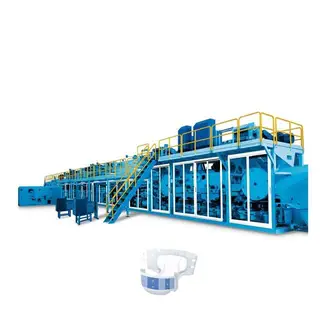
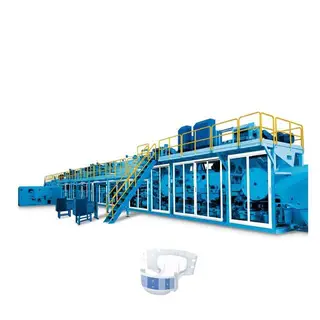
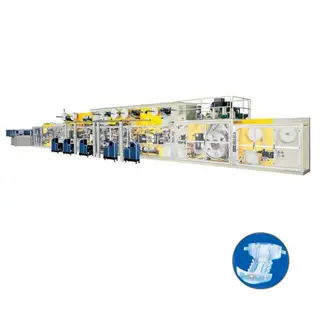
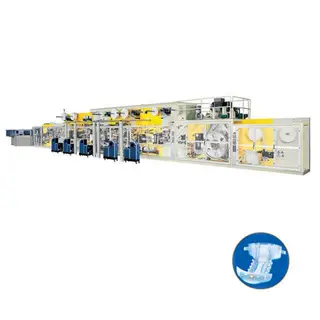
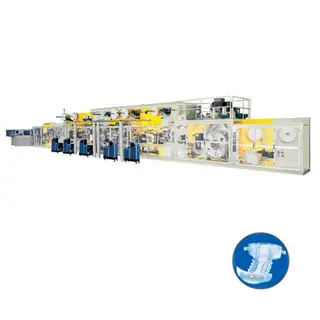
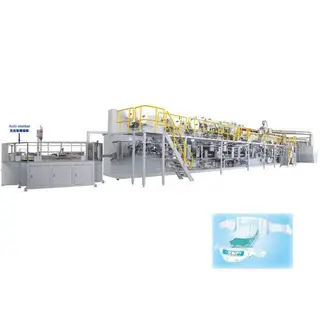
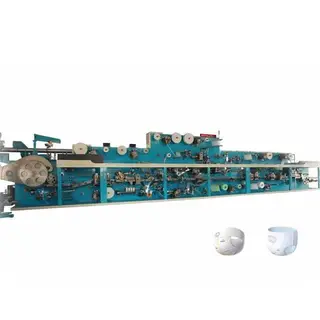
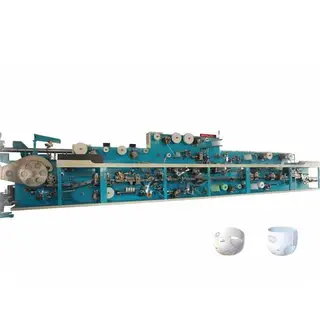
Baby Diaper Machines: High-speed lines for producing tape-style and pant-style diapers in various sizes. Core technologies include SAP/core forming, elastic attachment, and ultrasonic bonding.
-
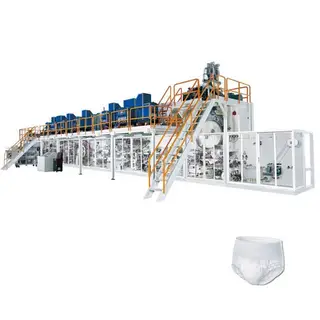
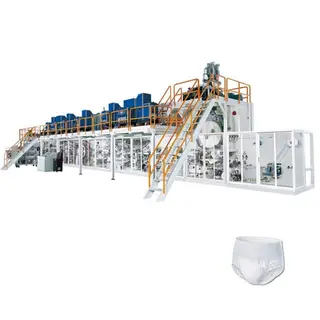
Training Pant/Pull-Up Diaper Machines: Specialized for producing pants-style absorbent hygiene products.
-
Adult Incontinence Product Machinery:
-
Adult Brief/Diaper Machines: For light, moderate, and heavy incontinence products, similar in technology to baby diaper machines but scaled for larger sizes and different absorption needs.
-
Adult Pad/Shield Machines: For lighter incontinence management.
-
-
Medical & Professional Hygiene Machinery:
-
Medical Nonwoven Product Lines: For surgical drapes, gowns, caps, and shoe covers.
-
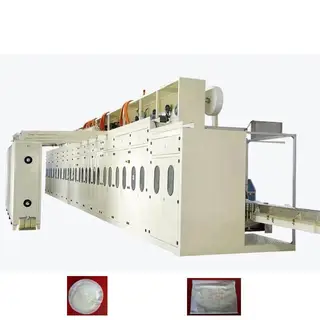
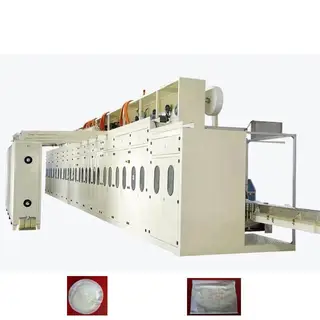
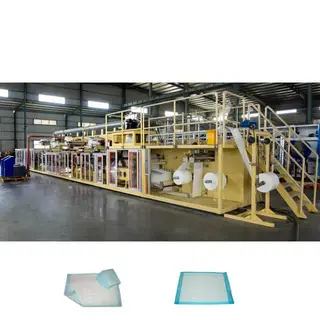
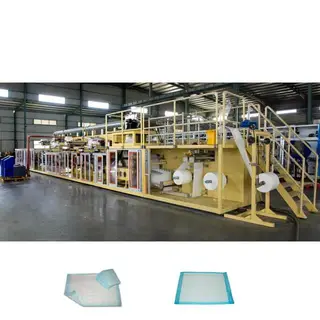
Bed Pad/Underpad Machines: For disposable absorbent underpads used in healthcare.
-
Wet Wipe Machinery: For producing moist towelettes (baby wipes, disinfectant wipes, personal care wipes).
-
-
Supporting & Auxiliary Machinery:
-
Nonwoven Fabric Production Lines (Spunbond, Meltblown, Spunlace - SMMS, etc.): Produce the core substrate materials.
-
Packaging Machines: For final product bundling, bagging, and case packing.
-
Converting & Slitting/Rewinding Lines: For processing large rolls of material into usable widths.
-
3. Industry Chain Structure
Upstream:
-
Raw Material & Component Suppliers: Providers of specialty nonwoven fabrics, superabsorbent polymers (SAP), fluff pulp, adhesives (hot melt), elastic components (threads, films), release papers/films, and packaging materials.
-
Precision Parts Suppliers: Manufacturers of high-precision gears, rollers, dies, ultrasonic horns, servo motors, and control systems.
Midstream (Core):
-
Hygiene Machinery OEMs (Original Equipment Manufacturers):
-
Global Technology Leaders: Zuiko (Japan), Fameccanica (Italy, part of Procter & Gamble), Curt G. Joa (USA), GDM (Italy), JWC Machinery (China).
-
Integrated Process Specialists: Companies that provide entire production lines from raw material unwinding to finished product packaging.
-
-
Engineering & System Integration Firms: Design and integrate custom production lines and automation solutions.
Downstream:
-
Hygiene Product Manufacturers (Brand Owners & Converters):
-
Global FMCG Giants: Procter & Gamble, Kimberly-Clark, Essity, Unicharm.
-
Regional & Private Label Manufacturers.
-
-
Service & After-Sales Support: OEMs provide extensive installation, commissioning, training, maintenance, and spare parts services. Specialized third-party service companies also exist.
-
End Consumers: Households, healthcare institutions, and commercial entities that purchase the final hygiene products.
4. Key Market Dynamics & Characteristics
-
Extremely High-Speed & Precision: Modern lines run at speeds exceeding 1,000-2,000 products per minute, requiring micron-level precision in material placement and bonding.
-
High Capital Intensity: A single complete production line represents a multi-million-dollar investment, creating significant barriers to entry.
-
Technology & Innovation-Driven: Continuous R&D focuses on increasing speed, reducing material usage (cost-saving), improving product comfort/performance, and enhancing sustainability.
-
Strongly Tied to Demographic Trends: Demand is driven by birth rates (baby diapers), aging populations (adult incontinence), female workforce participation (feminine care), and healthcare standards.
-
Oligopolistic Supply Structure: A small number of highly specialized global OEMs dominate the high-end machinery market, competing on technology, reliability, and total cost of ownership.
5. Development Trends
-
Smart Manufacturing & Industry 4.0 Integration:
-
Incorporation of IoT sensors, AI, and machine vision for real-time process monitoring, predictive maintenance, and 100% quality inspection.
-
Digital twins for simulation and optimization before physical changes.
-
Centralized production data hubs for analytics-driven decision-making.
-
-
Sustainability & Circular Economy Focus:
-
Machinery designed for thinner, more efficient product designs using less material.
-
Development of lines capable of processing bio-based, compostable, or recycled materials.
-
Energy-efficient drives and heat recovery systems to lower the carbon footprint of production.
-
-
Flexibility & Modularity:
-
Machines with quick-changeover capabilities to produce multiple product variants or sizes on a single line, responding to demand for customization.
-
Modular designs that allow for easier upgrades and integration of new technologies.
-
-
Hygiene & Safety in Design:
-
Enhanced designs for easier cleaning, reduced dust generation, and improved operator safety, aligning with higher GMP standards.
-
-
Servitization & Advanced Services:
-
OEMs offering performance guarantees, remote diagnostics, and data-driven optimization services as part of the value proposition, moving beyond just selling equipment.
-
6. Major Challenges & Opportunities
Challenges:
-
Extreme Cost & Complexity: Managing the R&D and manufacturing cost of increasingly sophisticated machinery.
-
Skilled Labor Shortage: Global shortage of engineers and technicians who can design, operate, and maintain these advanced systems.
-
Raw Material Volatility: Machinery design must adapt to varying qualities and properties of raw materials (e.g., different nonwovens, SAP).
-
Intense Competition from Emerging OEMs: Especially in mid-tier and value segments, applying price pressure.
-
Balancing Speed with Sustainability: Achieving higher speeds often conflicts with goals of using slower-processing, more sustainable materials.
Opportunities:
-
Aging Population Wave: Explosive growth in the adult incontinence market, driving demand for new production capacity globally.
-
Emerging Market Penetration: Rising disposable incomes and hygiene awareness in Asia, Africa, and Latin America creating massive demand for new manufacturing lines.
-
Premiumization & Product Innovation: Demand for machinery that can produce advanced products with features like odor control, wetness indicators, and superior comfort.
-
Retrofitting & Upgrading Existing Lines: A large aftermarket for modernizing older lines with new controls, efficiency modules, and digital capabilities.
-
Expansion into Adjacent Markets: Applying core nonwoven converting and high-speed assembly expertise to new product areas like medical devices, filtration, and advanced packaging.