Industry Definition & Scope
The handbags industry encompasses the design, manufacturing, marketing, and retail of portable bags primarily carried by hand, over the shoulder, or across the body. As both functional accessories and fashion statements, handbags serve practical needs for personal item organization while expressing individual style, cultural trends, and social status. This multi-billion dollar global industry spans luxury, contemporary, and mass-market segments across diverse consumer demographics.
Key Product Categories
-
By Style & Silhouette:
-
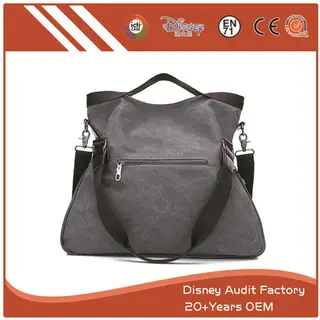
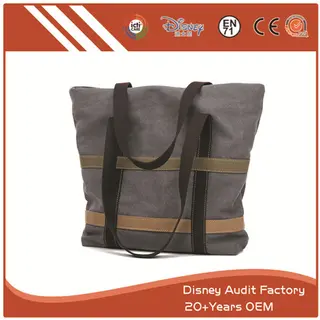
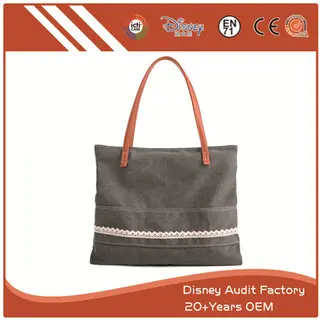
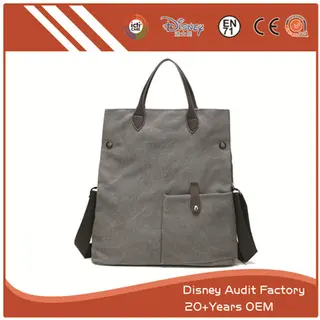
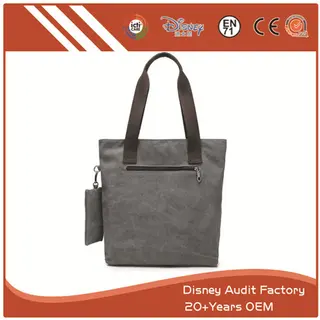
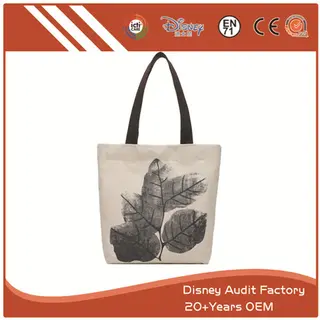
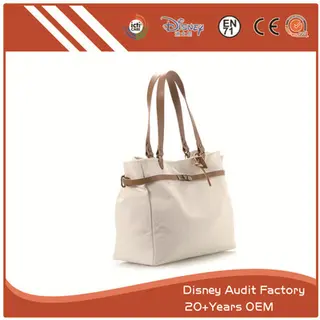
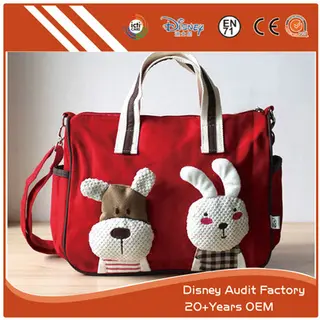
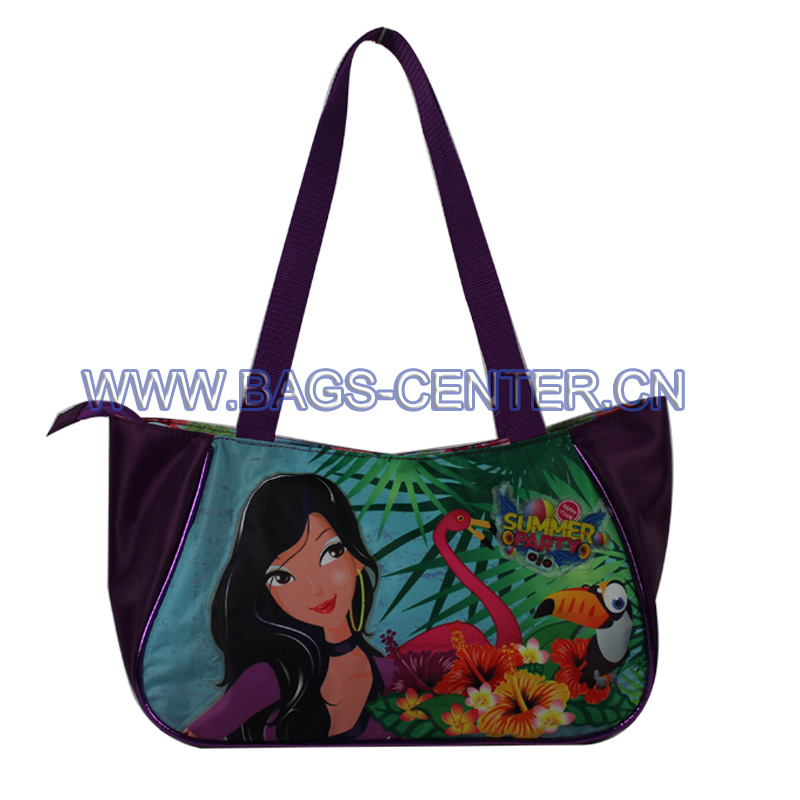
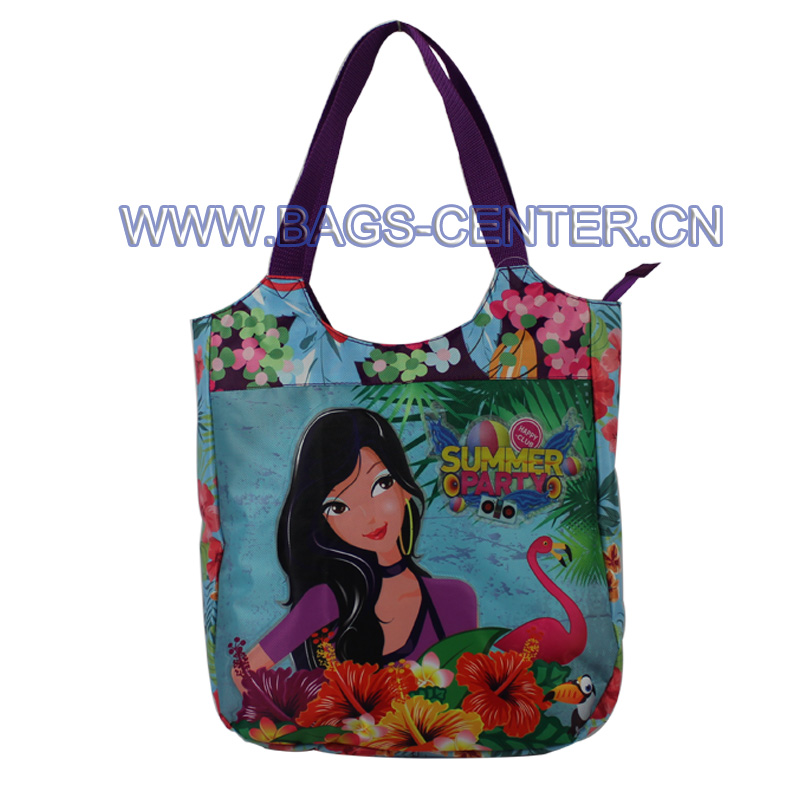
Totes: Open-top large capacity bags for daily use
-
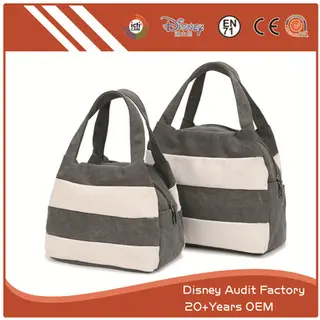
Satchels: Structured bags with top handles and optional shoulder straps
-
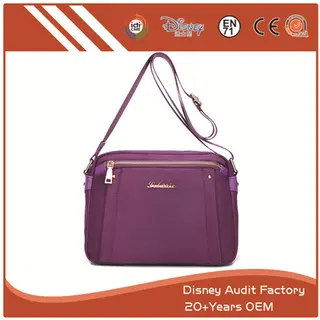
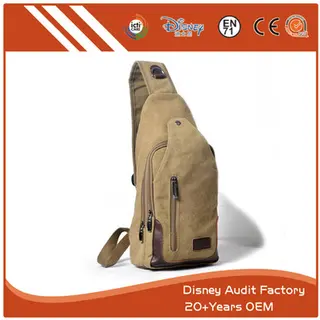
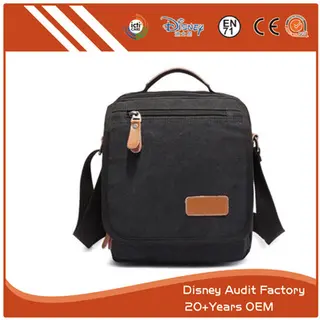
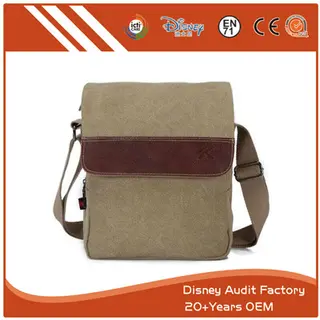
Crossbody Bags: Hands-free designs with adjustable straps
-
Clutches: Handheld evening and formal occasion bags
-
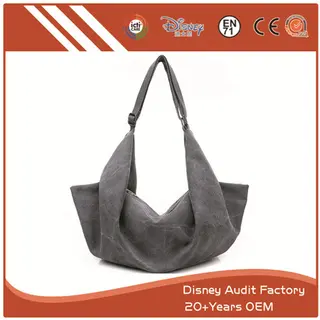
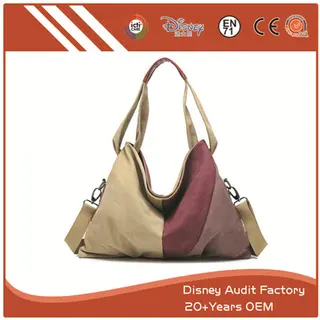
Hobos: Slouchy crescent-shaped shoulder bags
-
Bucket Bags: Cylindrical shape with drawstring closure
-
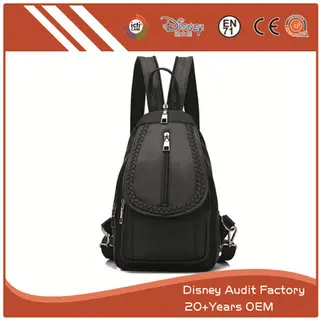
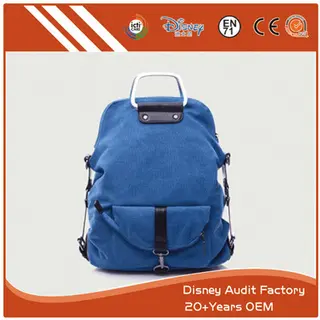
Backpacks (Fashion): Designer interpretations of functional backpacks
-
-
By Material Classification:
-
Leather: Full-grain, top-grain, genuine, exotic (crocodile, ostrich, python)
-
Vegan Alternatives: PU, PVC, mushroom leather, pineapple leather (Piñatex)
-
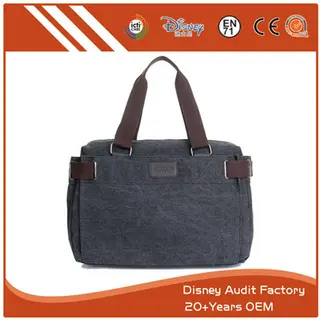
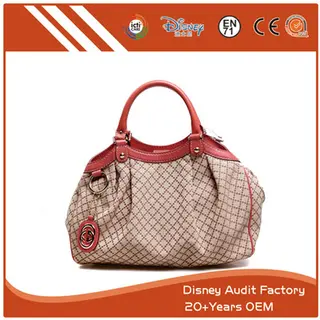
Textiles: Canvas, nylon, jacquard, embroidered fabrics
-
Sustainable Materials: Recycled polyester, organic cotton, cactus leather
-
Luxury Fabrics: Silk, velvet, brocade, sequined materials
-
-
By Market Segmentation:
-
Luxury: Hermès Birkin/Kelly, Chanel Classic Flap, Louis Vuitton Neverfull
-
Premium Contemporary: Coach, Michael Kors, Tory Burch
-
Affordable Luxury: Kate Spade, Rebecca Minkoff, Longchamp
-
Mass Market: H&M, Zara, Target private labels
-
Designer Collaborations: High-fashion x mass retailer partnerships
-
-
By Functional Design:
-
Work Bags: Laptop compartments, document organizers
-
Evening Bags: Mini sizes with chain straps, metallic finishes
-
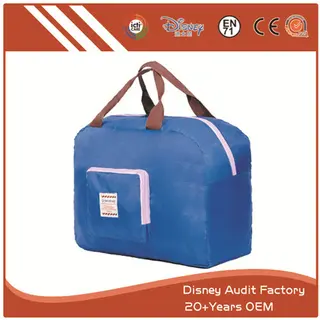
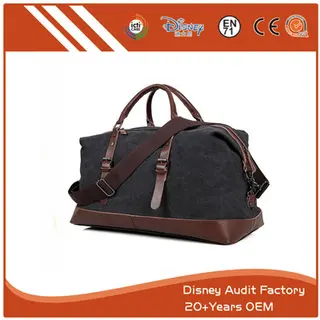
Travel Totes: Durable construction with multiple pockets
-
Seasonal Collections: Resort, pre-fall, holiday capsule collections
-
Technology & Innovation Trends
-
Smart Features Integration:
-
Built-in wireless charging pockets
-
GPS tracking devices sewn into lining
-
RFID blocking technology for security
-
App-connected inventory management systems
-
-
Material Science Advancements:
-
Self-cleaning nanocoatings using photocatalysis
-
Temperature-regulating phase-change materials
-
Color-changing leathers with thermochromic treatments
-
Biodegradable polymers with extended durability
-
-
Sustainable Innovations:
-
Blockchain traceability for ethical sourcing
-
Waterless dyeing and digital printing techniques
-
Circular design principles enabling disassembly and recycling
-
Carbon-negative production processes using algae-based materials
-
-
Digital Transformation:
-
3D virtual sampling reducing physical prototype waste
-
AR virtual try-on through mobile applications
-
NFT authentication for luxury handbag verification
-
AI-driven trend forecasting and inventory optimization
-
Global Market Drivers
-
Rising disposable income in Asia-Pacific markets (China, India, Southeast Asia)
-
Social media influence and "haul culture" driving impulse purchases
-
Increasing female workforce participation globally
-
Growth of pre-owned luxury market (The RealReal, Vestiaire Collective)
-
Celebrity endorsements and brand ambassador strategies
-
E-commerce expansion and omnichannel retail integration
-
Sustainability consciousness among younger consumers (Gen Z, Millennials)
-
Experience economy shifting toward tangible luxury goods
Major Players & Value Chain
-
Luxury Conglomerates: LVMH, Kering, Richemont, Chanel
-
Specialist Brands: Coach (Tapestry Inc.), Michael Korts (Capri Holdings)
-
Vertical Retailers: Fossil, Guess, Vera Bradley
-
Fast Fashion: Zara (Inditex), H&M, Uniqlo
-
Online Platforms: Net-a-Porter, Farfetch, Mytheresa
-
Value Chain: Material sourcing → design & development → manufacturing → quality control → branding & marketing → distribution (flagship stores, department stores, e-commerce) → after-sales services → secondary market
Challenges & Opportunities
-
Challenges:
-
Counterfeiting epidemic costing billions annually
-
Volatile raw material costs (especially leather and metals)
-
Labor ethics and supply chain transparency pressures
-
Fast fashion environmental impact criticism
-
Inventory management in seasonal trend cycles
-
-
Opportunities:
-
Digital passport and authentication technologies
-
Rental and subscription models (Rent the Runway, Bag Borrow or Steal)
-
Personalization and customization services
-
Men's handbag market development
-
Health-conscious designs (antibacterial linings, ergonomic straps)
-
Metaverse and digital fashion integration
-
Emerging market retail expansion
-