Industry Definition & Scope
The gas sensors industry encompasses the design, manufacturing, and application of devices that detect, measure, and monitor the presence and concentration of specific gases in air or other environments. These sensors are critical for safety, environmental protection, industrial process control, and air quality management across numerous sectors. The industry combines materials science, electronics, and data analytics to provide actionable information about gas hazards and emissions.
Key Product Categories
By Detection Technology & Principle:
-
Electrochemical Sensors: Utilize a chemical reaction between the target gas and an electrolyte to generate an electrical signal proportional to gas concentration. Widely used for toxic gas detection (CO, H2S, SO2, NOx) due to high specificity and low power consumption.
-
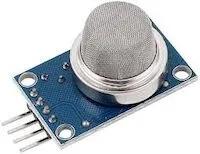
Metal-Oxide Semiconductor Sensors: Detect gases through changes in electrical resistance of a metal oxide film when exposed to target gases. Commonly used for combustible gases (methane, propane), volatile organic compounds (VOCs), and air quality monitoring. Offer fast response and low cost but may lack specificity.
-
Infrared Sensors: Measure gas concentration by detecting the absorption of specific wavelengths of infrared light by gas molecules. Used for carbon dioxide, hydrocarbons, and refrigerant gases. Known for high accuracy, long life, and minimal drift but typically higher cost.
-
Photoionization Detectors: Use high-energy ultraviolet light to ionize gas molecules, measuring the resulting current to detect VOCs and other compounds at low concentrations. Essential for industrial hygiene and environmental monitoring.
-
Catalytic Bead Sensors: Detect combustible gases through catalytic oxidation on a heated bead, causing a temperature change measured as a resistance change. The traditional technology for combustible gas detection in industrial safety.
-
Semiconductor (MEMS) Sensors: Miniaturized sensors using microelectromechanical systems technology for compact, low-power gas detection, often integrated into consumer electronics and IoT devices.
-
Tunable Diode Laser Absorption Spectroscopy: Advanced optical technology using laser diodes for highly selective and sensitive gas measurements over long paths, used in industrial emissions monitoring.
By Target Gas Type:
-
Toxic Gas Sensors: For carbon monoxide, hydrogen sulfide, chlorine, ammonia, nitrogen oxides, sulfur dioxide, etc.
-
Combustible Gas Sensors: For methane, propane, hydrogen, and other flammable gases.
-
Oxygen Sensors: For monitoring oxygen deficiency or enrichment in confined spaces and industrial processes.
-
Volatile Organic Compound Sensors: For detecting a wide range of organic chemicals in indoor air quality and industrial settings.
-
Refrigerant & Specialty Gas Sensors: For detecting refrigerant leaks (HFCs, HCFCs) and specific industrial gases.
By Application & Form Factor:
-
Fixed Gas Detection Systems: Permanent installations with sensors connected to control panels for continuous area monitoring in industrial plants, commercial buildings, and public facilities.
-
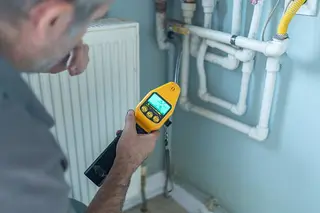
Portable & Personal Gas Detectors: Handheld or wearable devices for worker safety, leak detection, and environmental surveys.
-
Consumer & IoT Integrated Sensors: Miniaturized sensors embedded in smart home devices, wearables, automotive systems, and smartphones.
-
Process Analytical Sensors: Integrated into industrial equipment for real-time process control and optimization.
Technology & Innovation Trends
-
Miniaturization & Multi-Gas Sensing: Development of compact sensor arrays capable of detecting multiple gases simultaneously using a single chip or module.
-
Enhanced Selectivity & Cross-Sensitivity Reduction: Advanced materials and algorithms to improve sensor specificity and minimize false alarms from interfering gases.
-
Low-Power & Energy Harvesting Designs: Innovations enabling battery-operated sensors with extended operational life, suitable for wireless and remote monitoring applications.
-
Smart Sensors with Embedded Intelligence: Integration of microprocessors for onboard diagnostics, self-calibration, temperature/humidity compensation, and digital communication protocols.
-
Wireless Connectivity & IoT Integration: Native support for wireless protocols (LoRaWAN, NB-IoT, Wi-Fi, Bluetooth) enabling easy deployment in sensor networks and cloud data integration.
-
Advanced Materials & Nanotechnology: Use of nanomaterials (graphene, carbon nanotubes, metal-organic frameworks) to enhance sensitivity, response time, and stability of sensing elements.
Global Market Drivers
-
Stringent Industrial Safety Regulations: Occupational safety standards worldwide mandating gas monitoring in oil & gas, mining, chemical, and manufacturing industries.
-
Growing Environmental Monitoring Requirements: Government regulations on air quality and industrial emissions driving demand for continuous monitoring systems.
-
Indoor Air Quality & Building Health Concerns: Increased awareness of VOC exposure and sick building syndrome in commercial and residential spaces.
-
Smart City & Infrastructure Development: Integration of gas sensors into urban infrastructure for leak detection, pollution monitoring, and public safety.
-
Consumer Electronics Integration: Proliferation of gas sensing in smartphones, wearables, and smart home devices for health and environmental awareness.
-
Industrial Automation & Industry 4.0: Need for real-time process gas monitoring to optimize efficiency, ensure product quality, and prevent accidents.
-
Energy Efficiency & Refrigerant Management: Regulations like F-Gas driving demand for refrigerant leak detection systems.
Industry Value Chain
-
Raw Material & Component Suppliers: Providers of specialized chemicals, electrolytes, semiconductor materials, MEMS wafers, infrared sources, and housings.
-
Sensor Element & Module Manufacturers: Companies producing the core sensing elements and integrated sensor modules.
-
System Integrators & OEMs: Manufacturers of complete gas detection instruments, control panels, and consumer devices incorporating gas sensors.
-
Calibration & Testing Service Providers: Specialized facilities offering sensor calibration, performance validation, and certification services.
-
Distribution & Sales Channels: Safety equipment distributors, industrial suppliers, electronic component distributors, and retail channels.
-
End Users: Industrial facilities, utility companies, commercial buildings, government agencies, consumers, and research institutions.
Key Industry Challenges
-
Selectivity & Cross-Sensitivity Issues: Difficulty in distinguishing target gases from interferents in complex environments, leading to potential false readings.
-
Long-Term Stability & Calibration Drift: Gradual degradation of sensor performance over time requiring regular maintenance, recalibration, or replacement.
-
Environmental Interference: Effects of temperature, humidity, and pressure variations on sensor accuracy requiring sophisticated compensation algorithms.
-
Power Consumption Constraints: Balancing performance with battery life in portable and wireless applications.
-
Price Pressure & Commoditization: Intense competition in consumer and some industrial segments driving down prices and margins.
-
Regulatory Certification Complexity: Meeting diverse international standards for safety-critical applications can be costly and time-consuming.
-
Technical Support & Training Needs: Requirement for specialized knowledge to properly select, install, and maintain gas detection systems.
Future Outlook
The gas sensor industry is evolving toward more intelligent, connected, and predictive systems.
-
Predictive Maintenance & Condition Monitoring: Advanced diagnostics to predict sensor failure or need for recalibration before performance degrades.
-
Artificial Intelligence & Pattern Recognition: Machine learning algorithms to analyze sensor data patterns for gas identification, source localization, and predictive analytics.
-
Hyperlocal & Mobile Monitoring Networks: Dense deployments of low-cost sensors on vehicles, drones, and urban furniture for dynamic gas concentration mapping.
-
Biomimetic & Bioelectronic Sensors: Development of sensors inspired by biological olfactory systems for unprecedented sensitivity and specificity.
-
Integration with Building Management & Industrial Control Systems: Seamless data exchange for automated ventilation control, hazard mitigation, and process optimization.
-
Personalized Environmental Exposure Tracking: Wearable and portable sensors providing individuals with real-time data on their personal chemical exposure.