Industry Definition & Scope
The Electrical Equipment & Supplies industry encompasses the design, manufacturing, distribution, and maintenance of devices, components, and systems used for the generation, transmission, distribution, control, conversion, and consumption of electrical energy. This foundational industrial sector spans from large-scale power infrastructure to the smallest electronic components, serving utilities, commercial construction, industrial facilities, and consumer markets globally. It is essential for modern civilization's technological and economic functioning.
Key Product Categories
By System Function:
-
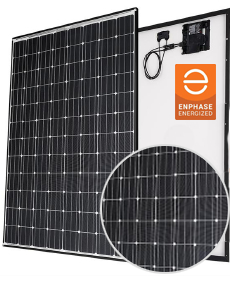
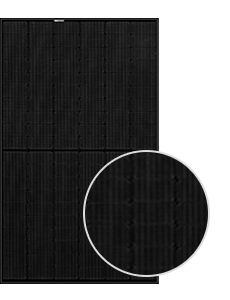
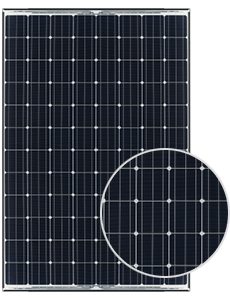
Generation Equipment: Turbines (steam, gas, hydro), generators, solar inverters, wind turbine converters, and related switchgear for power plants.
-
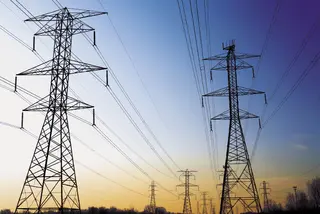
Transmission & Distribution Equipment: Transformers (power, distribution), high-voltage circuit breakers, switchgear, reclosers, capacitor banks, transmission towers, and insulators.
-
Wiring & Connection Products: Electrical cables (low/medium/high voltage), wires, busways, conduits, raceways, connectors, terminals, and cable management systems.
-
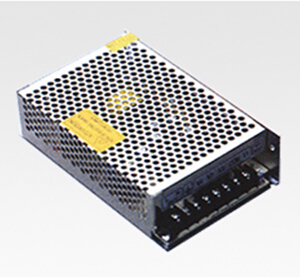
Power Control & Protection Devices: Circuit breakers (MCB, MCCB, ACB), fuses, contactors, relays, motor starters, surge protectors, voltage regulators, and uninterruptible power supplies (UPS).
-
Lighting Equipment & Controls: Commercial/industrial lighting fixtures (LED, HID), lamps, ballasts, lighting control panels, sensors, and dimmers.
-
Installation & Support Equipment: Electrical enclosures, panels, switchboards, meter boxes, wiring devices (outlets, switches), and tools for electricians.
-
Test & Measurement Instruments: Multimeters, clamp meters, insulation testers, power quality analyzers, and electrical safety testers.
By End-User Market:
-
Utility & Grid Infrastructure: Products for power generation, transmission networks, substations, and smart grid implementation.
-
Industrial & Manufacturing: Heavy-duty motors, drives, control panels, process automation equipment, and power quality solutions for factories.
-
Commercial Construction: Wiring, distribution, lighting, and safety systems for offices, retail, hospitals, and data centers.
-
Residential: Consumer-facing electrical products for home wiring, lighting, and power distribution.
-
Original Equipment Manufacturers (OEMs): Components integrated into other manufactured goods (appliances, vehicles, machinery).
Technology & Innovation Trends
-
Grid Modernization & Digitalization: Adoption of smart grid technologies, including smart meters, advanced distribution management systems (ADMS), and IoT sensors for real-time grid monitoring and control.
-
Energy Efficiency & Electrification: Development of high-efficiency motors (IE3/IE4 standards), variable frequency drives (VFDs), and advanced lighting controls to reduce energy consumption. Products enabling building and transport electrification.
-
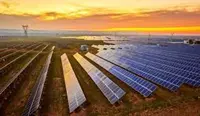
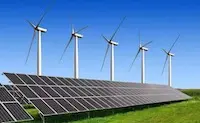
Renewable Integration Solutions: Grid-forming inverters, advanced power electronics, and flexible AC transmission systems (FACTS) to manage the intermittency of solar and wind power.
-
Miniaturization & Modular Design: Smaller, more compact components with higher performance, and modular electrical systems for easier installation and scalability.
-
Enhanced Safety & Arc-Flash Mitigation: Arc-resistant switchgear, remote racking systems, and advanced protective relays to improve electrical safety.
-
Advanced Materials: Use of superconductors, wide-bandgap semiconductors (SiC, GaN), and new insulating materials to improve efficiency and reduce losses.
Global Market Drivers
-
Global Energy Transition: Massive investments in renewable energy generation, grid upgrades, and electrification of transport/heat, driving demand for related electrical equipment.
-
Aging Infrastructure Replacement: Need to modernize outdated power grids and industrial electrical systems in developed economies.
-
Urbanization & Construction Growth: New residential, commercial, and industrial construction, particularly in emerging markets.
-
Industrial Automation & Industry 4.0: Rising adoption of automated machinery and smart factories requires sophisticated motor controls, sensors, and power distribution.
-
Government Regulations & Efficiency Standards: Mandates promoting energy-efficient motors, lighting, and building codes that specify electrical safety and performance.
-
Data Center & Digital Economy Expansion: Exponential growth in data centers requiring highly reliable, dense, and efficient power distribution and backup systems.
Industry Value Chain
-
Raw Material Suppliers: Producers of copper, aluminum, steel, insulating materials, plastics, and semiconductor silicon.
-
Component Manufacturers: Makers of semiconductors, magnets, coils, contacts, and other sub-assemblies.
-
Equipment OEMs: Companies that design and manufacture finished electrical equipment and systems.
-
Distributors & Wholesalers: Intermediaries that stock and sell products to contractors, installers, and end-users (e.g., Rexel, Graybar, WESCO).
-
System Integrators & Contractors: Engineering firms and electrical contractors that design, install, and commission electrical systems.
-
End Users: Utilities, industrial facilities, commercial buildings, residential consumers, and OEMs.
Key Industry Challenges
-
Raw Material Price Volatility: Exposure to fluctuating prices of copper, aluminum, and specialty metals, impacting production costs.
-
Intense Global Competition: Pressure on margins from both established multinationals and low-cost manufacturers, particularly for standardized products.
-
Complex & Lengthy Certification Processes: Meeting diverse regional safety standards (UL, CSA, CE, CCC) requires significant time and investment.
-
Skilled Labor Shortage: Shortage of qualified engineers, technicians, and electricians to design, install, and maintain increasingly complex systems.
-
Supply Chain Fragility: Vulnerability to disruptions in the availability of critical components, such as semiconductors and specific raw materials.
-
Technological Disruption: Need for continuous R&D investment to keep pace with digitalization, renewable integration, and new material science.
Future Outlook
The industry is undergoing a fundamental transformation, evolving from a provider of passive components to an enabler of intelligent, connected, and sustainable energy systems.
-
Convergence of OT & IT: Operational technology (electrical equipment) will deeply integrate with information technology (software, data analytics) to create smart, self-optimizing systems.
-
Services & Solutions Focus: Shift from selling products to offering comprehensive service packages, including predictive maintenance, energy management, and performance guarantees.
-
Cybersecurity as a Priority: As equipment becomes networked, embedded cybersecurity will become a critical design and selling feature.
-
Circular Economy Integration: Increased focus on designing products for easier disassembly, repair, and recycling, and developing take-back programs.
-
Microgrid & Distributed Energy Enablement: Equipment will be designed to seamlessly integrate and manage distributed energy resources at the local grid level.
-
AI-Driven Design & Operation: Use of artificial intelligence for optimizing product design, predicting grid faults, and autonomously managing energy flows.