Industry Definition & Scope
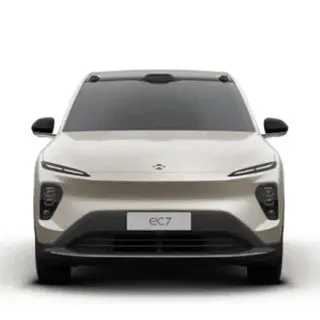
The Electric Vehicles industry encompasses the design, development, manufacturing, and sale of vehicles that use electric motors for propulsion, powered primarily by rechargeable battery packs or fuel cells. This transformative sector represents a fundamental shift from internal combustion engine technology toward zero-emission mobility. The industry includes multiple vehicle segments, energy storage systems, charging infrastructure, and related services, forming a comprehensive new automotive ecosystem.
Key Product Categories
By Vehicle Type:
-
Battery Electric Vehicles: Fully electric vehicles powered exclusively by onboard battery packs with no internal combustion engine.
-
Plug-in Hybrid Electric Vehicles: Vehicles equipped with both a rechargeable battery/electric motor system and an internal combustion engine.
-
Fuel Cell Electric Vehicles: Vehicles that generate electricity through a chemical reaction between hydrogen and oxygen in a fuel cell stack.
-
Electric Two-Wheelers & Light Vehicles: Electric scooters, motorcycles, bicycles, and micro-mobility solutions.
-
Electric Commercial Vehicles: Electric buses, delivery vans, trucks, and specialized industrial vehicles.
By Market Segment:
-
Mass Market EVs: Affordable models focused on practicality, range, and value for mainstream adoption.
-
Premium/Luxury EVs: High-performance, technology-forward vehicles emphasizing acceleration, features, and brand prestige.
-
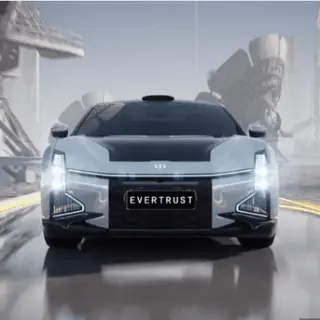
Performance/Sports EVs: Vehicles engineered for maximum power output, track capability, and driving dynamics.
-
Commercial Fleet EVs: Vehicles designed for business operations with emphasis on total cost of ownership and duty-cycle suitability.
Technology & Innovation Trends
-
Advanced Battery Technology: Development of solid-state batteries, lithium-silicon anodes, and cell-to-pack architectures for higher energy density, faster charging, improved safety, and lower costs.
-
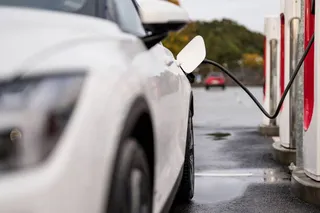
Ultra-Fast Charging Infrastructure: Deployment of 400V/800V high-power charging systems capable of adding 200+ miles of range in under 15 minutes.
-
Vehicle-to-Grid Integration: Bidirectional charging technology enabling EVs to serve as distributed energy resources for grid stabilization and home backup power.
-
Software-Defined Vehicles: Centralized electronic architectures with over-the-air update capabilities for performance upgrades, feature activation, and personalized user experiences.
-
Autonomous Driving Integration: Native incorporation of sensor suites and computing platforms for automated driving features within EV designs.
-
Sustainable Manufacturing & Circular Economy: Use of renewable energy in production, recycled materials in vehicles, and battery recycling/remanufacturing programs.
Global Market Drivers
-
Stringent Emission Regulations: Government mandates and phase-out targets for ICE vehicles across major markets (EU, China, US states).
-
Consumer Demand Shift: Growing buyer preference for EVs due to lower operating costs, superior acceleration, advanced technology, and environmental awareness.
-
Corporate Sustainability Commitments: Fleet electrification pledges by major corporations and carbon neutrality goals driving B2B demand.
-
Declining Battery Costs: Steady reduction in lithium-ion battery pack prices improving EV cost competitiveness.
-
Energy Security Policies: National strategies to reduce dependence on imported petroleum through transportation electrification.
-
Urban Air Quality Initiatives: City-level regulations creating zero-emission zones favoring EV adoption.
Industry Value Chain
-
Raw Materials & Mining: Extraction and processing of lithium, cobalt, nickel, graphite, manganese, and rare earth elements.
-
Battery Cell & Pack Manufacturing: Production of battery cells, modules, and complete pack systems (increasingly by dedicated battery giants and automotive OEMs).
-
Power Electronics & E-Drive Components: Manufacturing of electric motors, inverters, onboard chargers, and thermal management systems.
-
Vehicle Manufacturing: Final assembly of complete vehicles by legacy automakers and dedicated EV startups.
-
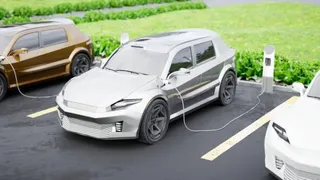
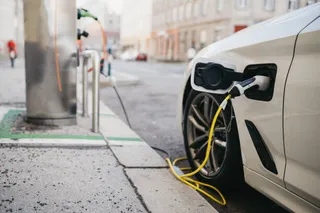
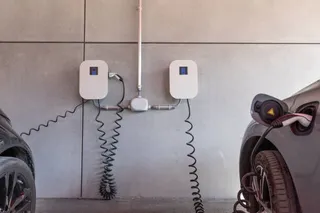
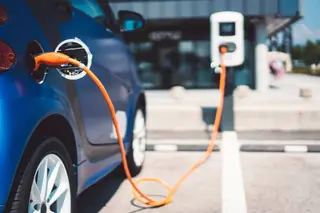
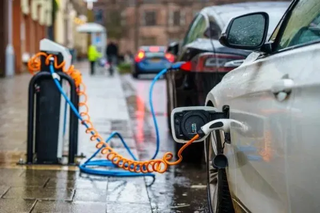
Charging Infrastructure: Development and operation of home, workplace, public, and highway charging networks.
-
Software & Digital Services: Operating systems, connectivity platforms, mobility apps, and energy management services.
-
After-Sales & Battery Second-Life: Service networks, battery health monitoring, and repurposing of used EV batteries for stationary storage.
Key Industry Challenges
-
Battery Supply Chain Constraints: Geopolitical risks and ethical concerns associated with critical mineral sourcing and processing.
-
Charging Infrastructure Gaps: Insufficient public charging deployment, grid capacity limitations, and interoperability issues between networks.
-
Upfront Cost Parity: Achieving purchase price equivalence with comparable ICE vehicles without reliance on subsidies.
-
Grid Integration & Demand Management: Managing increased electrical load from mass EV adoption without overloading local distribution networks.
-
Consumer Range Anxiety & Charging Speed Perceptions: Addressing concerns about long-distance travel and charging convenience.
-
Intense Competition & Price Wars: Rapidly increasing number of models and manufacturers leading to margin pressure, particularly in China.
-
Rapid Technological Obsolescence: Risk of current EV models becoming outdated quickly due to fast-paced battery and software advancements.
Future Outlook
The EV industry is transitioning from early adoption to mass-market normalization, reshaping the entire transportation and energy sectors.
-
Market Dominance Trajectory: EVs projected to account for over 50% of new light-duty vehicle sales globally by the mid-2030s.
-
Vertical Integration & Ecosystem Control: Automakers increasingly controlling battery production, charging networks, and software platforms.
-
Segmentation & Specialization: Proliferation of EV models tailored to specific use cases (urban, adventure, family, commercial).
-
Advanced Mobility-as-a-Service: Integration of EVs into autonomous ride-hailing and subscription service fleets.
-
Battery as a Service & Swapping Models: Alternative ownership models separating vehicle and battery costs, particularly relevant for commercial fleets.
-
Policy Evolution: Gradual phase-out of purchase subsidies replaced by taxes on ICE vehicles and investment in enabling infrastructure.