Industry Definition & Scope
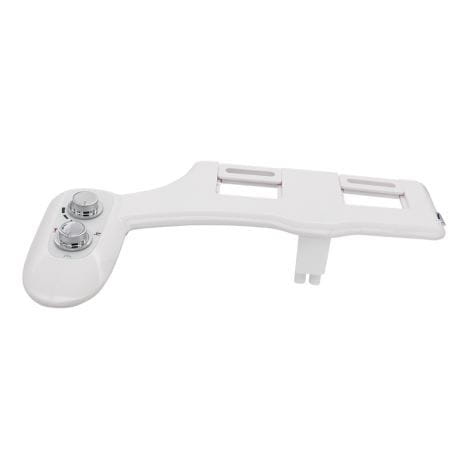
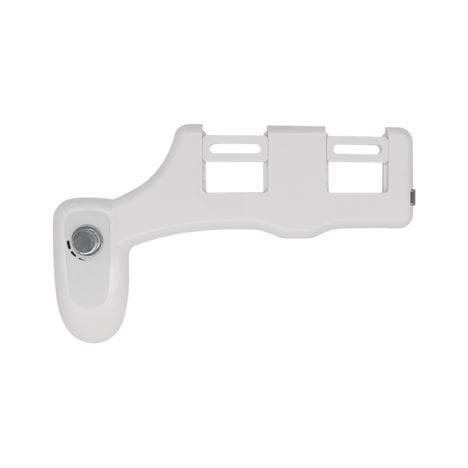
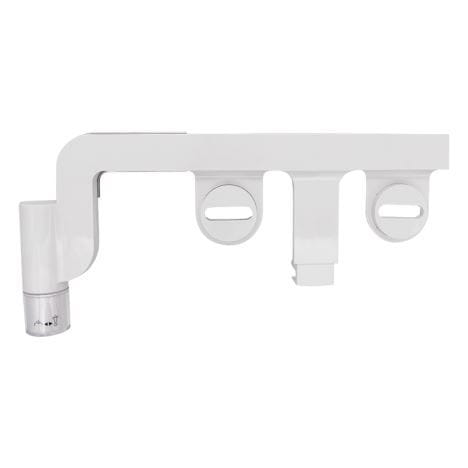
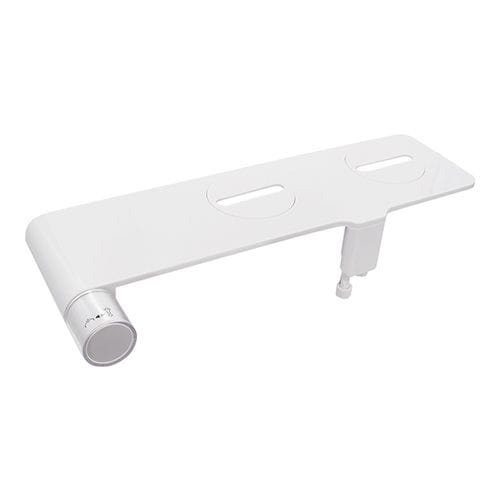
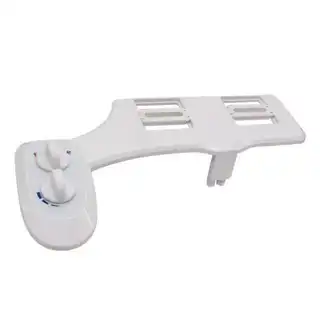
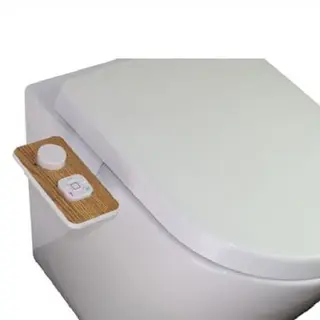
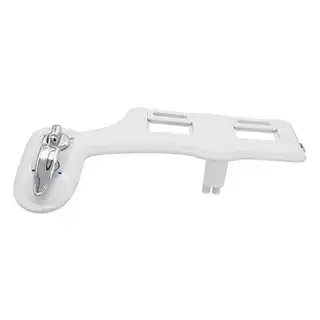
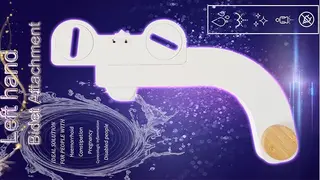
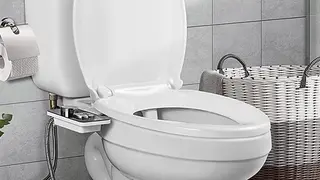
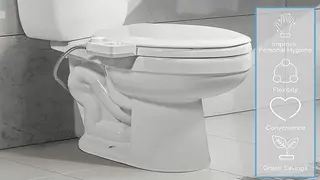
The bidet attachment industry encompasses the design, manufacturing, marketing, and distribution of non-integrated, aftermarket devices that retrofit onto standard toilets to provide posterior and perineal cleansing with water. These products represent the entry-level segment of the bidet market, offering a cost-effective alternative to full bidet seats or smart toilets. The industry targets DIY consumers seeking improved hygiene, comfort, and sustainability without the need for plumbing modifications or significant investment.
Key Product Categories
By Technology & Features:
-
Non-Electric (Cold Water) Attachments: Basic mechanical devices that connect directly to the toilet's water supply, using unheated water and water pressure for cleansing.
-
Electric (Warm Water) Attachments: Include a control unit that plugs into a standard electrical outlet (GFCI required) to provide heated water, heated seats, and often warm air drying.
-
Hybrid Manual Warm Water Attachments: Devices that use a diverter valve to mix hot and cold water from existing sink supply lines, providing warm water without electricity.
By Installation & Design:
-
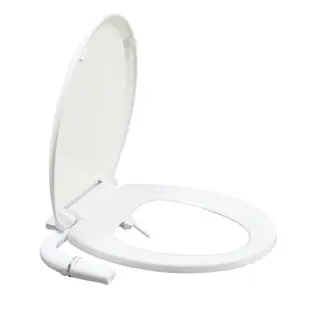
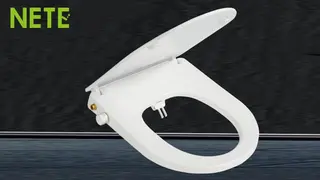
Under-Seat Attachments: The most common type, installed between the toilet bowl and the existing seat.
-
Replace-the-Seat Systems: Units that include both a new seat and the bidet mechanism, often providing a more integrated look.
-
Handheld Bidet Sprayers (Bum Guns): Flexible spray wands mounted adjacent to the toilet, popular in Asian and Middle Eastern markets.
By Market Tier:
-
Budget/Economy: Simple, non-electric models with basic spray functions. ($25 - $60)
-
Mid-Range: Electric models with core features (heated seat, warm water, basic dryer). ($60 - $150)
-
Premium Attachments: Feature-rich electric models with advanced dryers, deodorizers, multiple nozzles, and premium materials. ($150 - $300)
Technology & Innovation Trends
-
Feature Democratization: Mid-range attachments now incorporate features once exclusive to high-end bidet seats (e.g., oscillating/pulsating spray, feminine wash, adjustable pressure/temperature).
-
Energy & Water Efficiency: Improved heating element designs (instant vs. tank) and precise flow control to reduce utility consumption.
-
Ease of Installation: Universal-fit designs, tool-free or minimal-tool installation kits, and clear instructional videos/apps.
-
Material & Hygiene Advances: Use of medical-grade/smooth nozzles with self-cleaning functions, antimicrobial plastics, and easier-to-clean surfaces.
-
Smart Lite Features: Basic remote controls, LED nightlights, and simple preset user modes, without full IoT connectivity.
Global Market Drivers
-
High Cost-Benefit Appeal: Drastically lower price point than smart toilets or bidet seats, lowering adoption barriers.
-
Rental & Temporary Housing Compatibility: Ideal for tenants who cannot permanently alter bathrooms.
-
E-commerce & Direct-to-Consumer Channels: Online platforms (Amazon, brand websites) facilitate discovery, comparison, and easy purchase.
-
Sustainability Marketing: Strong messaging on reduced toilet paper use (saving trees, reducing sewer clogs).
-
Post-Pandemic Hygiene Focus: Increased consumer attention on personal cleanliness.
-
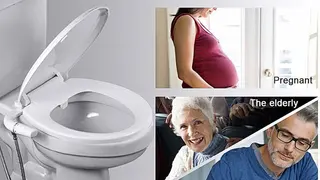
Aging Population & Health Needs: Beneficial for individuals with mobility issues, hemorrhoids, or specific medical conditions.
Supply Chain & Competitive Landscape
-
Manufacturing Concentration: Heavily centered in China and South Korea, with some assembly in the US and Europe.
-
Major Brands: Tushy, Bio Bidet, Brondell, LUXE Bidet, Hello Tushy, Neo Clean.
-
Distribution Model: Primarily DTC (Direct-to-Consumer) online sales, with some penetration into big-box retailers (Home Depot, Costco) and plumbing supply stores.
-
Marketing Approach: Relies heavily on digital marketing, influencer partnerships, social media, and customer review culture.
Key Industry Challenges
-
Perceived Quality & Durability: Overcoming skepticism about performance and longevity compared to integrated systems.
-
Installation Hurdles: Consumer anxiety about DIY plumbing, compatibility issues with unusual toilet shapes/sizes, and lack of electrical outlets near toilets.
-
Market Education: Explaining the product's function, benefits, and hygiene to first-time users in non-bidet cultures.
-
Price Compression & Competition: Intense competition among online brands leading to thin margins.
-
Regulatory Variance: Differing plumbing codes and electrical standards across regions.
Future Outlook
The bidet attachment market is expected to remain the primary growth engine for mainstream bidet adoption in price-sensitive and first-time adopter markets. Future developments will focus on:
-
Enhanced User Experience: Quieter operation, more ergonomic controls, and improved drying efficiency.
-
Design Integration: More aesthetic designs that look less like an "add-on."
-
Sustainability Focus: Further reduction in plastic packaging and development of more recyclable components.
-
Professional Channel Growth: Increased acceptance and recommendation by plumbers and bathroom remodelers.
-
Global Market Expansion: Tailored products for European-style toilets (wall-mounted tanks) and other regional variations.