Industry Definition & Scope
The backpacks industry encompasses the design, manufacturing, distribution, and retail of portable carrying systems worn on the back, utilizing shoulder straps for load distribution. This diverse industry serves functional, professional, educational, recreational, and fashion needs across global consumer markets, integrating materials science, ergonomic engineering, and design innovation.
Key Product Categories
-
By Primary Function:
-
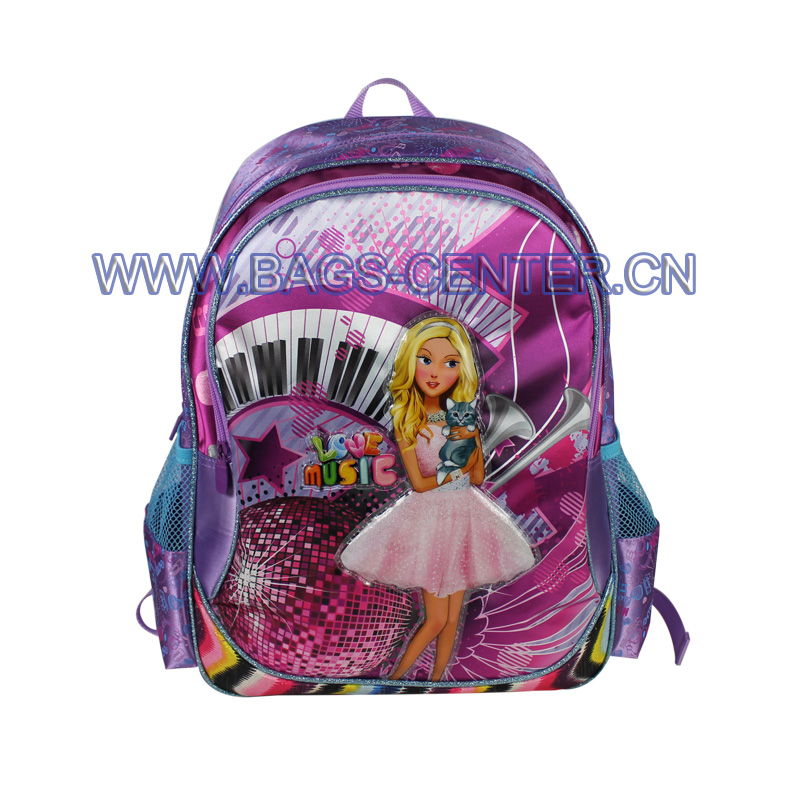
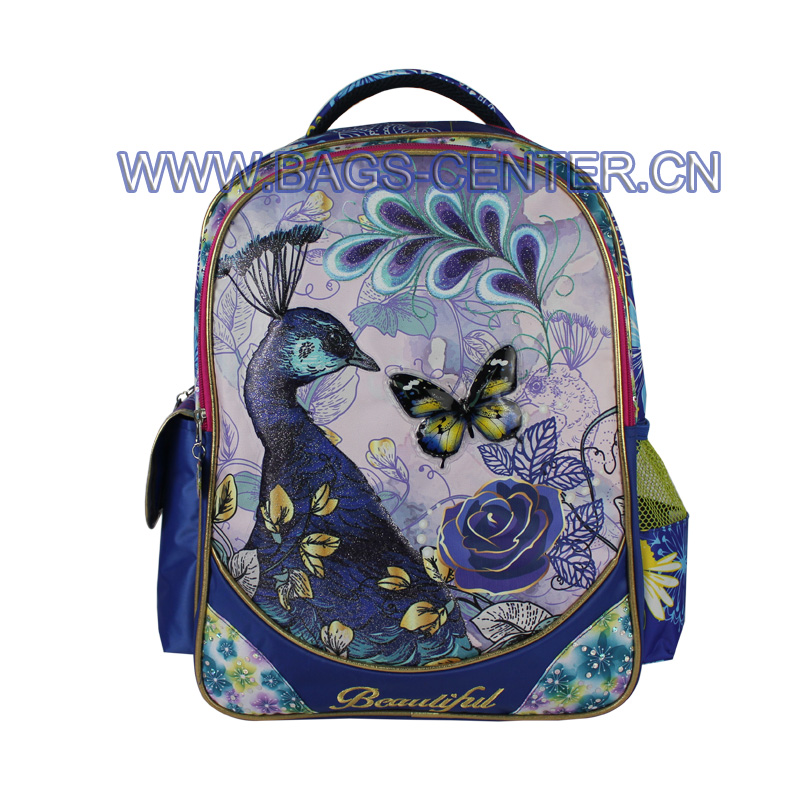
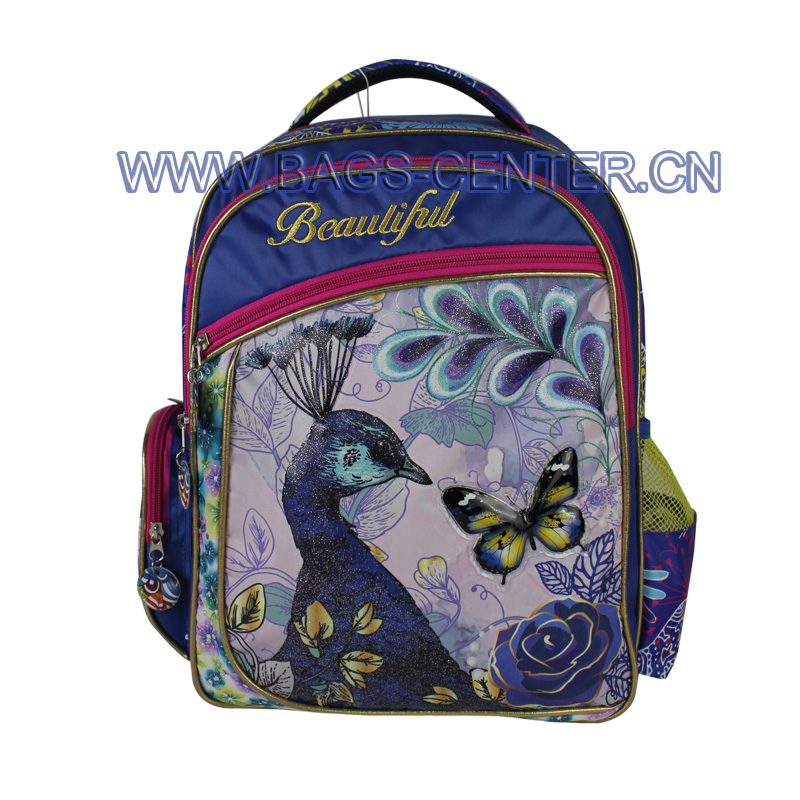
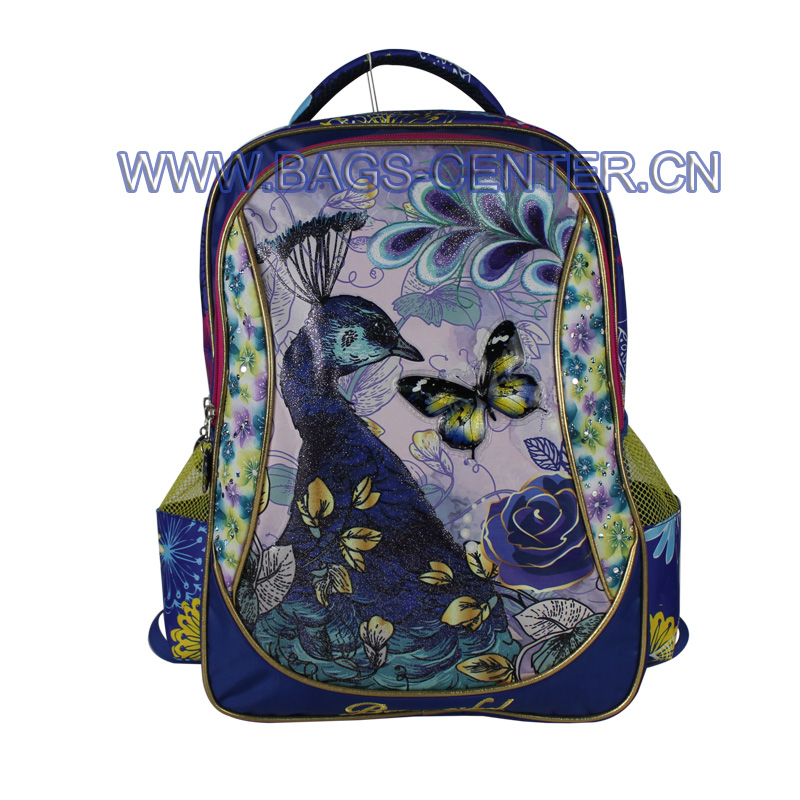
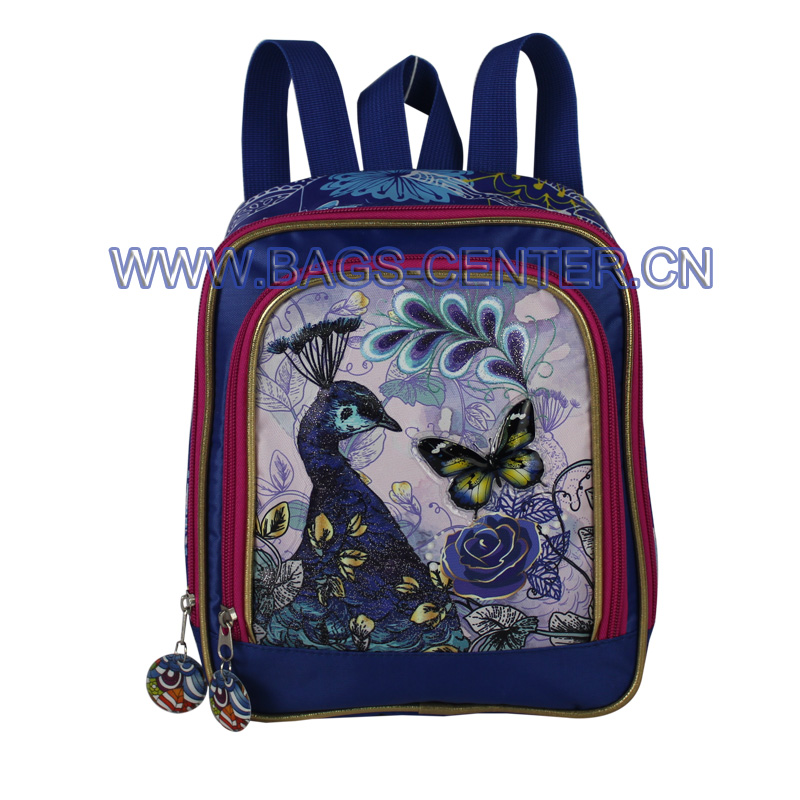
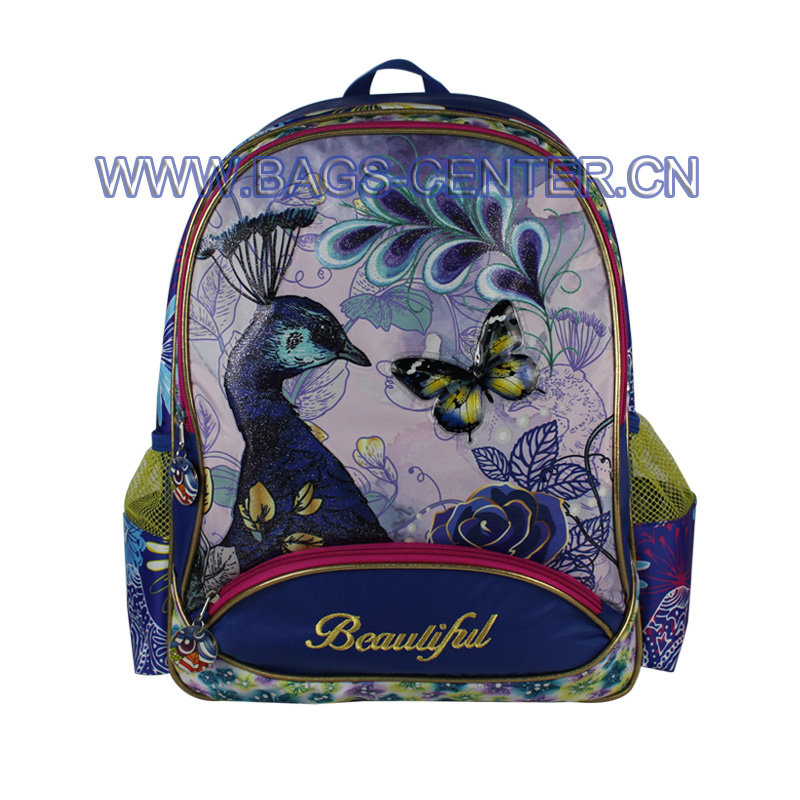
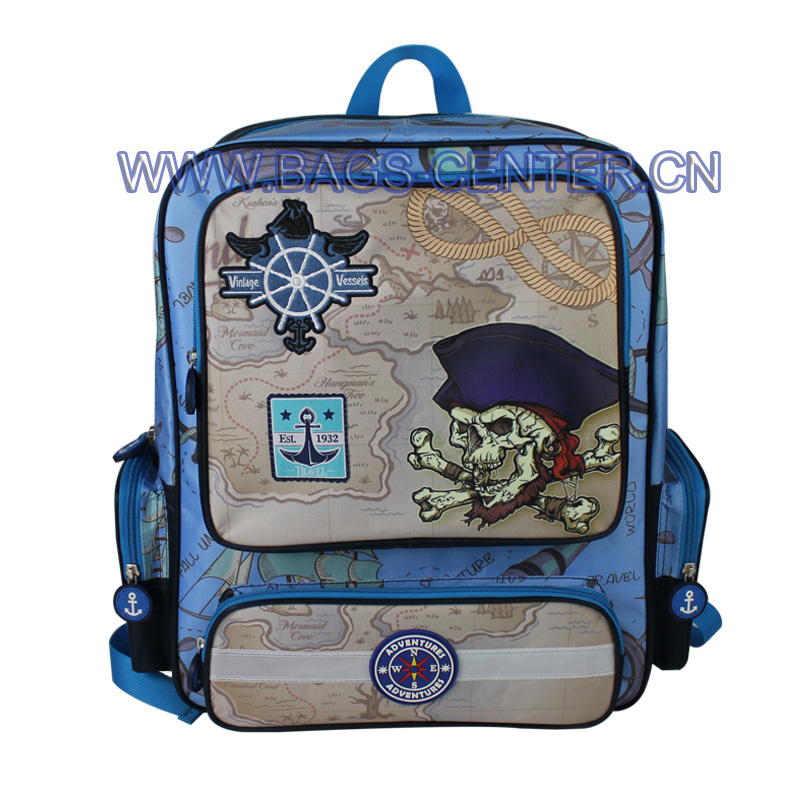
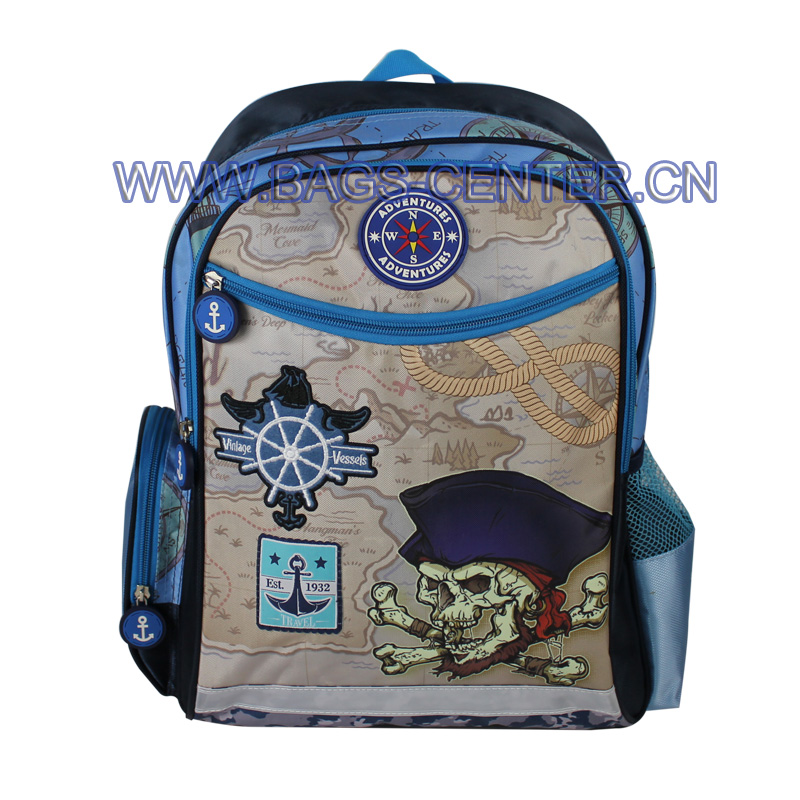
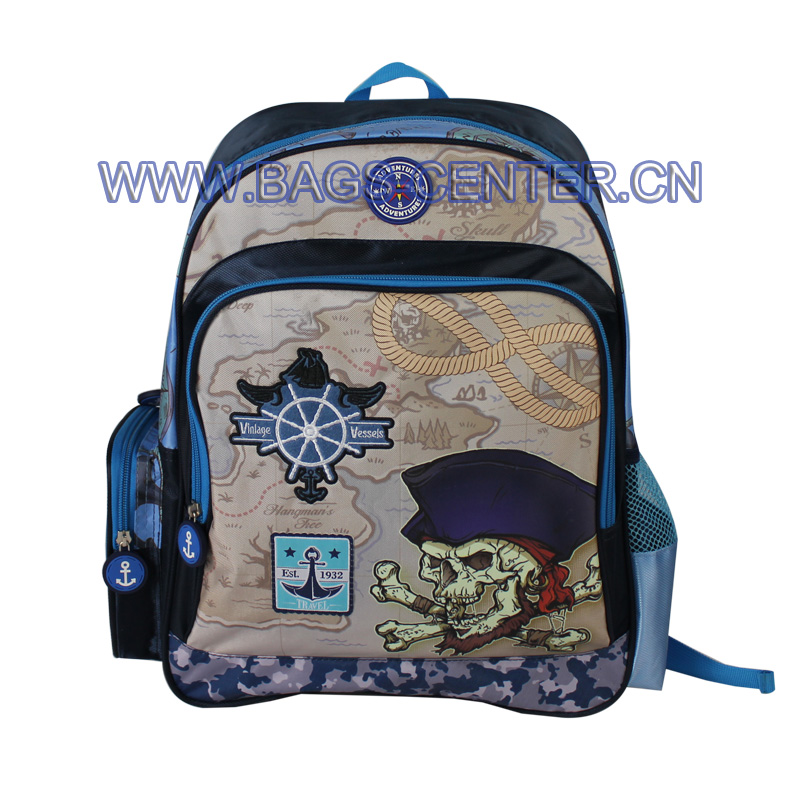
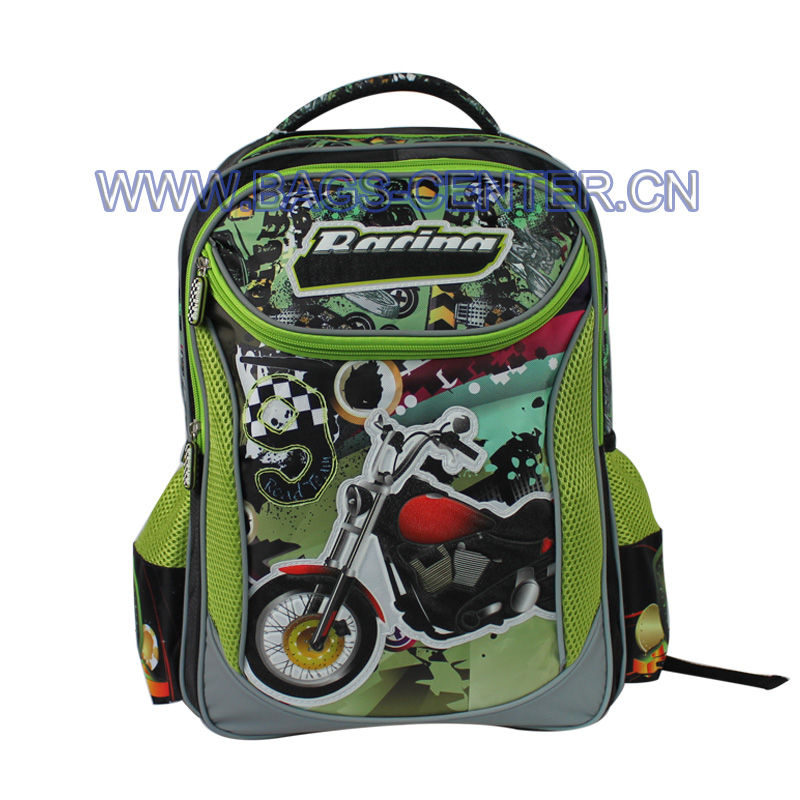
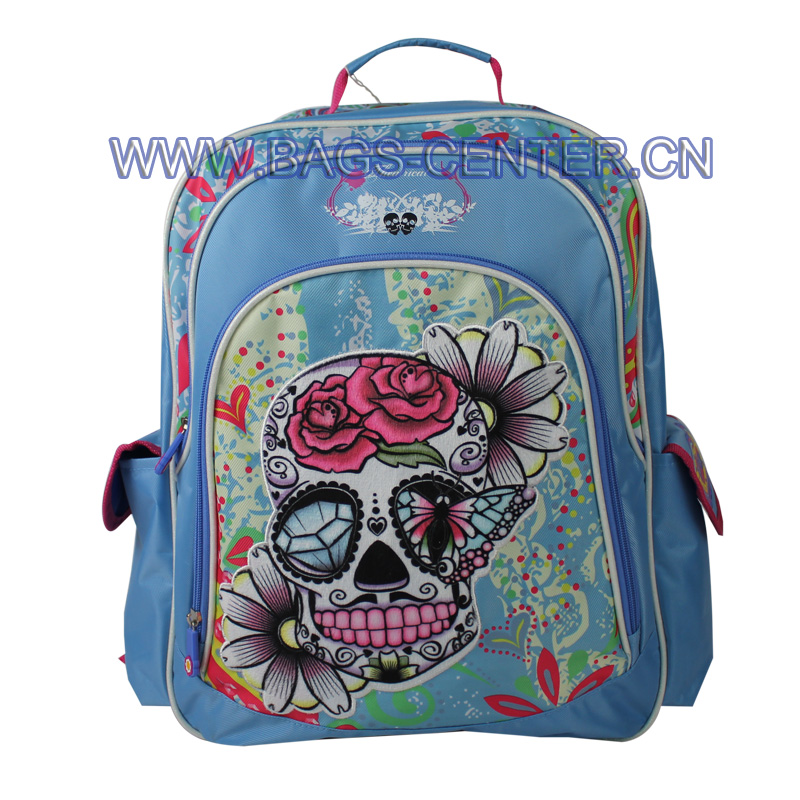
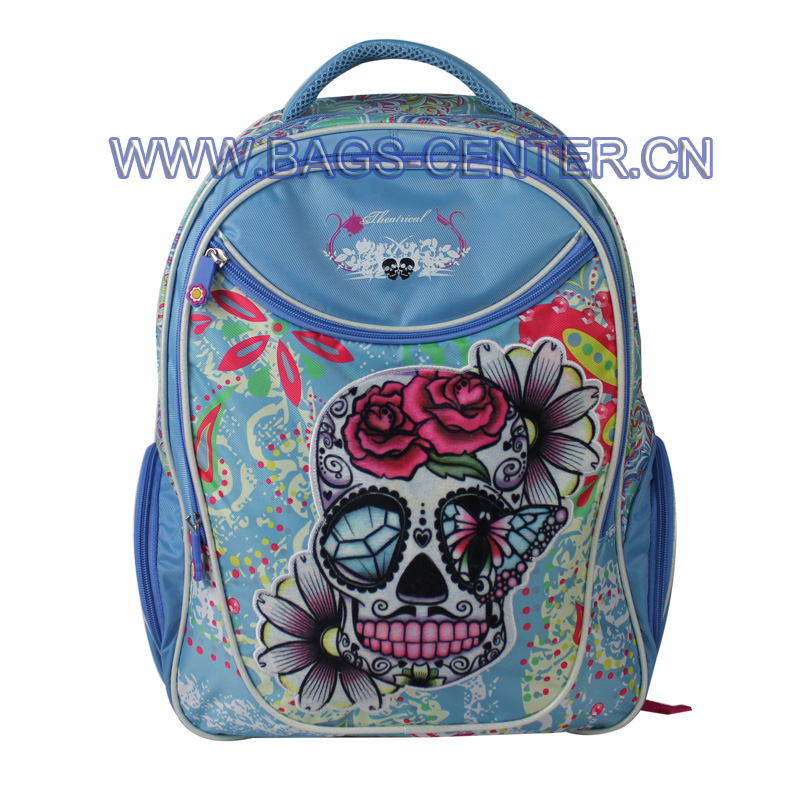
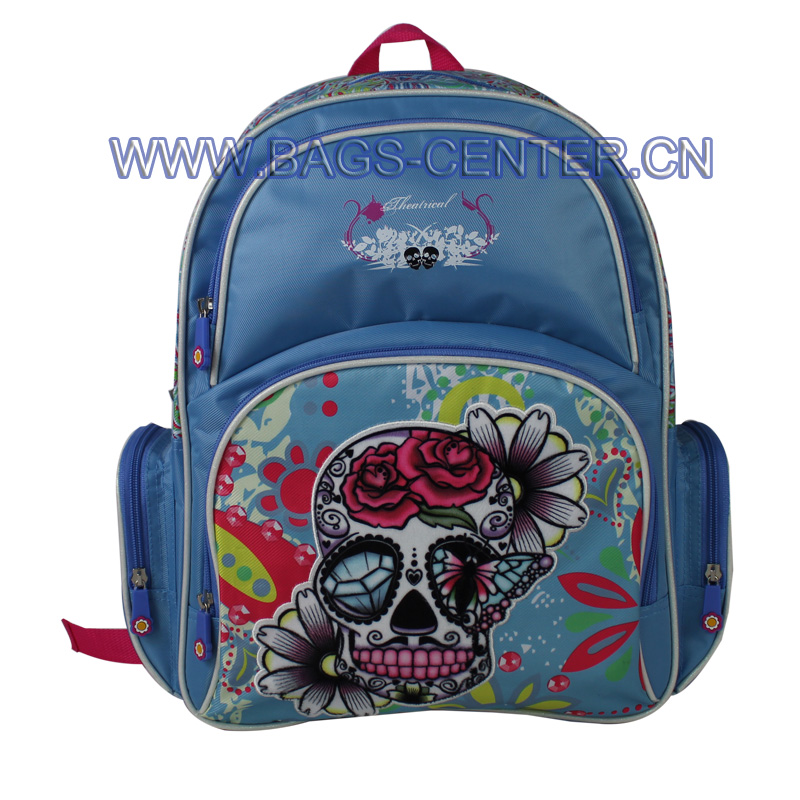
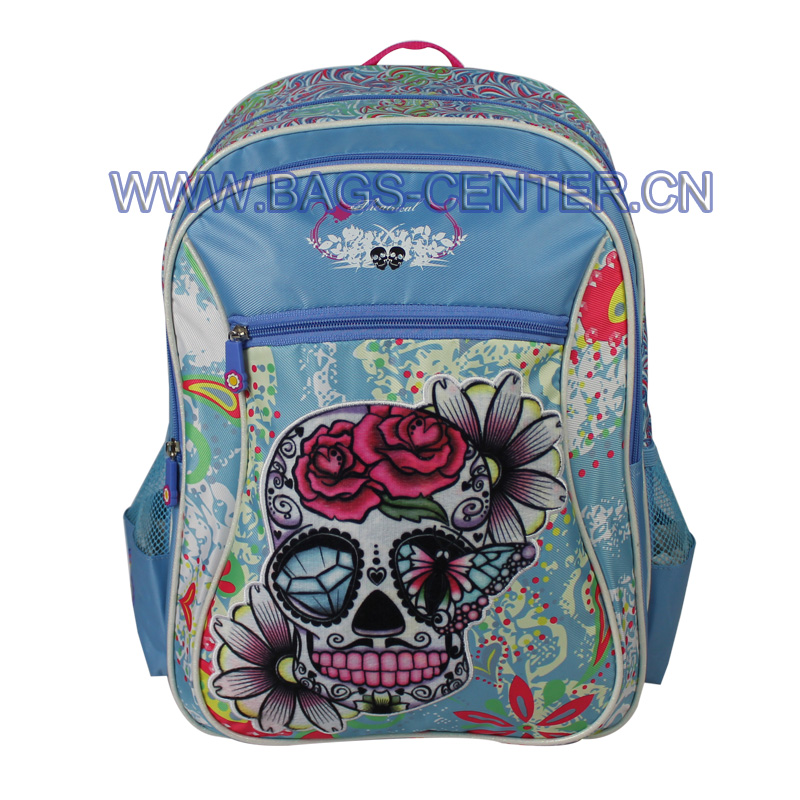
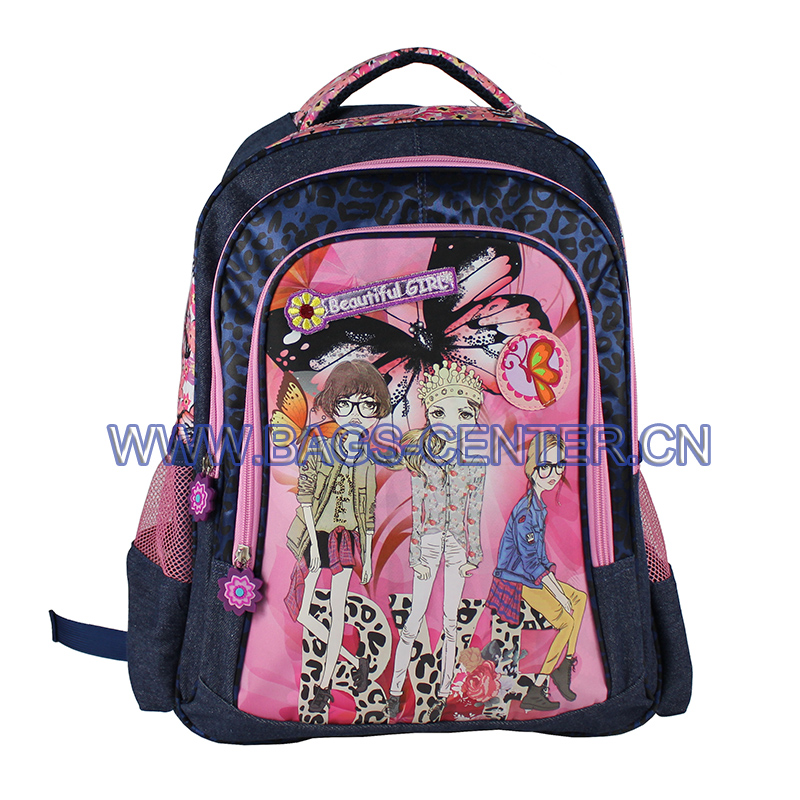
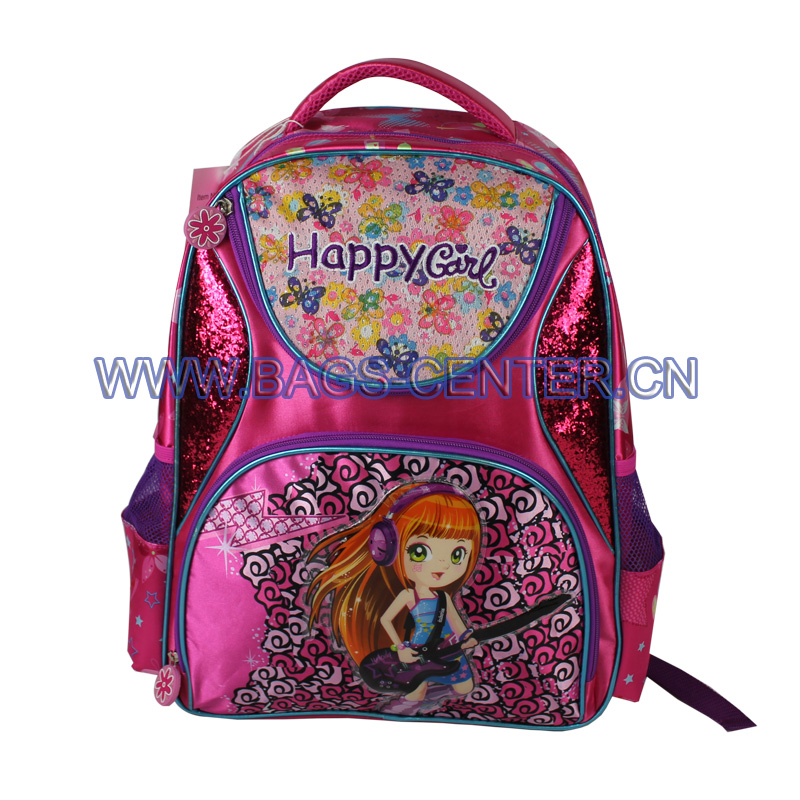
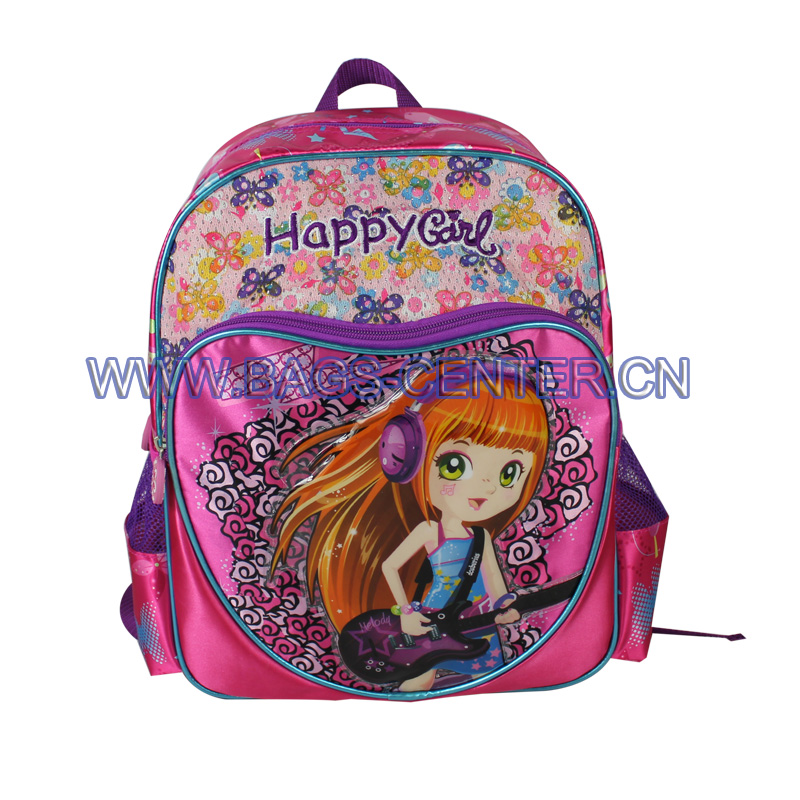
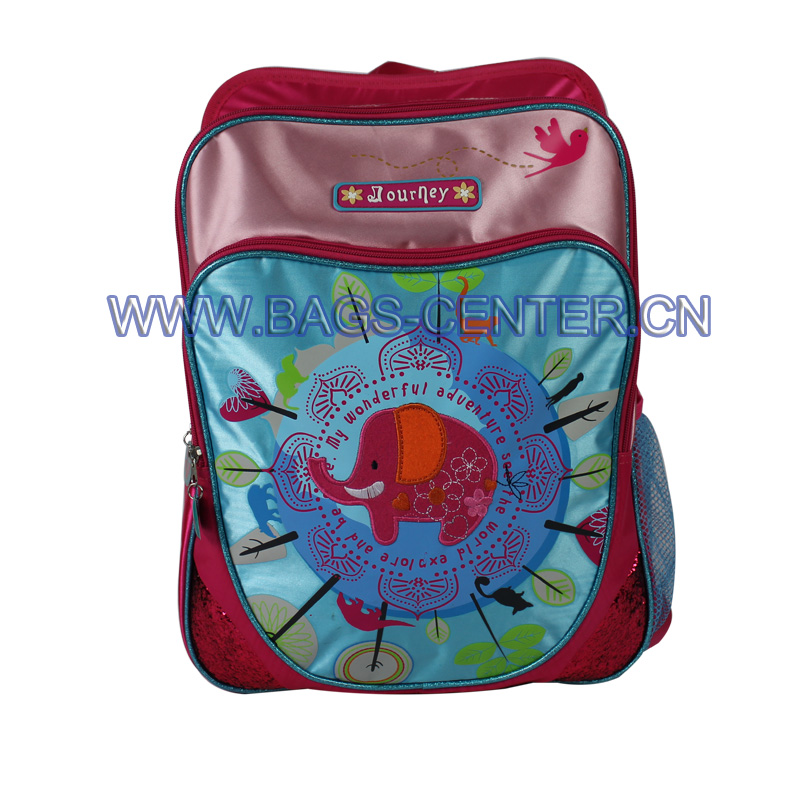
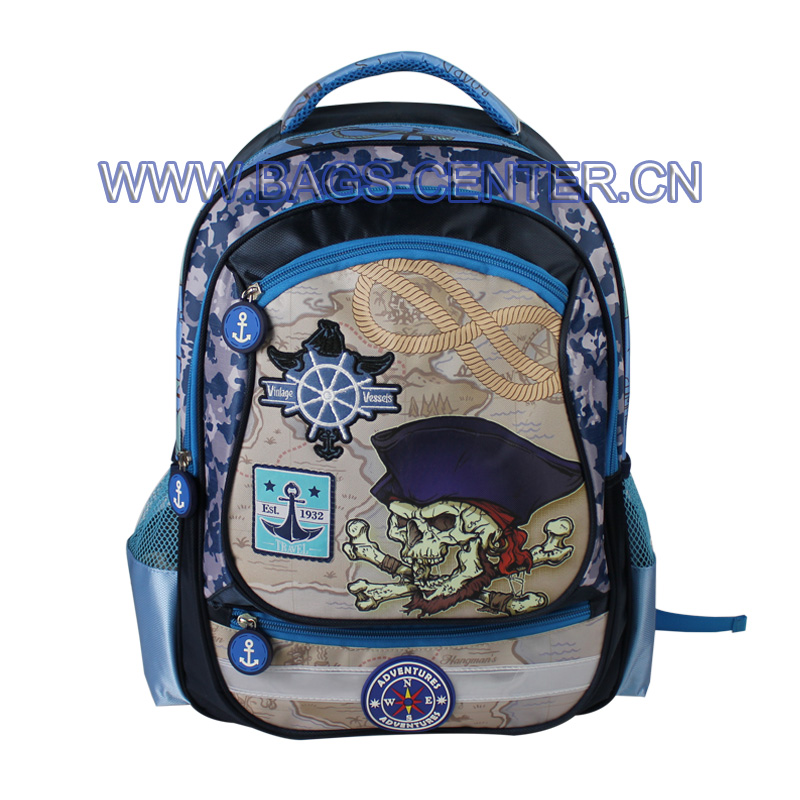
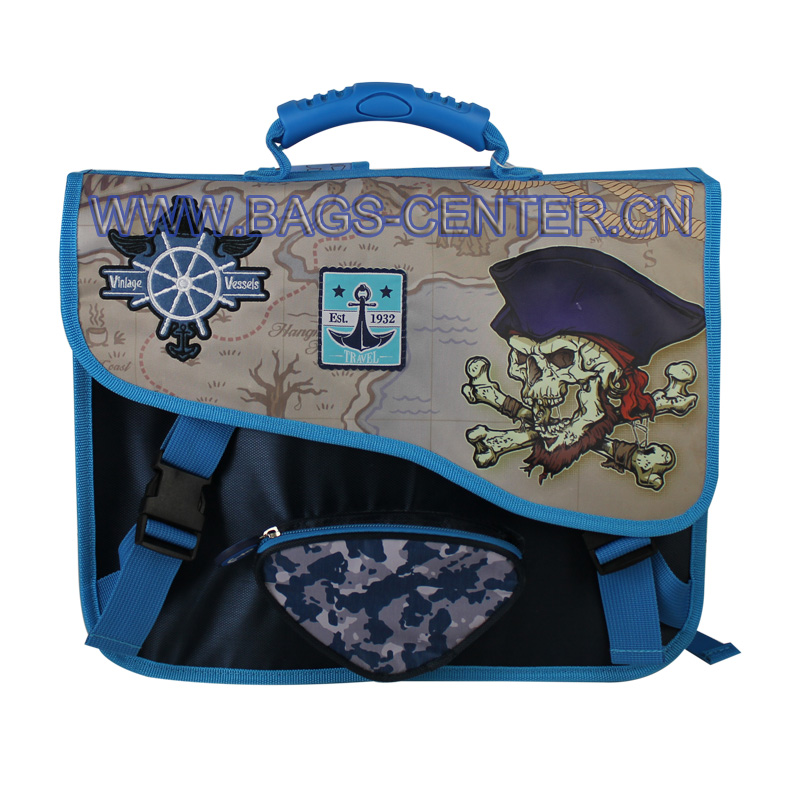
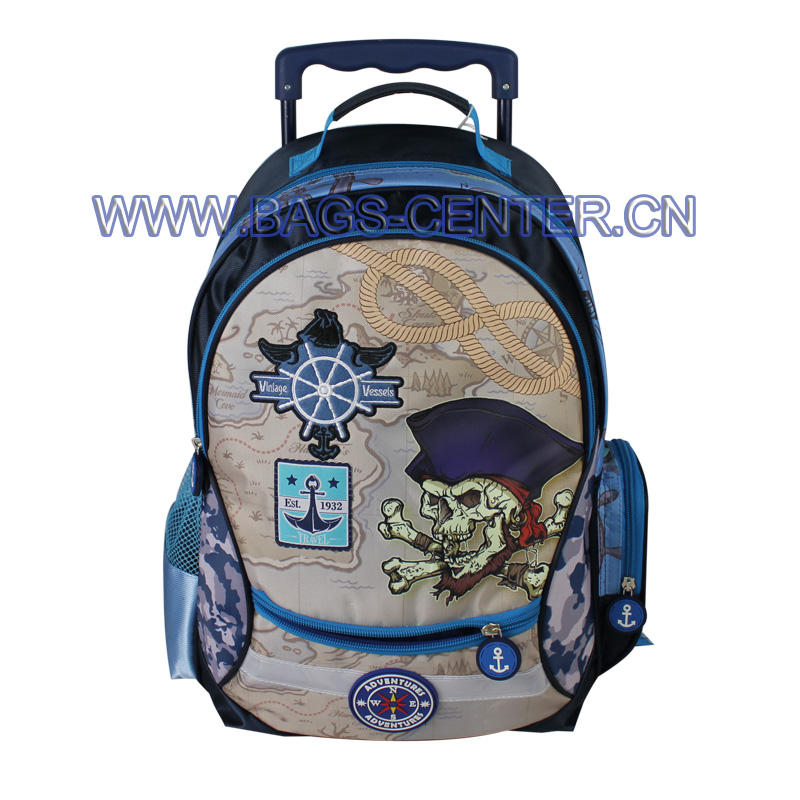
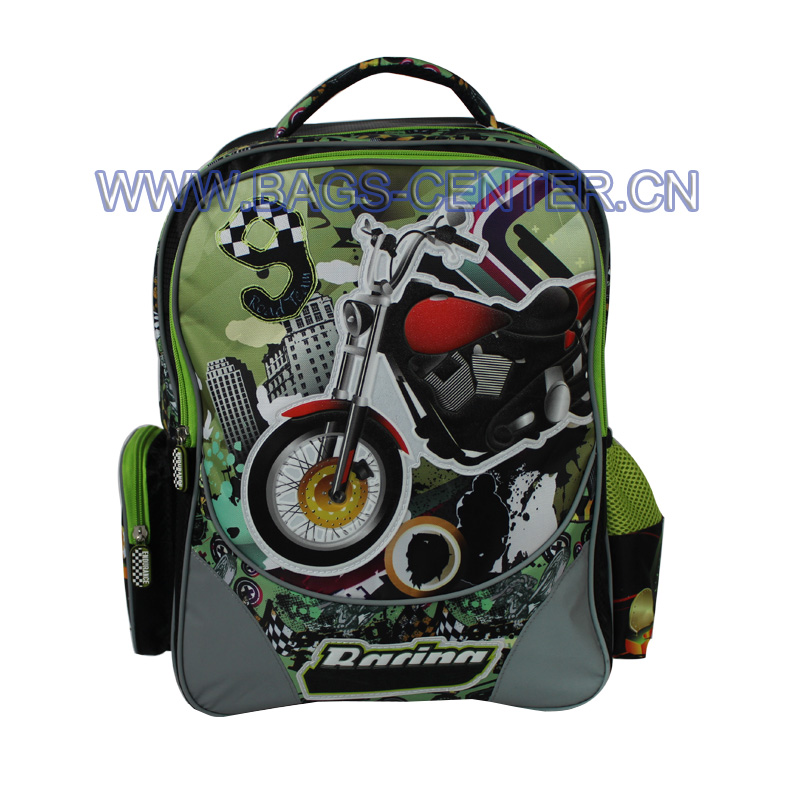
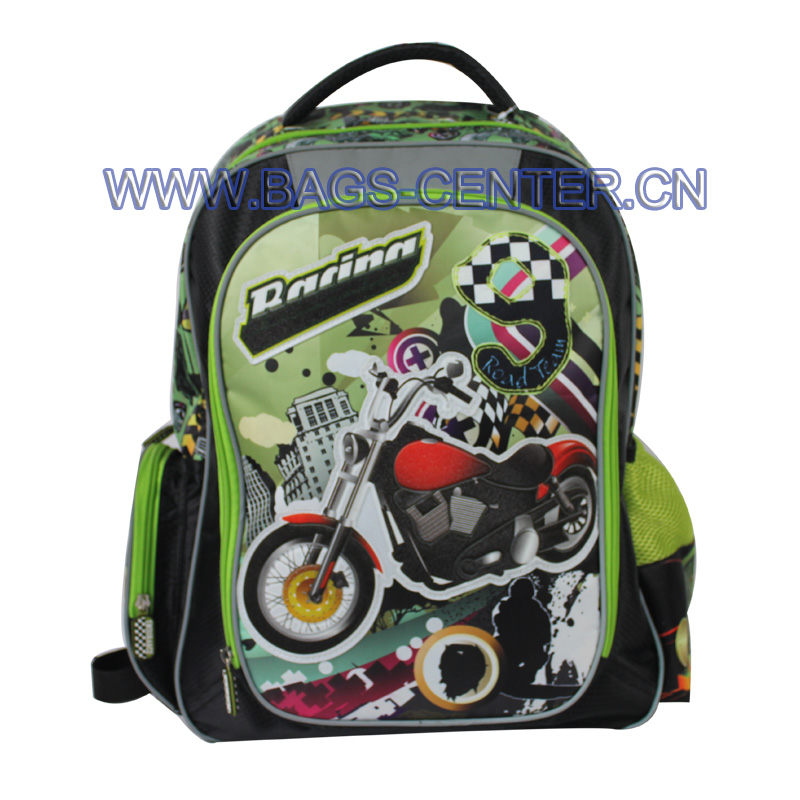
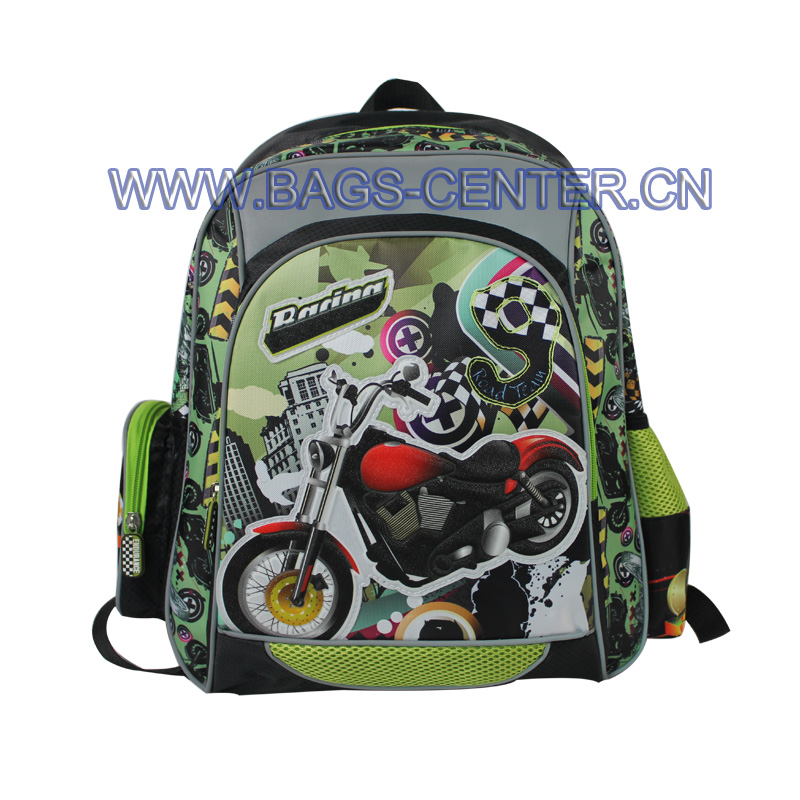
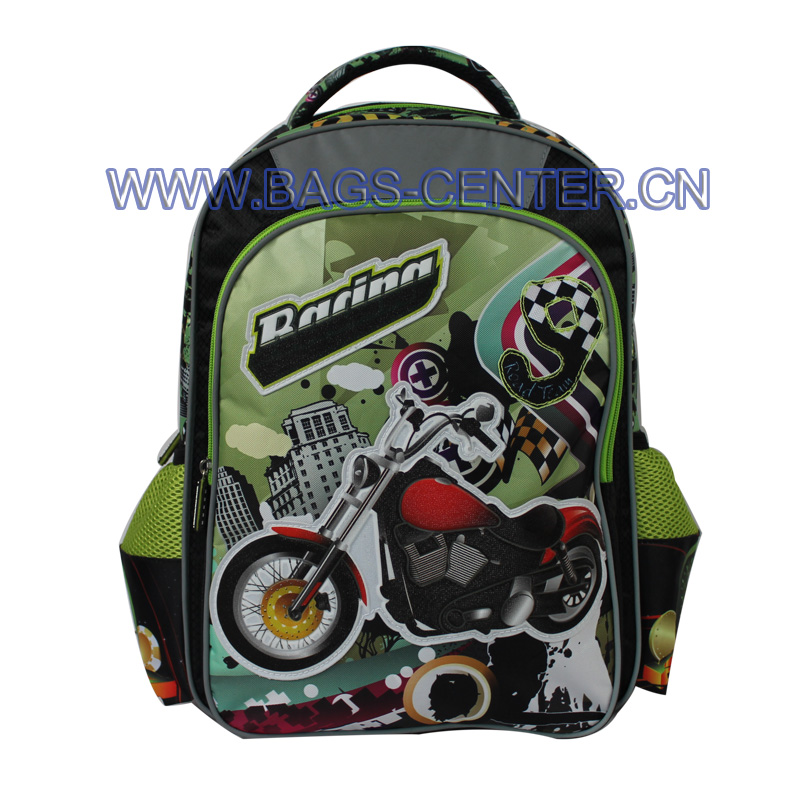
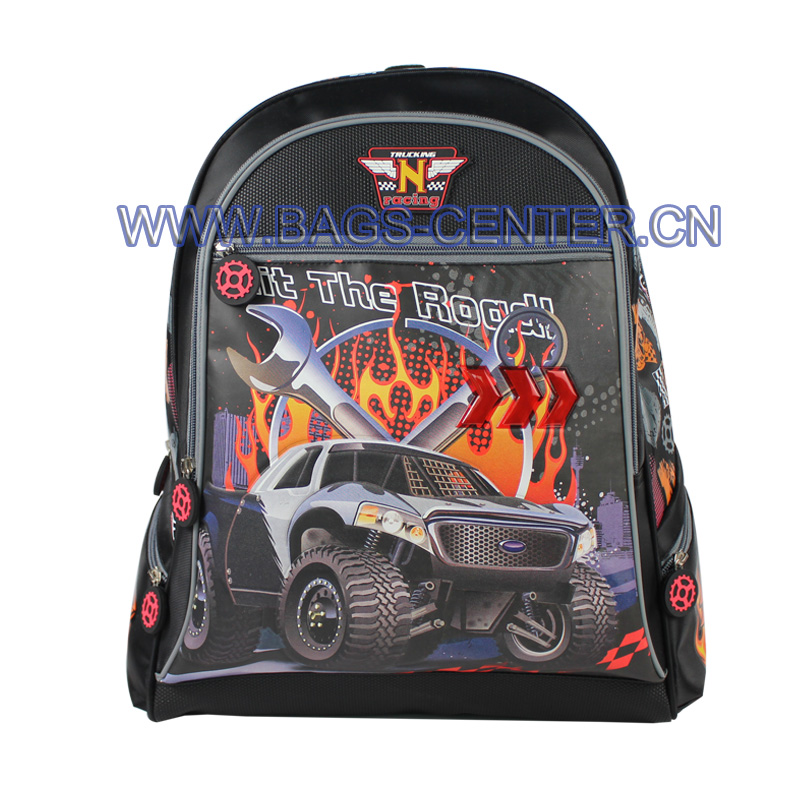
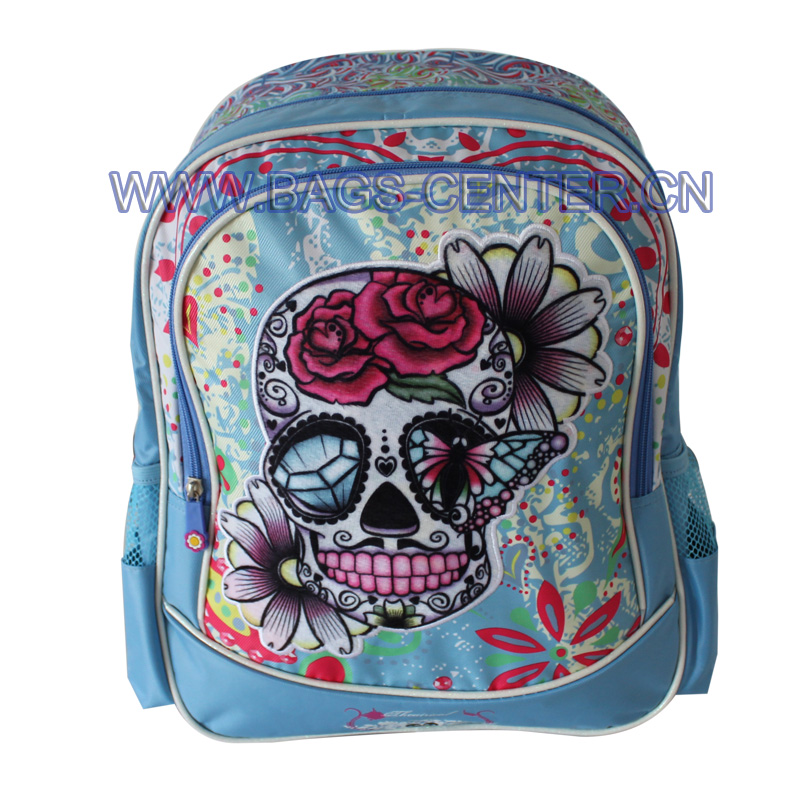
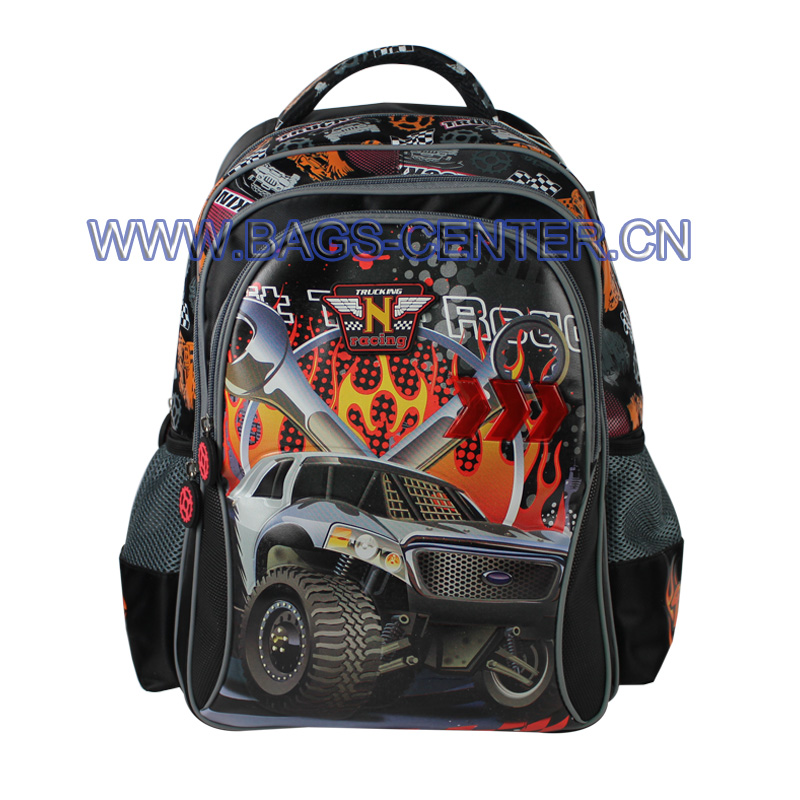
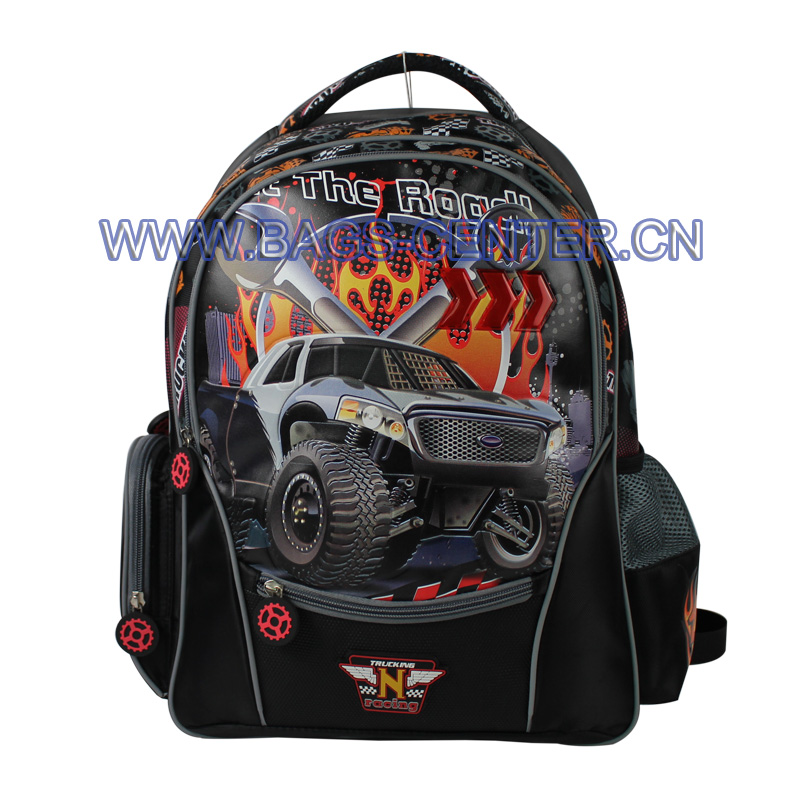
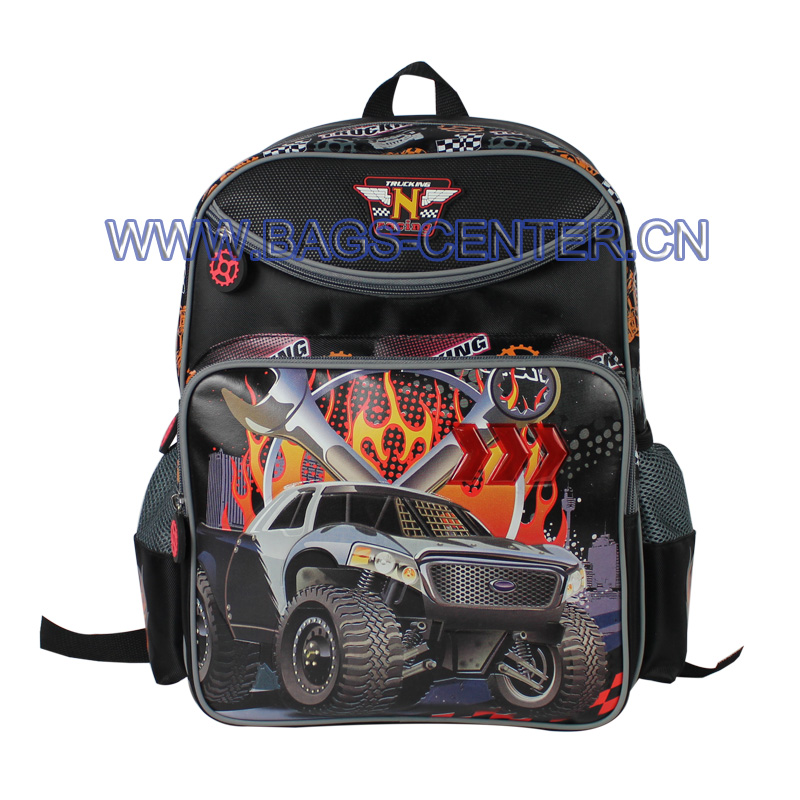
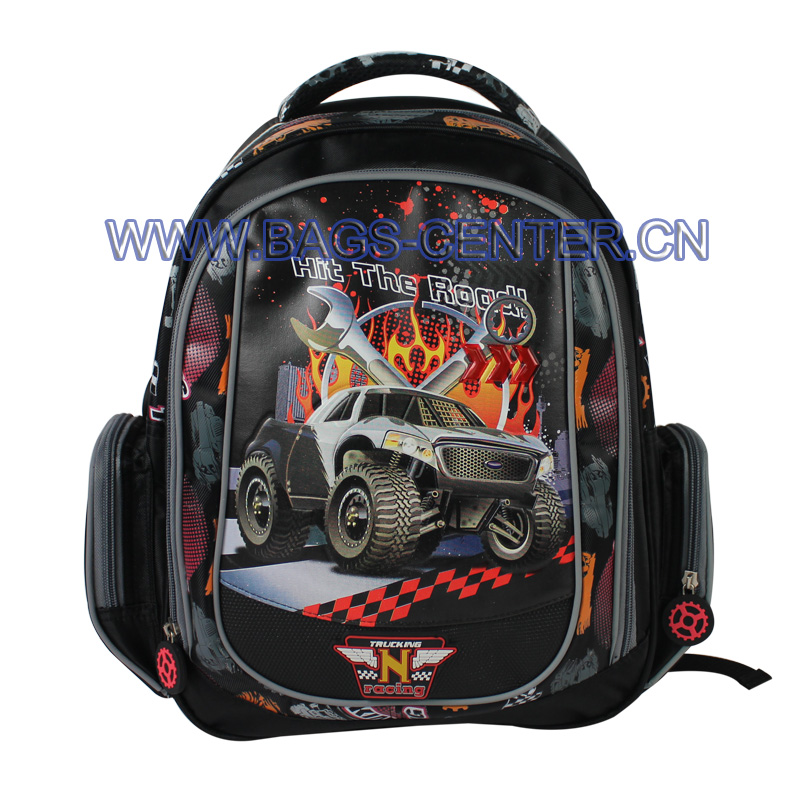
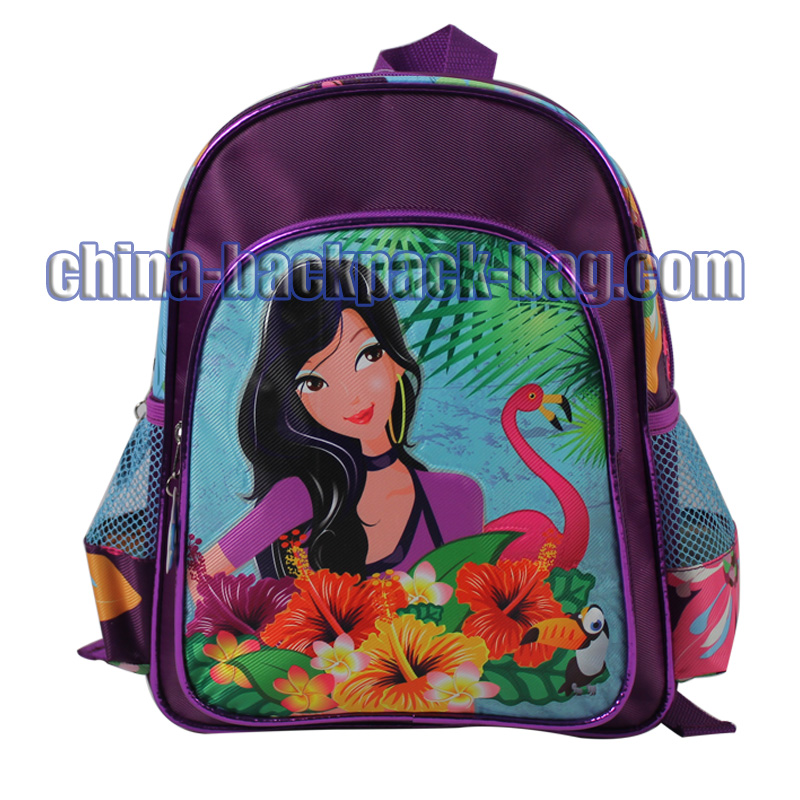
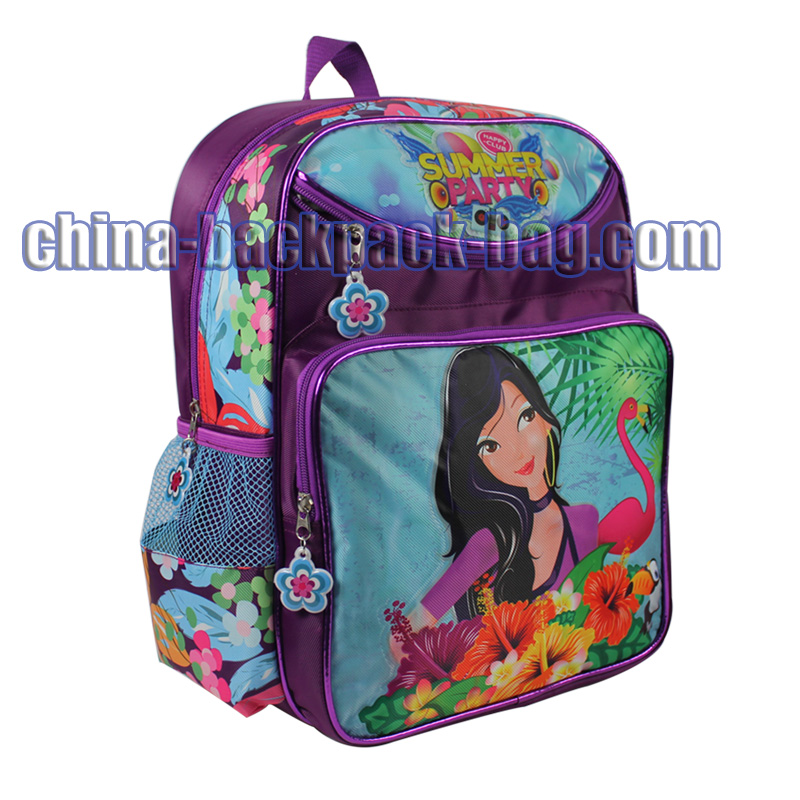
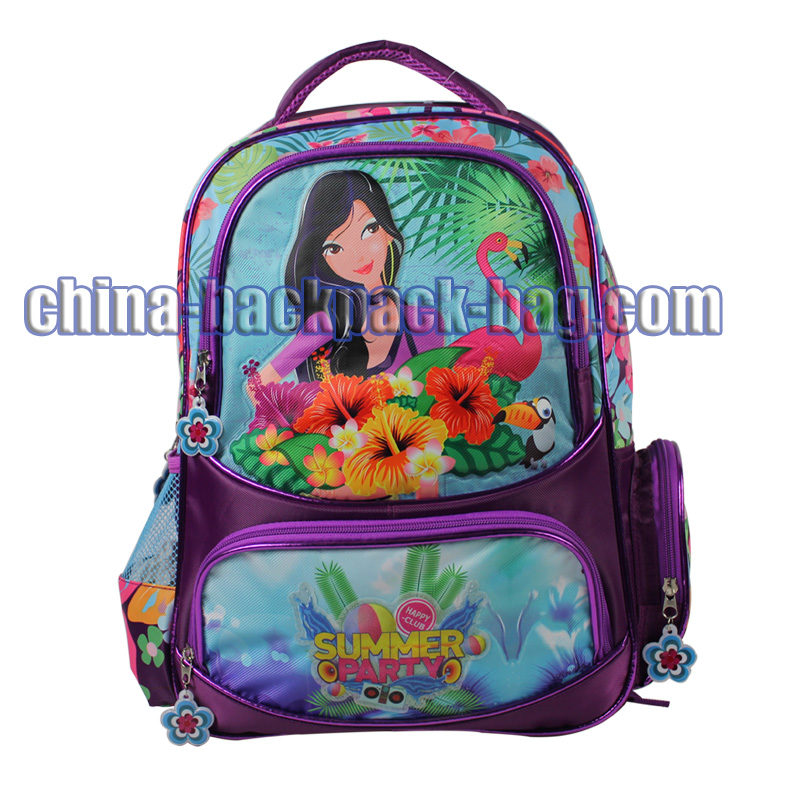
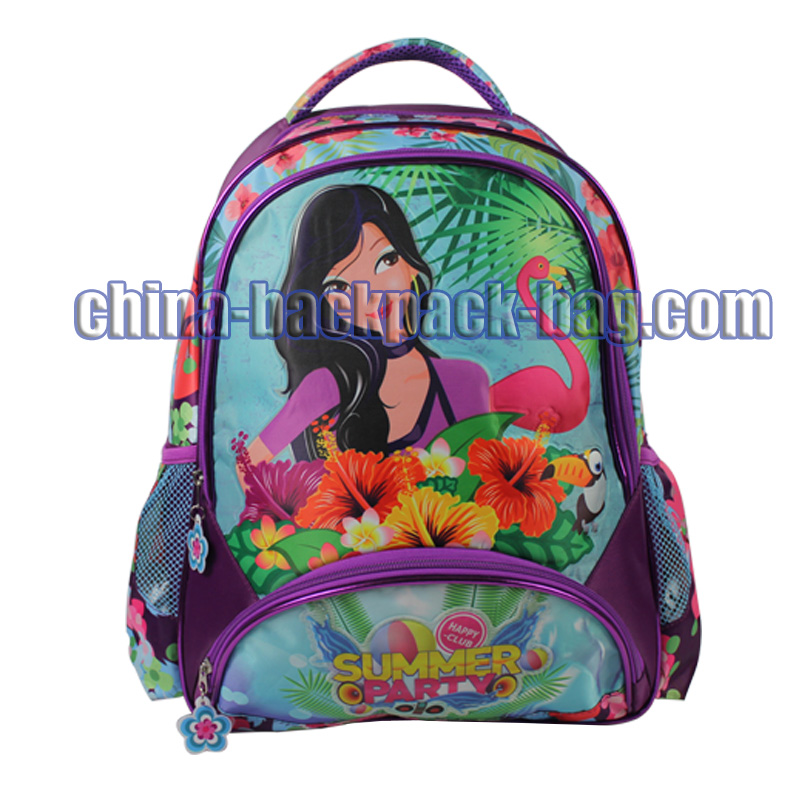
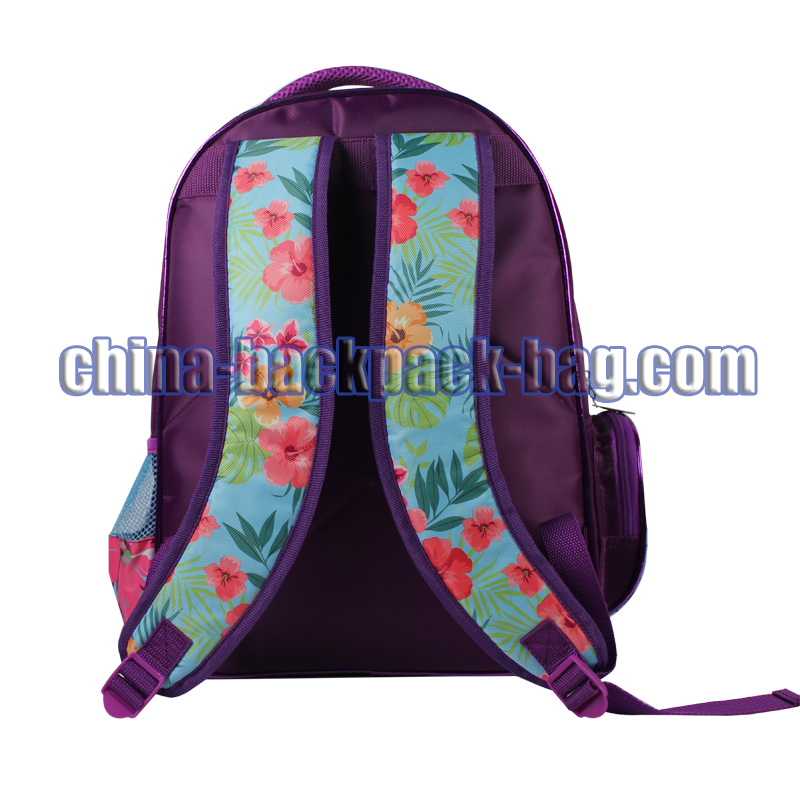
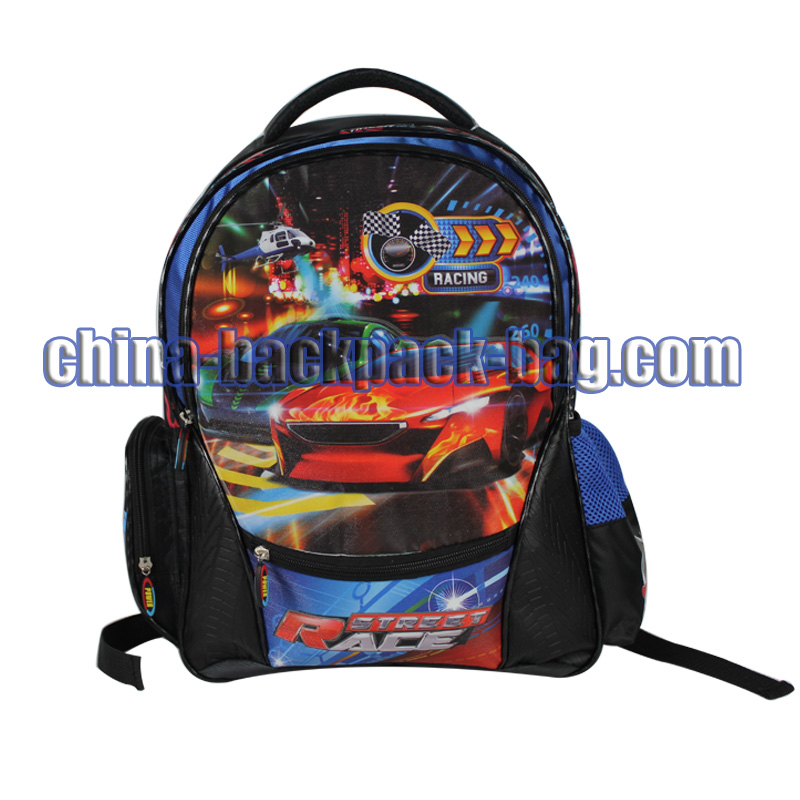
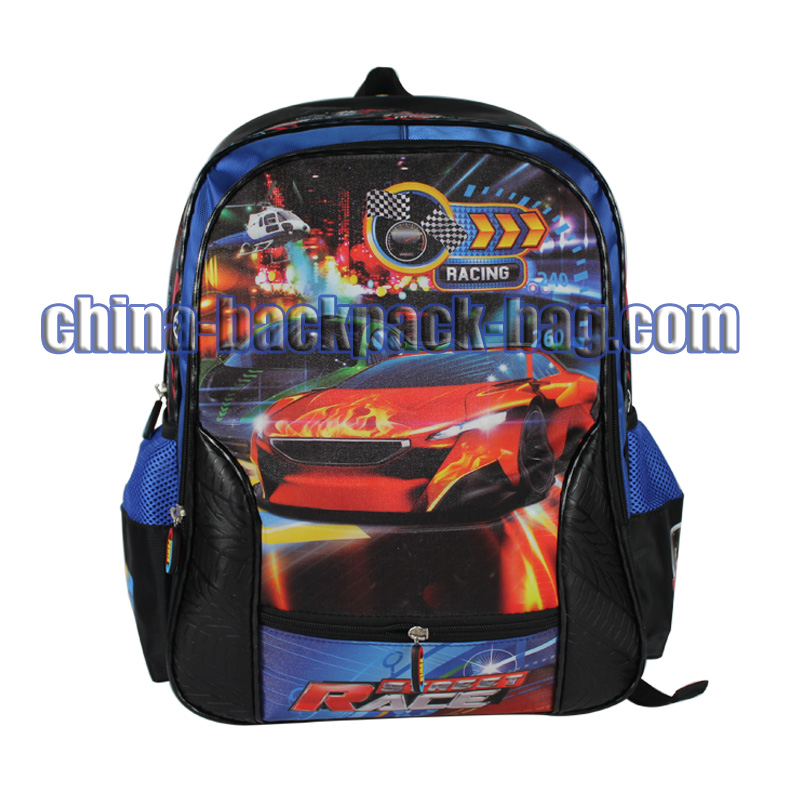
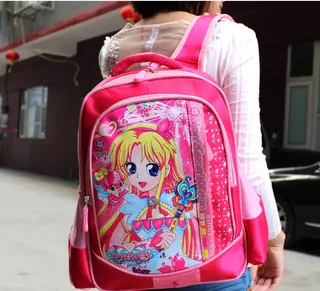
Educational Backpacks: School/college use with laptop compartments and organizational features
-
Outdoor/Trekking Backpacks: Hiking, camping, mountaineering with frame systems and weather resistance
-
Travel Backpacks: Luggage-style with suitcase openings and TSA compliance
-
Professional/Tactical Backpacks: Business, military, law enforcement with specialized organization
-
Sports/Fitness Backpacks: Gym, cycling, running with ventilation and equipment storage
-
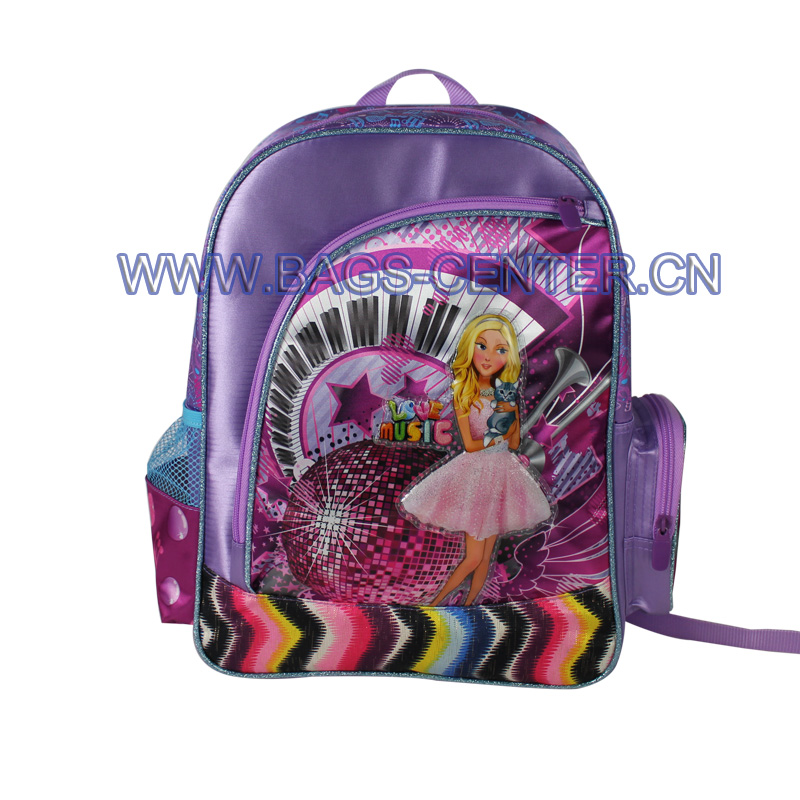
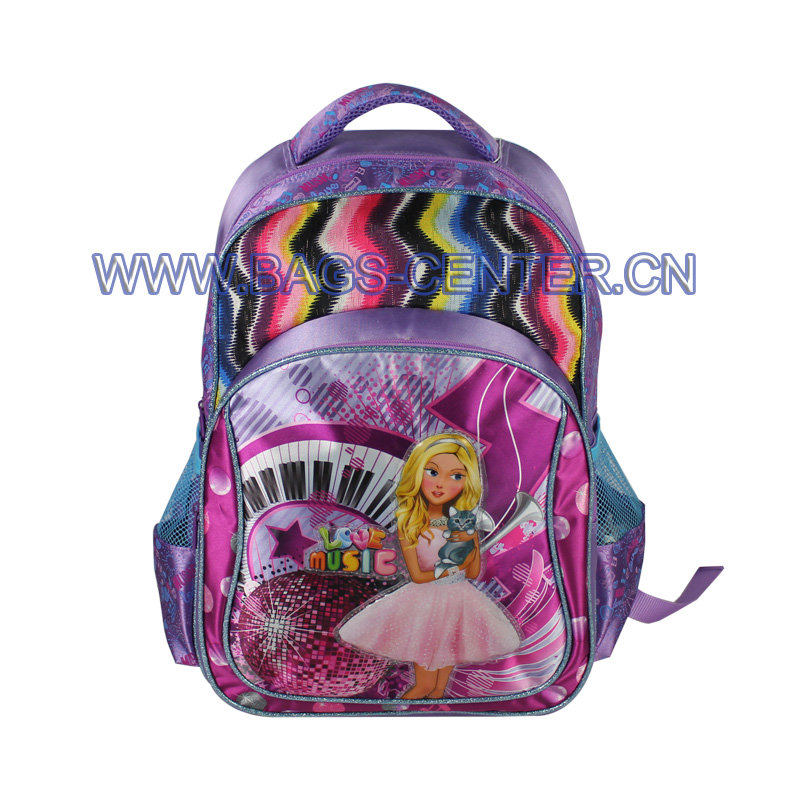
Urban/Fashion Backpacks: Lifestyle brands focusing on aesthetics and daily carry
-
Specialized Backpacks: Photography, medical, baby carrying, pet transportation systems
-
-
By Capacity & Size:
-
Daypacks (10-30L): Daily use, commuting, short excursions
-
Multi-day Packs (30-50L): Weekend trips, moderate trekking
-
Expedition Packs (50-80L+): Long-distance hiking, backpacking, expedition use
-
Ultralight Packs: Minimalist designs under 1kg for endurance activities
-
-
By Material Technology:
-
Fabrics: Nylon (Cordura®, Ripstop), Polyester, Canvas, Leather, Recycled materials
-
Coatings & Laminates: DWR (Durable Water Repellent), PU coatings, TPU laminates (waterproof)
-
Reinforcements: High-tenacity yarns, ballistic nylon, Kodra weaves
-
Sustainability: RPET (recycled plastic), organic cotton, biodegradable materials
-
-
By Features & Innovations:
-
Suspension Systems: Internal/external frames, hip belts, load lifters, ventilated back panels
-
Organization: Multiple compartments, MOLLE/PALS webbing, quick-access pockets
-
Weather Protection: Rain covers, waterproof zippers, seam sealing
-
Technology Integration: USB charging ports, RFID protection, solar panels
-
Safety Features: Reflective elements, emergency whistles, cut-resistant materials
-
Technology & Innovation Trends
-
Smart Backpack Integration:
-
Built-in power banks and wireless charging
-
GPS tracking and anti-theft systems with Bluetooth connectivity
-
Integrated lighting systems and emergency beacons
-
Weight distribution sensors and posture correction alerts
-
-
Advanced Material Science:
-
Self-cleaning and odor-neutralizing fabrics
-
Phase-change materials for temperature regulation
-
Ultra-lightweight yet durable composites (e.g., Dyneema®)
-
3D-printed components and custom-fit harness systems
-
-
Ergonomics & Health Focus:
-
Biomechanically engineered suspension systems
-
Ventilated back panels with airflow channels (e.g., AirScape®)
-
Gender-specific and adjustable torso length designs
-
Load monitoring systems to prevent overpacking injuries
-
-
Sustainability Revolution:
-
Circular economy models with take-back programs
-
Bio-based polymers and plant-derived materials
-
Zero-waste manufacturing and repair-focused designs
-
Carbon footprint tracking and transparent supply chains
-
Global Market Drivers
-
Rising educational enrollment and digital device proliferation
-
Outdoor recreation growth post-pandemic (hiking, camping, travel)
-
Urbanization driving daily commute and urban exploration needs
-
Increasing health consciousness and fitness activity participation
-
Professional hybrid work models requiring versatile carry solutions
-
Fashion and lifestyle trends elevating backpack aesthetics
-
Technological integration demands from connected consumers
-
Sustainability awareness and ethical consumption movements
Major Players & Value Chain
-
Premium Outdoor Brands: Osprey, Deuter, Arc'teryx, The North Face, Patagonia
-
Travel Specialists: Eagle Creek, Tumi, Peak Design, Tortuga
-
Lifestyle/Fashion: Herschel, Fjällräven, Eastpak, JanSport, Samsonite
-
Professional/Tactical: 5.11 Tactical, Maxpedition, GORUCK, Blackhawk
-
Sports Specialists: Nike, Adidas, Under Armour, Décathlon
-
Value Chain: Material suppliers → component makers → manufacturing → branding/marketing → distribution (wholesale/retail/e-commerce) → consumers
Challenges & Opportunities
-
Challenges:
-
Fast fashion competition and price pressure
-
Counterfeit products and brand imitation
-
Material cost volatility and supply chain disruptions
-
Environmental impact of synthetic materials and production
-
Market saturation in basic backpack segments
-
-
Opportunities:
-
Smart technology integration and IoT applications
-
Sustainable material innovation and circular business models
-
Customization and personalization through digital platforms
-
Expansion into emerging markets with growing middle class
-
Niche specialization (e.g., photography, EDC, tactical)
-
Direct-to-consumer and subscription service models
-