1. Industry Definition & Scope
The Artificial Plants, Trees, and Flowers Industry involves the design, manufacturing, distribution, and sale of lifelike decorative items made from synthetic materials such as plastic, silk, polyester, latex, and other composites. These products serve as permanent, low-maintenance alternatives or enhancements to real foliage and botanicals across residential, commercial, and public environments. The industry blends elements of home decor, commercial design, and event planning.
2. Major Product Categories
-
By Product Type:
-
Artificial Flowers: Stemmed flowers, bouquets, floral arrangements, single blooms. Includes all common types (roses, peonies, orchids, etc.).
-
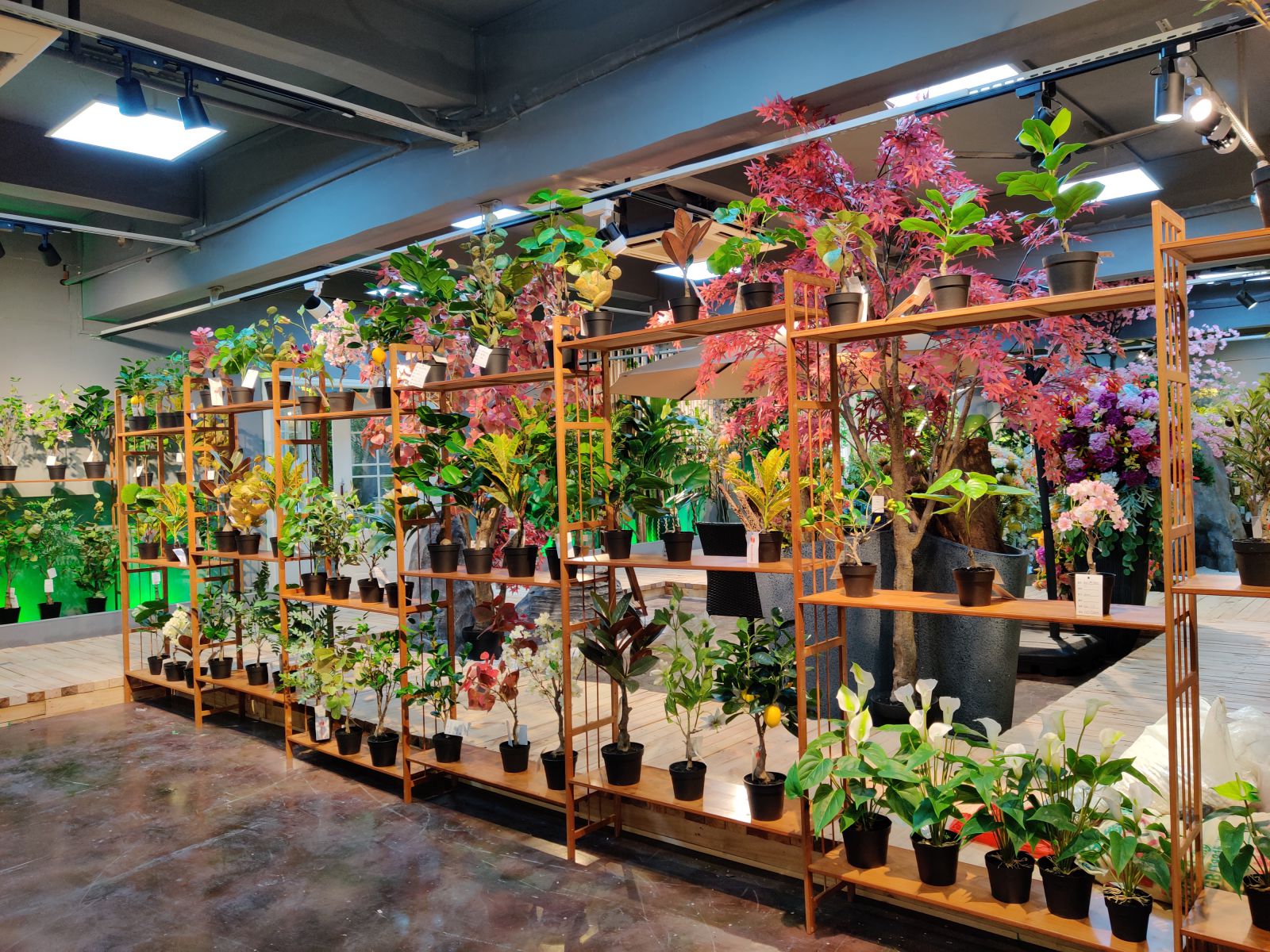
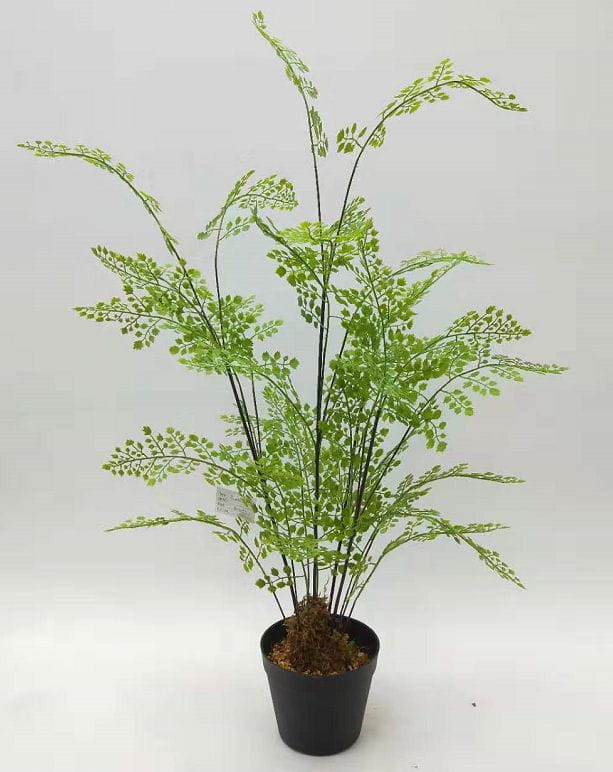
Artificial Plants: Potted and stand-alone replicas of indoor and outdoor plants (e.g., succulents, ferns, fiddle leaf figs, boxwood).
-
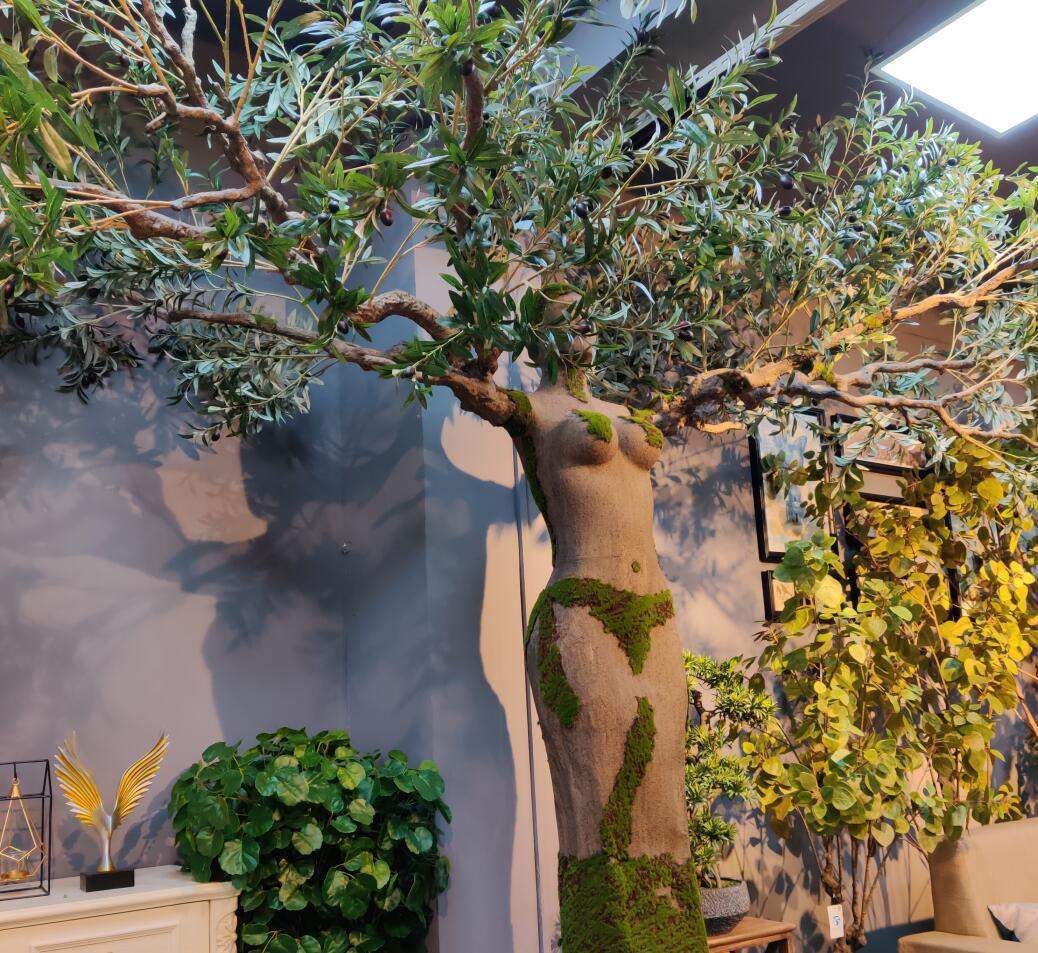
Artificial Trees & Topiaries: Larger-scale replicas (e.g., ficus, palm, olive trees) and sculpted greenery forms.
-
Artificial Greenery & Foliage: Garlands, vines, wreaths, moss, grass mats, hedges, and filler greenery.
-
Specialty & Botanical Items: Artificial fruits, vegetables, potpourri, and preserved botanicals (a closely related segment).
-
-
By Material & Quality Tier:
-
Premium/Silk Flowers: Historically made from silk, now often high-grade polyester/plastic with detailed veining, natural color variation, and realistic texture.
-
Polyester & Plastic: The most common materials, ranging from basic to very realistic.
-
Latex: Often used for realistic succulents, cacti, and some fruits due to its moldable, flesh-like texture.
-
Preserved/Dried Real Plants: Treated real plants (e.g., moss, eucalyptus) that last for years, often combined with artificial elements.
-
-
By Application & Market:
-
Residential/Home Decor: For living rooms, bedrooms, kitchens, patios.
-
Commercial & Office Decor: For lobbies, offices, hotels, restaurants to enhance ambiance with zero upkeep.
-
Retail Visual Merchandising: Used extensively in store displays and window dressing.
-
Event & Wedding Decor: For centerpieces, ceremony backdrops, venue decoration where fresh flowers are impractical or too expensive.
-
Public & Institutional Spaces: Used in airports, museums, hospitals, and schools for durable, allergen-free decoration.
-
Film, Theater & Photography Props: For sets and shoots requiring permanent or out-of-season foliage.
-
3. Industry Chain Structure
Upstream:
-
Raw Material Suppliers: Producers of polyester fabrics, plastics (PE, PVC), latex, dyes, pigments, wires, and plastics for pots and planters.
-
Mold & Design Manufacturers: Companies creating the intricate molds for leaves, petals, and fruits that define realism.
Midstream:
-
Manufacturers & Factories: Concentrated primarily in Asia (China being the dominant global hub), with some specialty production in Europe and the Americas. Processes include fabric cutting, plastic injection molding, wiring, assembly, and coloring.
-
Design Studios & Product Developers: Teams that research real botanicals to create new, on-trend designs and collections.
-
Quality Control: Ensuring color fastness, structural integrity, flame retardancy (for commercial use), and overall realism.
Downstream:
-
Brands, Importers & Wholesalers:
-
Home Decor Brands: (e.g., Nearly Natural, Afloral).
-
Mass Merchandisers & Craft Stores: (e.g., IKEA, Hobby Lobby, Michaels).
-
Specialty Wholesalers: Selling bulk to florists, event planners, and commercial designers.
-
-
Retail Channels:
-
Home Goods Stores: Brick-and-mortar and online.
-
Online Marketplaces: Amazon, Wayfair, Etsy (for handmade/custom).
-
Florists & Decor Shops.
-
-
Service Providers: Interior designers, event planners, commercial landscape designers who specify and install artificial greenery.
-
End Consumers: Homeowners, renters, business owners, facility managers, event organizers.
4. Key Market Dynamics & Characteristics
-
Driven by Aesthetics and Convenience: Core value proposition is permanent beauty with no watering, sunlight, or seasonal limitations.
-
Realism as a Key Purchasing Factor: Technological advancements in materials and manufacturing have dramatically increased quality, moving the market beyond "cheap fakes."
-
Interior Design Trend Sensitivity: Heavily influenced by color trends (e.g., Pantone Color of the Year), popular plant types (e.g., monstera trend), and design styles (minimalist, boho, jungle core).
-
Mixed Perception: While acceptance has grown, some consumers still prefer real plants for their air-purifying and psychological benefits.
-
Seasonality & Holiday Peaks: Significant sales spikes around major holidays (Christmas, Easter, Thanksgiving) for themed wreaths, garlands, and centerpieces.
5. Development Trends
-
Hyper-Realism & Botanical Accuracy:
-
Use of high-definition silk printing, hand-painted details, and mixed materials (e.g., real wood stems with silk leaves) to achieve near-indistinguishable realism.
-
-
Sustainability & Eco-Consciousness:
-
Development of recycled polyester fabrics and biodegradable plastics.
-
Brands highlighting durability as a form of sustainability (one purchase lasts decades).
-
Rise of preserved real plants as a premium, natural-alternative segment.
-
-
Modular & Customizable Systems:
-
Growth of modular green wall panels, buildable hedges, and mix-and-match plant stems for flexible commercial and residential installations.
-
-
Integration with Technology:
-
Artificial plants with integrated LED lighting for ambient effects.
-
Use of AR apps to visualize how an artificial tree or plant will look in a space before purchase.
-
-
Direct-to-Consumer & Niche Brands:
-
Proliferation of online-native brands offering curated, high-quality collections directly to consumers, often with strong visual storytelling.
-
6. Major Challenges & Opportunities
Challenges:
-
Environmental Scrutiny: Criticism over use of plastics and non-biodegradability, especially for low-quality products that are quickly discarded.
-
Perception as "Tacky" or "Low-Quality": Overcoming the legacy stigma through education and superior product design.
-
Competition from Live Plant Boom: The concurrent rise in popularity of houseplants and "plant parenting" as a hobby.
-
Supply Chain Dependency: Heavy reliance on manufacturing clusters in specific geographic regions.
Opportunities:
-
Commercial & Real Estate Staging: Huge demand from the hospitality, office, and home staging sectors where maintenance-free greenery is essential.
-
"Black Thumb" & Low-Light Market: Serving consumers in apartments, offices, or with poor lighting where real plants struggle.
-
Allergy-Friendly & Hygienic Solutions: Critical for healthcare, food service, and environments where soil and pollen are concerns.
-
Urbanization & Biophilic Design: As people live more in cities, artificial plants offer a practical way to integrate nature-inspired design (biophilia) into built environments.
-
Customization for High-End Projects: Opportunity to create large-scale, bespoke installations for hotels, casinos, and luxury retail.

.jpg)
.jpg)
.jpg)