
Comprehensive Analysis and Solutions for Control Valve Leakage
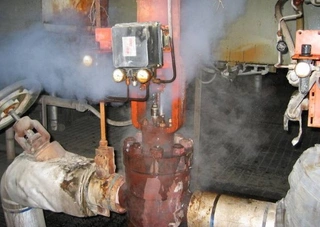
In industrial production, control valves are indispensable key equipment. They act like precise flow controllers, ensuring that various fluid media are delivered according to predetermined flow rates and pressures. However, during long-term operation, control valves often encounter various problems, among which leakage is the most common and troublesome. Control valve leakage not only causes material waste and reduced production efficiency, but may also trigger serious safety incidents. Therefore, thoroughly exploring the causes of control valve leakage and mastering effective solutions is crucial for ensuring the smooth operation of industrial production.
Main Causes of Control Valve Leakage
In industrial production, the proper operation of control valves is vital to ensure smooth and safe production processes. However, control valve leakage occurs frequently, bringing many inconveniences and potential risks to production. To effectively solve this problem, we first need to deeply understand the main causes of control valve leakage. Only by clarifying the causes can targeted measures be taken to address them. The following is a detailed exploration of the common causes of control valve leakage to better understand the root of the problem.
1. Inaccurate Zero Position of the Actuator
During the operation of a control valve, the zero position setting of the actuator is crucial. If the zero position is inaccurate, the valve cannot reach a fully closed position, resulting in leakage. For example, some control valves can easily reach the fully closed position when adjusted without pressure, but under pressure, due to insufficient actuator thrust to overcome the upward force of the fluid, the valve cannot fully close. In this case, even manually forcing the valve shut cannot completely solve the problem, as the insufficient actuator thrust is the fundamental cause.
2. Valve Manufacturing Quality Issues
Valve manufacturers' inadequate control over material, machining, and assembly processes is an important reason for control valve leakage. For instance, if the sealing surface grinding is substandard or defects such as pits or porosity are not completely eliminated, internal leakage in electric control valves may occur. These problems may gradually appear after the valve is put into service, leading to serious leakage.
3. Limitations of the Control Method
The traditional control method for electric control valves relies on mechanical components such as valve limit switches or over-torque switches. These control elements are greatly affected by environmental temperature, pressure, and humidity, which can easily cause valve positioning errors. For example, spring fatigue and uneven thermal expansion coefficients are objective factors that can cause internal leakage in electric control valves. Moreover, because the action position of limit switches is relatively fixed, continuous erosion and wear of the valve by the medium during operation can also cause internal leakage due to incomplete valve closure.
4. Cavitation and Medium Erosion
Cavitation is a common cause of control valve leakage. When the actual pressure difference (ΔP) across the valve exceeds the critical cavitation pressure (ΔPc), cavitation occurs. During cavitation, the collapse of bubbles releases enormous energy, causing severe damage to throttling components such as the valve seat and plug. Generally, operating a valve under cavitation conditions for three months or even less can result in serious cavitation erosion, causing valve seat leakage as high as 30% of the rated flow. In addition, erosion and abrasion from the medium will reduce the valve's sealing performance over time, making leakage increasingly severe.
5. External Leakage
External leakage in pneumatic control valves is relatively easy to detect. Causes include insufficient tightening of the packing gland, aging or deterioration of PTFE packing, damaged sealing gaskets, and loose fastening nuts between the valve body and upper and lower covers. If these issues are not addressed promptly, they will not only cause material waste but may also create safety hazards.
Solutions for Control Valve Leakage
After thoroughly analyzing the main causes of control valve leakage, we have a clear understanding of the problem. However, merely understanding the root causes is not enough; it is more important to master effective solutions to ensure the normal operation of control valves and guarantee the smooth progress of industrial production. The following focuses on solutions for control valve leakage, covering simple adjustments to complex process improvements, providing practical solutions for leakage issues under different conditions.
1. Adjusting the Actuator
For issues caused by inaccurate actuator zero positions, the following steps can be taken:
Manually close the valve fully to ensure it is completely shut.
Apply additional manual force until it cannot be turned further.
Turn back (in the opening direction) half a turn.
Adjust the limit to ensure the valve closes accurately.
If the actuator thrust is insufficient, consider replacing it with a higher-thrust actuator or switching to a balanced valve plug to reduce unbalanced medium forces.
2. Reworking the Sealing Surface
For sealing surface issues caused by manufacturing defects, the sealing surface must be reworked. During processing, operations must strictly follow standards to ensure the flatness and precision of the sealing surface. Products with pits or porosity defects must be thoroughly inspected and repaired to ensure the valve's sealing performance.
3. Improving the Control Method
For electric control valves, advanced control systems such as intelligent positioners can be used. Intelligent positioners automatically adjust the valve's limit and torque based on actual operating conditions, improving control accuracy and reliability. Regular maintenance and calibration of control elements is also important to ensure normal valve operation.
4. Process Improvements
For cavitation and medium erosion, process improvements can help. For example, using multi-stage pressure reduction or sleeve-type control valves can effectively reduce the pressure drop and minimize cavitation. Installing throttling plates downstream of the control valve to maintain the pressure above the fluid's vapor pressure can prevent bubble formation in high-velocity low-pressure zones. For large pressure drops, using two control valves in series can distribute and limit the pressure differential.
5. Treating External Leakage
For external leakage in pneumatic control valves:
If the packing gland is not tight, increase packing using double or multi-layer mixed packing.
Replace aged or deteriorated PTFE packing with flexible graphite packing.
Ensure all old packing is completely removed when installing new packing to avoid residues affecting sealing.
For stem leakage, check the flow direction of the control valve and consider changing from “flow-closed” to “flow-open” to improve stem sealing.
6. Addressing Internal Leakage
For internal leakage in pneumatic control valves, first check for foreign objects inside the valve. If present, disassemble the valve to inspect, clean, and remove blockages. For cases prone to crystallization or clogging, changing the valve type, e.g., from single or double-seat to sleeve valve with self-cleaning characteristics, can help. For valves with large pressure drops, check the cause, increase actuator output by adjusting spring range, using lower-stiffness springs, installing a positioner, or increasing air supply pressure. If the problem persists, a higher-thrust pneumatic actuator must be used.
7. Regular Maintenance and Calibration
Regular maintenance and calibration are essential for both electric and pneumatic control valves. Regularly inspecting valve travel, actuator output force, and sealing element wear can help detect and address issues in time, effectively extending valve life and reducing leakage.
Practical Case Studies
After examining the causes and solutions for control valve leakage, we have a solid theoretical understanding. However, theory and practice often differ. To clearly demonstrate the resolution process and verify solution effectiveness, we present practical case studies from various industrial scenarios, showing problems, solutions, and outcomes to help readers apply this knowledge effectively in real-world situations.
1. Chemical Plant Control Valve Leakage Case
A chemical plant found severe leakage in a control valve after a period of operation. Investigation revealed an inaccurate actuator zero position, preventing full valve closure. Additionally, long-term erosion and wear had damaged the valve plug and seat. Measures taken:
Re-adjusted the actuator zero position to ensure accurate valve closure.
Replaced damaged plug and seat and reworked sealing surfaces.
Added sealing grease to improve stem sealing.
Conducted regular maintenance and calibration to ensure normal operation.
These measures effectively resolved the leakage problem, significantly improving production efficiency.
2. Pharmaceutical Plant External Leakage Case
A pharmaceutical plant encountered external leakage in a control valve after a period of operation. Investigation revealed that the packing gland was not tight, PTFE packing was aged and deteriorated, and fastening nuts between the valve body and covers were loose. Measures taken:
Added double or multi-layer packing to improve sealing performance.
Replaced PTFE packing with flexible graphite packing to extend service life.
Tightened all fastening nuts between the valve body and covers.
Conducted regular inspections and maintenance to detect and resolve potential issues promptly.
These measures effectively resolved the external leakage issue, ensuring a safer and more reliable production process.
Conclusion and Outlook
Control valves play a vital role in industrial production, but leakage seriously affects their normal operation. By analyzing the causes, we find that inaccurate actuator zero positions, valve manufacturing quality issues, limitations of control methods, cavitation and medium erosion, and external leakage are the main reasons for control valve leakage. Targeted solutions include actuator adjustment, reworking sealing surfaces, improving control methods, process improvements, treating external and internal leakage, and regular maintenance and calibration. In practical operations, appropriate solutions should be selected according to specific conditions to ensure efficient, safe, and reliable valve operation. With continuous technological advancement, new control valve technologies and materials, such as intelligent positioners and high-performance sealing materials, continue to emerge, providing more reliable operation. In conclusion, only by paying full attention to control valve leakage, adopting scientific and reasonable solutions, and strengthening daily maintenance and management can control valves operate stably in industrial production, supporting both safe production and economic efficiency.
Send your message to this supplier
Related Articles from the Supplier
Related Articles from China Manufacturers
Comprehensive Analysis Pneumatic Shut-off Ball Valve
- Sep 09, 2024
A Comprehensive Analysis of Excavator Structure
- Sep 27, 2024

How to Choose the Right Pump: A Comprehensive Guide
- Sep 20, 2025

Related Products Mentioned in the Article

Supplier Website
Source: https://www.magpievalves.com/media-hub/comprehensive-analysis-and-solutions-for-control-valve-leakage.html